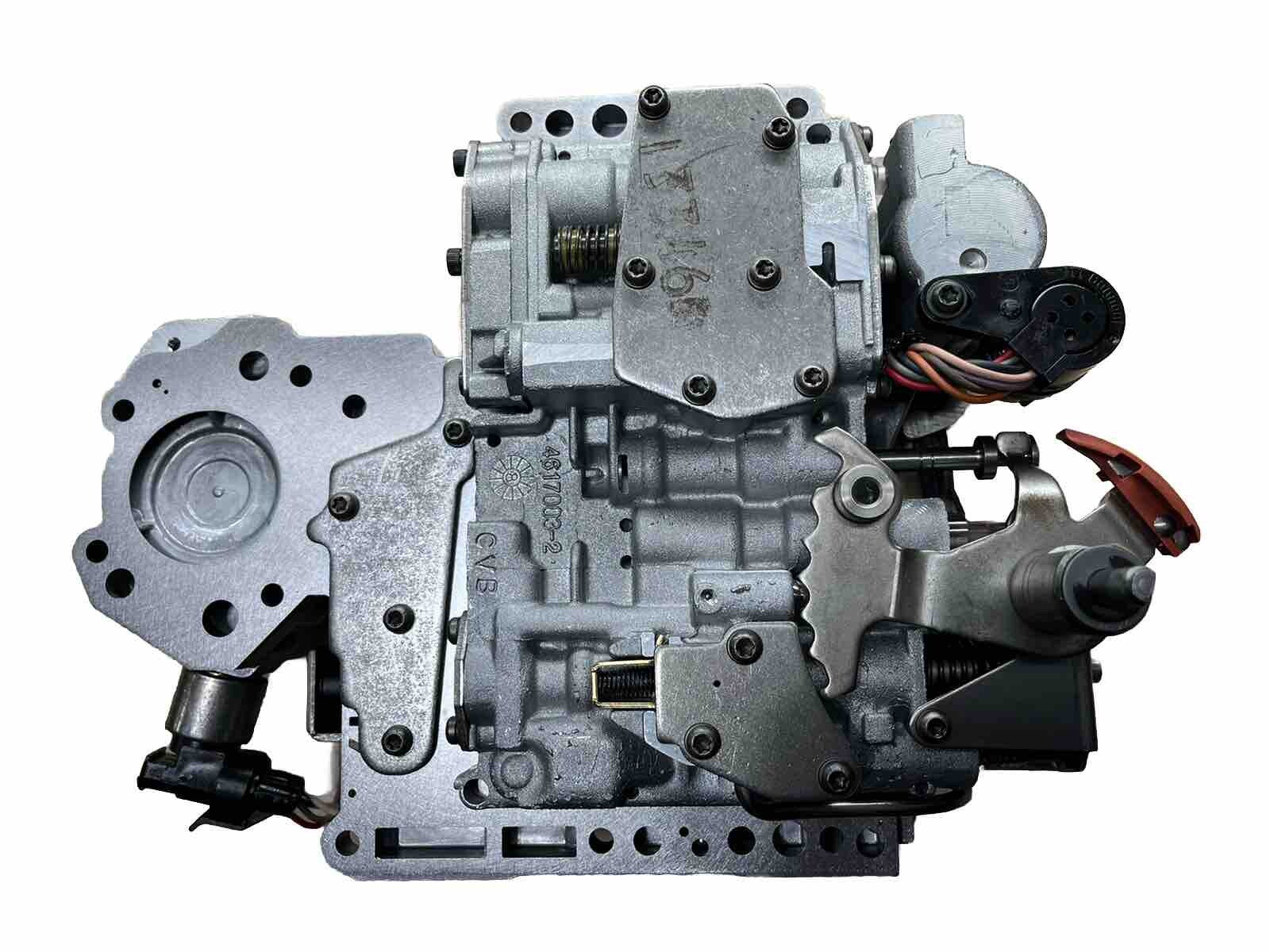
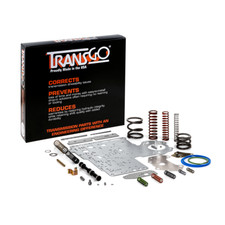
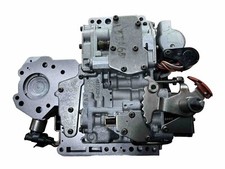
If a 1996-1999 Dodge Ram, Dakota or Jeep Grand Cherokee on the 46RE is shuttle shifting between gears, banging into the 2-3 shift, or throwing a governor pressure code, the valve body is the usual place that trail leads. This listing is a 46RE valve body built for the 1996-1999 casting and connector generation, rebuilt with Sonnax's corrections for this unit's known wear points, then run on a dyno before it ships so the shift timing and apply pressures are confirmed instead of assumed.
What the valve body does in a 46RE
The 46RE is an electronically governed transmission, which is what the "E" stands for. A governor pressure solenoid and sensor, controlled by the computer, work alongside the overdrive and torque converter clutch solenoids to tell the valve body's spool valves exactly how much line pressure to send to the overdrive clutch, the forward clutch, and the front and rear bands. The valve body bores are machined aluminum, and years of pressure cycling round off their edges - that wear is what turns a crisp, computer-timed shift into a soft, late, or shuttling one, and it is the exact wear Sonnax's updates are built to correct.
Symptoms this update addresses
- Shuttle shifting, or the transmission hunting between gears before settling
- Harsh, delayed, or flared 2-3 shift
- Torque converter clutch slip or shudder at steady speed
- Governor pressure sensor or solenoid related codes that persist after the sensor itself has been checked
- Delayed engagement into gear from a stop
How to confirm it before you order
A governor pressure code or a harsh 2-3 shift does not automatically mean the valve body bores are worn - a failing pressure control solenoid or a restricted cooler can cause the same complaints. Our 46RE pressure control solenoid symptoms guide covers how to isolate a bad EPC solenoid from worn bores, and our 46RE valve body problems and testing guide walks through the hydraulic pressure tests that point to the valve body specifically.
Fitment
This valve body is built for the 1996-1999 casting and connector generation. Chrysler revised the connector again for 2000-2001 trucks and switched to a push-in connector starting in 2002, so each of those three windows needs its own unit - match your original valve body's connector and separator plate stamp against the listing photos before ordering, or send your year and VIN and we will confirm the right one. If your truck falls outside 1996-1999, the 2000-2001 Sonnax-updated valve body and the 2002-up push-in version cover the newer generations, and the full lineup is on the 46RE parts collection page.
Install notes
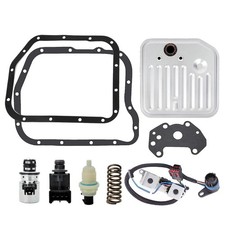
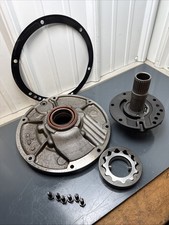
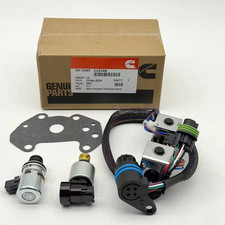
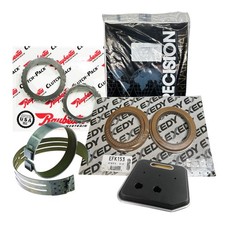
Drop the pan and change the filter in the same job so debris from the old valve body does not circulate into the new one, torque the pan and valve body bolts in Chrysler's sequence rather than corner to corner so the separator plate seats flat, and refill with ATF+4. Because the 46RE is PCM-controlled, run the transmission through a full range of shifts after the fluid is hot so the adaptive shift strategy relearns against the freshly updated bores rather than the old worn ones. A fresh 46RE pump and a matching 1996-1999 solenoid kit are worth installing at the same time if either is original - a worn pump or tired solenoid will undercut a good valve body.