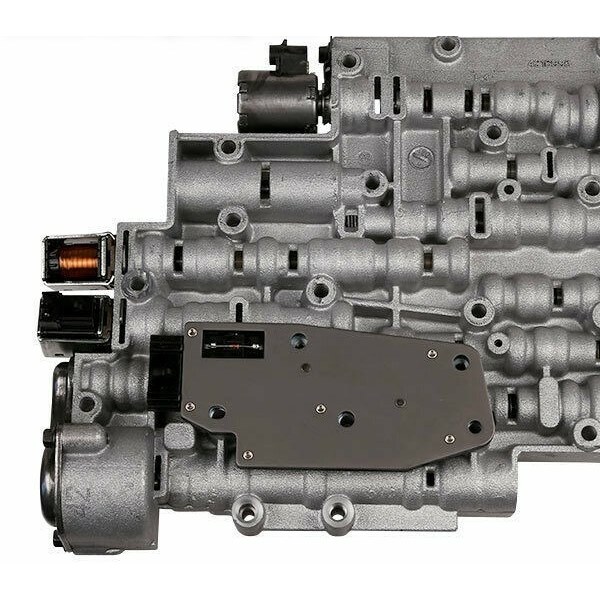
Owners of 2001 and 2002 Silverados, Sierras, Tahoes, Yukons and Suburbans usually land on this page after the same run of complaints: a bang into 2nd, a 3-4 shift that flares, the truck pulling away from a stop in second gear, or a light shudder at 45 mph when the converter clutch tries to apply. On this transmission family those problems very often start in the valve body, not the clutch packs. This is a GM valve body listed for the 2001-2002 model years, condition new other, backed by a 1-year warranty.
A note on the name before you order
GM did not hang the 4L70E badge on trucks in 2001 or 2002. Those vehicles left the plant with the 4L60E (RPO M30) or, on some heavier V8 applications, the 4L65E (RPO M32). The 4L70E (RPO M70) is the later, uprated member of the same family, and the three share the case, the gear train and most of the hydraulic layout. The listing uses the family name, but the year range is what matters here. Read the RPO off the glovebox Service Parts Identification label rather than trusting a stamping on the case. Our 4L60E, 4L65E and 4L70E interchange guide explains why production date beats the badge for parts matching.
What the valve body does in this transmission
Bolted to the bottom of the case under the pan, the valve body turns raw pump pressure into controlled apply pressure for the forward, overrun, 2-4 band, 3-4 and reverse circuits. The actuator feed limit valve regulates a steady feed to the 1-2 and 2-3 shift solenoids and the pressure control solenoid. The TCC regulator and isolator valves set how firmly the converter clutch locks. The computer only commands solenoids; the valve body decides whether that command reaches the clutch at the right pressure. After a couple hundred thousand miles, aluminum bores wear oval around the steel valves, oil leaks past, and the computer cannot correct for it.
Symptoms that point here
- 2nd-gear starts, no 4th, or harsh shifts with solenoid or ratio codes, the classic signs of a worn AFL bore starving the solenoids
- Converter shudder or slip, sometimes logged as P0741 or P1870 depending on calibration, from a worn TCC regulator/isolator bore
- Slow line rise causing reverse chatter, slipping under load, and burnt 3-4 clutches or 2-4 band
- Firm or erratic shifts that a fluid change and new pressure control solenoid did not fix
How to confirm it before buying
Scan for codes and look at commanded versus actual gear and TCC slip data while driving. Check fluid level and condition first; dark, burnt oil with friction material means the clutches are already damaged and a valve body alone will not save the unit. If the fluid is reasonable, a shop can vacuum test the AFL and TCC bores with the valve body on the bench. The step-by-step process is in our valve body problems and testing guide, and the pressure control solenoid guide shows how to rule out a cheap solenoid before replacing the whole assembly.
Fitment
This listing is for 2001-2002 applications in the GM four-speed rear-drive family. Within those years GM ran different calibrations and part numbers depending on engine and vehicle, so pull your old unit and compare the casting numbers and solenoid connector layout before installing, or send us your year, vehicle and VIN and we will check it. It is not the right part for 2003-and-later trucks, which have their own listings. Browse every year range on the 4L70E parts page, including the 2003 valve body for the following model year.
Install notes
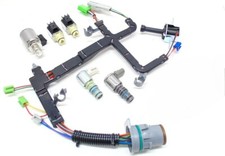
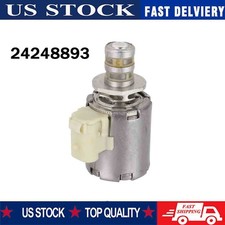
Drain the pan, remove the filter, and unplug the internal harness and the manual valve link. Note where each check ball sits in the case before the valve body comes down; a missing or misplaced ball causes immediate shift problems. Clean the pan magnet, install a new filter and seal, and torque the valve body bolts evenly in a crisscross pattern from the center out. These years originally used Dexron III; GM now specifies Dexron VI, which is backward compatible. If your pressure control solenoid is original, replacing it with a new pressure control solenoid while the pan is off costs little. Reset the shift adapts with a scan tool, or expect a few days of driving before the shifts settle.