If you are tracking down harsh or slipping shifts in a 1991 Chevrolet or GMC 2500/3500, Suburban 2500, or van running the first model year of the 4L80E, this is a new TransGo valve body built specifically for that 1991 application, not a remanufactured unit built around a later casting and sold as a close-enough fit.
Why the 1991 model year matters
GM introduced the 4L80E for the 1991 model year as the electronically controlled successor to the long-running TH400, carrying over the TH400's strength while adding computer-controlled shifting and a lockup torque converter clutch. Because it was the first year, the 1991 valve body predates several changes GM made to this transmission over the following decade, including the 1994 revision that deleted the output speed sensor on 4WD units and moved output speed pickup to the transfer case. A valve body built for a 1997-up casting will not drop into a 1991 unit correctly, which is why this listing is built around the 1991 casting specifically rather than a broad multi-year range.
What the valve body does in this transmission
The valve body is the hydraulic brain of the 4L80E. It routes line pressure through the pressure regulator, boost, actuator-feed-limit and TCC-apply circuits, and the 1-2 and 2-3 shift valves, to apply each clutch and band exactly when the computer calls for it. On an early unit like this one, the boost valve and pressure regulator bores are common wear points after high mileage, and as they wear, line pressure drops and shift timing drifts.
Symptoms that point to a worn 1991 valve body
- Harsh, late or flared shifts, especially 1-2 and 2-3
- Slipping between gears, or no upshift at all under load
- Torque converter clutch slip or shudder
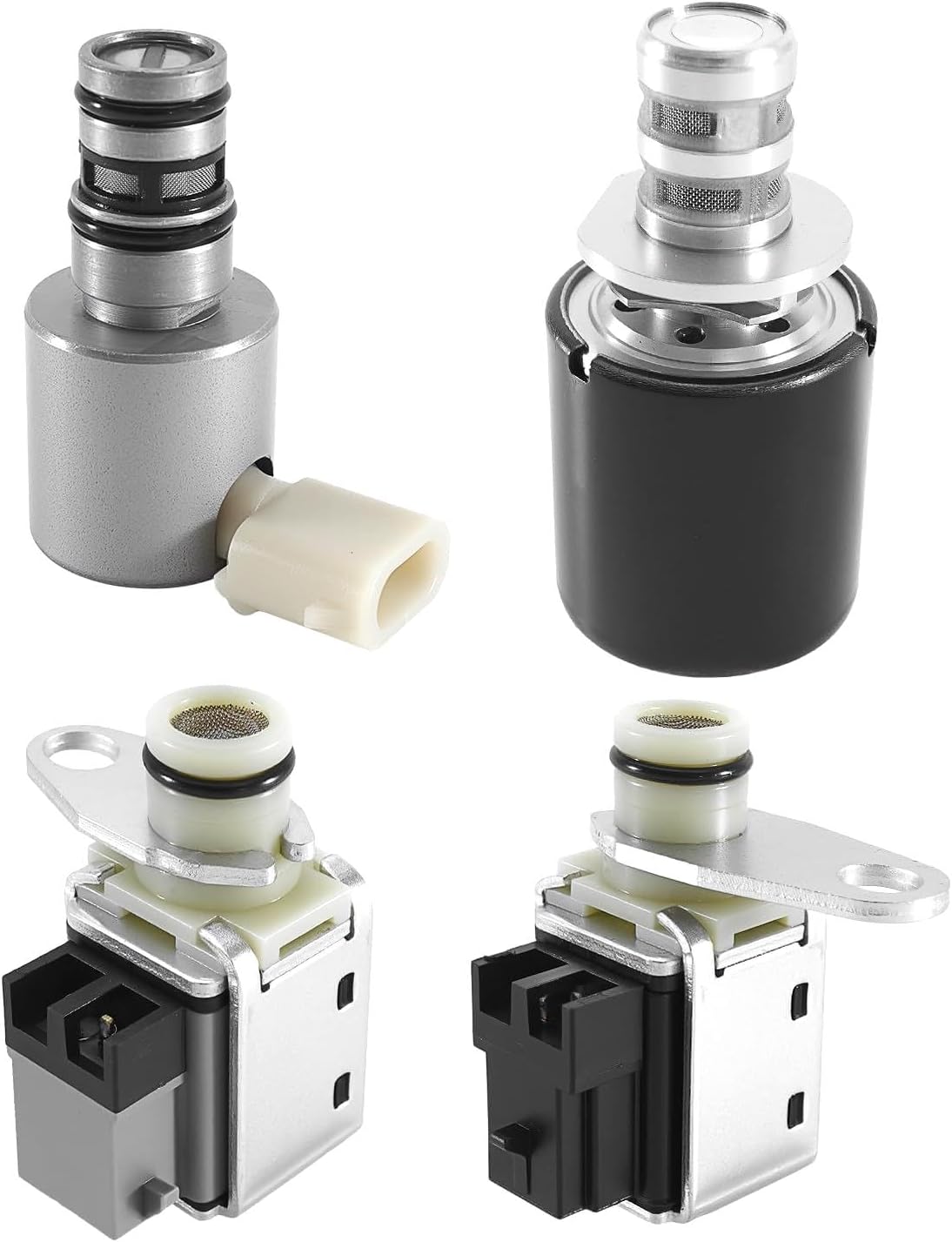
- Limp mode triggered by solenoid or ratio codes once pressure loss gets severe enough
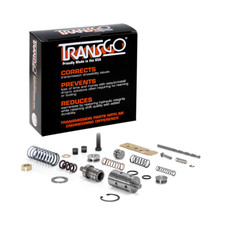
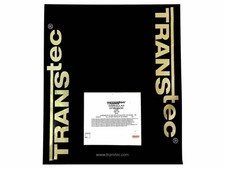
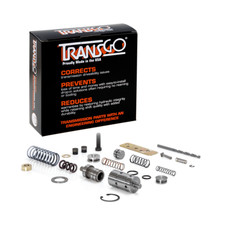
TransGo kits for this transmission are built around correcting the same boost valve wear that drives low or runaway line pressure, which is the root cause behind soft 2-3 shifts, slow 3-2 downshifts, and burnt direct clutches on high-mileage 4L80E units. Our 4L80E common problems guide covers these failures model-wide, including which ones show up most often on the earliest 4L80E units.
How to confirm it before you order
Scan for stored codes and check fluid condition first, then if possible put a gauge on the line pressure test port and compare the reading in Reverse, 3rd, 4th and manual 1st against the published chart. Low or erratic readings that swing with throttle position point at the boost and pressure regulator circuits specifically. Our 4L80E valve body testing guide walks through this process step by step before you spend money on parts.
Fitment
This valve body is built for the 1991 model year 4L80E only. Confirm your vehicle is a genuine 1991 before ordering, since even the 1992-1993 units differ enough in casting and connector details that this will not be a correct fit. If your truck or van is a different year, see the full lineup on the 4L80E parts page, or send us your year, vehicle and VIN and we will point you to the correct valve body.
Install notes
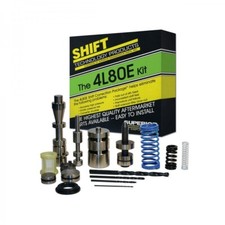
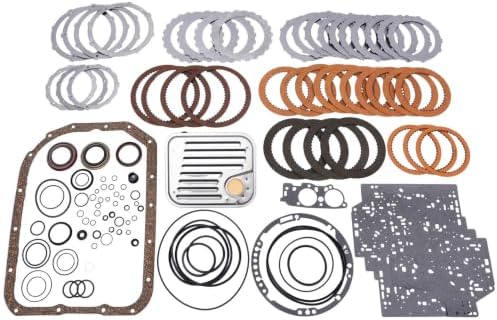
Drop the pan with the transmission in Neutral, disconnect the internal harness, and remove the old valve body, keeping the checkballs in order so they go back in the same bores. Install a new filter and pan gasket at the same time, torque the valve body bolts in sequence to spec, and refill with Dexron VI ATF. Run the adaptive relearn over the first several drives. If your fluid came out dark or burnt, pair this with a 4L80E overhaul kit for 1991, and if you are chasing a shudder or slip code, the 4L80E shift kit addresses the same boost valve wear from the factory bore side.