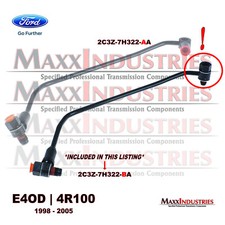
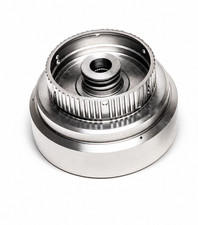
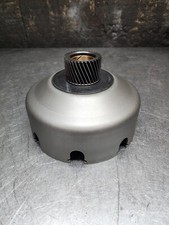
If your 4R100-equipped Ford is dripping red fluid at the front of the frame, or a steel line between the transmission and the radiator has rusted thin or been kinked, this is the piece that gets the truck back on the road without buying a whole plumbing kit. Despite the generic name, this listing is not a cooler core. The listing photo shows a pair of formed steel cooler lines and marks only one of them, the lower tube labeled 2C3Z-7H322-BA, as the part included. The photo is captioned for the E4OD/4R100 family across 1998-2005, and the listing year is 1998.
What this cooler line does in a 4R100
The 4R100 is the 1998-and-later evolution of the E4OD, built for heavy trucks with the 7.3L Power Stroke, 5.4L and 6.8L V10. Hot fluid leaves the converter circuit, goes out of the case through one steel line to the cooler in the radiator tank, and returns through the other line to lubricate the planetary sets and bushings. Because the return flow is the geartrain's lube supply, a leaking or restricted line costs you twice: the fluid level drops, and whatever is left runs hotter. On these units Ford also used a cooler bypass arrangement at the case fitting on 1997-later trucks, which Sonnax supplies a replacement valve kit for, so the fittings on your case may not be simple straight connectors.
Each of the two lines has its own bends and end fittings, which is why Ford gave them separate part numbers. Replacing only the failed tube is a common, sensible repair when the other one is still solid.
Symptoms of a failing 4R100 cooler line
- Fluid wetting the frame rail, crossmember or skid area forward of the transmission
- Level on the dipstick dropping between checks with no leak at the pan or tailshaft
- Scaly rust or pinholes where the tube rides in its clips or near the radiator
- A pinched or flattened section from a past jack placement or off-road strike
- Transmission temperature rising quickly when towing; Sonnax ties low cooler flow to overheating complaints on this family
- Late engagement, slipping or a flare on the 2-3 shift once the level has fallen
How to confirm before you order
Degrease the area, top the fluid up, and run the truck to full operating temperature. A pressurized line leak usually shows within one drive. Trace both tubes from the case to the radiator with a light and note which one is wet. If neither leaks but the unit still runs hot, the problem may be flow rather than the tube: a plugged radiator cooler or a pump issue can produce the same heat. Sonnax's 4R100 Flow Issues article explains how low pump volume at low engine speed starves the converter and cooler circuit. Our E4OD cooler line replacement guide walks through the flow check, and the E4OD and 4R100 common problems guide covers the heat-related failures that follow a long period of low fluid.
Fitment
This listing is for 1998 and the photo identifies the included tube as 2C3Z-7H322-BA, captioned for the 4R100 across 1998-2005. Line routing on these trucks changes with engine, two- or four-wheel drive, wheelbase and whether an auxiliary cooler was fitted from the factory, so one part number does not cover every truck in that span. Before ordering, read the number off your old line if the tag is still legible, or hold it against the photo and compare the bends and fittings. If you are unsure, send us your year and VIN and we will confirm. If you are not certain whether your truck has a 4R100 or the earlier E4OD, our 4R100 vs E4OD comparison shows how to tell them apart. Everything else for this unit is on the E4OD and 4R100 parts page.
Install notes
- Soak the threaded fittings with penetrant ahead of time and break them loose with a flare-nut wrench to avoid rounding the nuts.
- Cap the open ports right away; dirt in the return line goes straight to the geartrain.
- Blow out or flush the radiator cooler before connecting the new tube, especially if the old fluid was dark or smelled burnt.
- Refit every support clip so the line cannot rub against the frame and wear through again.
- Refill with MERCON V, start the engine, cycle the selector, and set the level hot in Park.
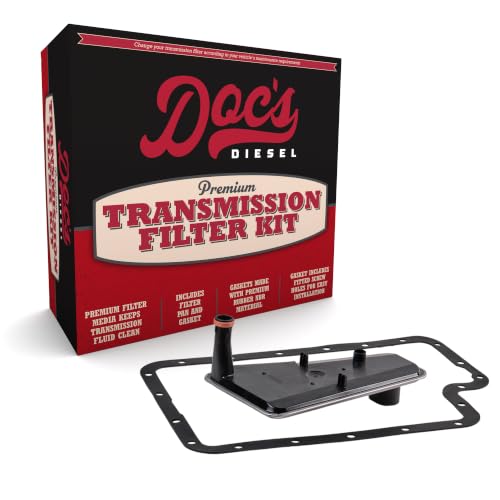
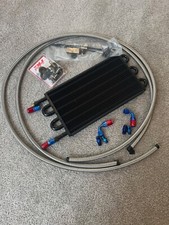
If the truck tows heavy, pairing this line with the 4R100 auxiliary cooler kit adds margin. If the unit slipped while it was low and now shows burnt friction material in the pan, plan for an E4OD/4R100 overhaul kit for 1996-2005 rather than just a line and fluid.