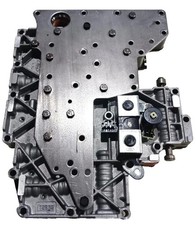
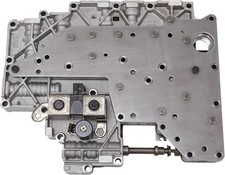
If a 2009 vehicle carrying the 4R70W is shifting harsh, flaring on an upshift, slipping once it has warmed up, or has set a stored pressure or solenoid code, the valve body is the part to check first. This listing is an OEM-sourced remanufactured valve body referenced to 2009 F-150 applications specifically, which puts it right at the tail end of the 4R70W's production run - Ford's mainstream F-150 lineup had largely shifted to the 6R80 six-speed by 2009, so a 4R70W turning up in a 2009 truck is usually a late-build or specific-configuration unit rather than the default.
What the valve body does in a 4R70W
The 4R70W is Ford's 4-speed rear-wheel-drive electronic overdrive automatic, used across F-150, Expedition, Mustang, Crown Victoria, Grand Marquis, and Lincoln Town Car and Navigator through most of this platform's life. The valve body is the hydraulic brain of the unit: a stack of precision-machined bores and spool valves that route main line pressure to the clutch packs and bands, and on this electronically controlled transmission it also carries the shift solenoids and electronic pressure control (EPC) solenoid the computer uses to time every shift. A worn valve body shows up as inconsistent pressure delivery to those clutches rather than a mechanical failure you can see from outside the case.
Symptoms this valve body addresses
- Harsh, late or flared shifts on the upshift
- Slipping between gears or a converter that won't lock up once it's hot
- Torque converter clutch shudder at light throttle
- Limp mode with a stored pressure, ratio, or shift-solenoid code
How to confirm it before you order
Because this listing sits at the edge of the 4R70W's normal production window, confirm you actually have a 4R70W and not a 6R80 before diagnosing further - the pan shape, solenoid connector, and fluid type differ between the two. Once that's confirmed, our 4R70W/4R75W valve body testing guide covers the vacuum-test procedure for pinning down which bore has worn, and the 4R70W pressure control solenoid symptoms guide is worth ruling out separately, since a failing EPC solenoid produces shift complaints that look identical to valve body wear but is a cheaper fix.
Fitment
This valve body is referenced to 2009 model year F-150 applications. Because mainstream F-150 production had largely moved to the 6R80 by this point, a 2009 4R70W is not the default configuration for that model year, and we strongly recommend sending your exact model and VIN before ordering rather than matching on model year alone. If your vehicle turns out to use the 6R80 instead, this part will not fit. For vehicles confirmed on the earlier, more common years of this transmission, the 4R70W/4R75W parts hub carries the full run of listings, including the 4R70W valve body 2004-2011 listing.
Install notes
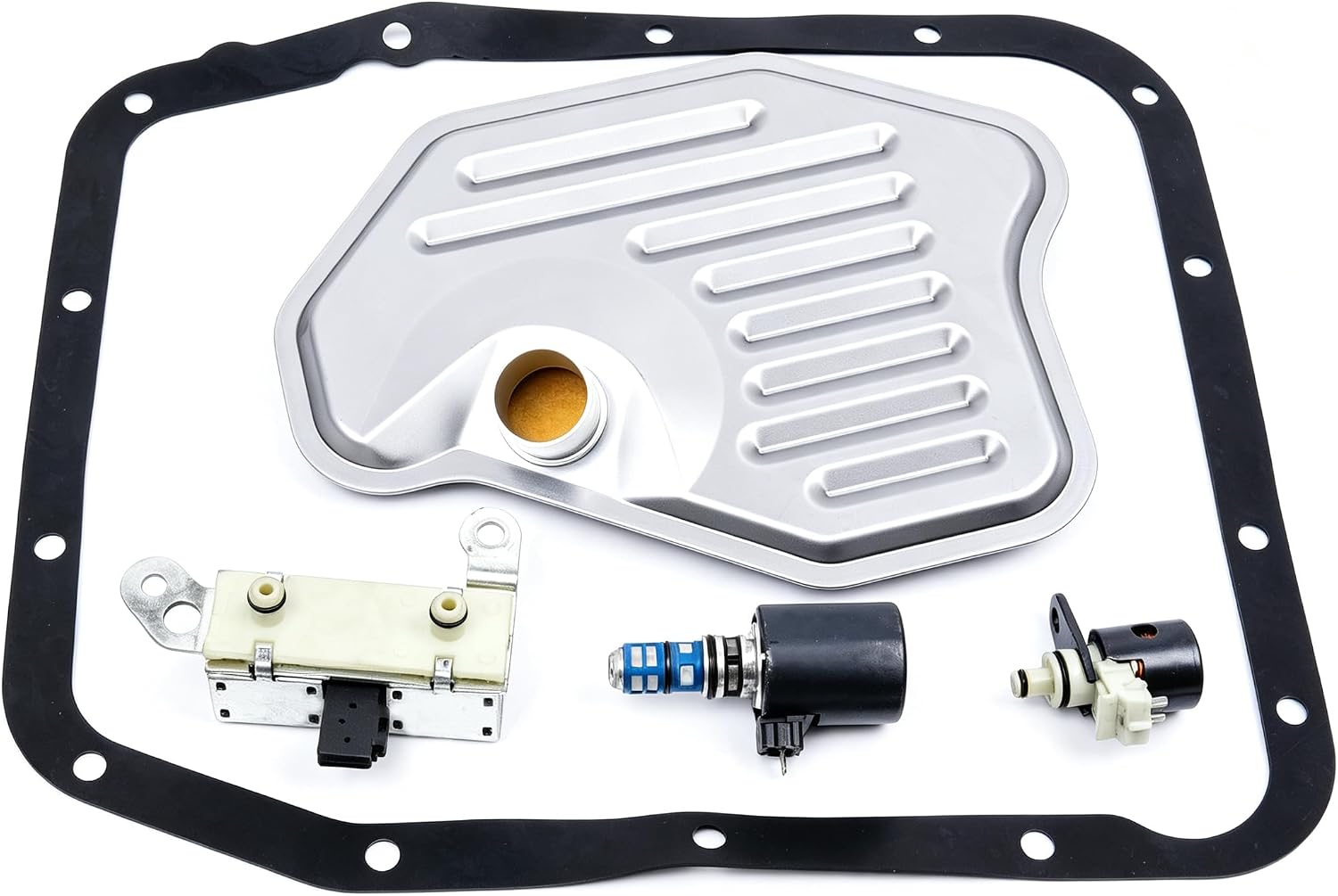
Change the fluid and filter at the same time as the valve body, since debris already circulating from the worn original is the most common reason a replacement fails early. Refill with Mercon V ATF only - the wrong fluid spec produces shift complaints that mimic valve body wear. Torque the body bolts in Ford's sequence rather than corner to corner, since uneven clamping can bind a bore that bench-tested fine. Inspect the 4R70W TCC solenoid at the same time if the original complaint included converter shudder, and clear codes to run the adaptive relearn drive cycle after the swap rather than driving normally - a skipped relearn is a common cause of comebacks on this platform.