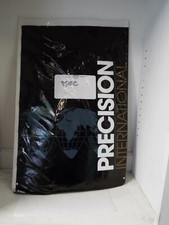
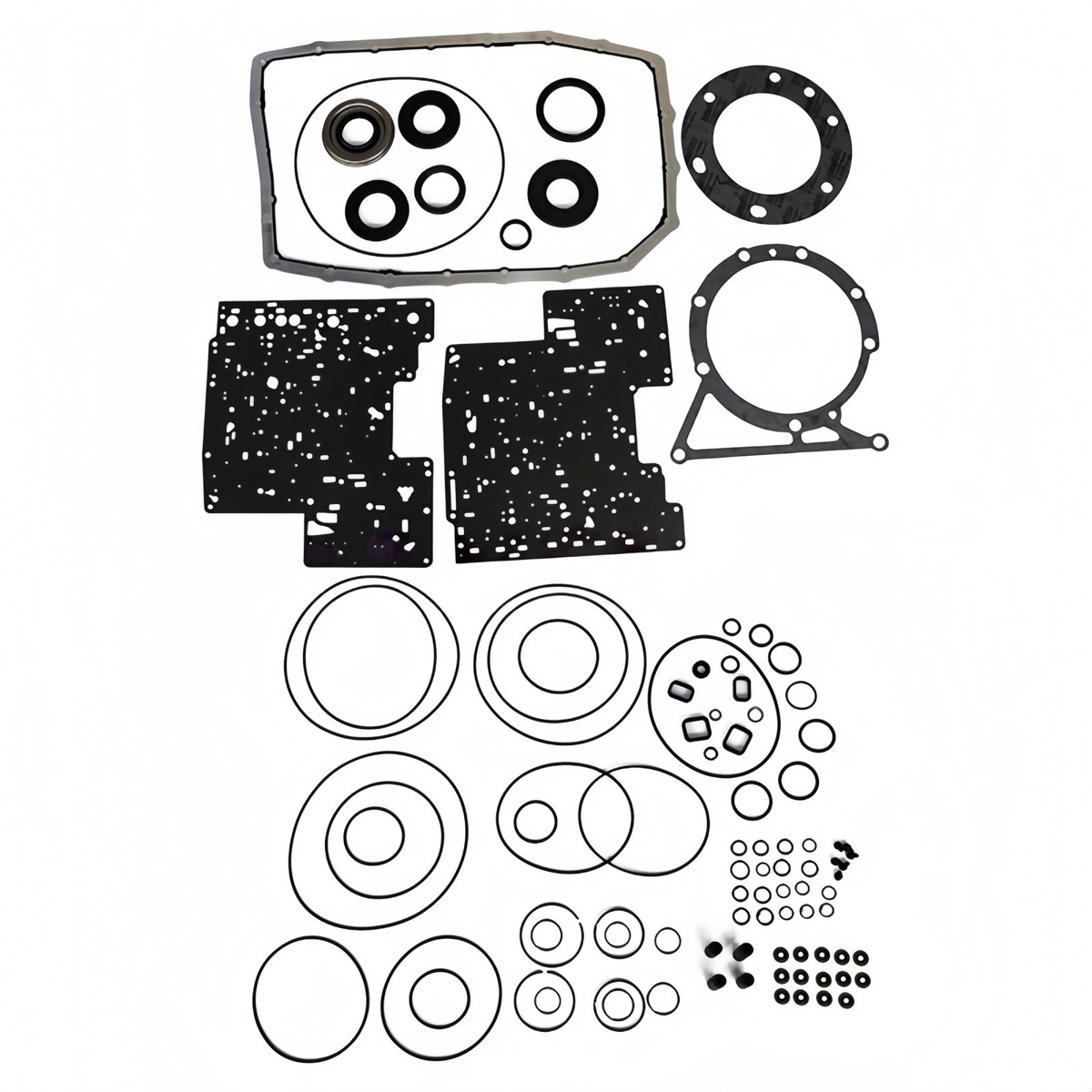
The 2006 model year is where the Ford 6R60 story starts. It was the first year the six-speed went into the redesigned Explorer and Mercury Mountaineer with the 4.6L V8, and twenty years on, a first-year unit is usually running on its original piston seals and sealing rings. If your 2006 Explorer or Mountaineer V8 now drips fluid under the transmission, sits for a beat before it takes Drive or Reverse on a cold morning, or slips once it is hot and loaded, this Precision overhaul kit is the reseal set for rebuilding that early 6R60.
What the overhaul kit does in a 2006 6R60
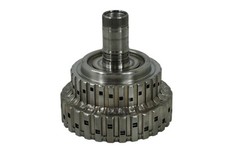
Ford produced the 6R60 itself starting in 2006 under its agreement with ZF, and it is a near copy of the ZF 6HP26. Six forward speeds come from a Lepelletier geartrain (one simple planetary set feeding a Ravigneaux-type set) controlled by five clutch packs: three driving clutches, A, B and E, and two brake clutches, C and D. The 2006 unit has no one-way clutch; Ford did not add one until the 2011 redesign of the later 6R80, so every shift in a first-year 6R60 is a timed hand-off between two clutch packs. That makes the job of each seal critical. A piston seal that has gone hard lets its pack fill slowly, and a worn Teflon sealing ring on a drum or the input shaft bleeds off apply pressure, so the shift overlaps badly and the pack slips. The overhaul kit replaces those piston seals, sealing rings, O-rings and gaskets throughout the unit, plus the external seals that cause leaks.
Symptoms on a first-year 6R60
- Drips at the pan gasket, the case connector or the front seal
- Delayed Drive or Reverse engagement after an overnight sit that improves as the fluid warms
- Flare or slip on upshifts that gets worse when towing or in summer heat
- A low fluid level and burnt smell from a unit that has been leaking for months
- Harsh, mistimed shifts, which can be seals but can also be solenoids or the control module
How to confirm the seals are the problem
Start with the fluid level checked hot and by the factory method, because a 6R60 that is a quart low slips just like a worn one. Then scan for codes. The 6R family puts its solenoids and sensors on the valve body, and a drifting solenoid will produce a shift complaint that no amount of new rubber will cure. Our 6R family common problems guide lays out the electrical checks, and the shift problems diagnosis guide separates hydraulic slip from a timing or solenoid fault. If the circuits are electrically clean and the unit still leaks or engages late, it is time for this reseal.
Fitment: 2006 6R60
This listing is for the 6R60 as built for 2006, which in the US means the Explorer and Mountaineer with the 4.6L V8; the V6 versions of those SUVs used a five-speed, so check the transmission tag on the case before you order. The early 6R60 is easy to tell from a 6R80 once it is apart: Transmission Digest notes its pump stator support carries a front bushing, its input shaft has a matching bushing journal, and the input runs two sealing rings where a 6R80 runs three. Ford also superseded the original 6R60 pump (6L2Z-7A103AA) to a later number, and other parts changed through the run, so lay the old seals and rings next to the new ones as you go. If your build is a 2007 or later, or you are not sure, send us your year, model and VIN and we will match it. The 2007-2008 6R60 overhaul kit covers the next years, and every part for the family is on the 6R60, 6R75 and 6R80 collection page.
Install notes for a 2006 unit
- Soak each piston seal in clean fluid and size the Teflon rings on their journals with assembly gel so they do not roll when the drums slide together.
- A 2006 unit came with the original three-pinion input planet and matching retainer; inspect it for pitting and noise, since the later four-pinion carrier and retainer are a matched set.
- Check the overdrive (E) clutch hub. The original stamped hub welded to its shaft was replaced by Ford with a two-piece steel hub because of failures, and a first-year transmission may still have the early part.
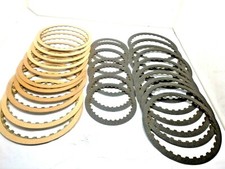
- If the frictions are burnt, move up to our 6R60 overhaul kit with clutches instead of reusing worn plates.
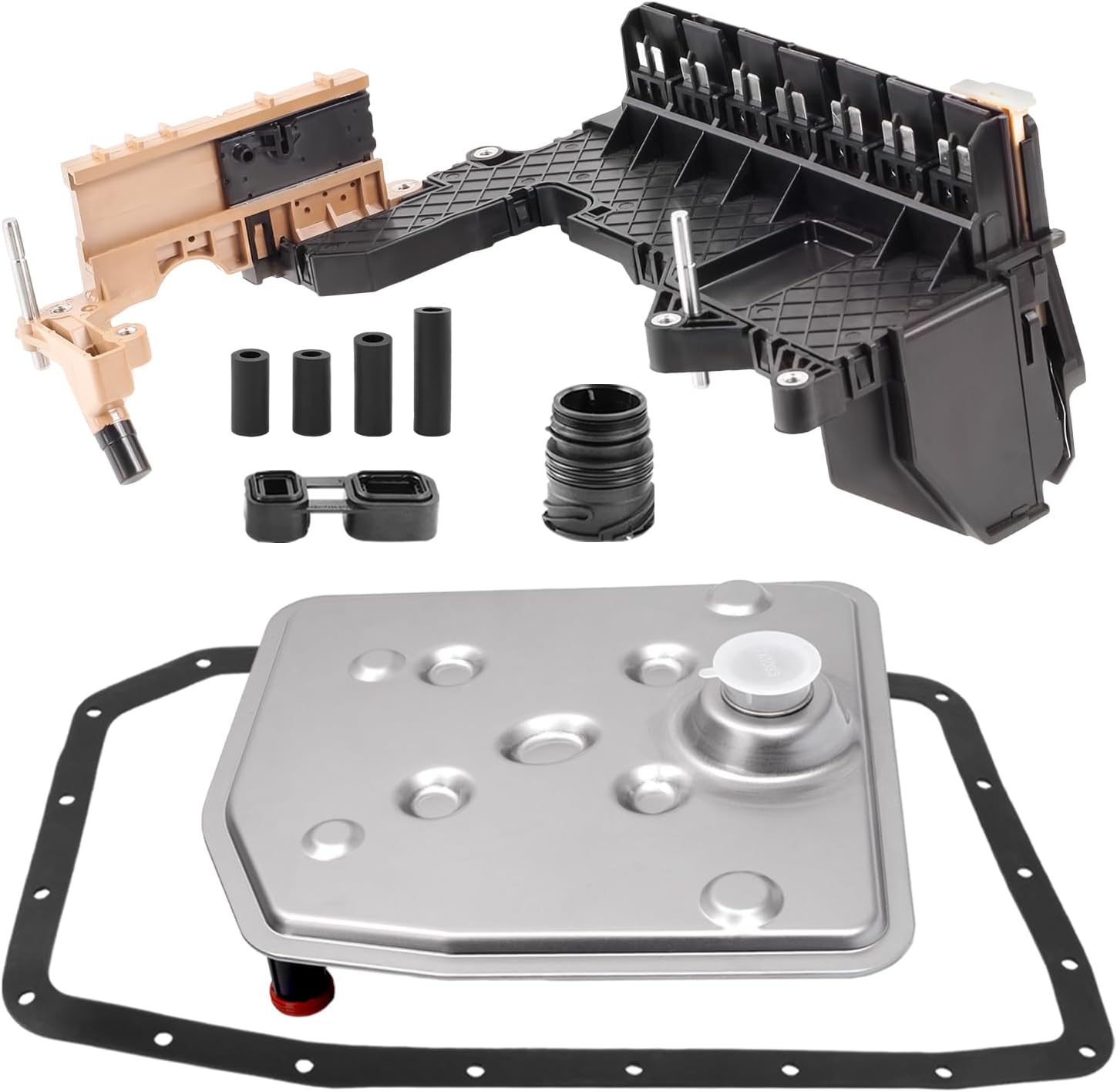
- Replace the filter and pan gasket with the 6R60/6R75/6R80 filter and pan gasket kit, air-check every clutch circuit, refill with the Ford fluid specified for your vehicle with no additives, then reset adaptives and drive the relearn.