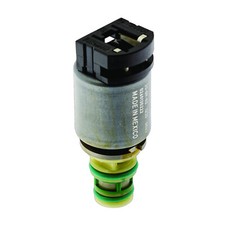
The 6R60 was Ford's first six-speed rear-drive automatic, introduced for the 2006 model year behind the 4.6L three-valve V8 in the Ford Explorer and Mercury Mountaineer. Most of those SUVs are now past 15 years old, and owners searching for a fix usually describe the same things: a thump into Drive, firm or erratic upshifts, or a check engine light with a pressure control code. This listing is one new pressure control (EPC) solenoid for the 6R60, Bosch-built with the black connector and cross-referenced to Ford 6L2P-7G383-BD. It is a single solenoid, priced for the owner who has tested the circuit and needs just this part.
How the EPC solenoid works in a 6R60
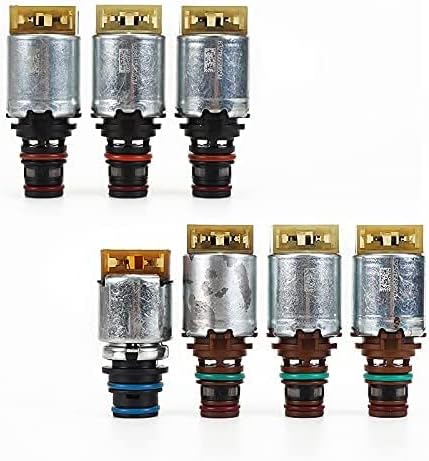
The 6R60 is built on the ZF 6HP26 design, and it shares its first-generation valve body layout with the 6R75 and the 2009-2014 6R80. Seven solenoids sit on that valve body. Five apply the clutches, one controls the converter clutch, and one, this solenoid, sets line pressure. It does that indirectly: its output acts on the main pressure regulator valve, which decides how hard every clutch is squeezed. It is a normally high variable force solenoid, which means zero current equals maximum pressure. The engine computer adds current to soften the shifts at light throttle and backs it off when torque rises so the clutches do not slip.
Symptoms on an Explorer or Mountaineer
- Hard, clunky engagement into Drive or Reverse from Park
- Every upshift firm, even easing away from a light, typical of an open circuit that leaves pressure at maximum
- Soft, flaring shifts with RPM jumping between gears when a contaminated solenoid sticks
- Shift quality that is fine cold and gets worse hot, or the reverse
- Pressure control solenoid A codes in the P0960 to P0963 range
- A default gear with the wrench light on after the computer loses control
Test before you replace it
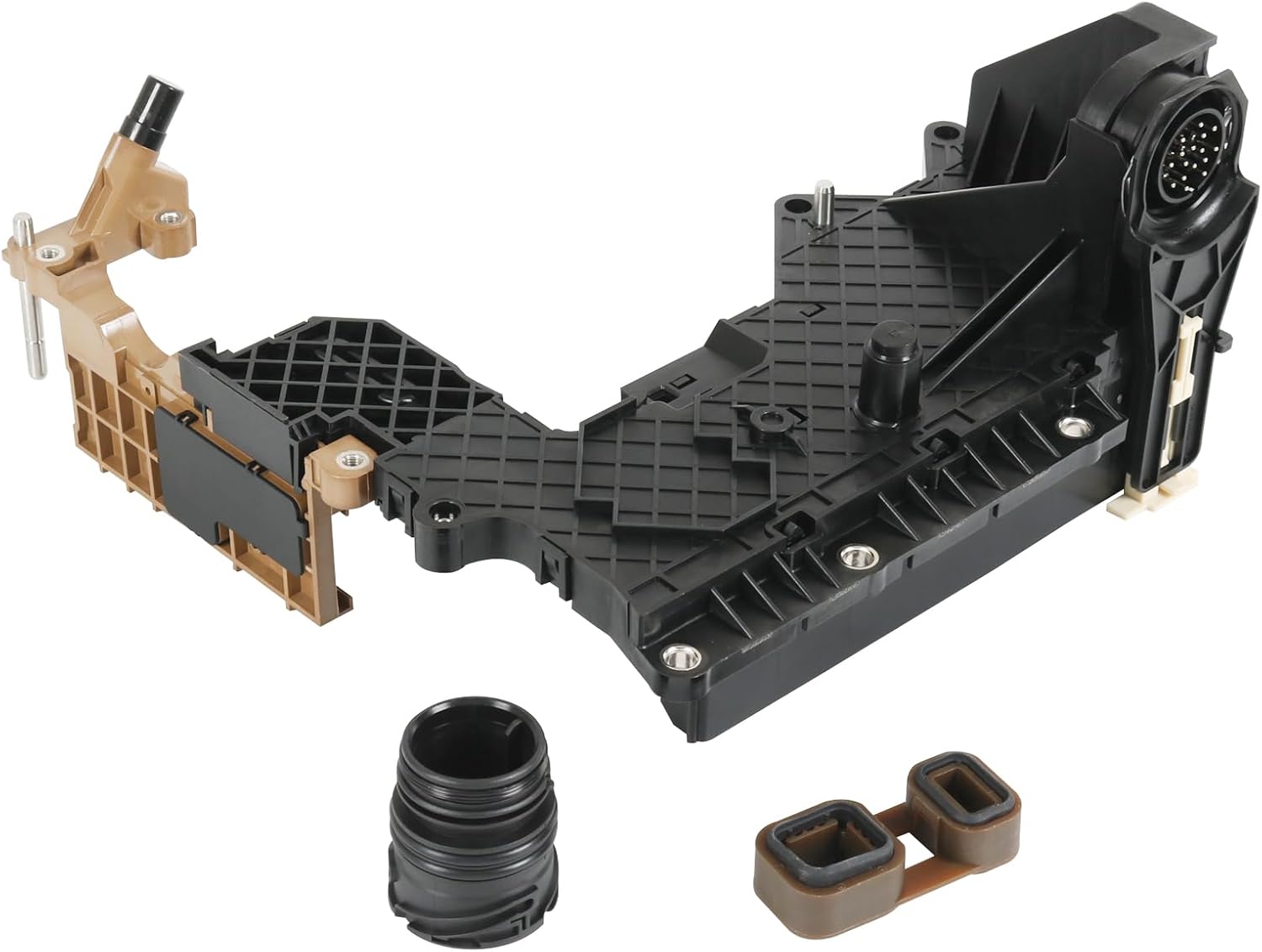
On a 6R60 this old, rule out the easy causes first. Low or wrong fluid gives the same flares as low pressure. Pull every code, engine codes included, and fix those first. Then check the circuit: measure the solenoid's resistance through the case connector and again directly at the solenoid with the pan off. If the readings differ, the problem is the internal harness or connector, not the solenoid. A worn solenoid pressure regulator bore can also starve the solenoid of feed oil, and no new solenoid will fix that. Our pressure control solenoid guide covers these tests in detail; the 6R80 it describes uses the same normally high design. For other high-mileage failures in this family, see 6R80 common problems and fixes.
Fitment
The listing covers 6R60, 6R75 and 6R80 units from 2006 on. For the 6R60, that is chiefly the 2006-2008 Explorer and Mountaineer with the 4.6L V8; the 2009-2010 V8 versions of those SUVs moved to the 6R80. Ford revised solenoids over the years, so pull your original and compare the black connector, the snout and the part number. Each solenoid also has a band number of 1 to 5 printed near the barcode, and the computer's calibration expects the band that left the factory, so the new one should match the old one's band. Send your year and VIN if you want us to check it first. Our 6R60, 6R75 and 6R80 parts page lists everything for this family.
Install notes
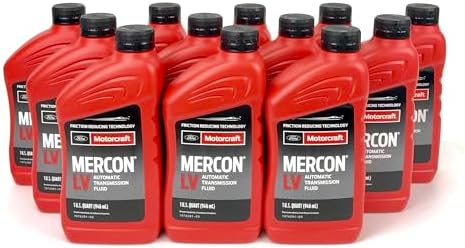
Drain the fluid, remove the pan and filter, and unbolt the valve body enough to reach the solenoid. Note the band number on the original before it comes out. Install a new O-ring, seat the solenoid squarely, and tighten fasteners to Ford's specification. On fluid, be careful: early 6R60s were filled with Mercon SP and Ford later moved this family to Mercon LV, so confirm which your unit calls for and do not mix them. Our Motorcraft Mercon LV case covers a pan refill on units that take LV. Set the level hot, clear codes, reset the adaptive tables and let the computer relearn over a few drives. If the valve body bores are worn, the 6R75 valve body, which shares the first-generation design, is the next step.