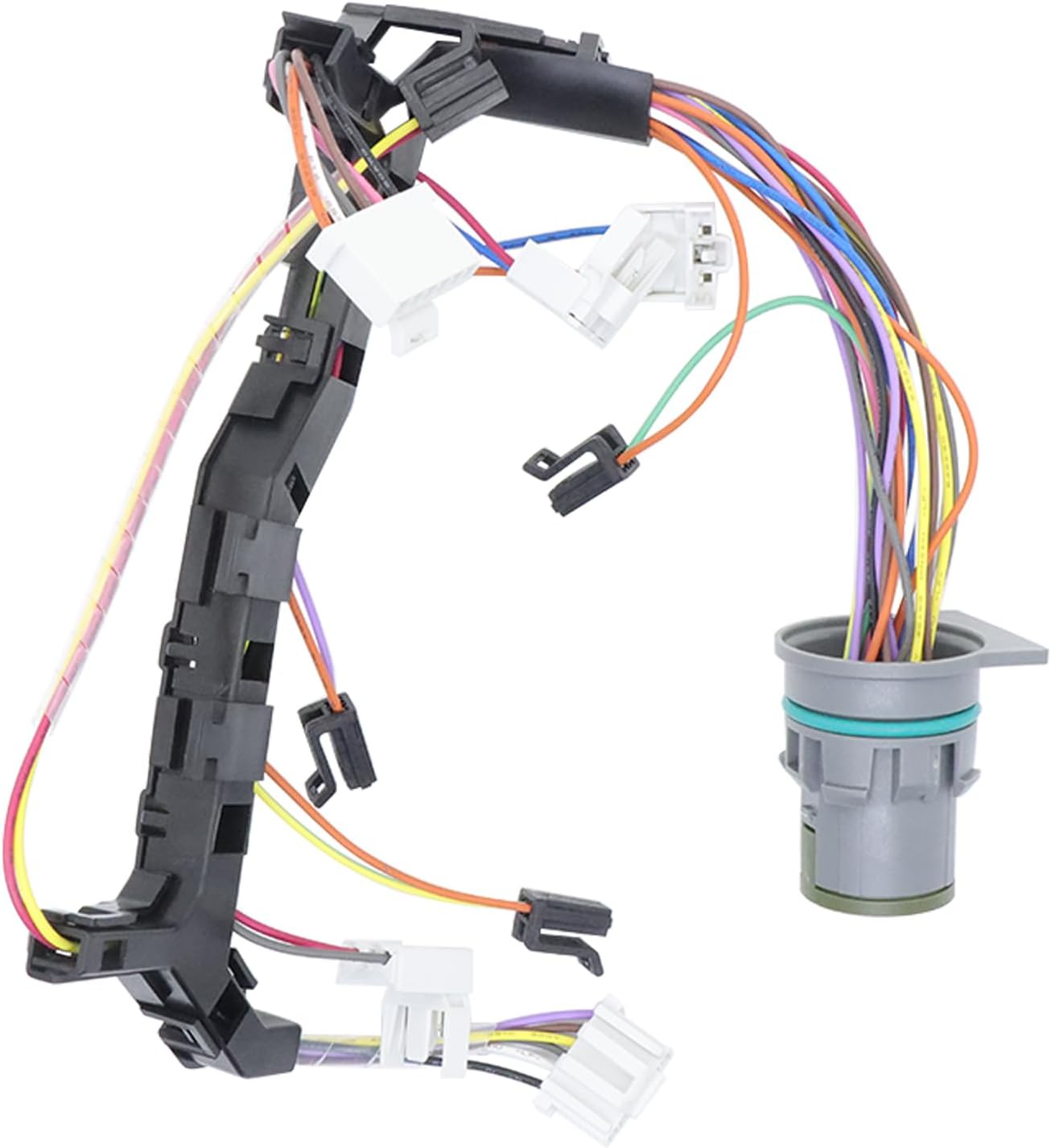
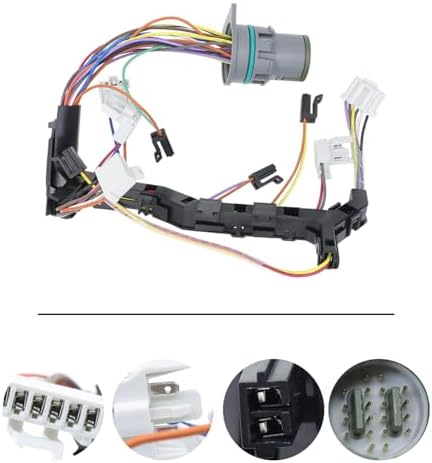
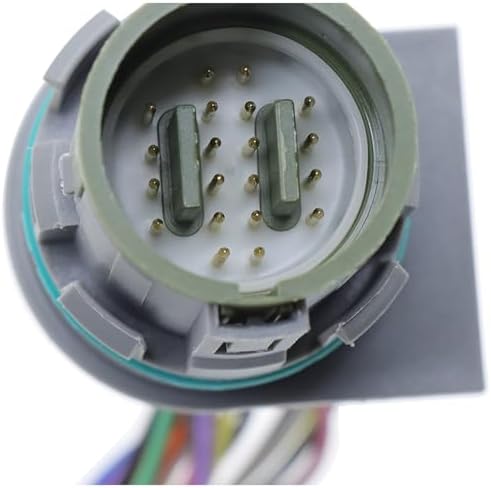
If your 2006-2009 Chevrolet Silverado or GMC Sierra HD with the 6.6L Duramax keeps dropping into limp mode and the solenoid codes change every time you scan it, the internal wire harness is a prime suspect. This is the harness for the Allison 1000 six-speed (also built as the 2000 and 2400 Series) that carries power and ground from the 20-pin case connector to the seven solenoids and the pressure switch on the valve body. It replaces GM 29543336 and crosses to Rostra 350-0087, Transtar 121446C, GFX 411511BDR, Natpro 35869D and WIT 116446B.
What the internal harness does in an Allison 1000
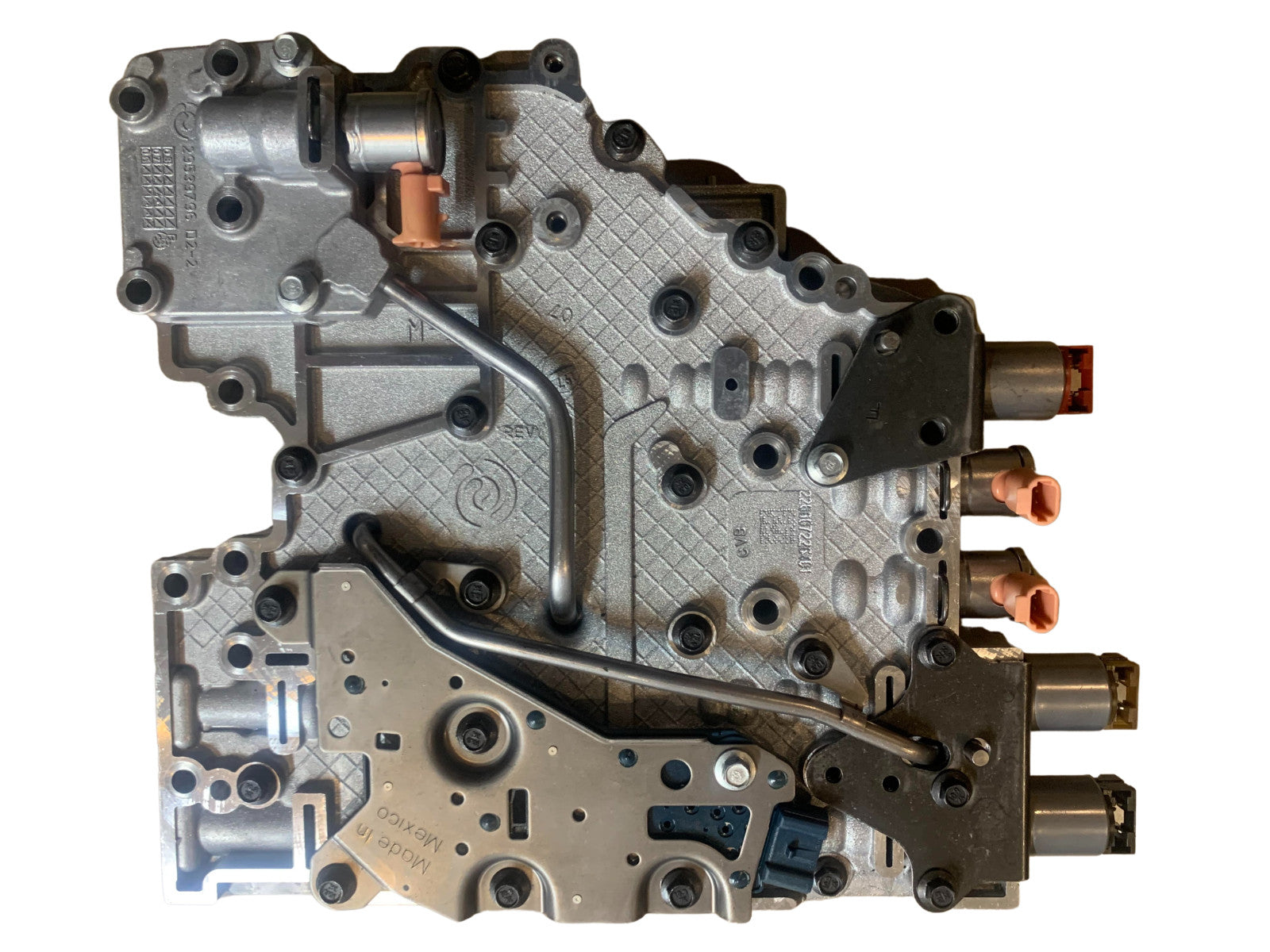
The Allison 1000 has no shift cables or vacuum modulator. Every shift, every clutch-to-clutch handoff and converter lockup is commanded by the TCM through solenoids, and on the 2006-2009 six-speed there are seven of them: PCS1, PCS2, shift solenoids SS1, SS2 and SS3, the TCC solenoid with its red connector, and the modulated main pressure (G) solenoid. All of those circuits run through this one harness, sitting in hot fluid inside the pan. The plastic jacket and wire insulation harden with heat cycles, and where the harness runs close to the case and valve body it can rub through. Once a conductor is chafed, the TCM sees an open, a short to ground or an out-of-range current, and it protects the transmission by locking a gear.
Symptoms of a failing internal harness
- Limp mode (usually stuck in a single gear) that clears after a key cycle and comes back
- Solenoid circuit codes that move around: P0776, P0778, P0973 and similar, sometimes several at once
- Pressure switch codes P0842 or P0843 alongside solenoid faults
- Faults that show up hot or over bumps and disappear on a cold, parked truck
- Harsh or flared shifts when the TCM loses control of a trim (PCS) solenoid mid-shift
How to confirm the harness before buying
Codes that jump between unrelated solenoids point at shared wiring, not seven solenoids failing at once. Unplug the case connector and ohm each solenoid circuit through the harness. Sonnax publishes the 2006-2009 resistance values: about 5.5 ohms for PCS1, PCS2 and TCC, and about 22 ohms for SS1, SS2, SS3 and the G solenoid. An open or a reading that changes when you wiggle the harness, or a circuit showing continuity to the case, is a wiring fault. Then drop the pan and look for scuffed insulation and green or cracked connectors. Our Allison 1000 limp mode guide walks the full diagnostic order, and the valve body testing guide covers the hydraulic faults that can set similar codes.
Fitment
This harness is the 2006-2009 six-speed layout used in Chevrolet and GMC 2500HD and 3500HD Duramax trucks (LBZ and LMM). Be careful about two look-alikes. The 2004-2005 five-speed also has seven solenoids, so solenoid count alone does not prove you have the six-speed. And the 2010-up valve body was fully redesigned, so later harnesses are not the same part. Transmission Digest's valve body ID article also lists GM 29543334 for the 2006-2009 harness, so check the number on your old harness against this one, or send us your year and VIN and we will confirm before it ships. You can browse everything we carry for this unit on the Allison 1000 parts page.
Install notes
- Drain and drop the pan, then remove the filter. Unplug each solenoid connector and the pressure switch; the connectors are keyed but label them anyway.
- Release the case connector retaining clip and push the connector into the case, then unclip the harness from its routing tabs.
- Route the new harness exactly like the original, seat the case connector until the clip locks, and confirm no wire rests against the pan rail or a sharp casting edge.
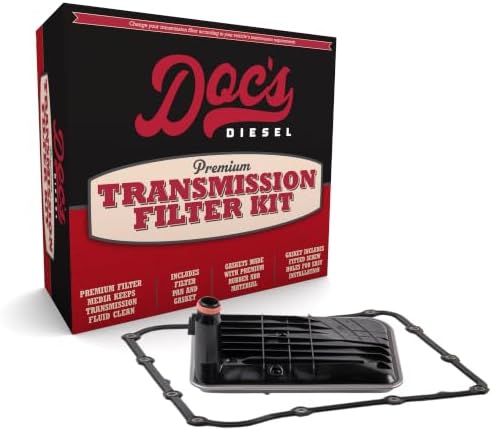
- Install a new filter and pan gasket. The Allison 1000 filter and pan gasket kit covers the pan-side parts.
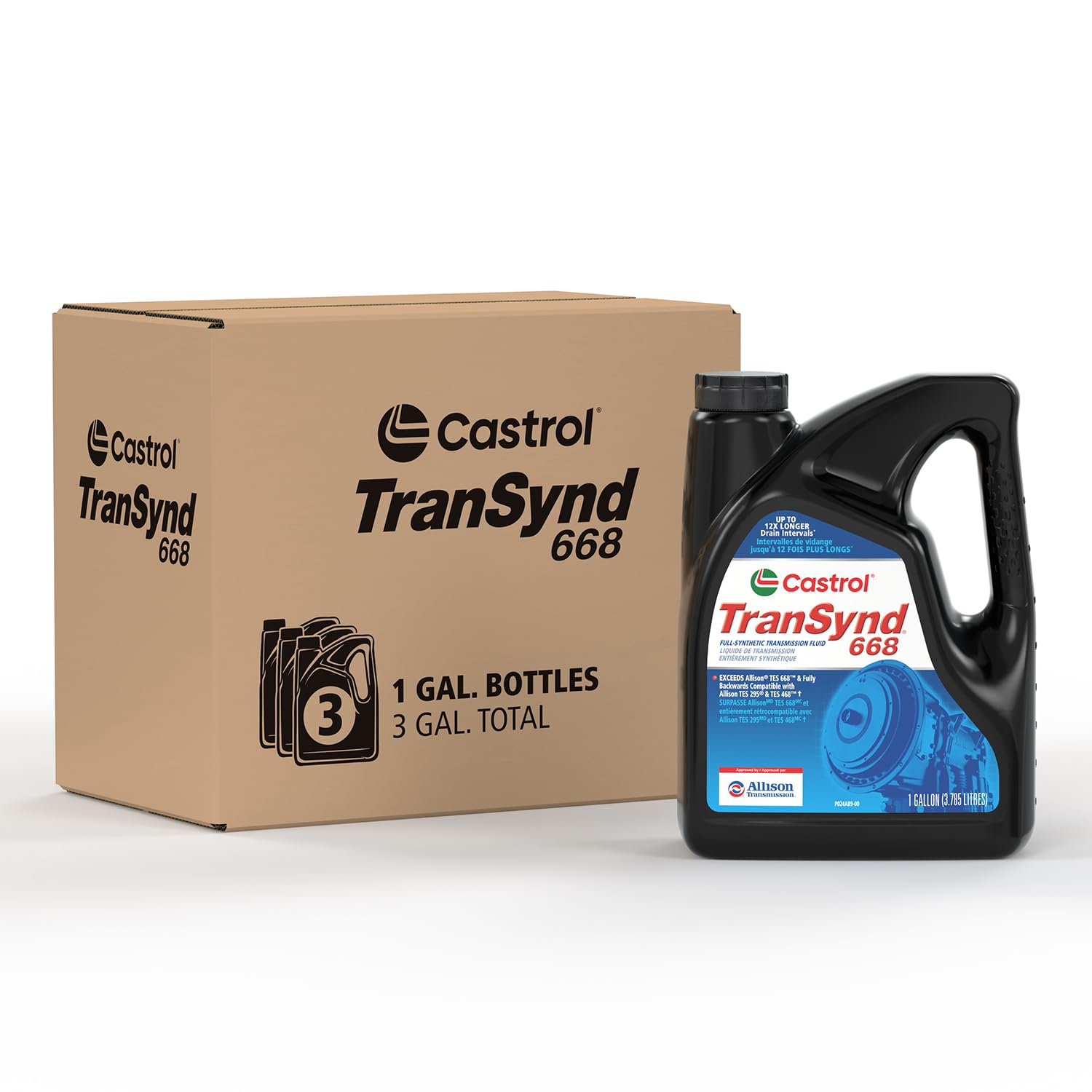
- Refill with a TES 668 or TES 295 approved fluid such as TranSynd 668, check level hot, clear codes and verify solenoid commands with a scan tool.
If the pan comes down full of clutch material, or the codes are ratio and slip codes instead of circuit codes, the harness is not your whole problem; see our Allison 1000 fluid and filter specs before you button it up.