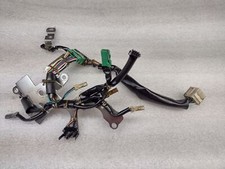
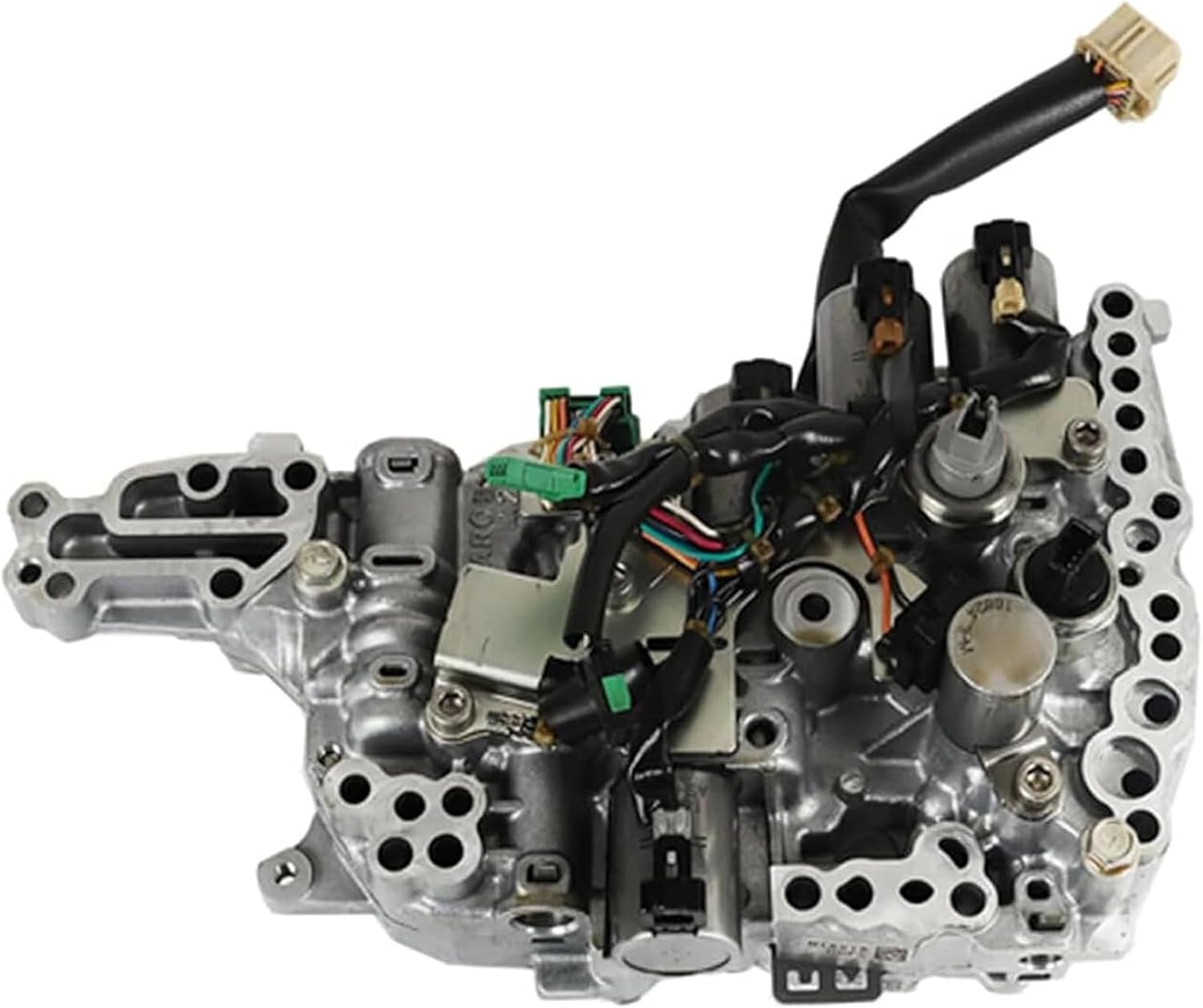
If your 2013 Nissan Altima 2.5 throws transmission electrical codes that come and go, drops into fail-safe on a hot day, or reads a fluid temperature that jumps around on the scan tool, the problem is not always a solenoid or the TCM. On the JF016E, which Nissan calls the RE0F10D, every solenoid and sensor inside the case reaches the outside world through one internal harness. This listing is a used OEM internal wiring harness pulled from a 2013 JF016E, so you can replace a cracked, chafed or oil-soaked harness with a factory piece instead of splicing wires inside the pan.
What the internal harness does in a JF016E
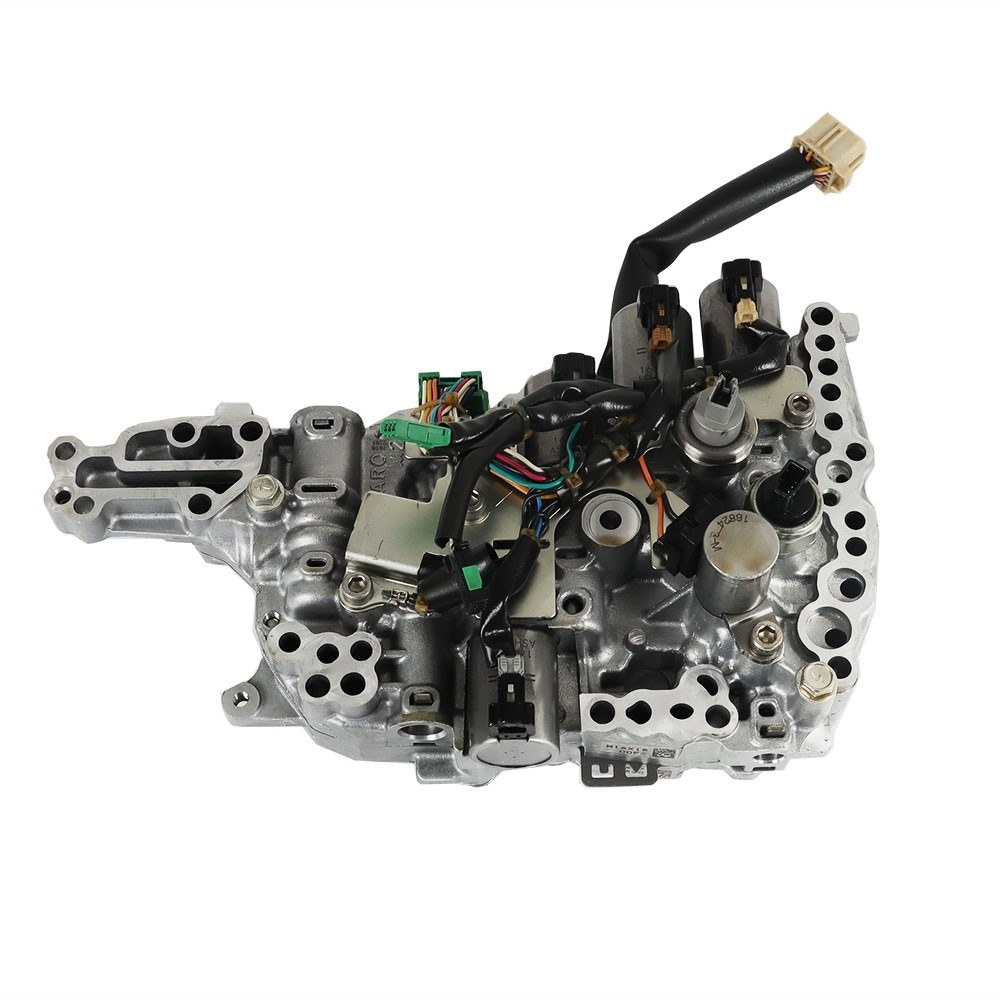
The JF016E is the four-cylinder member of Jatco's JF016E/JF017E family. Its valve body carries the linear solenoids that set line, primary and secondary pulley pressure, the select solenoid for forward and reverse engagement, the lockup (TCC) solenoid, and pressure sensors that tell the TCM what the pulleys are actually seeing. The internal harness - Nissan's service literature calls it the terminal connector harness - runs from the case connector to each of those components. It also holds the transmission fluid temperature sensor, which the TCM uses for line pressure, lockup and fluid-life calculations. A break or high-resistance terminal anywhere in this harness looks to the computer like a failed solenoid or sensor.
Symptoms of a failing JF016E internal harness
- Solenoid or pressure sensor circuit codes that clear and return, often after the unit is fully warm
- Fluid temperature sensor circuit codes (the P0710 to P0714 group) or a temperature reading that is clearly wrong
- Sudden fail-safe with reduced power, then normal driving after a key cycle
- Harsh or delayed engagement into Drive or Reverse when the select solenoid circuit drops out
- Fluid wicking out of the case connector, a sign the connector seal or harness has been compromised
Keep in mind the most common JF016E complaints are mechanical: belt and pulley wear causing judder, valve body wear, and overheating. A harness will not fix judder codes such as P17F0 or P17F1. Those are covered by Nissan's own repair flow.
How to confirm the harness before you buy
Read the codes first. Circuit, open or short codes point at wiring; performance or ratio codes point at hydraulics. Next, measure the solenoids through the case connector, then again directly at the solenoids with the pan down. If a solenoid reads correctly at its own terminals but open or high through the connector, the harness is the fault. Our guide on testing a transmission solenoid with a multimeter walks through the meter setup, and Jatco CVT problems and fixes covers which Nissan failures are mechanical so you do not chase a wiring problem that is not there.
Fitment
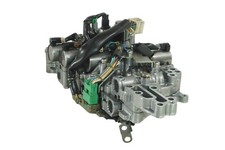
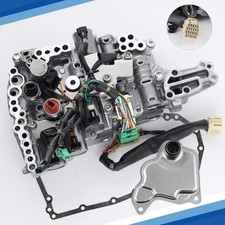
This harness came out of a 2013 JF016E. For the 2013 model year that unit was used in the four-cylinder Nissan Altima; the 2014-2016 Rogue uses the same RE0F10D family, but harness revisions changed during production. The listing this part was sourced under also references the JF017E, so do not assume it fits by name alone. Lay your old harness next to the photos and match the case connector shape, the number and color of solenoid plugs, and the temperature sensor mounting. If you are unsure, send us your year and VIN before ordering. You can see every Jatco part we stock on our CVT parts page.
Install notes
- Drain the fluid and drop the pan. The valve body must be lowered to reach the harness plugs and the temperature sensor clip.
- Nissan marks the valve body mounting bolts with a number 7 on the head. Remove only those bolts.
- Route the new harness exactly as the old one sat. Nissan's bulletin warns that the harness must not be in the way or pinched when the valve body bolts go back in.
- Re-clip the fluid temperature sensor to its bracket so it sits in the fluid where it was designed to read.
- Use only Nissan NS-3 CVT fluid or a true equivalent. Check level at temperature with a scan tool.
If the harness damage came from a hot or worn unit, look at the hydraulics while the pan is off. A JF016E valve body or a JF016E TCC solenoid can be installed in the same job, since the valve body is already out.