Volvo, Ford and Land Rover owners searching for an MPS6 rebuild kit are usually dealing with one of three complaints: a shudder or slip pulling away from a stop, a lurch or bang when the gearbox changes between first, second and reverse at parking speed, or a fluid leak that has already cost the clutches their oil. This master kit is for the first-generation Getrag 6DCT450, the six-speed wet dual-clutch sold as Powershift, and it is listed for the Volvo C30, S40, V50, S60, V70, S80, XC60 and XC90, the Ford Focus, C-Max, Kuga, Mondeo, Galaxy and S-Max, the Land Rover Freelander 2 (LR2) and Evoque, and the 2.0L/2.2L Chrysler Sebring, Dodge Avenger and Journey that carried it. It packs the friction plates, steel plates, bonded clutch pistons, lip seals, sealing rings, O-rings and full gasket set into one order.
What the master rebuild kit does in an MPS6
The MPS6 works like two manual gearboxes sharing one case. One clutch drives reverse, first, third and fifth; the other drives second, fourth and sixth. While you accelerate in first, the computer pre-selects second on the idle shaft, then releases one clutch as it applies the other, so the shift happens without a torque converter in the path. In this unit both clutch packs run in oil, which is what separates it from the dry-clutch DPS6 (6DCT250) in the US Focus and Fiesta. Wet packs tolerate heat far better, but they still glaze with mileage, and the bonded pistons and sealing rings that apply them harden and leak pressure. Because the computer controls clutch slip by pressure alone, a pack that has lost friction or a piston that leaks shows up immediately as shudder and flare. This kit renews both packs and every seal that holds that pressure.
Symptoms that point to an MPS6 overhaul
- Shudder or judder when pulling away gently from a stop or creeping in traffic
- Flaring revs or a slipping feel on the odd-gear or even-gear side only
- A clunk or delayed engagement selecting drive or reverse
- Dark fluid that smells burnt at a service
- Leaks at the case, axle or input seals, often followed by a warning lamp and a limp-home mode
How to confirm it before you buy
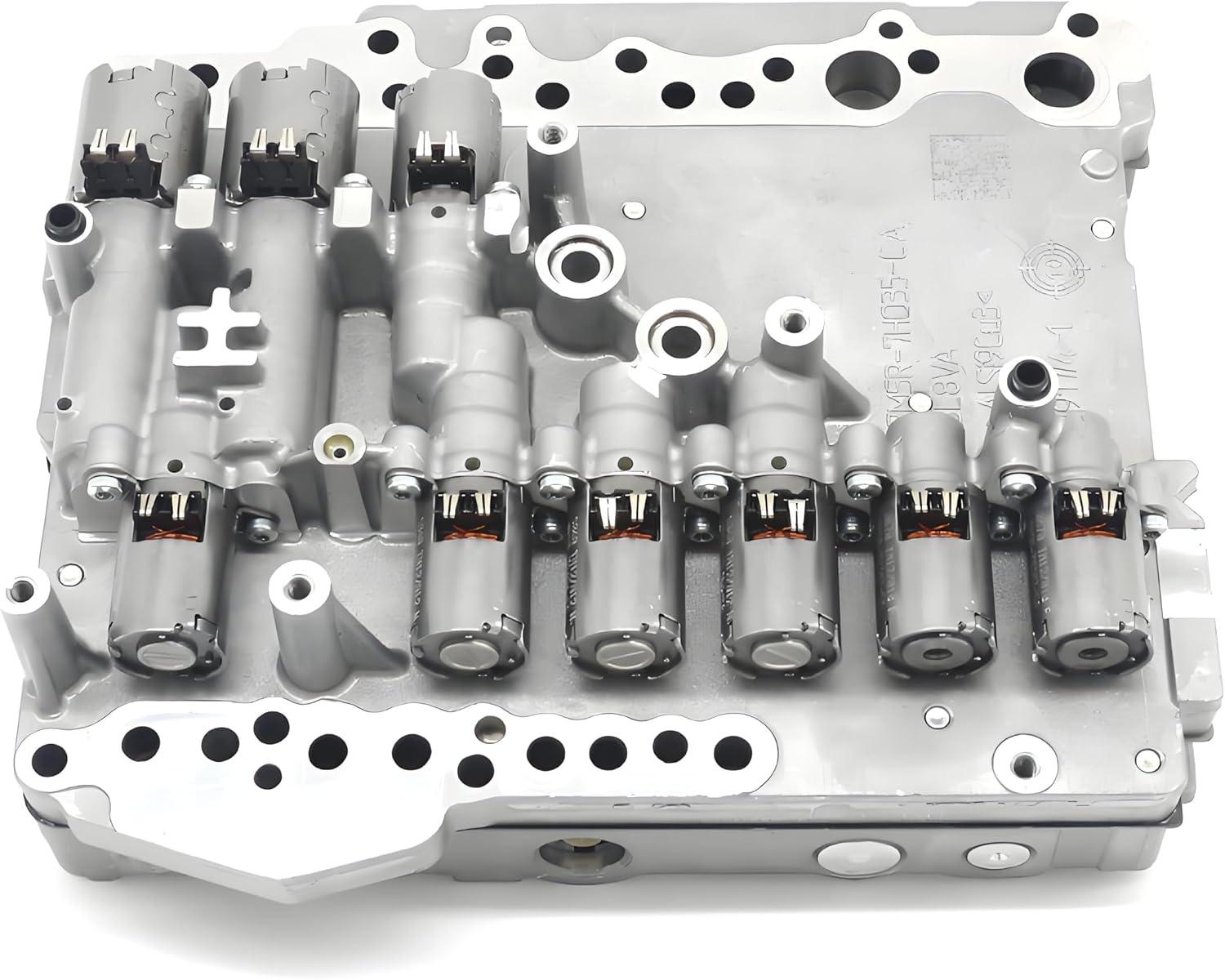
First confirm you have the wet MPS6 and not the dry DPS6; our Ford Powershift DPS6 guide explains the dry-clutch version and its separate problems, and nothing in this kit fits a DPS6. On an MPS6, check fluid level and condition, read stored codes, and watch clutch slip data on a capable scan tool. A slip that appears on only one clutch with clean, full fluid can come from the valve body and solenoids rather than the frictions; in that case one of our MPS6 valve bodies with solenoids is the cheaper fix.
Fitment
The listing covers 2008-2011 applications and cross-references T20900A, 209300A, T20902A, T209080A, T209081A, 209400A-NAKGJ, 7M5R-7G186-AC and 7M5R-6C631-AD. Two cautions. Many of the listed nameplates were also built with conventional torque-converter automatics, so a Sebring, Journey or XC90 is only a candidate if it actually has the dual-clutch MPS6. And Getrag later released a second-generation MPS6 for 2014-on vehicles, which uses its own overhaul parts. Read the transmission tag, or send us your year and VIN before ordering. More overhaul kits are on our rebuild kits page.
Install notes
- Keep each clutch stack in order as it comes apart, inspect the hubs and drums for heat discoloration, and measure clutch clearance before final assembly.
- Install the bonded pistons dry of debris and lubricate every sealing ring with fresh fluid; a cut ring causes the slip you are trying to fix.
- If the valve body has stuck-valve wear, replace it while the unit is out with an MPS6 valve body with shift solenoids.
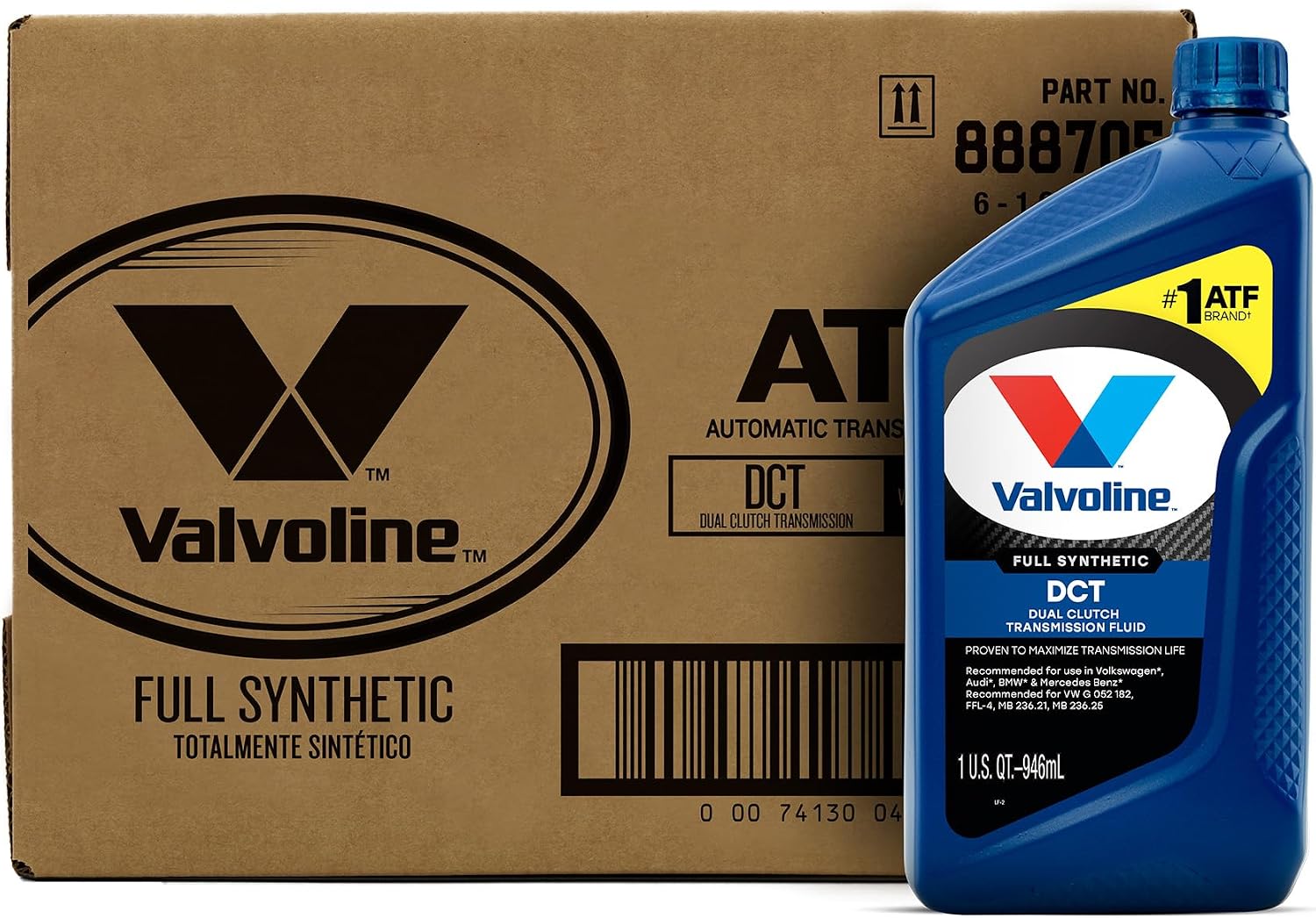
- Refill with the dual-clutch fluid your vehicle's maker specifies for the MPS6, not conventional ATF, and replace the filters.
- Run the clutch adaptation and touch-point relearn with a bidirectional scan tool before road testing; a fresh clutch set on old adapts will shudder.