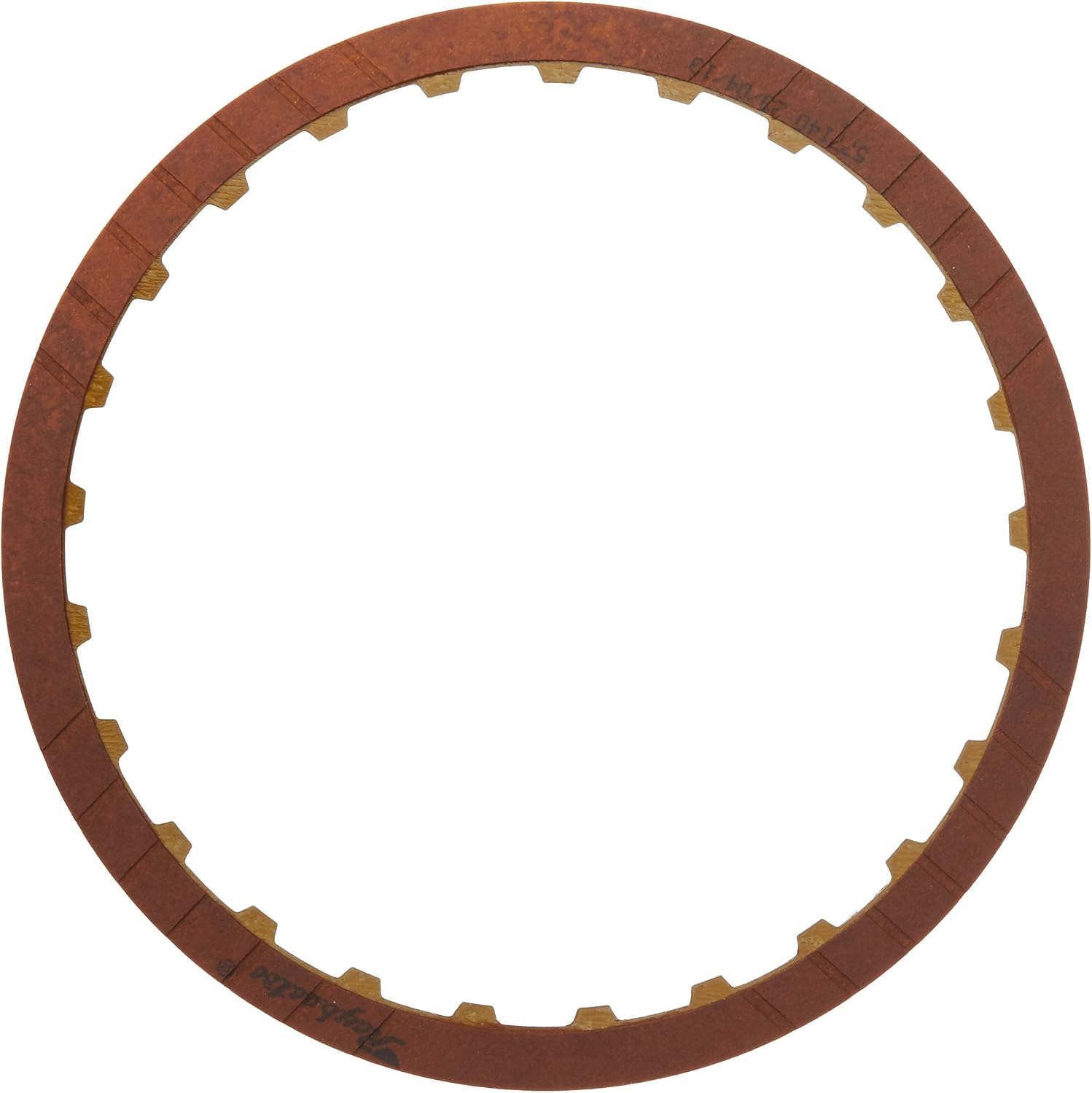
If your Powerglide drag car rolls forward on the transbrake, will not hold at the stall speed you built it for, or came apart with a glazed, burnt reverse pack, this is the part you rebuild that circuit with. It is a set of five TCI 724105 Xtreme Performance HD reverse clutch frictions, each .098 in. thick, cataloged by TCI for the GM Powerglide and the TH350. These are the plates that end up doing the hardest work in a transbrake car, and the stock-style paper that came in an overhaul kit was never meant to hold a built engine at the line.
What the reverse clutch does in a Powerglide
The Powerglide is a two-speed. First gear is held by the low band clamping the drum, and Reverse is made by applying the reverse clutch pack at the back of the case. On the street that pack only works when you back out of the driveway. Add a transbrake valve body and its job changes completely. When you hit the button in low, the brake valve sends line pressure to the reverse piston while the low band is still on, so the unit is trying to go forward and backward at the same time and locks up. You bring the engine up against that lock, let go of the button, reverse exhausts, and the car leaves in low. All of that held torque goes through the reverse frictions, which is why the pack and the friction material matter so much on a race 'Glide.
TCI describes the Xtreme Performance HD friction as a softer, more resilient base paper saturated with phenolic resin and silicate for heat resistance, built for smoother apply and longer life in high horsepower units and easier on the opposing steels. TCI pairs it with its high-static reverse steel plates, sold separately, to stop forward creep on the transbrake.
Symptoms of a worn or overmatched reverse pack
- The car creeps or pushes forward on the transbrake while staged, a quick way to red-light
- Engine RPM flares higher than normal against the brake, then the car moves
- Slow or soft Reverse engagement on the street
- Black, flaking or glazed frictions and blued steels at teardown
- Friction material in the pan after a few passes
The Powerglide and the TH350 are fully hydraulic units with no computer, so there are no trouble codes to read. Diagnosis comes from how the car behaves at the line, line pressure readings and what you find in the pan.
How to confirm the frictions are the problem
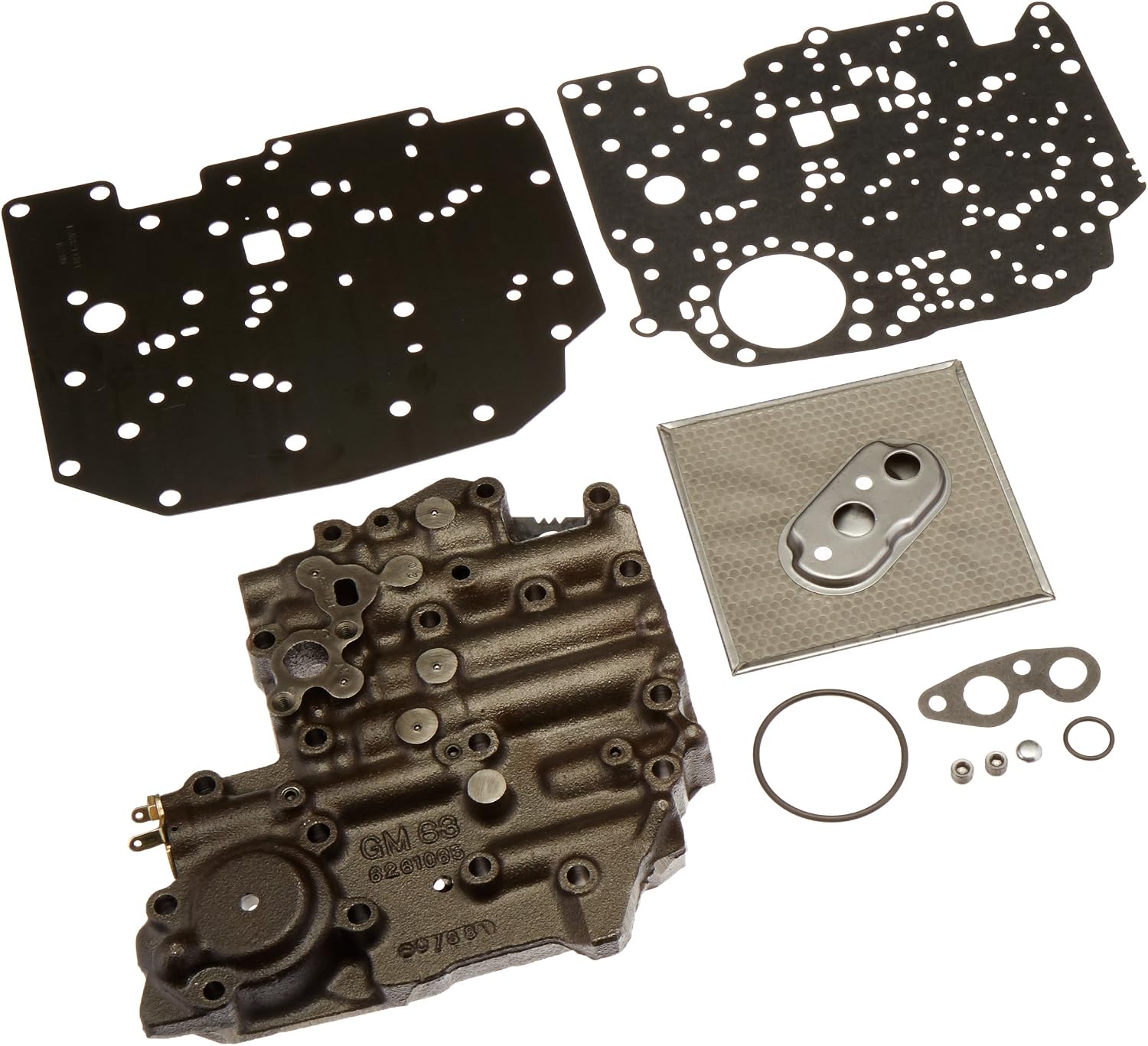
Do not assume the plates are the only cause. BTE lists several reasons a Powerglide moves on the brake: staging at too low an RPM for a stock or weak pump to apply reverse quickly, a weak or failing transbrake solenoid, and a damaged reverse piston or seals that leak off apply pressure. Check the solenoid first, air-check the reverse piston, and look at the pressure readings. If the piston holds air and the solenoid is working, the clutch pack itself is worn, too small for the power, or the wrong material. Low line pressure from worn valve body bores or a tired pump shows up the same way, which our valve body testing guide and delayed engagement guide walk through on the TH350 side.
Fitment
TCI lists part 724105 for the GM Powerglide and the TH350 reverse clutch. Powerglide reverse packs vary a lot between stock cases, aftermarket cases and race builds, so count the frictions in your unit and compare tooth count, outside diameter and thickness against what you remove before you order. If you are building a TH350 low/reverse pack instead, measure the same way. If you are unsure, send us the transmission type and the case or drum you are running and we will check it. For other Turbo 350 parts, see our TH350 parts collection.
Install notes
- Soak the frictions in clean Dexron-type ATF for at least 30 minutes before assembly.
- Stack frictions and steels alternately; pair them with high-static or nitrided steels if you are running a transbrake.
- Measure pack clearance with a feeler gauge and correct it with a selective pressure plate or steel thickness before closing the unit.
- Air-check the reverse piston once the pack is in, and replace the piston seals while you are there.
- Adjust the low band to spec; a loose band lets the car roll backward on the brake.
If the unit is coming apart anyway, a full gasket and seal set such as the ATP SMS-9 master repair kit keeps the rest of a TH350 build fresh, and a reverse pattern full manual valve body is the usual partner for a TH350 race pack. Our TH350 fluid type and capacity guide covers the refill.