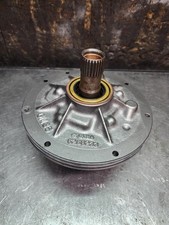
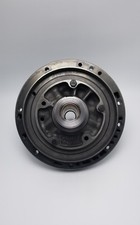
If your Turbo 350 goes into gear slowly once it is warm, slips in every range at the same time, or whines with engine speed while parked, the front pump is the first suspect. This is a non-lockup TH350 pump for 1969-up Chevrolet, GMC, Pontiac, Oldsmobile and Buick applications that has been cleaned, inspected and resealed. It comes with a new converter hub bushing, a new front lip seal, a new outer O-ring and a new pump-to-case gasket, so it can go straight in instead of waiting on a bench rebuild. The stator hub carries six sealing rings and the stator shaft measures 4-1/4 in.
What the pump does in a TH350
The TH350 uses a gear-type pump. The converter hub drives the inner gear through two tangs, the inner gear turns the outer gear around a crescent, and the oil trapped between them becomes line pressure. That one source of pressure applies the forward, direct, intermediate and low-reverse clutches, feeds the converter and supplies lube. The pump is more than gears, though. The body holds the hub bushing, the front seal and the cooler bypass valve, and the cover carries the stator shaft, the intermediate clutch piston and the hub rings that feed the forward and direct clutches. A leak at any of those points shows up as a shift or engagement problem, not just a noise.
Symptoms of a worn TH350 pump
- Slow engagement into Drive and Reverse that gets worse as the fluid heats up
- Slipping in Drive, Low and Reverse together, rather than one gear only
- A whine that rises and falls with engine rpm in Park or Neutral
- A front seal that leaks again soon after it was replaced, a sign the hub bushing has moved
- Soft or no Reverse, since Reverse needs the highest pressure and broken hub rings show up there first
How to confirm the pump is the problem
Check the fluid level and look at the dipstick first. Bubbles point to an air leak on the suction side and a milky color means water, and either one causes low pressure without a bad pump. Pull the pan and look at the filter, because a blocked filter starves a good pump. Then put a gauge on the line pressure tap. Low pressure in every range that drops further as the fluid gets hot is the classic worn pump. Our TH350 pump failure guide has GM's pressure table and the step-by-step test, and TH350 delayed engagement causes covers the problems that look like a pump but are not.
Fitment
This pump fits 1969-up TH350 transmissions that do not have a lockup converter. It is not for the TH350C lockup units used in the early 1980s. Before ordering, check two things on your old pump: count the sealing rings on the stator hub (this one has six) and measure the stator shaft (this one is 4-1/4 in.). If your pump has a different ring count or a shorter stator, or if you are not sure what you have, send us your year, vehicle and VIN and we will confirm it before it ships. Other pumps and rebuild parts are on the TH350 parts page, including a 1969-1979 TH350 pump if you need a second option.
Install notes
- Inspect your converter hub. A rough or grooved hub will cut the new seal and wear the new bushing.
- Lube the case bore, use guide pins and the new gasket, and confirm the input shaft still turns as the pump is pulled in. If it will not turn, the clutch plates are not indexed.
- Torque the pump-to-case bolts alternately to GM's spec (18-1/2 to 20 lb-ft depending on the manual) with new washer-type seals.
- Make sure the converter is fully engaged in the pump drive gear tangs before bolting the transmission to the engine.
- Fill with DEXRON ATF, start the engine and set the level hot.
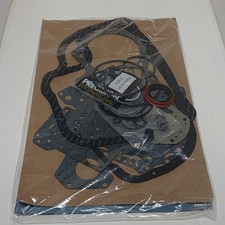
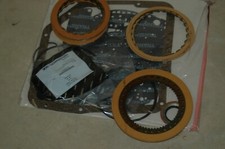
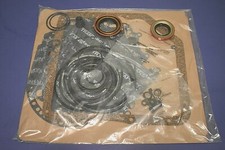
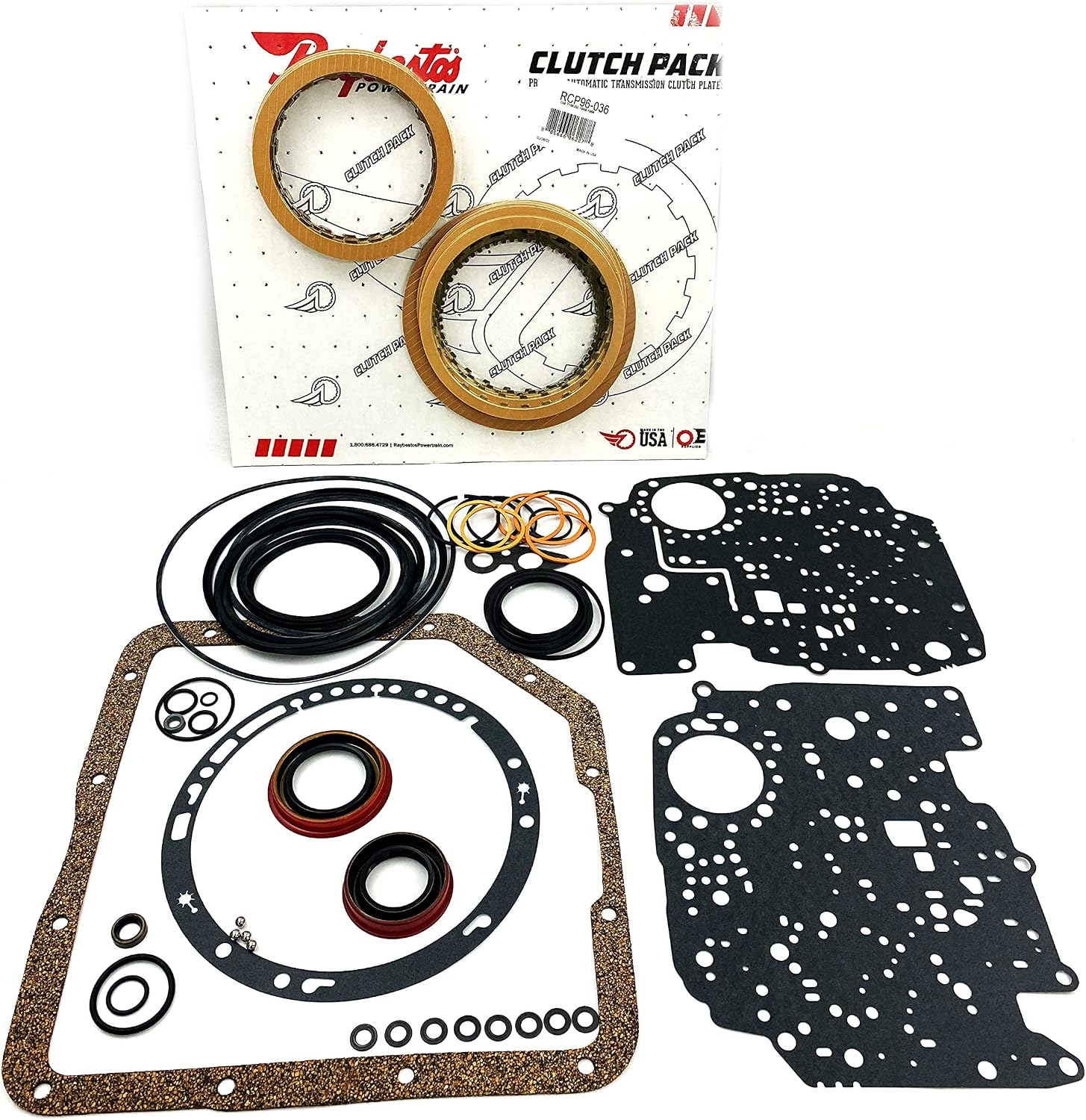
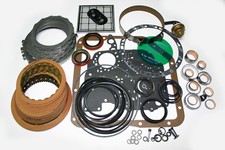
If the transmission is coming apart anyway, the TH350 overhaul kit covers the rest of the gaskets and seals, and the TH350 rebuild kit with Raybestos frictions replaces the clutch packs a weak pump has been slipping.