Rebuilt a Turbo 400 and the forward or direct clutch slips from the first drive? A rolled or nicked piston lip seal is one of the most common reasons, and it happens at the moment the piston is pushed into the drum. The T-0015 tool, the aftermarket equivalent of Kent-Moore J-26744-A, is the small wire loop builders use to coax that lip past the drum edge instead of forcing it. It costs less than redoing a drum, and it works on lip seals and O-rings across most automatics, not just the TH400.
What the lip seal tool does in a TH400
Every apply piston in a Turbo 400 seals with molded lip seals. The GM manual has the forward clutch piston fitted with inner and outer seals whose lips face away from the spring pockets, plus a center seal on the housing with the lip facing up. The direct clutch and the intermediate piston on the center support are built the same way. Those lips have to slide into the drum bore pointing in the right direction, and a sharp edge, a snap ring groove or a dry bore will fold them back.
GM specified sleeve-type protectors for this: J-21362 over the hub and J-21409 in the drum for the forward and direct clutches, and J-21363 on the center support hub. The T-0015 loop is the finishing tool. With the piston started, you slip the thin steel wire down between the lip and the bore and run it around the circumference so the lip tucks in instead of rolling over. It also lifts an old seal out of its groove without scratching the groove. The set has two tools, a fine 0.016 in wire and a heavier 0.035 in wire, on anodized aluminum handles.
Symptoms of a damaged piston lip seal
- No drive or a long delay into Drive after a rebuild, which points at the forward clutch circuit.
- Slipping or flare on the 2-3 shift, a sign the direct clutch is losing apply pressure.
- A slipping 2nd gear with an intermediate piston that was installed without a protector.
- Burnt clutch packs only a few hundred miles after an overhaul.
How to confirm the seal is the problem
A cut lip seal shows up as low or unsteady apply pressure in one range only. Our TH400 delayed engagement guide walks through separating a seal leak from a pump or valve body cause, and the TH400 common problems guide covers the line pressure checks. If the unit is out of the car, air-check each clutch before you close the case: a healthy piston applies with a solid thump and holds.
Fitment
This is a hand tool, not a vehicle part, so it fits any Turbo 400 from 1964 on, including GM truck, motorhome, Cadillac, Buick and Olds applications, and the lip seals in TH350, 700R4 and other automatics. It replaces Atec T-0015 and Kent-Moore J-26744-A. Choose the 0.016 in loop for tight bores and small inner seals, and the 0.035 in loop for larger outer seals. See the full TH400 parts collection for the seals and frictions it goes in with.
Use notes
- Check lip direction before anything else; the tool will not fix a seal that is facing the wrong way.
- Lube the seals and bore with ATF or assembly lube so the lip slides instead of grabbing.
- Start the piston square, then run the loop around the full circle with light pressure. Do not pry against the seal edge.
- Wipe the wire clean between drums so grit is not dragged across a fresh lip.
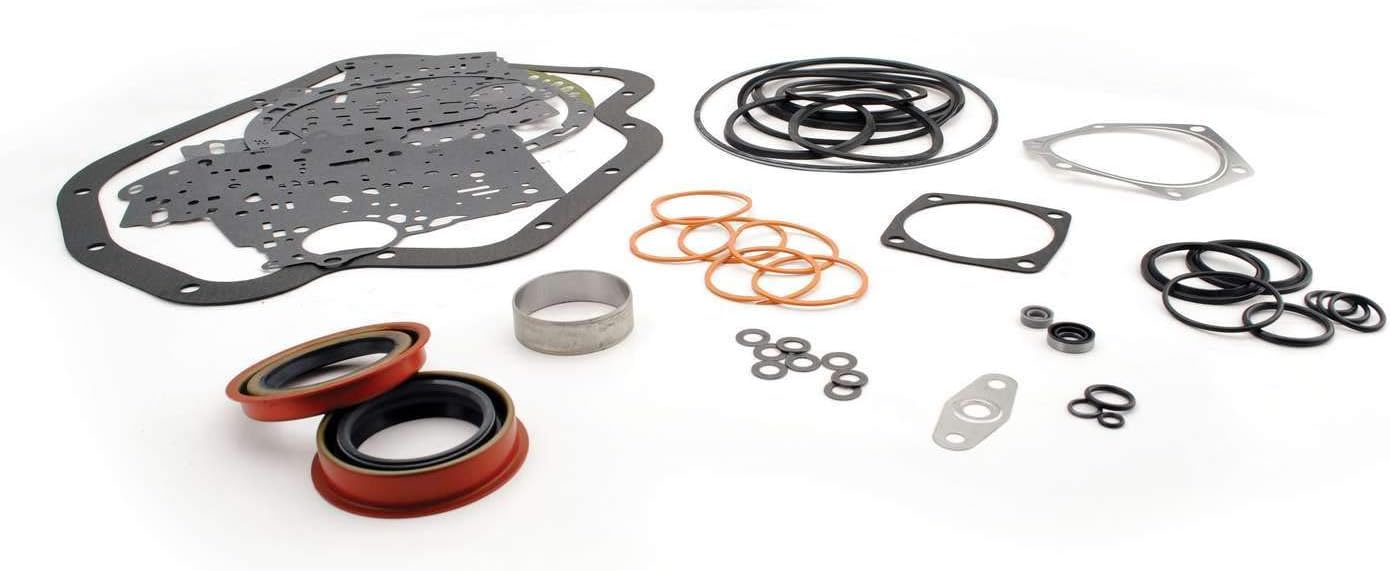
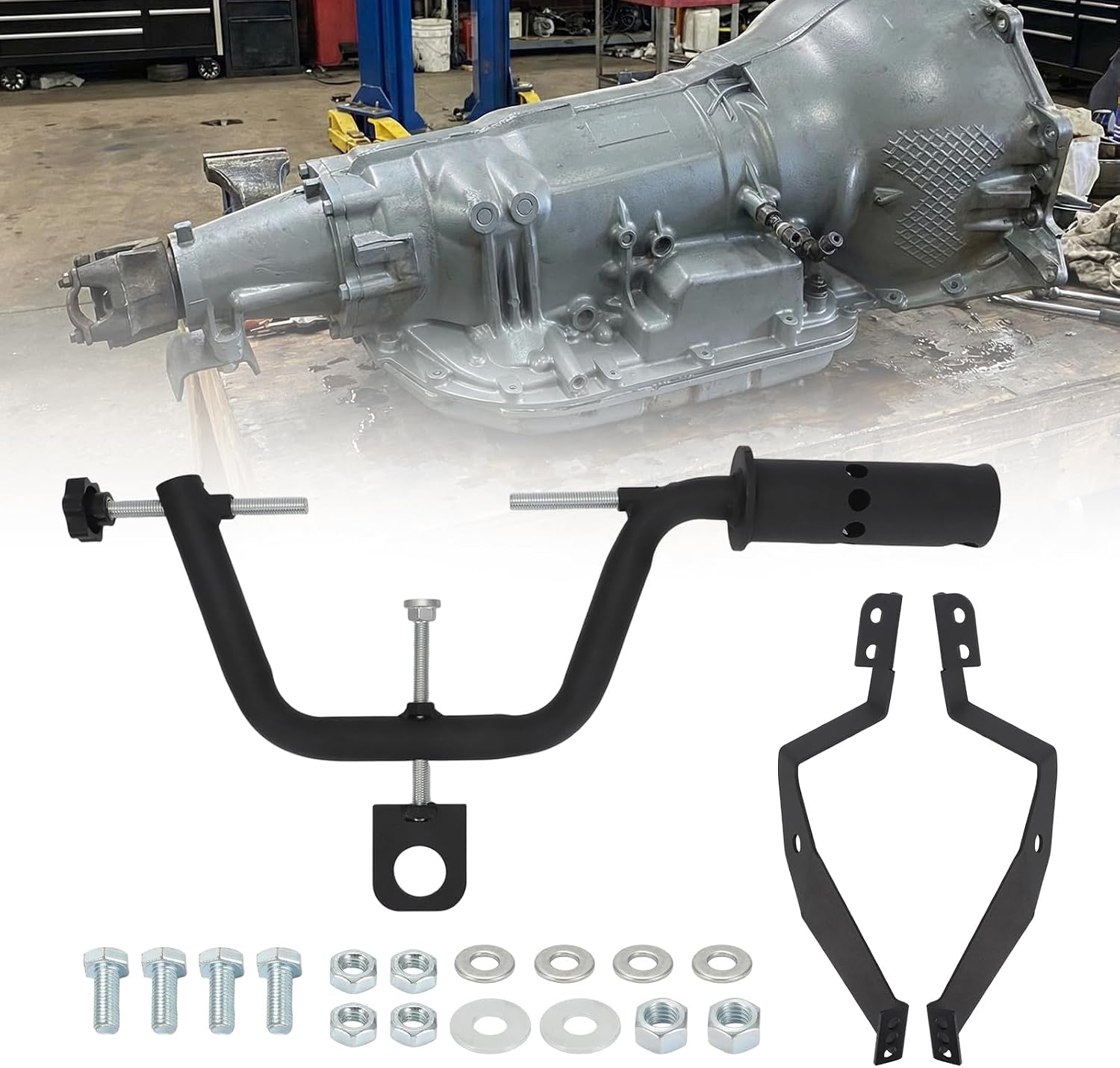
Pair it with the seals in a TCI 228600 racing overhaul kit or the TH400 overhaul kit 1965-98, and hold the case on the TH400 holding fixture while you work.