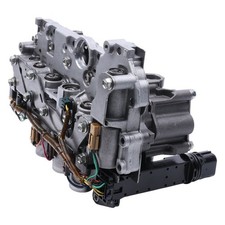
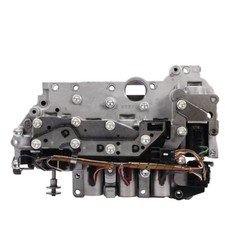
If your 2009-2011 Toyota Camry, RAV4, Highlander, Sienna or Lexus ES/RX is shifting harsh into gear, flaring on the 2-3 shift, hunting between gears, or throwing a shift solenoid or line pressure code, the U760E valve body is the first place to look before you start replacing solenoids one at a time. This listing is a new valve body built for the 2009-2011 production window of the U760E, the six-speed front-wheel-drive transaxle Toyota and Lexus paired with the U660E in this platform.
What the Valve Body Does in a U760E
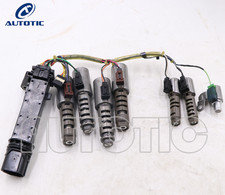
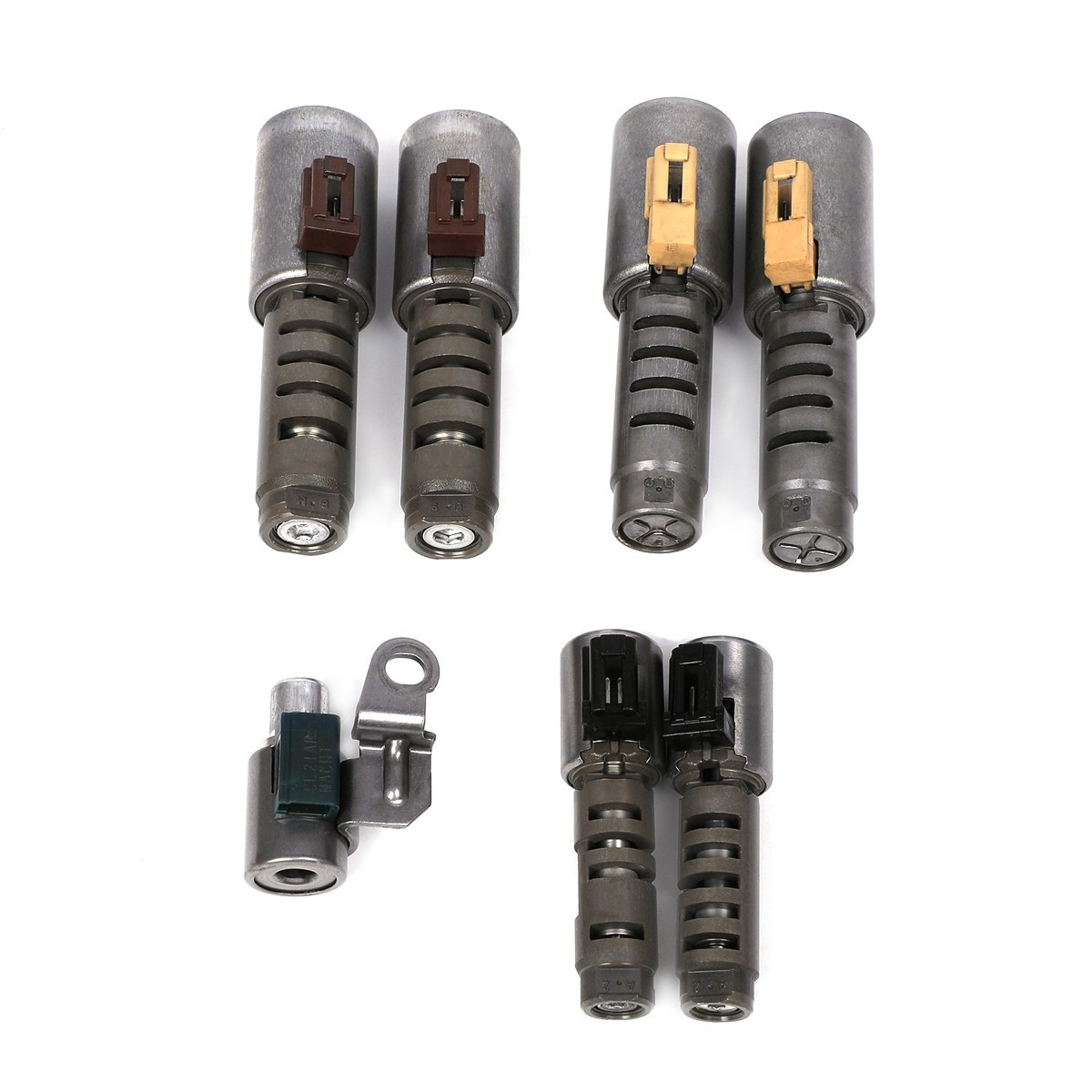
The valve body is the hydraulic control center of the transmission. Line pressure from the pump arrives at the valve body, and a set of precision bores and spool valves routes that pressure to the correct clutch pack or band for the gear the computer has selected. On the U760E, the shift and pressure control solenoids that time every shift are bolted to the valve body itself, so wear in the bores or a tired solenoid both show up as the same kind of shift complaint. Over roughly 100,000-150,000 miles, the bores that the spool valves ride in wear oversize, line pressure leaks past the clearance, and the computer can no longer apply each clutch at the pressure and timing it is commanding.
Symptoms of a Worn U760E Valve Body
- Harsh, late or flared shifts, especially noticeable on the 2-3 and 3-4 upshift
- Slipping between gears or a delay before the transmission engages Drive or Reverse
- Torque converter clutch slip, shudder or a flare when the converter locks up at cruise
- The transmission falling into limp mode (stuck in one gear) with a shift solenoid, pressure control solenoid or gear ratio code stored
How to Confirm It Is the Valve Body
Fluid condition and level matter more on this transaxle than most, because Toyota WS fluid is thinner than older ATF and a low or burnt fill can mimic valve body wear on its own. Before you buy, check the fluid level and condition at the correct hot-temperature window, pull codes, and road test for the specific shift that is wrong. Our U660E/U760E service guide walks through isolating a lockup shudder from a solenoid-pattern code, and our fluid type and capacity guide covers the level-check procedure Toyota specifies for this family so you are not chasing a fluid problem with a parts cannon.
Fitment
This valve body is built for the U760E as installed in 2009-2011 model year Camry, RAV4, Highlander, Sienna and the related Lexus ES and RX applications. The U760E went through several running changes across its production life, and the valve body, solenoid pack and connector style are not interchangeable between every year. Match your casting number and connector style against the old unit before you install, or send us your year, model and VIN and we will confirm fit. You can see the rest of what we stock for this transaxle family on the U660E/U760E parts page.
Install Notes
Change the fluid and filter at the same time you install the valve body; debris already circulating from the worn unit is the fastest way to damage a new one. We recommend pairing this with a fresh filter and pan gasket kit, and if the TCC solenoid tests out of spec, replacing it at the same time with a U660E/U760E TCC solenoid rather than reusing a borderline part. Torque the valve body bolts in the sequence called out in the service manual, refill with genuine Toyota WS fluid, set the level at the specified hot temperature, clear codes and run the adaptive relearn before you judge the shift quality. If you are already this far into the pan, a worn sprag clutch is a common companion failure worth inspecting on a higher-mileage unit.