"It slips" is the most common thing a 4L60E owner says and the least useful thing a builder can write on a repair order. A 4L60E has a forward clutch, a 3-4 clutch, a 2-4 band, a reverse input clutch, a low/reverse clutch, two one-way clutches, and a converter clutch. Every one of them can let the engine flare, and each one points to a different circuit and a different bill. The builders who fix these units the first time are the ones who figure out which element is slipping and why it lost apply pressure before they buy a single part.
The short version: Match the slip to the gear first. Slip in 3rd and 4th is almost always the 3-4 clutch; a flare into or out of 2nd or slip in overdrive points at the 2-4 band and servo; slip on takeoff points at the forward clutch or low line pressure. Then check the fluid hot with DEXRON-VI (a pan-and-filter service takes about 5.0 qt per GM), read the scan data, and put a gauge on line pressure. Per Sonnax, low line pressure and leaks of 3rd gear oil are the root cause of most 3-4 slipping, so fresh clutches alone will burn up again if you do not find the leak.
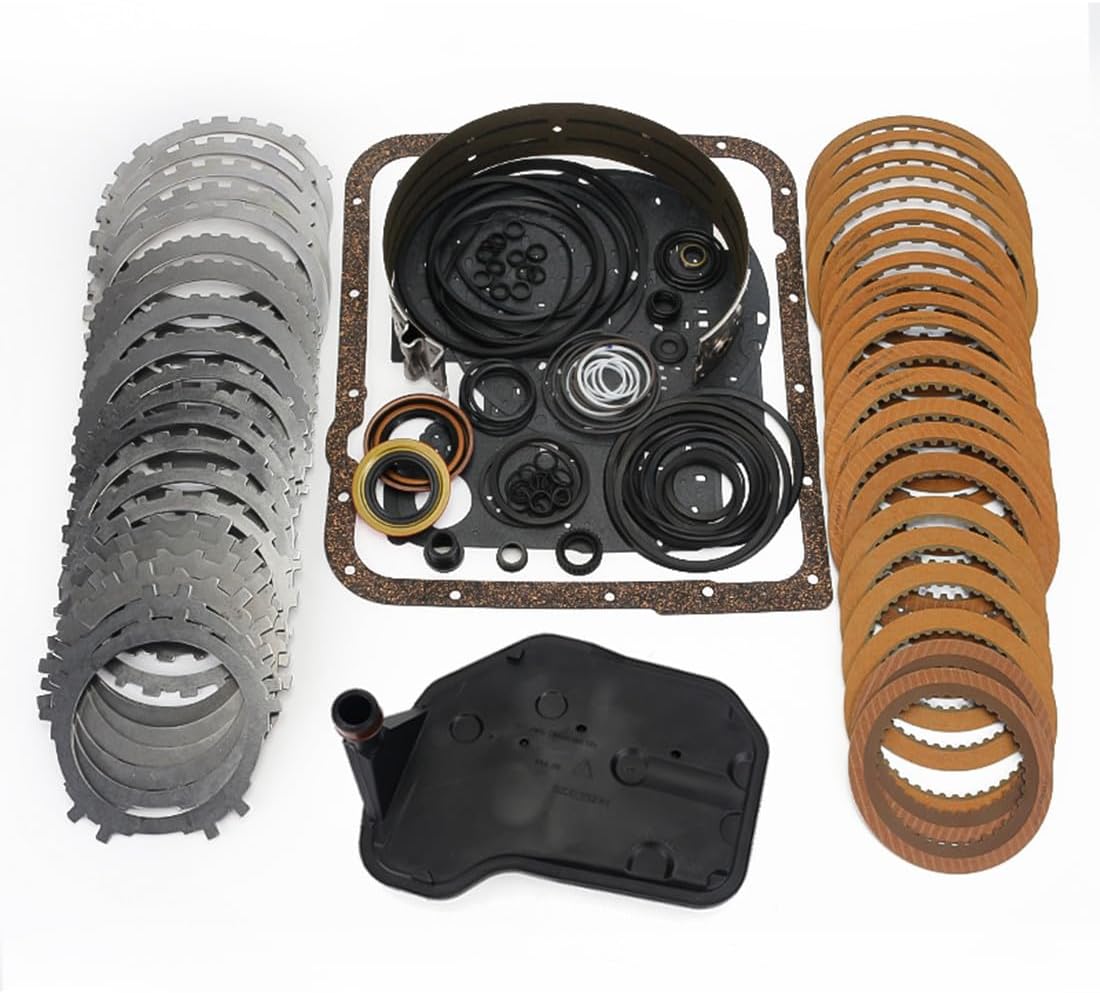

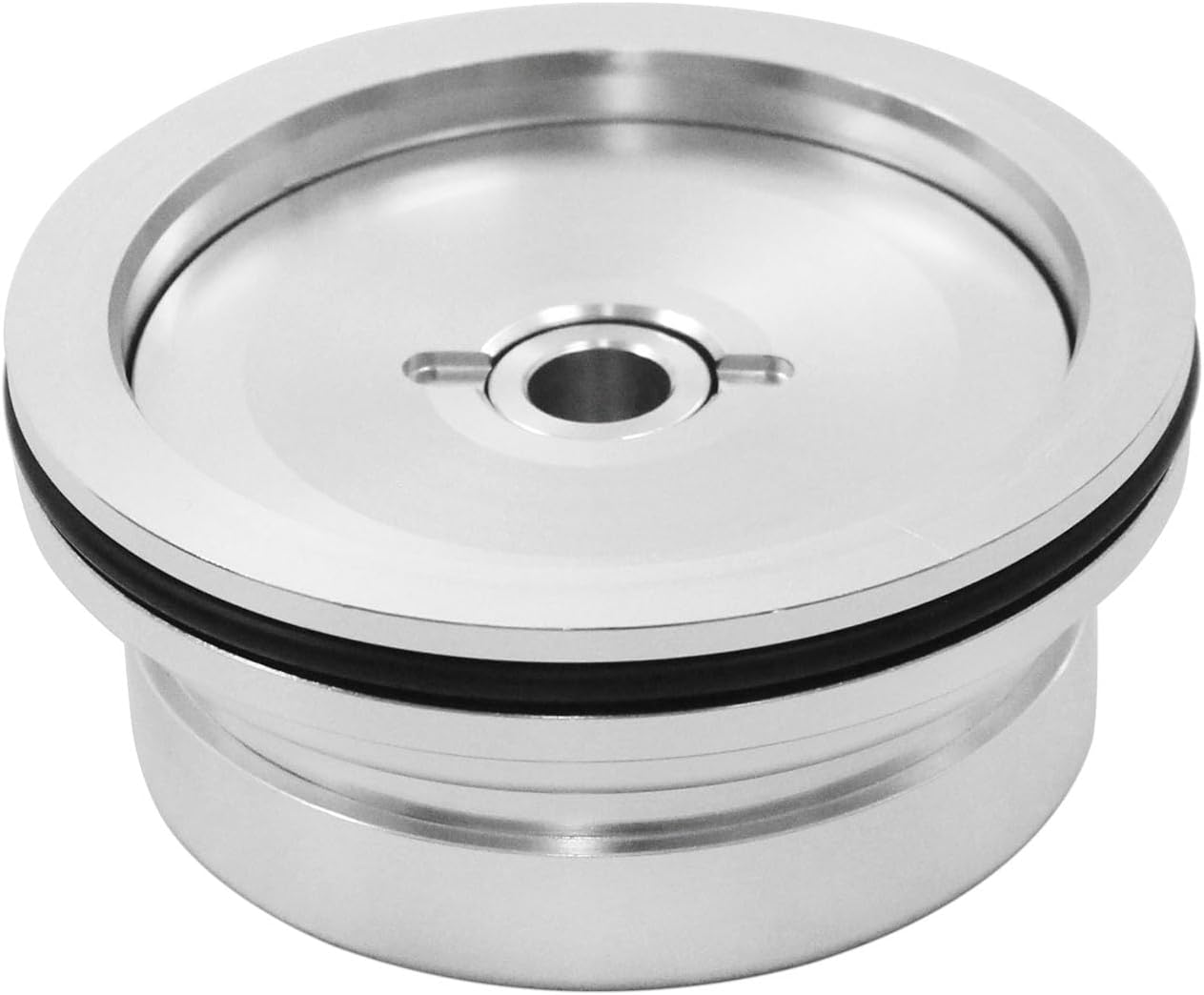
Match the Slip to the Gear
The 4L60E is a simple four-speed on paper, and that makes the apply chart your best diagnostic tool. Each range holds a specific combination of elements. If the slip only shows up in certain gears, you can cross off anything that is applied in the gears that feel fine.
| Symptom | Elements holding in that range | First suspects |
|---|---|---|
| Slips or flares pulling away in Drive, fine in Reverse | Forward clutch, forward sprag, low roller clutch | Forward clutch leak, low line pressure, forward sprag |
| Flare on the 1-2 shift or slip in 2nd | Forward clutch, forward sprag, 2-4 band | 2-4 servo seals, servo pin bore leak, glazed band |
| Flare on the 2-3 shift, slip in 3rd and 4th | Forward clutch and 3-4 clutch (3rd); 3-4 clutch and 2-4 band (4th) | 3-4 clutch pack and its feed circuit |
| Slips only in 4th | 3-4 clutch, 2-4 band | 2-4 band apply in overdrive, servo |
| Slips in Reverse only | Reverse input clutch, low/reverse clutch | Reverse input drum, low/reverse piston, pressure regulator and boost valve wear |
| RPM creeps at steady cruise, worse hot | Converter clutch | TCC circuit (see our P0894 guide) |
Step 1: Check the Fluid the Way GM Wrote It
A low unit aerates fluid at the pickup, drops line pressure, and slips every clutch in it. Check it the way GM wrote it.
- Fluid: GM's owner information for 4L60-E trucks specifies DEXRON-VI automatic transmission fluid, and warns that the wrong ATF can damage the transmission.
- Temperature: GM calls for the level to be read at normal operating temperature, 180-200°F (82-93°C). A cold reading is only a reference.
- Procedure: Level ground, engine idling, parking brake set, move the lever through every range pausing about three seconds in each, back to Park, idle three minutes, then read the lower level on both sides of the dipstick. Read it twice.
- Top-off amount: GM notes it generally takes less than a pint to bring a low unit up to the HOT area. Do not overfill.
- Pan and filter service: GM lists approximately 4.7 L (5.0 qt) for a 4L60-E pan removal and filter replacement.
Clean red fluid with a slip points to a hydraulic or electrical cause. Dark, burnt fluid with friction material in the pan means a clutch or band has already cooked.
Step 2: Read the Scan Data Before You Pull a Bolt
Road test with a scan tool and watch commanded gear, transmission fluid temperature, input (turbine) speed, output speed, and TCC slip speed. If input speed flares while the commanded gear holds steady, you have captured the slip and the range it lives in.
Two things to look for before blaming hard parts:
- Engine codes. Sonnax points out that TP, MAP, and MAF faults all affect how the PCM commands line pressure. A bad MAF signal can make a healthy transmission feel soft. Fix engine codes first.
- Input speed sensor codes with a slip. GM Preliminary Information PIP5031 covers 2012 Colorado, Canyon, Express, Savana, Silverado, and Sierra 4L60E trucks that slip or miss shifts in 3rd and 4th. Teardown found the turbine shaft had moved in the input housing, which lets 3-4 clutch pressure leak away. The input speed sensor teeth can move far enough to drop the signal and set P0716 and P0717. If you see those codes with a 3-4 slip, suspect the input housing, not just the sensor. More on that in our 4L60E P0716 guide.
On a 1996 truck, Sonnax also flags the ground wire update in GM bulletin 00-07-30-026.
Step 3: Put a Gauge on Line Pressure
Every clutch and band gets apply pressure from the same regulated line, so low line pressure under-clamps all of them and the weakest (usually the 3-4 pack) slips first. Screw a gauge into the line pressure port and check it at idle and under load in Drive and Reverse, then compare to the published spec for that calibration. Pressure should rise as throttle and load increase.
If it does not rise, or reads low under boost, the pump and the valve body are where to look:
Worn pressure regulator valve bore
Sonnax describes two ways a worn 4L60-E pressure regulator valve shows itself: a dyno test that reads 50-100 psi less than specified in Reverse under boost, or road symptoms of clutch slippage, reverse chatter, and 3-4 clutch failure. The fix is reaming the pump bore and fitting an oversized valve (Sonnax 77917-07 for 4L60-E, 4L65-E, and 4L70-E pumps).
Worn boost valve and sleeve
Per Sonnax, the duty cycle of the EPC solenoid wears the boost sleeve quickly. Torque signal oil leaks past the boost valve and exhausts at the Reverse orifice, so line rise suffers, and the documented result is 3-4 clutch failure, 2-4 band failure, or poor shift quality. Sonnax recommends checking the boost valve any time the pressure regulator valve is serviced, and verifying the OE sleeve length before choosing a replacement kit, because GM changed pump designs over the years.
Clogged AFL screens and a sticking pump slide
Actuator feed limit oil passes through a screen on its way to the EPC solenoid. Sonnax notes this screen commonly fills with debris and starves the EPC circuit, which drops line pressure. Replace it along with the other two AFL screens on the separator plate. On the bench, assemble the clean, dry pump halves with only the slide inside and shake it: you should hear the slide move. A binding slide is a known cause of otherwise unexplained low line pressure.
Our 4L60E line pressure testing guide walks through the gauge hookup and test conditions.
Why the 3-4 Clutch Slips (and Keeps Slipping)
Sonnax's own summary is blunt: low line pressure and leaks of 3rd gear oil cause most 3-4 slipping. The 3-4 circuit is long and interconnected with the D4, forward clutch, 2nd, 2nd clutch, and 3rd accumulator circuits. A small leak at several junctions adds up to enough lost pressure to let the pack slip. That is why a builder who finds one obvious leak, like a cracked apply piston, and stops looking often gets the truck back.
These are the leak and wear points I check on every 3-4 burnup, drawn from the Sonnax 3-4 checklist:
- The #7 checkball in the 3rd accumulator assembly. This hidden ball sits in the servo area. A leak there reduces 3-4 clutch apply pressure directly. Sonnax says to vacuum test it or drip solvent into the assembly and watch for leakage inside the case, and to test new capsules too, because they can leak out of the box. Do not replace it with a cup plug: the ball also vents the circuit, and plugging it causes soft 2-3 shifts and 3-2 flares.
- Input housing to input shaft. Air check the hot, clean housing with the shaft feed hole blocked and look for bubbles around the splines. A galled bore means a new housing. PIP5031 is the factory version of this failure: if the 3-4 clutch feed hole is visible because the shaft has walked, GM's recommendation is a new input housing.
- Input housing checkball. Sonnax's threshold is 25 in-Hg on a vacuum test. Anything less is a leak. A ball packed with debris can also cause drag and burning because oil cannot exhaust when the clutch releases.
- Backing plate flex. The OE 3-4 backing plate flexes on apply and heats the pack unevenly. A heavy-duty plate stops the flex.
- Load release springs. Always install new ones. The OE return spring is light, and these keep the apply plate from floating and the clutches from dragging and glazing.
- Input shaft sealing rings and stator bushings. Size Teflon rings with the proper tool, never cut them, and replace both stator support bushings so the shaft stays steady enough for the rings to seal.
- Valve body bores. The AFL, TCC regulator, isolator, 2-3 and 3-4 shift valves all sit in the 3-4 apply path. Never block the TCC regulator or isolator valve; Sonnax says to recondition the bore, because blocking exposes more line and 3-4 oil to exhaust.
Sonnax Oversized Pressure Regulator Valve 77917-07 for 4L60E
If your gauge shows weak line rise or low Reverse pressure under boost, this is the pump-side repair Sonnax designed for 4L60-E, 4L65-E, and 4L70-E pump bodies. Restoring line pressure first protects the new 3-4 pack you are about to install.
Shop the 77917-07 valve →Need a different part? Browse the full 4L60E parts collection.
2-4 Band and Servo Slip
The 2-4 band holds in 2nd and 4th. Slip or flare there, or a band that is glazed and black on teardown, usually traces back to the servo. The 2-4 servo also acts as the 3rd accumulator, so the same #7 checkball leak that burns 3-4 clutches does double damage. Sonnax notes that a leak there reduces band release pressure, letting the band drag when it should be released.
On the servo itself, Sonnax recommends vacuum testing the servo for leakage, testing piston-pin-to-bore and servo-pin-to-bore leakage, using D-rings instead of Teflon seals, and installing an aftermarket pin with an O-ring at the 2nd piston interface. Cross leaks here cost apply pressure in 2nd and 4th, and a firmer servo does not fix a leaking one. Our 2-4 band and Corvette servo guide covers servo selection.
Slip on Takeoff: Forward Clutch
A 4L60E that flares pulling away in Drive but backs up fine has lost forward clutch holding or line pressure. Air check the loaded input drum, look for a missing or leaking O-ring between the input housing and forward clutch housing, and air test the forward and 3-4 passages in the pump, which Sonnax says can develop hairline cracks. If the unit will not pull at all in Drive and Overdrive but works in manual Low, look at the forward sprag. Our forward clutch and sprag guide goes deeper.
Preventing a Repeat
Keep the level right, service the fluid and filter on schedule, add cooling if the truck tows, and when a unit is rebuilt, insist the pump, servo, checkballs, and valve body were tested rather than just cleaned. A new friction kit on top of an old leak is the most common reason a rebuilt 4L60E slips again within a year.
FAQ
Can low fluid make a 4L60E slip?
Yes. Low fluid lets the pump pull air, which drops line pressure and lets every clutch and band slip, usually worst in turns and on hills. GM specifies checking DEXRON-VI at 180-200°F and notes a low unit generally needs less than a pint to reach the HOT mark. If the slip goes away after correcting the level, find the leak before it happens again.
Why does my 4L60E slip in 3rd and 4th but not 1st and 2nd?
The 3-4 clutch is applied in both 3rd and 4th and is not used in 1st or 2nd, so slip limited to those two gears points straight at it. Sonnax identifies low line pressure and leaks of 3rd gear oil as the root cause of most 3-4 slipping. On 2012 GM trucks, GM PIP5031 also documents the turbine shaft moving in the input housing and bleeding off 3-4 pressure.
Will a fluid change fix a slipping 4L60E?
Only if low or degraded fluid caused the slip and the clutches are not damaged yet. If the fluid is dark and burnt with friction material in the pan, a pan and filter service (about 5.0 qt per GM) will not restore a glazed pack.
Why does a rebuilt 4L60E slip again?
Usually because the rebuild replaced the frictions without fixing what starved them of pressure. Common misses per Sonnax are a leaking 3rd accumulator checkball, a worn pressure regulator or boost valve, clogged AFL screens, and worn valve body bores.
Keep the numbers at the bench. Our free transmission fluid spec chart lists the correct ATF type for the 4L60E and dozens of other units, so you never top off with the wrong fluid.
Sources
- Sonnax — All Over the Map: Attacking 4L60/E Burnt 3-4 Clutches with Confidence. Backs: low line pressure and 3rd gear oil leaks as the root cause of most 3-4 slipping, the 25 in-Hg checkball threshold, backing plate flex, AFL screens, pump slide check, servo and valve body leak points, engine code effects, and GM bulletin 00-07-30-026. sonnax.com/tech_resources/659
- Sonnax — Guard Against 4L60/E Band & 3-4 Clutch Failure: Test the 3rd Accumulator Checkball Assembly for Leakage. Backs: #7 checkball leakage reducing 3-4 apply pressure and band release pressure, and the vacuum and solvent test methods. sonnax.com/tech_resources/323
- Sonnax — Oversized Pressure Regulator Valve 77917-07. Backs: worn pressure regulator valve symptoms, including 50-100 psi low in Reverse under boost, clutch slippage, and 3-4 failure. sonnax.com/parts/2493
- Sonnax — Boost Valve Kit 77898E-K. Backs: EPC duty cycle wearing the boost sleeve, poor line rise, and the resulting 3-4 clutch and 2-4 band failures. sonnax.com/parts/2484
- General Motors Preliminary Information PIP5031 (via NHTSA). Backs: 2012 4L60E slip in 3rd or 4th from the turbine shaft moving in the input housing, P0716/P0717, and the new input housing recommendation. static.nhtsa.gov/odi/tsbs/2012/SB-10045063-2502.pdf
- General Motors — 2012 Chevrolet Silverado Owner Manual. Backs: DEXRON-VI fluid, the 180-200°F hot check procedure, the less-than-a-pint top-off note, and the 4.7 L (5.0 qt) 4L60-E pan and filter capacity. GM Owner Center: 2012 Silverado owner manual (PDF)