You pull out of the driveway, the truck takes off in a tall gear with a hard bang, it never upshifts and never downshifts, and the check-engine light is on. Drop it in reverse and reverse works fine. That combination — one forward gear, harsh engagement, no shifting, but reverse still there — is the classic 4L60E in electrical failsafe, also called limp-home mode. The transmission has stopped trusting its own shift controls and parked itself in a single, safe ratio so you can get off the road.
On the 4L60E that safe ratio is 2nd gear. This is the six-speed's four-speed cousin behind millions of GM trucks and rear-drive cars — Silverado and Sierra 1500, Tahoe, Yukon, Suburban, Escalade, Astro/Safari vans, S-10, Camaro, and the Corvette. When it goes into failsafe, the fix is almost never a rebuild. It is an electrical hunt, and doing that hunt in the right order is the difference between a $60 part and a needless teardown.
The short version: A 4L60E in failsafe defaults to 2nd gear (with reverse and park still working) so the vehicle can limp home. The cause is electrical, not mechanical: a lost or shorted shift-solenoid signal, a chafed internal harness, the case pass-through connector, a blown fuse or lost power/ground, or a failing PCM/TCM. Pull the codes first, confirm power and ground at the solenoids, and inspect the connector before you condemn anything. A worn shift-valve bore in the valve body can also throw a solenoid "performance" code with a brand-new solenoid installed, so verify the electrical circuit before you spend money on the wrong part.
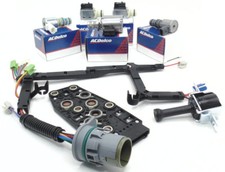
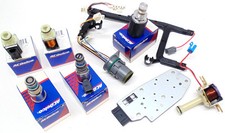
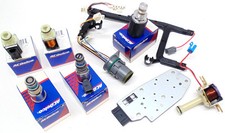
How the 4L60E Decides Which Gear It Is In
The 4L60E is an electronically controlled transmission. The PCM (or TCM on later applications) runs the shifts using two on/off shift solenoids: Shift Solenoid A, which controls the 1-2 shift, and Shift Solenoid B, which controls the 2-3 shift. There is no governor and no throttle-valve cable metering the shift points the way there was on the older 700-R4. The computer energizes and de-energizes those two solenoids in a fixed pattern, and the combination of their states selects the gear [1].
The pattern looks like this. Once you know it, the failsafe behavior stops being mysterious:
| Gear | Shift Solenoid A (1-2) | Shift Solenoid B (2-3) |
|---|---|---|
| 1st | ON | ON |
| 2nd | OFF | ON |
| 3rd | OFF | OFF |
| 4th (overdrive) | ON | OFF |
Two other electrical devices ride in the same circuit but do not select gears: the TCC (torque converter clutch) solenoid, which locks the converter, and the 3-2 downshift solenoid, which shapes the 3-2 coastdown. When people say "the solenoids," they usually mean the two shift solenoids that set the gear. Everything else in the box — the clutches, bands, and the reverse apply — is applied hydraulically once the valve body routes pressure to it.
Why Failsafe Lands You in 2nd (and Why Reverse Still Works)
When the computer detects an electrical fault in the shift-control circuit — an open, a short, a signal that does not match what it commanded — it stops trying to shift and drops into failsafe. Rather than let a confused solenoid slam the transmission between gears at speed, it commands a single default state and holds it. On the 4L60E that default leaves you driving in 2nd gear: a middle ratio that will move a loaded truck from a stop without launching too hard or overspeeding the engine on the highway. It is deliberately a compromise gear, which is exactly why a truck in failsafe feels gutless off the line and buzzy at speed at the same time [2].
Reverse still works because reverse is applied hydraulically through the manual valve, not by the shift solenoids. When you move the shifter to R, the manual valve mechanically routes pressure to the reverse-apply components regardless of what the electronics are doing. That is the tell that separates an electrical failsafe from a mechanical failure: if the transmission were physically broken — a burnt clutch, a stripped sun shell, low pump pressure — you would typically lose reverse or feel it slip too. A clean, firm reverse with no forward shifting points squarely at the electrical side.
Don't confuse two different "stuck" conditions. A computer-commanded failsafe holds the unit in 2nd while the PCM is alive and still powering the circuit. A total loss of solenoid power — a blown fuse, a chewed harness, an unplugged case connector — de-energizes both shift solenoids at once, and with both off the hydraulics default the unit to 3rd. Same "no shifting" complaint, slightly different stuck gear. Which gear it lands in is a clue: 2nd usually means the computer chose failsafe; 3rd often means it simply lost power to the solenoids.
The Codes, and What They Actually Point To
Failsafe almost always sets a stored code, and the code names the circuit that tripped it. Pull them with a scan tool before you touch anything — the exact number tells you which solenoid or circuit to test first:
| Code | Circuit | What it means |
|---|---|---|
| P0751 | Shift Solenoid A (1-2) | Performance / stuck off — commanded state and actual gear do not agree |
| P0753 | Shift Solenoid A (1-2) | Electrical — open or short in the solenoid or its wiring |
| P0756 | Shift Solenoid B (2-3) | Performance / stuck off |
| P0758 | Shift Solenoid B (2-3) | Electrical — open or short in the solenoid or its wiring |
| P0740 | TCC solenoid | Converter-clutch circuit fault (often rides along, does not set the gear) |
Here is the part that saves money. A "solenoid performance" code such as P0751 or P0756 does not prove the solenoid is bad. It only means the computer commanded a shift and did not see the gear it expected. That mismatch can come from a good solenoid whose signal is being lost somewhere else — and one of the most common somewhere-elses is a worn shift-valve bore in the valve body. Sonnax notes that a worn 2-3 shift valve bore can trip a solenoid-performance code even with a brand-new solenoid installed, because the worn bore cannot hold the pressure the solenoid is trying to control; the repair there is to ream the bore and fit an oversized valve, not to keep replacing solenoids [3]. Same code, completely different fix. That is why the electrical circuit gets verified before the parts cannon comes out.
An electrical code (P0753, P0758) is more literal: an open or short in the solenoid winding or its wiring. Those are the ones that most often drop the unit straight into failsafe.
The Real Root Causes of a 4L60E Failsafe
When a 4L60E lands in 2nd with the light on, the cause is almost always one of these. They can all look identical from the driver's seat, so you test to tell them apart rather than guessing.
1. A failed shift solenoid
The most literal cause: a shift solenoid opens, shorts, or sticks. The 1-2 solenoid (A) is the usual suspect for a no-upshift complaint, and it is easy to reach through the pan and valve body. Solenoids are cheap and they often age together, which is why a full solenoid-and-filter service is the standard repair on a higher-mileage unit rather than replacing one at a time. Confirm it with a resistance and power/ground check before condemning it, though — the code alone is not proof.
2. Wiring, the case connector, and the internal harness
The 4L60E carries an external case pass-through connector and an internal wiring harness that ties every solenoid to the outside world. Corroded or backed-out connector pins, a chafed internal harness rubbing on a hard part, or a spread terminal will drop a solenoid signal and set exactly the same codes as a dead solenoid. This is the failure people skip past on their way to buying parts, and it is one of the most common. Wiggle-test the connector and inspect the harness before you assume the solenoid is bad.
3. Lost power, ground, or a blown fuse
The solenoids need clean battery voltage on the feed side and a solid ground on the return. A blown transmission fuse, a bad ground, or a failing ignition feed can shut the whole circuit down — that is the scenario that de-energizes both shift solenoids and typically leaves the unit stuck in 3rd rather than 2nd. Verify roughly battery voltage on the supply lead and near zero on the ground before you go any deeper.
4. The PCM/TCM
The controller can genuinely fail or send false commands — showing that it is calling for a gear while not actually switching the solenoid. It is the last thing to condemn, not the first, precisely because a wiring or connector fault mimics it perfectly and costs a fraction as much. Rule out the circuit before you buy a module.
5. A worn valve-body bore (the impostor)
As above, a worn shift-valve bore can set a solenoid-performance code with a healthy solenoid. This one hides behind the electrical symptoms and reveals itself only once the solenoid, wiring, and power/ground all check out. It is a valve-body repair, not a solenoid swap and not a rebuild.
Diagnose Before You Condemn Anything
The order matters because the price swings from a fuse to a valve-body job. Work it top to bottom:
- Pull the codes and note the exact number. P0751/P0753 = shift solenoid A. P0756/P0758 = shift solenoid B. Do not act on the word "solenoid" in the description alone — a performance code can be hydraulic.
- Confirm which gear it is stuck in. Stuck in 2nd usually means a commanded failsafe; stuck in 3rd points toward lost solenoid power. Reverse working confirms the mechanical side of the transmission is fine.
- Check the fluid. The 4L60E uses Dexron VI. Clean fluid with a solenoid code supports an electrical fault. Dark, burnt fluid with debris says look harder for a mechanical problem before you blame the electronics — see our 4L60E fluid type and capacity guide.
- Verify power and ground at the solenoid circuit. Battery voltage on the feed, near zero on the return. Check the transmission fuse. No power means fix that first — everything downstream is a red herring until it is restored.
- Test the solenoids and inspect the case connector. Resistance-check each shift solenoid and wiggle-test the external pass-through connector and internal harness. Our walkthroughs on testing a solenoid with a multimeter and solenoid testing without a factory scan tool cover the exact steps.
- Watch live data. Command the shifts and compare commanded gear to actual gear. A commanded shift that never happens, with the solenoid electrically good, points at the valve-body bore.
- Only then look at the valve body or the PCM. A worn shift-valve bore gets a bore-and-oversized-valve repair; the module is the last resort after the circuit is proven good.
Follow that order and the 4L60E's failsafe stops being a guessing game. The large majority of "stuck in 2nd" trucks are cured by a solenoid, a connector, or a fuse — a small fraction of the cost of the teardown a shotgun approach would have charged for, and the units with a genuine valve-body or hard-part problem reveal themselves clearly once the cheap electrical causes are ruled out.
Doing the job? Our 4L60E shift solenoid symptoms guide, the valve-body wear fix walkthrough, and the line pressure testing guide cover the diagnostic steps that apply directly here.
4L60E Solenoid and Filter Service Kit (1993-Up)
A failsafe hunt usually ends at the shift solenoids, and on a high-mileage unit they age together — so replace them as a set with fresh filter and pan gasket rather than one at a time. This kit covers the shift solenoids and filter service that fix the electrical cause of a stuck-in-2nd 4L60E in one pass.
Shop the 4L60E Solenoid & Filter Kit →Sources
- Sonnax — GM 4L60-E Transmission (unit overview), reference for the 4L60E electronic clutch-to-clutch architecture and shift-solenoid control. sonnax.com/units/455-4l60-e
- Transmission Digest — Diagnosing Shifting Issues, on reading codes, monitoring solenoid status versus commanded gear, and recognizing limp/failsafe conditions on GM electronic transmissions. transmissiondigest.com/diagnosing-shifting-issues
- Sonnax — GM 4L60-E, 4L65-E, 4L70-E Valve Body Layout, identifying the shift valves and bores whose wear can set a solenoid-performance code with a good solenoid installed. sonnax.com/tech_resources/1059
- Sonnax — Building the Killer 4L60E: Top Tips for Optimizing Your Transmission Upgrades, background on the 4L60E valve body, solenoids, and pressure control. sonnax.com/tech_resources/293
- ATRA / GEARS Technical Bulletin 2013-038 — "No 2nd Gear, Shifts 1-3-4," on diagnosing a lost shift-solenoid signal and the resulting altered shift pattern on the 4L60E. atracom.blob.core.windows.net/manuals/individual/2013/2013-038.pdf