Subaru has used the Lineartronic CVT across nearly their entire lineup since 2010. The Outback, Forester, Crosstrek, Legacy, Impreza, and Ascent all use some version of this transmission. Unlike the JATCO CVTs that Nissan uses, the Subaru Lineartronic is a chain-driven CVT rather than a belt-driven CVT. The chain runs between two variable-diameter pulleys, similar in concept to the JATCO design but using a different power transfer mechanism. ATRA is specific about what that mechanism is: all late-model Subaru CVTs use a pull-design, link-and-pin chain rather than the push belt most manufacturers use, and only the rocker pins protruding from the chain ever touch the pulley faces. The total friction surface is the area of those pins, which is why pulley pressure and fluid friction properties matter so much on this unit. This distinction matters for service because the fluid specifications, wear patterns, and failure modes are different from what you see on Nissan CVTs.
The Lineartronic CVT has been a polarizing topic. Subaru owners either love the smooth driving experience or they are terrified of CVT reliability based on what they have read online. The truth is somewhere in the middle. The Lineartronic is a reasonably durable CVT when maintained properly. The problem is that "maintained properly" is more involved than most Subaru owners realize, and Subaru's original maintenance recommendations were not aggressive enough.
See all Subaru transmission resources on our Subaru hub page.
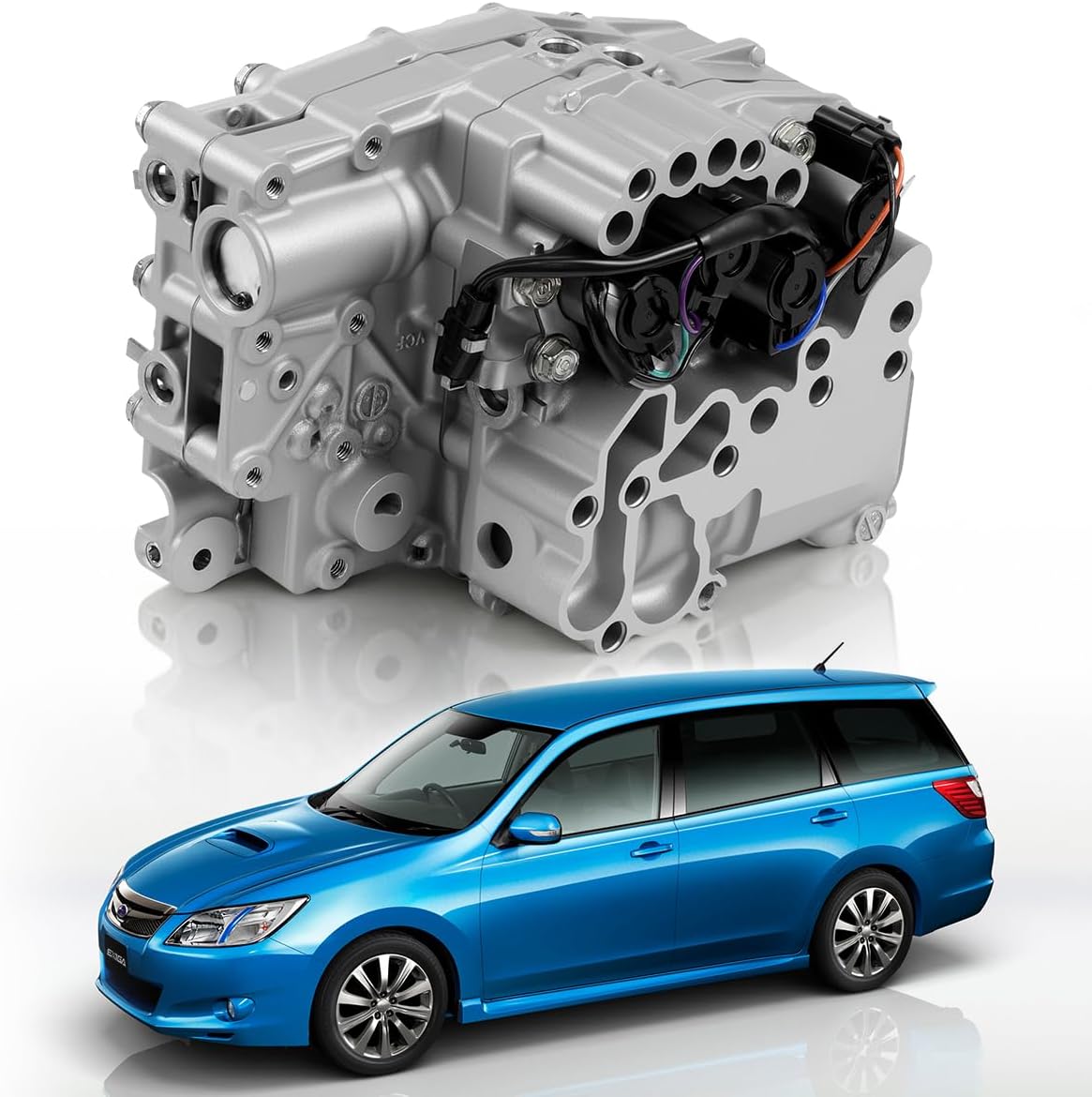
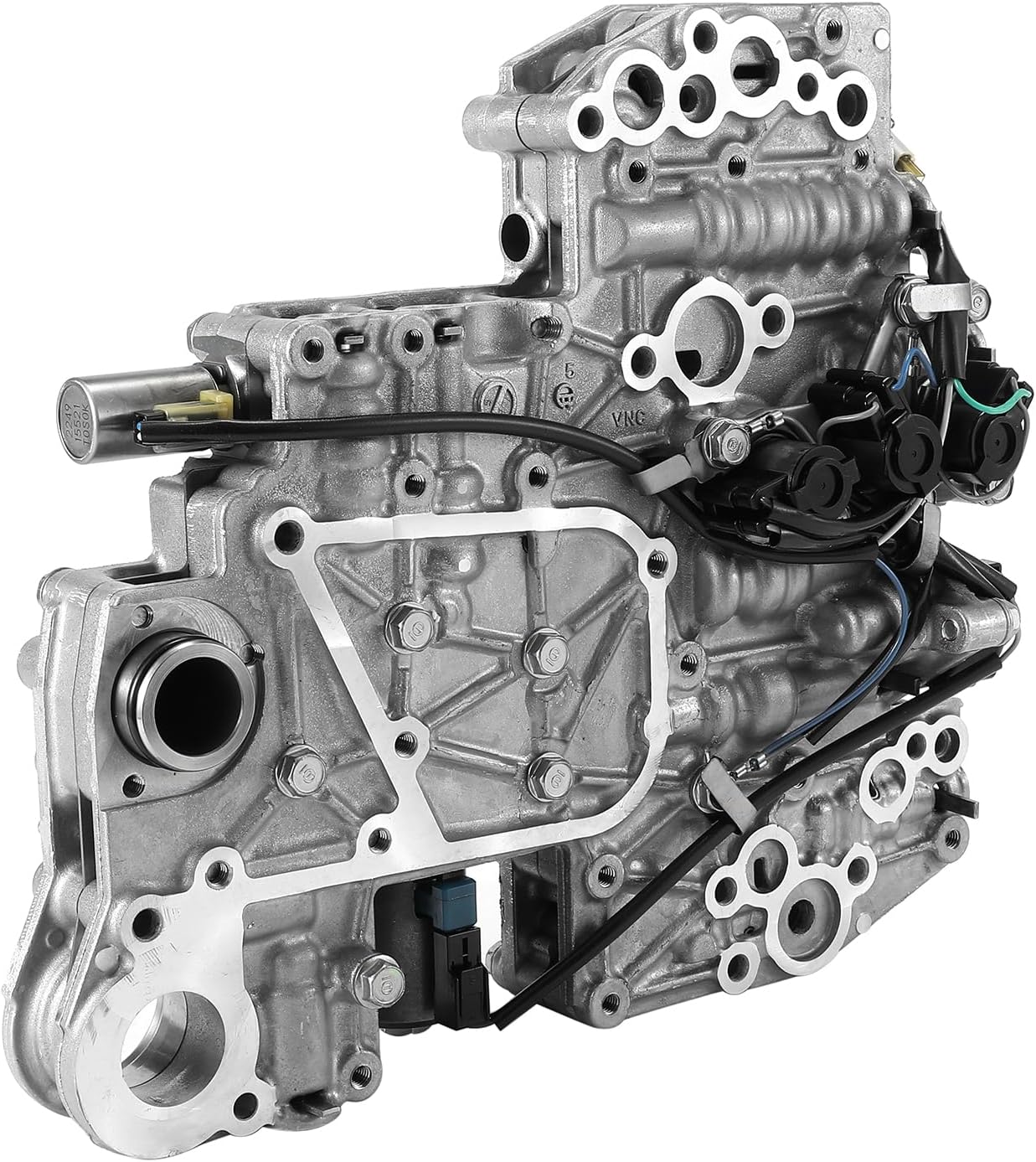
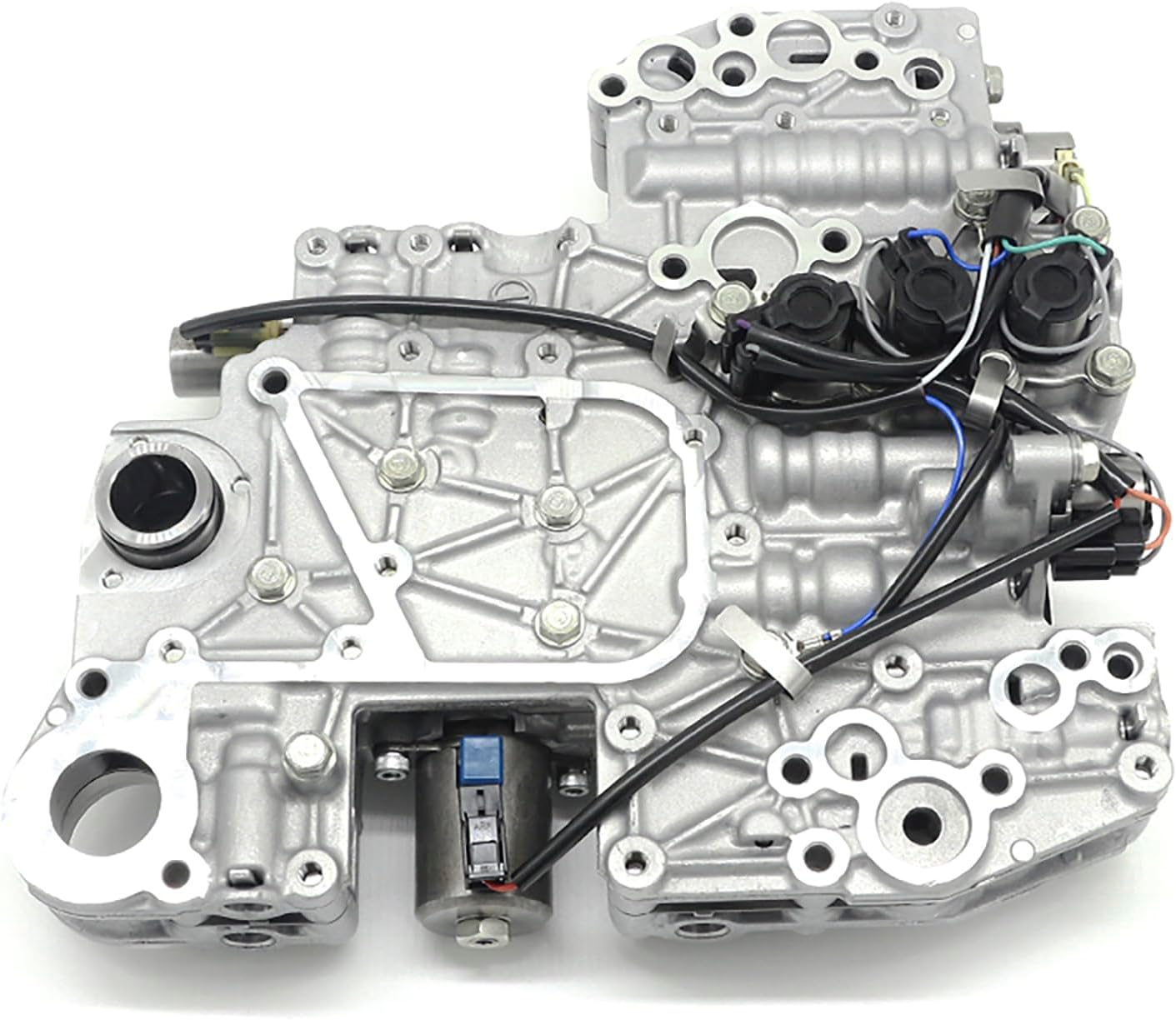
Lineartronic CVT Variants
TR580 (2010-Present)
The TR580 is the base Lineartronic CVT used in Subaru vehicles with the 2.0L and 2.5L naturally aspirated engines. This is the most common variant and the one found in the Outback, Forester, Crosstrek, Legacy, and Impreza. The TR580 has been revised multiple times since its introduction -- the 2017 and later units received updated chain and pulley designs, improved valve body calibrations, and better heat management. Pre-2017 units are more prone to the common problems discussed below.
TR690 (2010-Present)
The TR690 is the higher-torque variant used in Subaru vehicles with the 3.6L six-cylinder engine and the 2.4L turbocharged engine. The Legacy 3.6R, Outback 3.6R, and the newer Ascent use the TR690. It is physically larger than the TR580 with heavier-duty chain and pulley components. The TR690 is generally more durable than the TR580 because it has more torque capacity relative to the load it sees in these applications.
Fluid Specification: This Is Critical
The Subaru Lineartronic CVT uses Subaru CVT Fluid, and Subaru has changed the formulation by model year and application. ATRA lists the full breakdown: CVTF C-30 (blue) was the original and was discontinued in 2015; CVTF II (green) replaced it and ran 2015 to 2019; CVTF III low viscosity (green) is used in both the TR580 and TR690 depending on application; High Torque (orange) is for the Forester turbo and WRX; and a High Torque low viscosity (amber/orange) covers the Ascent and the 2020 Legacy and Outback with the 2.4L turbo. If there is any doubt, get the fluid call from the Subaru service department by VIN, because the wrong one leads to performance problems and unit failure. CVTF-II is backward-compatible with earlier models in most cases, but check the Subaru TSBs for your specific application.
Do not use Nissan NS-2 or NS-3 in a Subaru CVT. Do not use universal CVT fluid. The Subaru Lineartronic uses a chain, not a belt, and the fluid friction properties are different. The chain requires specific friction characteristics to maintain grip on the pulley surfaces without causing excessive wear. Using the wrong fluid will accelerate chain and pulley wear and may cause immediate judder or shudder.
Service Interval
Subaru originally did not include CVT fluid changes in the maintenance schedule for many model years. The fluid was advertised as "lifetime" fill. This recommendation was quietly revised after reliability complaints and extended warranty programs. The current Subaru recommendation is CVT fluid replacement every 25,000 miles for severe driving conditions and every 50,000 miles for normal conditions.
My recommendation: treat every Subaru CVT as severe service. Change the fluid every 25,000 to 30,000 miles. The Lineartronic CVT does not have a user-serviceable filter -- the filter is internal to the unit and is not replaced during routine service. This means the fluid is the only maintenance item, and keeping it fresh is the primary way to extend the life of the CVT.
Drain and Fill Procedure
The Subaru Lineartronic CVT fluid service is a drain and fill. There is no dipstick on most models. The procedure requires a scan tool to read fluid temperature for accurate level setting. Here is the step-by-step:
- Warm the CVT to operating temperature by driving the vehicle for 15 to 20 minutes. The fluid needs to be at 95 to 113 degrees Fahrenheit (35 to 45 degrees Celsius) for the level check procedure. Monitor the temperature with a scan tool connected to the CVT temperature sensor.
- Raise the vehicle on a lift and locate the drain plug on the bottom of the CVT case. Place a drain pan underneath.
- Remove the drain plug and allow the fluid to drain completely. Expect approximately 4 to 5 quarts from a drain. Note the fluid color -- fresh Subaru CVT fluid is green. If it is brown or has a burned odor, the fluid is overdue for service.
- Reinstall the drain plug with a new crush washer. Torque to approximately 20 ft-lbs (check the service manual for your specific application).
- Refill through the fill plug on the side of the CVT case. Use a fluid transfer pump to pump fresh Subaru CVTF-II into the fill plug hole. Add approximately 4.5 quarts initially.
- Start the engine and cycle through all gear selector positions (P, R, N, D, L) with a 3-second pause in each position. This charges the hydraulic circuits.
- With the engine running and the CVT in park, check the fluid temperature with a scan tool. When the temperature reaches 95 to 113 degrees F, remove the fill plug. Fluid should drip slowly from the fill plug hole. If fluid flows freely, the level is too high -- let it drain until it drips. If no fluid comes out, add fluid in small amounts until it begins to drip.
- Reinstall the fill plug with a new crush washer and torque to specification.
A single drain and fill exchanges approximately 40 to 50 percent of the total fluid volume. For a more thorough exchange, perform two drain and fill cycles with 500 miles of driving in between. This captures approximately 70 to 80 percent of the total fluid volume.
How to Catch Chain Slip Before It Eats the Pulleys
Chain slip is the failure that ends the unit, and it starts hydraulically. Per ATRA, if secondary pressure is lost the chain slips, and once it slips both the chain and the pulleys are damaged — there is no repairing one without the other. The diagnostic is free and non-invasive: graph the primary and secondary pulley speed sensor PIDs on a scan tool, or scope them. Pulley speeds that vary against each other instead of tracking a commanded ratio are chain slip.
If you go to a pressure gauge, know what you are hooking up to. Subaru measures CVT oil pressure in megapascals, and typical operating pressure runs 5 to 6 MPa, roughly 800 to 1,000 psi (1 MPa is about 145 psi). That is well past what a common ATF pressure gauge is rated for. Use a gauge rated for it.
Two default behaviors are worth knowing before you chase a complaint. Most sensor and solenoid electrical failures default the secondary line pressure solenoid to maximum pressure, which is why so many Subaru CVT trouble codes show up as hard garage shifts. And if the primary ratio up and ratio down solenoids default off, the unit is stuck at a single fixed pulley ratio of about 1.5:1.
Common Problems
Problem 1: Judder and Shudder
Judder on the Subaru Lineartronic manifests as a vibration during acceleration, typically at low speeds. The cause is the same as on other CVTs -- the chain is micro-slipping on the pulley surfaces due to degraded fluid friction properties or worn pulley surfaces. On Subaru CVTs with fewer than 100,000 miles, a fluid change resolves the judder in the majority of cases. The fluid needs to be fresh and the correct specification. On units with over 100,000 miles that have never had the fluid changed, the judder may persist after a fluid service, indicating pulley surface damage.
Problem 2: Secondary Pressure Solenoid Failure
The secondary pressure solenoid controls the pulley clamping pressure on the Lineartronic CVT. When this solenoid begins to fail, the CVT cannot maintain consistent clamping pressure, which causes ratio fluctuation, delayed response to throttle input, and in some cases a shudder or vibration. The solenoid can be replaced without removing the CVT -- it is accessible from outside the case on most applications. This is a relatively common failure on TR580 units between 80,000 and 150,000 miles.
Problem 3: Torque Converter Shudder
The Subaru Lineartronic includes a torque converter at the input, and the converter lockup clutch is susceptible to the same shudder issues as conventional automatic transmissions. The shudder occurs at 35 to 50 mph at light throttle when the converter is attempting to lock. Fresh fluid resolves converter shudder in the majority of cases. If the shudder persists after a fluid service, the converter clutch material is likely damaged and the converter needs replacement.
Problem 4: Valve Body Issues
The Lineartronic valve body controls ratio changes, line pressure, and converter lockup. Valve body issues on the Lineartronic typically present as erratic ratio changes, delayed engagement, or a hesitation when accelerating from a stop. Subaru has issued multiple TSBs related to valve body calibration and solenoid performance on various model years. Before condemning the valve body, check for applicable TSBs -- some issues are addressed by a TCM reprogramming rather than a hardware replacement.
Extended Warranty Programs
Subaru has extended the warranty on the Lineartronic CVT multiple times in response to reliability concerns. The most significant extension covers 2012 to 2017 model year vehicles with the TR580 CVT -- the warranty was extended to 10 years or 100,000 miles from the original purchase date. If a customer brings in a Subaru with CVT problems and the vehicle falls within this coverage window, check the VIN with Subaru before quoting a repair. The customer may be covered for the repair at no cost through the dealership.
For vehicles outside the extended warranty period, a CVT replacement on a Subaru is expensive -- $4,000 to $7,000 installed depending on the model and whether a new or remanufactured unit is used. A fluid service at 25,000-mile intervals is the cheapest insurance against reaching that number.
Need Subaru CVT parts?
Valve bodies, lock-up and transfer-clutch solenoids, pressure sensors, filters and CVT fluid — shipped fast from the USA, secure checkout on our own store.
Shop CVT parts →Sources
- ATRA — GEARS Magazine, "Worth Another Look! Subaru Lineartronic Failures, Faults, and Fixes," May 3, 2022. Backs the TR580 versus TR690 architectural differences (the TR690's added intermediate section, input clutch and reduction gears, and the TR580's forward/reverse components ahead of the pulley assembly), the pull-design link-and-pin chain where only the rocker pins contact the pulleys, the valve body location on each variant, the chain-slip diagnostic using graphed primary and secondary pulley speed sensor PIDs, the 5–6 MPa (800–1,000 psi) operating pressure range, the secondary line pressure solenoid defaulting to maximum on most electrical failures, the fixed ~1.5:1 ratio when the primary ratio solenoids default off, the full Subaru CVT fluid breakdown by model year and application, the pre-October-2013 torque converter thrust washer wear that prevents full TCC release along with updated converter part number 31100AB172, and the 12 ohms at 68 F lock-up duty solenoid resistance spec. gearsmagazine.com
- ATRA — Technical Bulletin #1922, "TR690 Gen 1, TR580 Gen 2: Lock-Up Solenoid Interchange," August 2019. Backs the lock-up duty solenoid opening its circuit when hot and setting P2763, the fact that neither Subaru nor the aftermarket sells the OE solenoids separately so the dealer fix is a complete valve body, and the documented interchange: the lock-up duty, primary-up, primary-down and transfer clutch (AWD) solenoids are all normally closed and can be swapped between Gen 1 and Gen 2 valve bodies by cutting and soldering the lock-up duty solenoid wires. atracom.blob.core.windows.net
- ATRA — GEARS Magazine, Jarad Warren, "Under Control: Subaru Lineartronic CVT," June 2014. Backs the seven-solenoid control layout used by the Lineartronic: secondary linear control, primary-up, AWD transfer case clutch, lock-up duty, lock-up on/off, primary-down and forward/reverse linear, along with the valve body identification and pulley-control strategy referenced here. atracom.blob.core.windows.net
- Transmission Digest — Wayne Colonna, "The Subaru mystery burn," May 14, 2024. Backs the TR580 being known for torque converter clutch solenoid failures, the 10 to 13.5 ohm TCC solenoid resistance specification, Subaru bulletin 16-131-20R and its diagnostic steps, isolating internal versus external faults with resistance checks at the T4 connector with the vehicle harness unplugged, and the availability of aftermarket TCC solenoids from Rostra and Dorman as an alternative to a complete dealer valve body. transmissiondigest.com
- ATRA — "Subaru Lineartronic CVT Introduction" webinar handout. Backs the general Lineartronic architecture, component identification and fluid-level checking procedure that the service sequence in this guide follows, including the scan-tool fluid temperature requirement in place of a dipstick. atracom.blob.core.windows.net