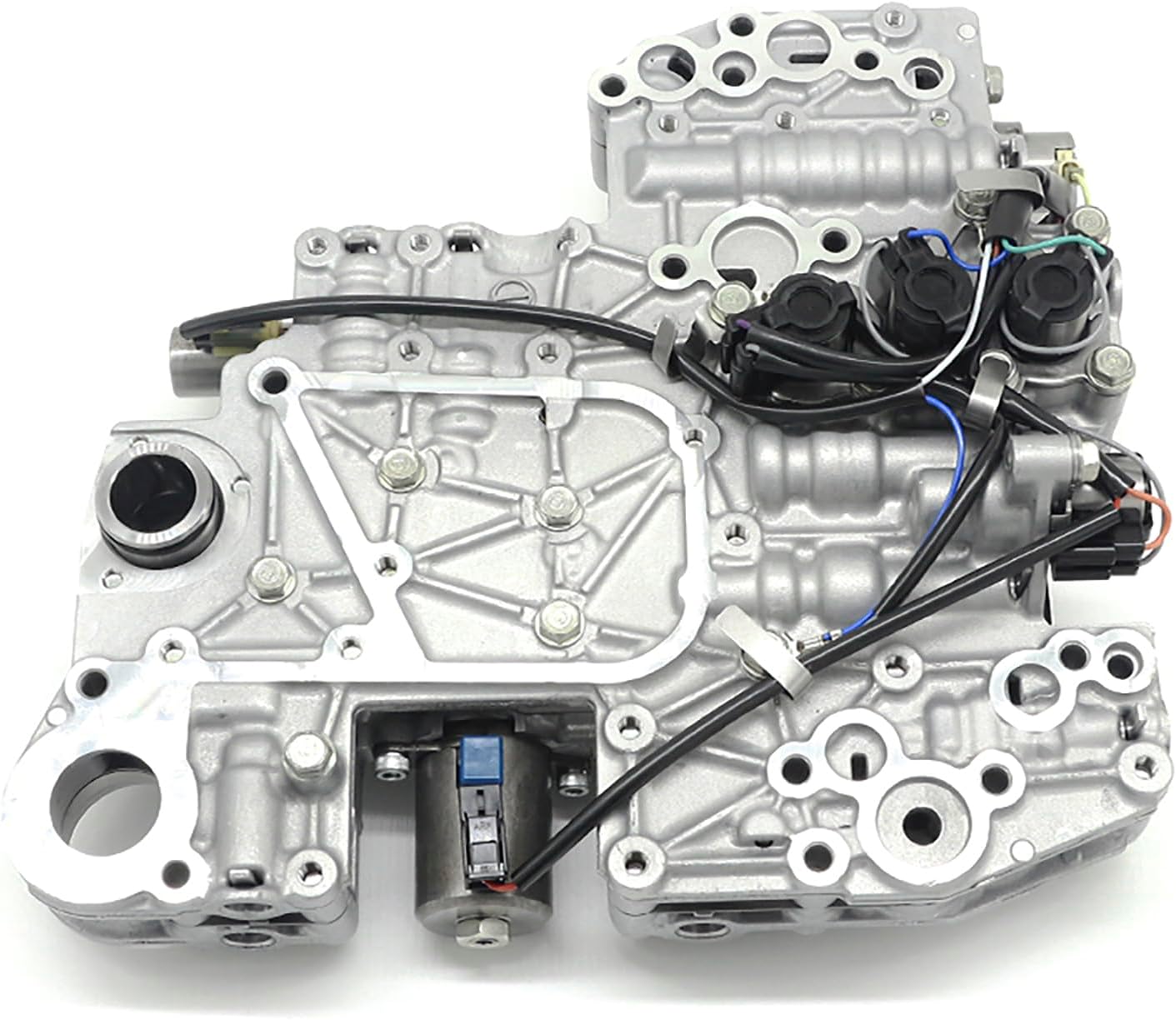
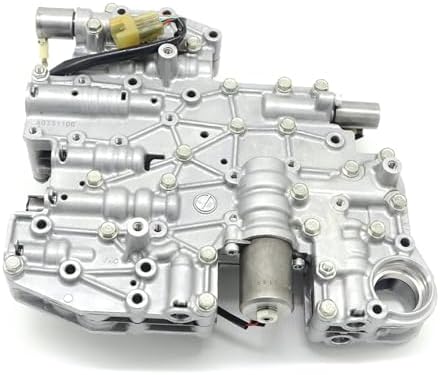
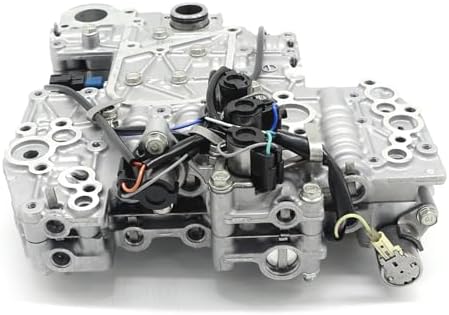
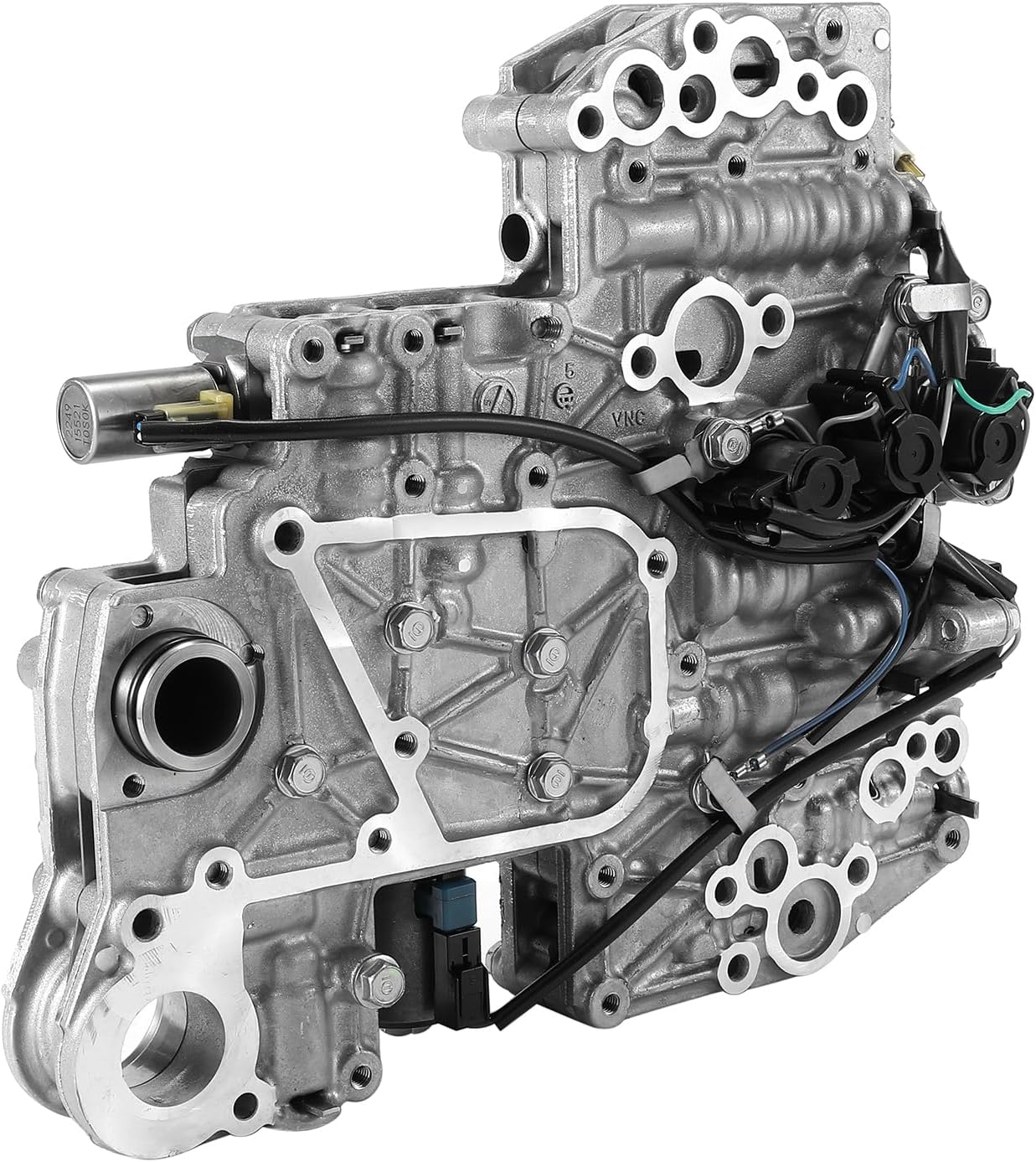
If a 2010-2013 Subaru Legacy or Outback with the 2.5L Lineartronic CVT is flaring between ratios, dragging its feet getting into gear on a cold morning, or throwing a stored pressure or ratio code after the dealer already changed the fluid, the TR690 valve body is the usual culprit. This is a new aftermarket control valve body assembly, not a remanufactured core, built to replace the original 31706AA033 unit on these cars.
What this valve body does in the TR690
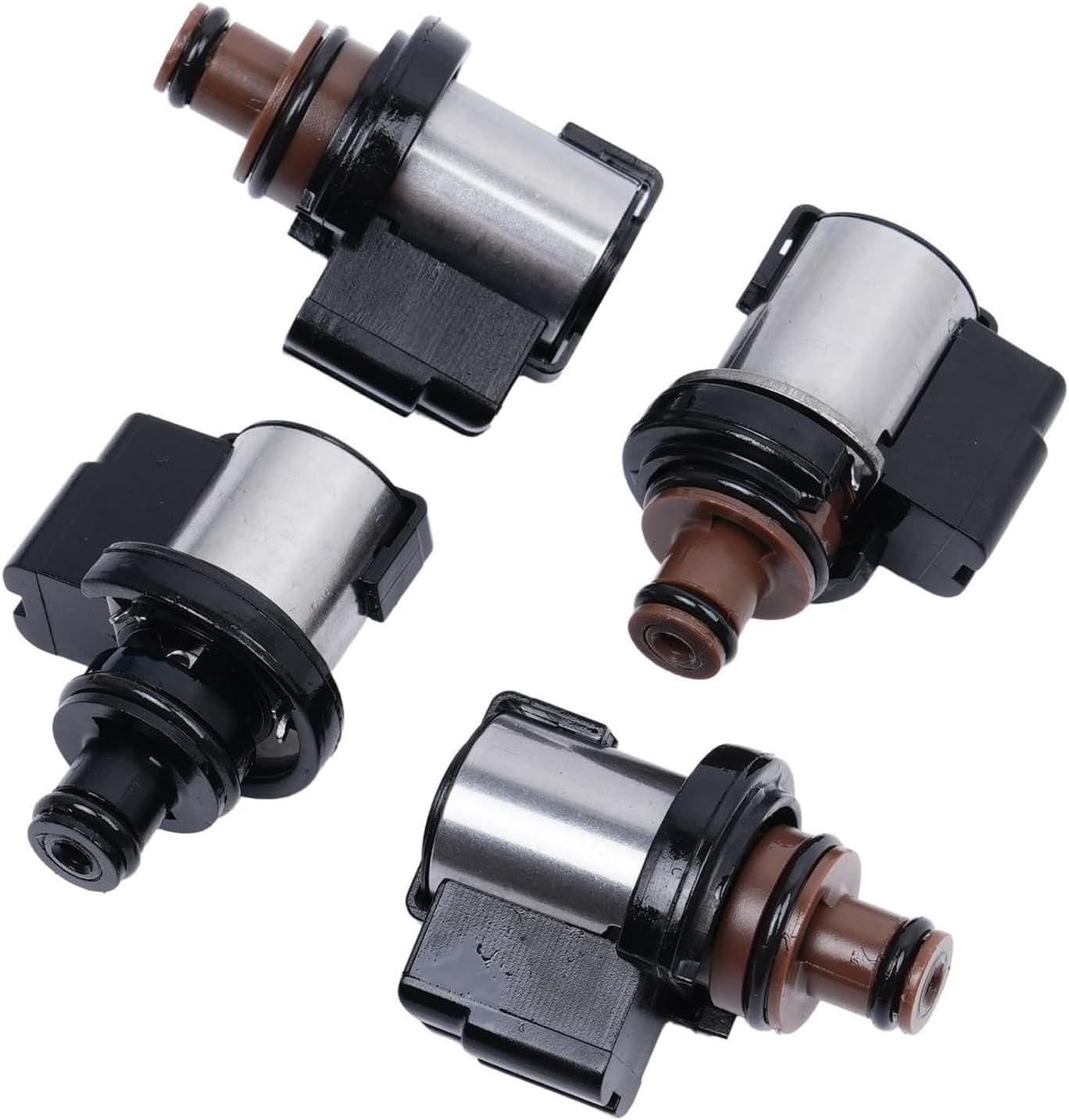
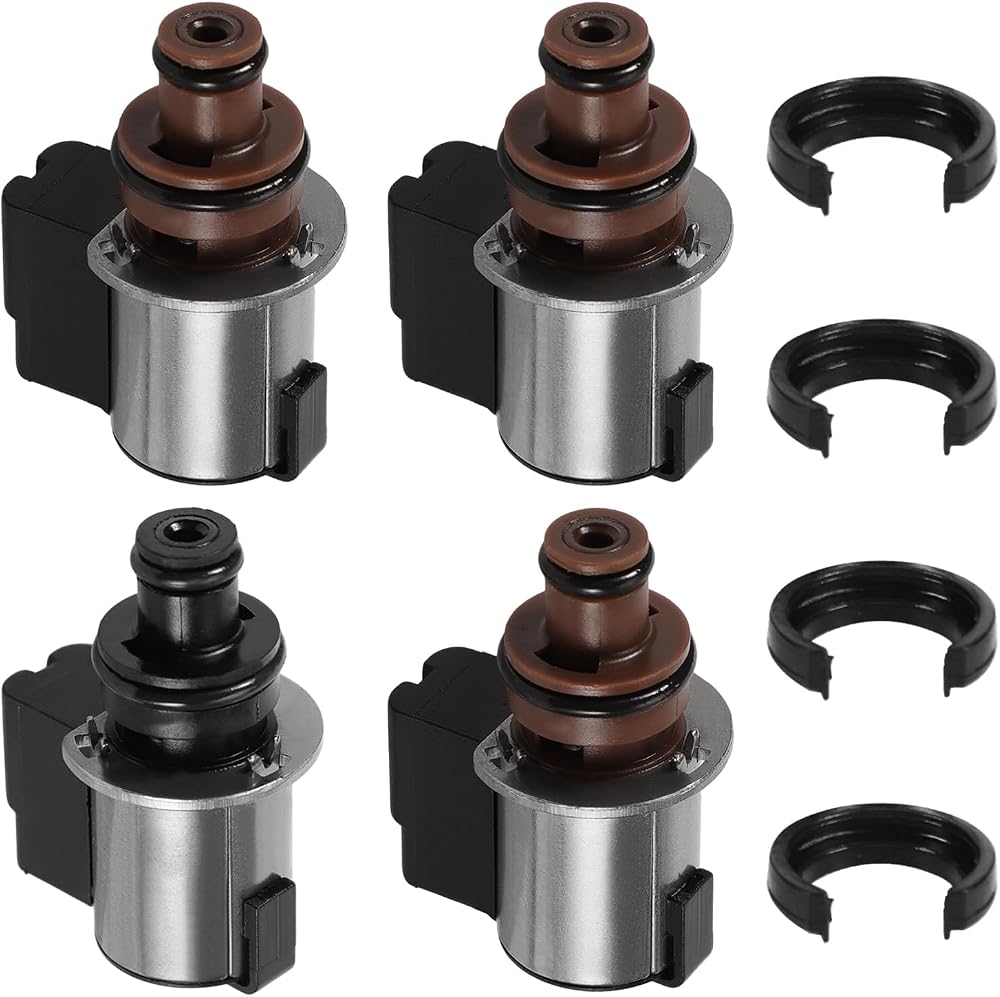
The TR690 is the larger, chain-driven CVT Subaru uses behind the 2.5L four-cylinder, and it leans on this one casting to do everything a traditional automatic would split across several components. Line pressure comes in from the pump, and the valve body's bores and solenoids route it to set pulley clamping force, engage and release torque converter lockup, and feed the AWD transfer clutch. None of that happens mechanically the way it would in a planetary gearbox - a worn bore or a sticking solenoid inside this casting is what actually changes how the car drives, not a worn gear.
Symptoms to watch for
- Engine speed flaring up while the CVT ratio lags behind it, especially accelerating from a stop
- A noticeable shudder or vibration cruising around town at light throttle
- A long pause before the transmission takes off in Drive or Reverse on a cold start
- A transmission fault or CVT temperature light paired with a stored pressure or ratio code
How to confirm it before you buy
Because a CVT has no gear teeth to wear out, almost every drivability complaint on a TR690 traces back to the valve body, a solenoid, or degraded fluid rather than anything mechanical. Our CVT slipping under load guide covers how to tell a pressure problem in the valve body apart from a chain that has started to stretch, and our CVT transmission failure patterns guide breaks down which symptoms point at the valve body versus the clutch pack or pulley assembly. Both are worth fifteen minutes before you order a part.
Fitment
This assembly covers the 2010-2013 Legacy and Outback 2.5L and references Subaru part numbers 31825AA052, 31706AA030, 31706AA031, 31706AA032, 31706AA033 and 31706AA034, since Subaru revised this valve body's connector layout and solenoid count more than once inside that production run. Pull your original unit and match the connector position and solenoid count against the photos before ordering, or send us your VIN and we'll confirm the right version rather than go by model year alone. Our separately listed TR690 valve body covering the later Forester application is the one to check instead if your car is a 2014-2015 Forester with the 2.0L.
Install notes
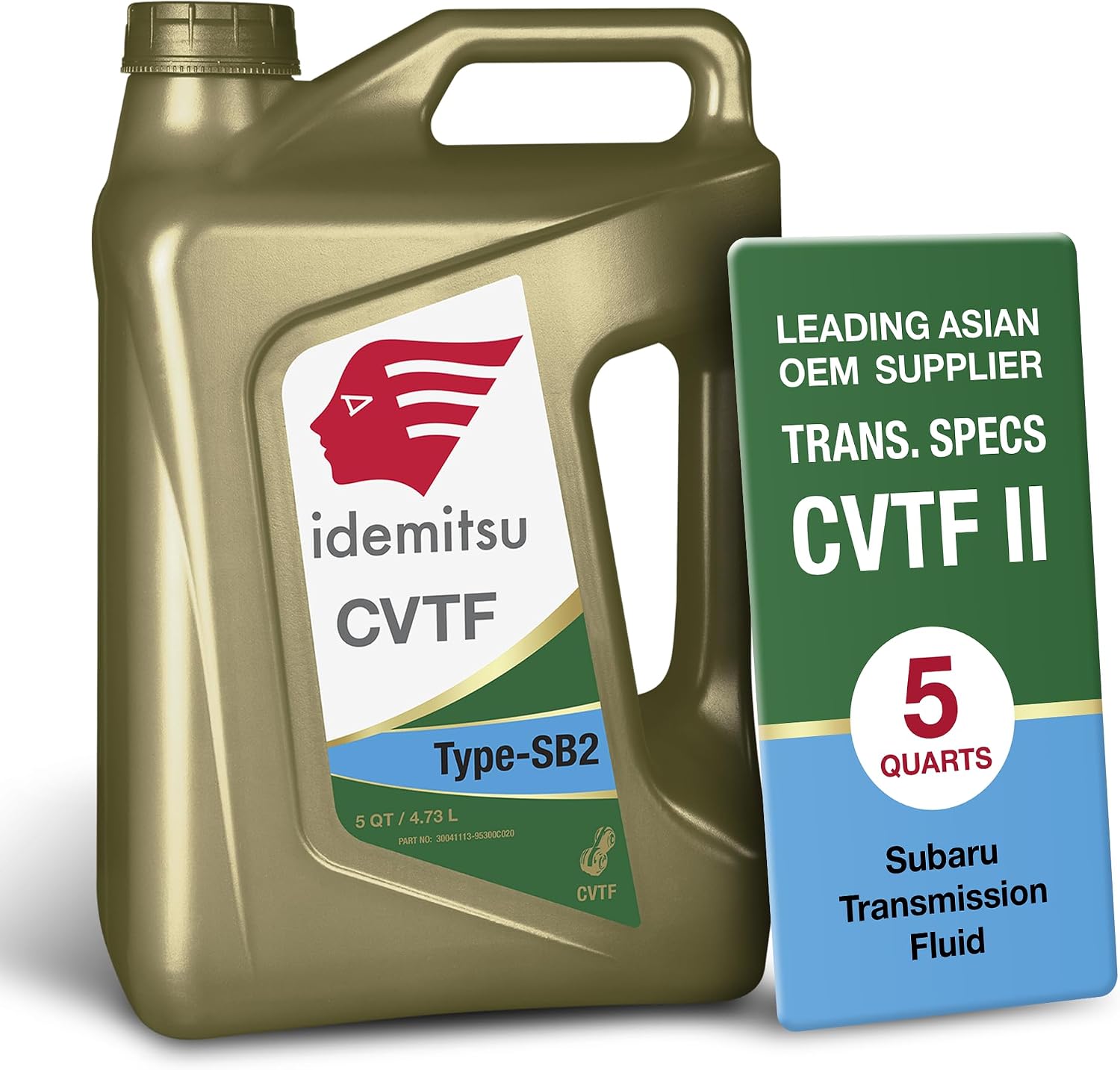
This is a new unit, so there is no core charge and nothing to return once the old one comes out. Drain the CVT fluid, drop the pan and filter, and support the valve body as the last bolts come out so it doesn't drop and bend the separator plate underneath it. Bolt the new body in with a criss-cross torque pattern, fit a fresh filter and pan gasket, and refill with the Subaru-spec fluid - either genuine Subaru CVTF-II or the equivalent Idemitsu Type SB2 fluid, never a generic multi-vehicle CVT fluid. Most shops run a CVT learning reset with a scan tool afterward, since the TR690 sets its fluid level by temperature rather than a dipstick mark, and the shift feel does not fully settle until that relearn has run.