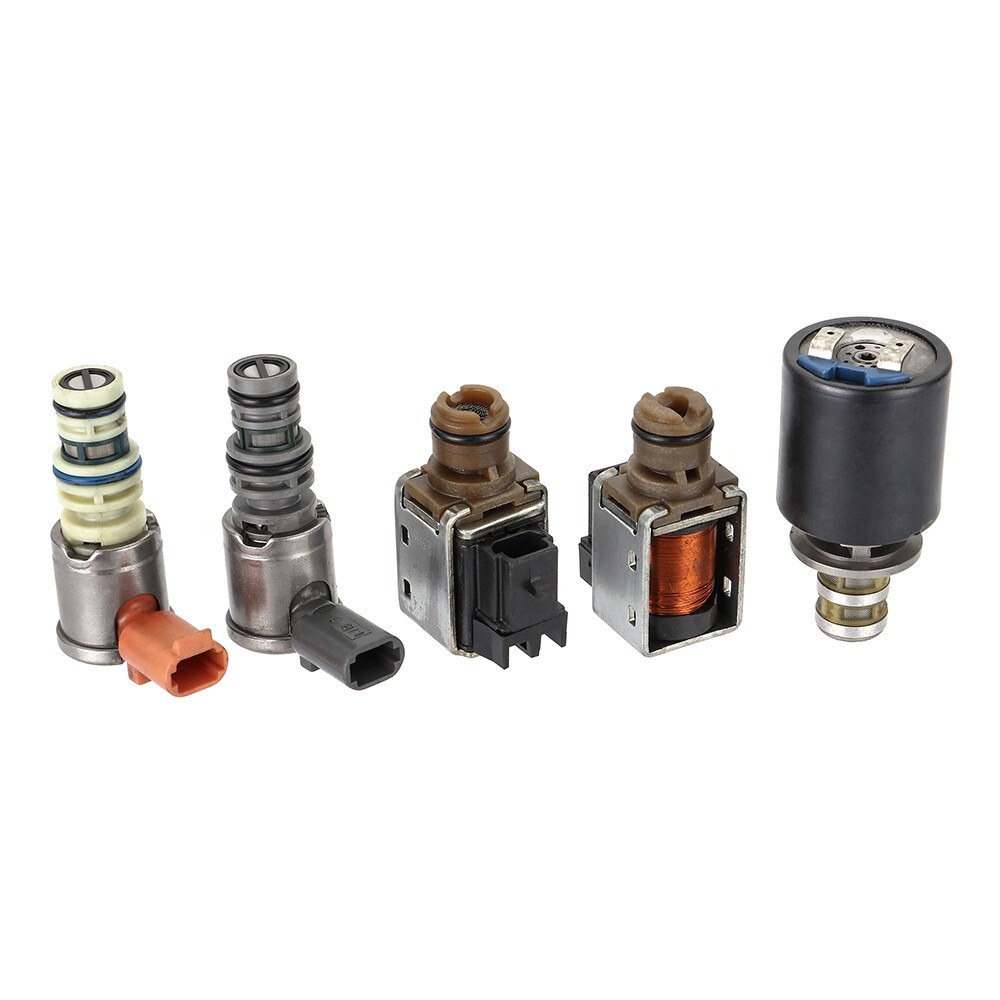
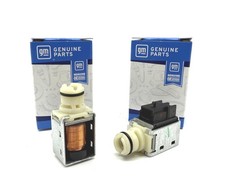
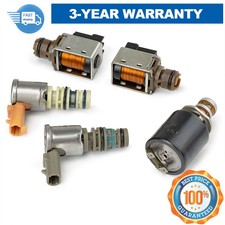
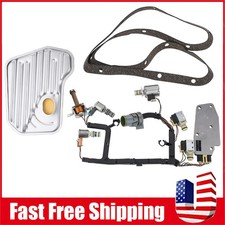
This listing is for the early 4L60E-family valve body, the one used up through the 2002 model year, which covers the first two years of the heavy-duty 4L65E in 2001-2002 Silverado, Sierra, Tahoe, Yukon, Suburban and Avalanche trucks with the 6.0L. Buyers usually land here because the converter will not lock on the highway, the truck shudders at 40-60 mph, or a P0741 keeps coming back. It is sold under the TCC solenoid name, but the photo shows a five-piece solenoid set: two box-style shift solenoids, two pencil-style solenoids of the type the 4L60E family uses for 3-2 control and TCC PWM duty, and the round early-style pressure control solenoid. That makes it a full valve body solenoid refresh rather than a single coil.
What the TCC solenoid does in a 4L65E
The 4L65E shares the 4L60E valve body layout, so lockup is handled the same way. When the PCM sees warm fluid, light throttle and a steady road speed, it energizes the TCC circuit, the converter clutch valve strokes, and the converter clutch clamps the engine to the turbine shaft. On units with PWM lockup, the pencil solenoid ramps that apply so it feels like a gentle drop in RPM instead of a bump. All of these solenoids live on a regulated feed from the actuator feed limit (AFL) valve, which Sonnax describes as stepping line pressure down to a steady solenoid supply. That matters because a worn AFL or TCC regulator bore can mimic a bad solenoid perfectly.
Symptoms that point to this set
- No converter lockup at cruise, with RPM sitting a few hundred higher than normal and fuel economy falling off
- Shudder or a rumble-strip feel at 40-60 mph as lockup tries to apply
- P0741 (TCC performance or stuck off) or P0742 (stuck on), sometimes alongside shift solenoid codes
- Harsh or late shifts together with lockup complaints, which suggests more than one tired solenoid
- Engine stumbling as you coast to a stop, a sign the converter clutch is not releasing
How to confirm before you buy
Plug in a scan tool and watch TCC command against slip RPM at steady cruise. If lockup is commanded and slip stays high, check the electrical side first: GEARS Magazine lays out a resistance and current-draw method that catches a solenoid that ohms out fine but will not pull in under load. A clean circuit with high slip points to hydraulics, and Sonnax names TCC regulator valve bore wear as a primary cause of P1870 and overheated converters in this family. Our 4L65E common problems guide walks through that path, and the 4L65E shift solenoid guide covers the shift-side codes that often show up with it.
Fitment
The listing is marked 1993-02. The 4L65E itself only exists from the 2001 model year, so on a 4L65E this set is for 2001-2002 trucks; earlier years are 4L60E applications using the same early valve body style. The break that matters is 2003, when GM moved to a new casting and a late-style pressure control solenoid. Sonnax lists the 4L65E on the GM049 casting for 2000-2002 and the GM051 casting from 2003, so a 2003-up truck will not take the round early pressure control solenoid shown here. On the early units the on/off TCC solenoid is usually carried on the internal wiring harness, so compare the photo with what is bolted to your valve body. If you have a 2003 or newer truck, use the 2003-2006 TCC solenoid set instead. Not sure? Send us your year and VIN before ordering. The rest of the parts for this unit are on the 4L65E parts page.
Install notes
- Drain the fluid and drop the pan. Look at the magnet and filter: fine gray paste is normal wear, but clutch lining or bronze means the unit needs more than solenoids.
- Change one solenoid at a time so every connector goes back where it came from. The two box-style shift solenoids are identical, so mark which is A and which is B.
- Lube each new O-ring with ATF and seat each solenoid squarely. Retainers and bolts thread into aluminum, so use an inch-pound wrench.
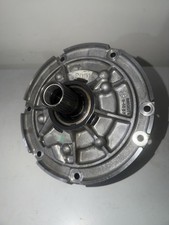
- Fit a new filter and confirm the old filter seal came out of the pump bore. A doubled seal starves the pump.
- Refill with Dexron VI ATF, check the level hot, clear codes and drive through several lockup cycles while watching slip on the scan tool.
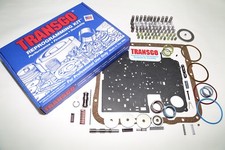
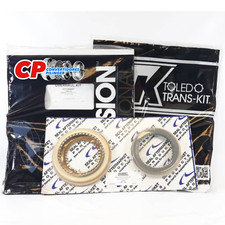
- If shifts are still soft or flared after the swap, the problem is hydraulic. A 4L65E shift kit or a full 1993-2003 rebuild kit is the next step.