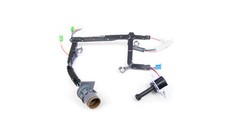
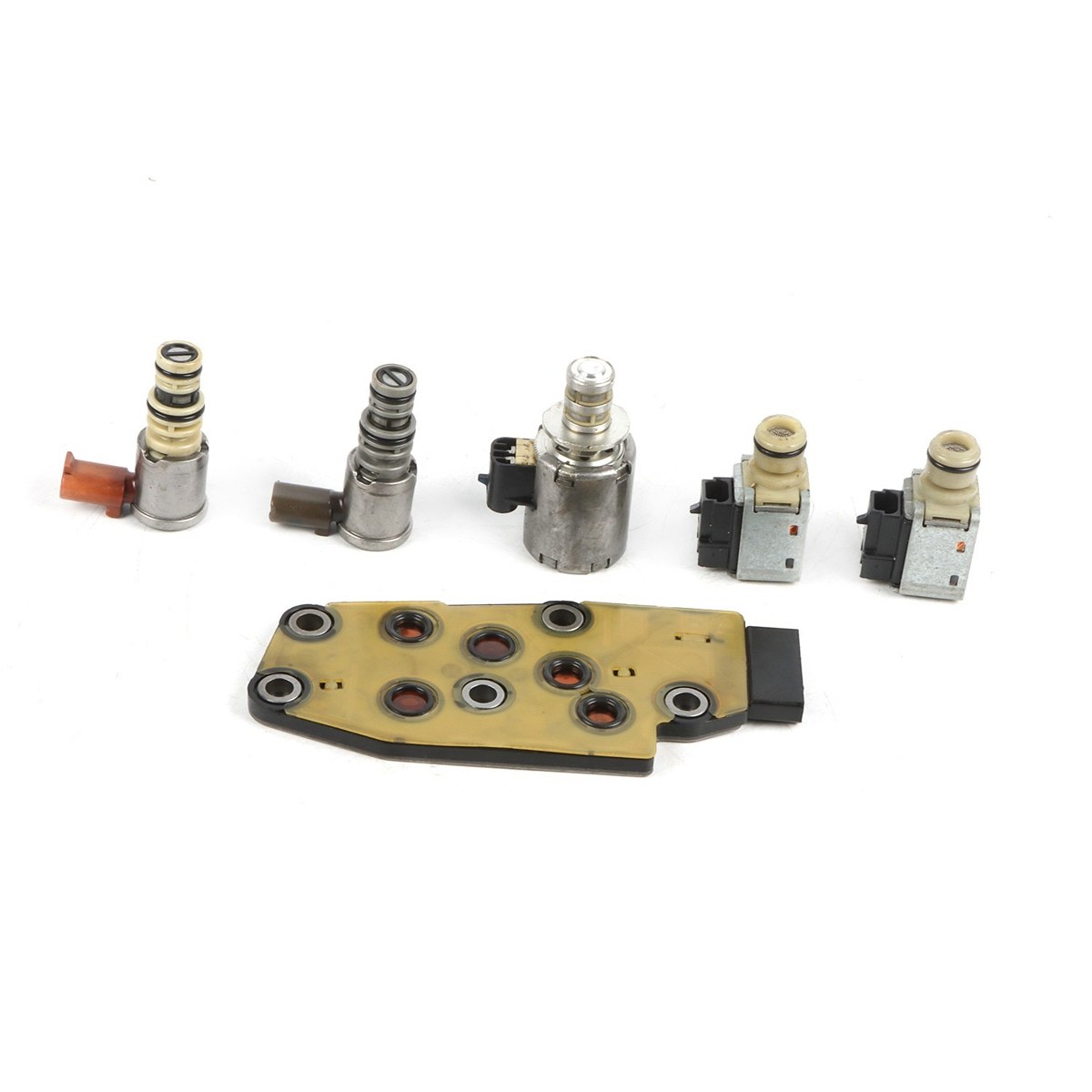
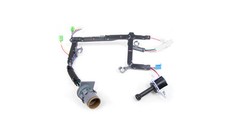
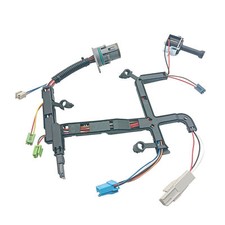
A 2006 GM truck or SUV with the 4L70E that will not lock the converter, shudders on a light-throttle cruise, or has started turning noticeably more RPM at 65 mph is the buyer this part is for. 2006 is the first model year the 4L70E name appears, and this listing is the GM-branded TCC solenoid as it comes from the factory: mounted to the internal wiring harness, with the harness branches and connectors shown in the photo. You are replacing the lockup control and the wiring that feeds it in one piece, which is how many shops prefer to do it once the pan is already down.
What the TCC solenoid does in a 4L70E
Converter lockup in this transmission is a two-stage job. The on/off TCC solenoid opens the circuit that allows the converter clutch to apply, and a pulse-width-modulated solenoid then sets how hard it applies. Both run on regulated feed oil from the actuator feed limit valve, which Sonnax puts at roughly 115 psi in this family. If the on/off solenoid sticks, leaks past its seat or loses its electrical signal, the clutch never gets the command to apply and the engine spins against the open converter. That is the extra highway RPM, the lost mileage, and the heat that cooks fluid on a truck that tows.
Symptoms that lead back to this part
- Shudder, like driving over rumble strips, between about 40 and 60 mph under light throttle
- Cruise RPM a few hundred higher than it used to be, with fuel economy down
- P0741 (TCC system stuck off) or P0742 (stuck on)
- Lockup that works cold and quits once the fluid is hot
- Fluid that smells burnt after towing, even though the shifts still feel normal
- More than one solenoid or sensor code at a time, which points at the harness rather than a single component
How to confirm it before you buy
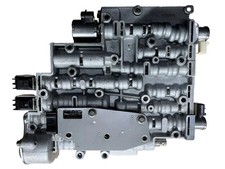
A scan tool tells you most of what you need. Drive at a steady 50 mph and watch TCC command alongside converter slip. If lockup is commanded and slip never comes down, check the solenoid circuit for resistance at the case connector and wiggle-test the harness while watching the reading. An open, a short, or a reading that comes and goes is an electrical fault this part fixes. If the electrical side is clean, the problem is hydraulic: Sonnax documents wear in the TCC regulator and isolator bores of the valve body that bleeds off apply oil and sets the same slip codes. Our 4L70E valve body testing guide shows the bore checks, and the 4L70E common problems guide explains how P0741 fits with the unit's other known failures.
Fitment for a 2006 unit
This listing is for 2006. Read the tag on the left side of the case before ordering: GM built the same family as the 4L60E and 4L65E in the same years, and the harness layouts are close but not identical. Compare the large round case connector, the number of branches, and the connector colors in the photo with the harness in your pan. A 2009 and later truck should look at the 2009 4L70E TCC solenoid and harness instead. If anything does not match, send us your year and VIN and we will confirm it before it ships. Every part we carry for this transmission is on the 4L70E collection page.
Install notes
- Drain the pan, remove the filter, and look at the magnet. Fine gray paste is normal; flakes of clutch material mean the converter slip has already done damage.
- Photograph harness routing, then release the case connector from inside and unclip each solenoid. Lift the harness out as one assembly.
- Check the old harness for chafed insulation and broken connector locks so you know whether wiring was the actual fault.
- Install new O-rings on the TCC solenoid and any other solenoid you reuse, lubricate them with clean fluid, and seat each one fully before clipping it down.
- Route the new harness exactly like the old one, clear of rotating parts, and torque the valve body hardware evenly.
- Fill with DEXRON-VI, the fluid GM specifies for 4L70E applications, and check the level hot.
- Clear codes and drive through several lockup cycles at highway speed to confirm slip drops to near zero.
With the pan down, it is the right time to look at the 4L70E pressure control solenoid, since a worn EPC solenoid causes soft or harsh shifts that get blamed on the converter. If you only need wiring and already have good solenoids, the 2006 4L70E internal wiring harness is the bare harness version.