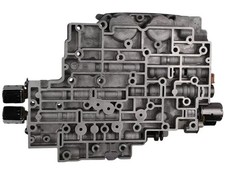
By 2004 the 4L80E had mostly moved out of GM's heavy-duty pickups — 2500/3500 trucks running the Duramax diesel had already switched to the Allison 1000 — so a 2004 4L80E showing a flared 1-2 shift, slipping under load, delayed engagement, or a stored pressure/shift code is almost always sitting behind a gas V8 in a Suburban 2500, an Express or Savana van, or a Hummer H1. This listing is a remanufactured 2004 4L80E valve body with a 1-year warranty, built to the solenoid-integrated casting GM carried through the 2003-up 4L80E.
What the valve body does in a 2004 4L80E
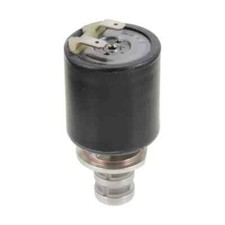
The valve body routes line pressure from the pump through a stack of precision bores and spool valves to apply the correct clutch pack or band for the gear the PCM has selected. On the 2003-up casting used through 2004, the pressure control and shift solenoids mount directly to the valve body, so the PCM commands a variable current through the PCS to set line pressure on the fly rather than relying on a fixed mechanical boost valve alone. Worn bores or a tired PCS on this casting show up fast as harsh or flared shifts and pressure complaints.
Symptoms this fixes
- Harsh, late, or flared shifts between gears
- Slipping between gears or no upshift under load
- Torque converter clutch slip or shudder
- Limp mode with pressure control or shift solenoid codes
If the symptom is specifically rough or flared shifting without a hard code, it's worth testing the pressure control solenoid's current draw before replacing the whole valve body — a PCS that can't hit its commanded amperage will mimic a worn valve body. Our PCS symptoms guide covers that test.
How to confirm it before you buy
On a healthy 2003-up 4L80E, the PCS should pull roughly 0.9-1.1 amps at idle with light load and drop toward 0.2-0 amps near wide-open throttle. A reading that's flat or erratic across that range, combined with a line pressure test in Reverse, 3rd, and 4th that's out of spec, points to the valve body itself rather than just the solenoid. Our valve body testing guide walks through the full gear-by-gear pressure check.
Fitment
This valve body is built for the 2003-up solenoid-integrated 4L80E casting and fits the 2004 model year specifically. Confirm the casting number stamped on your old unit matches before ordering, since the earlier non-solenoid-integrated castings used through the 1990s are not interchangeable with this one. If your truck falls outside 2004, see our general 4L80E valve body listing for other year-matched options, or browse the 4L80E parts collection.
Install notes
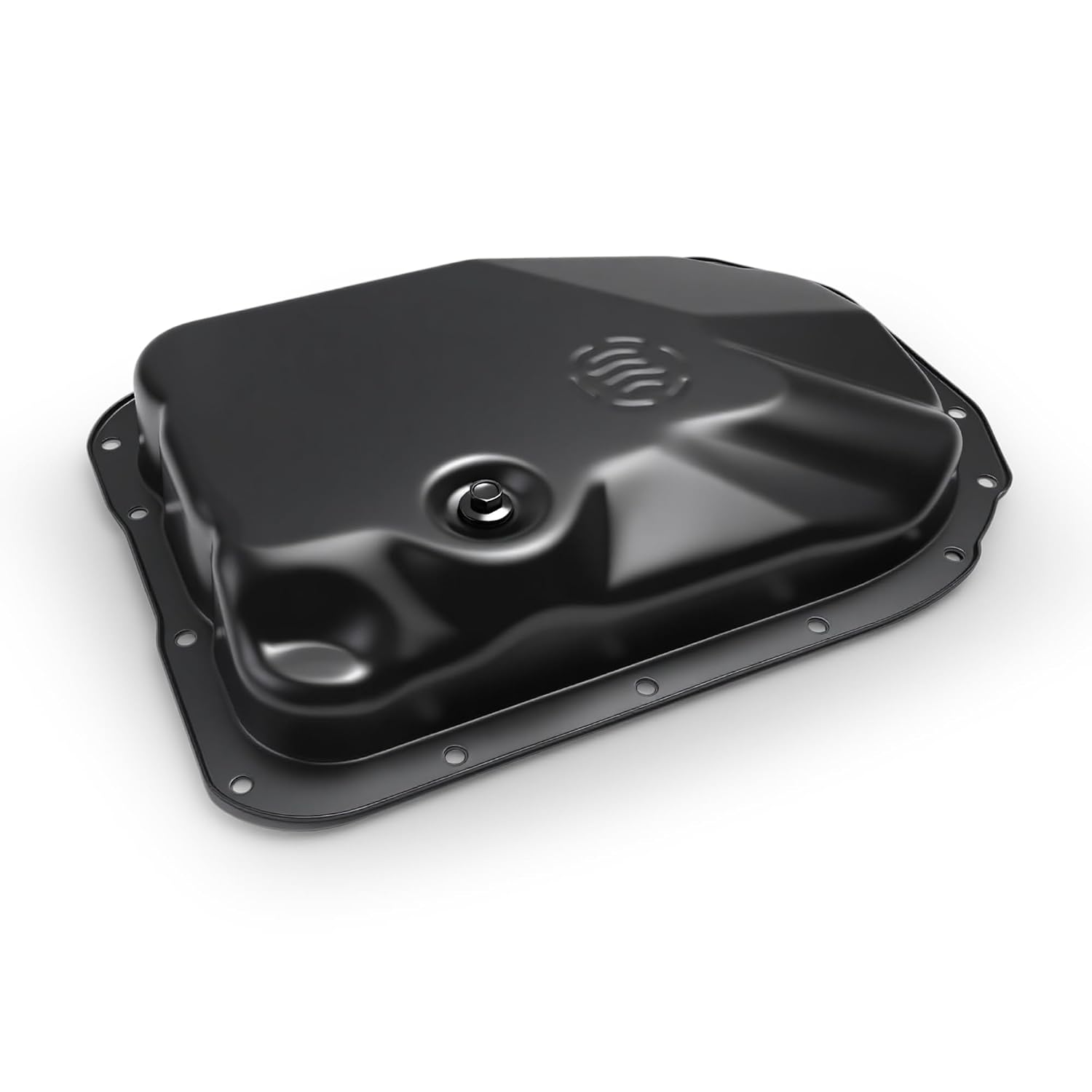
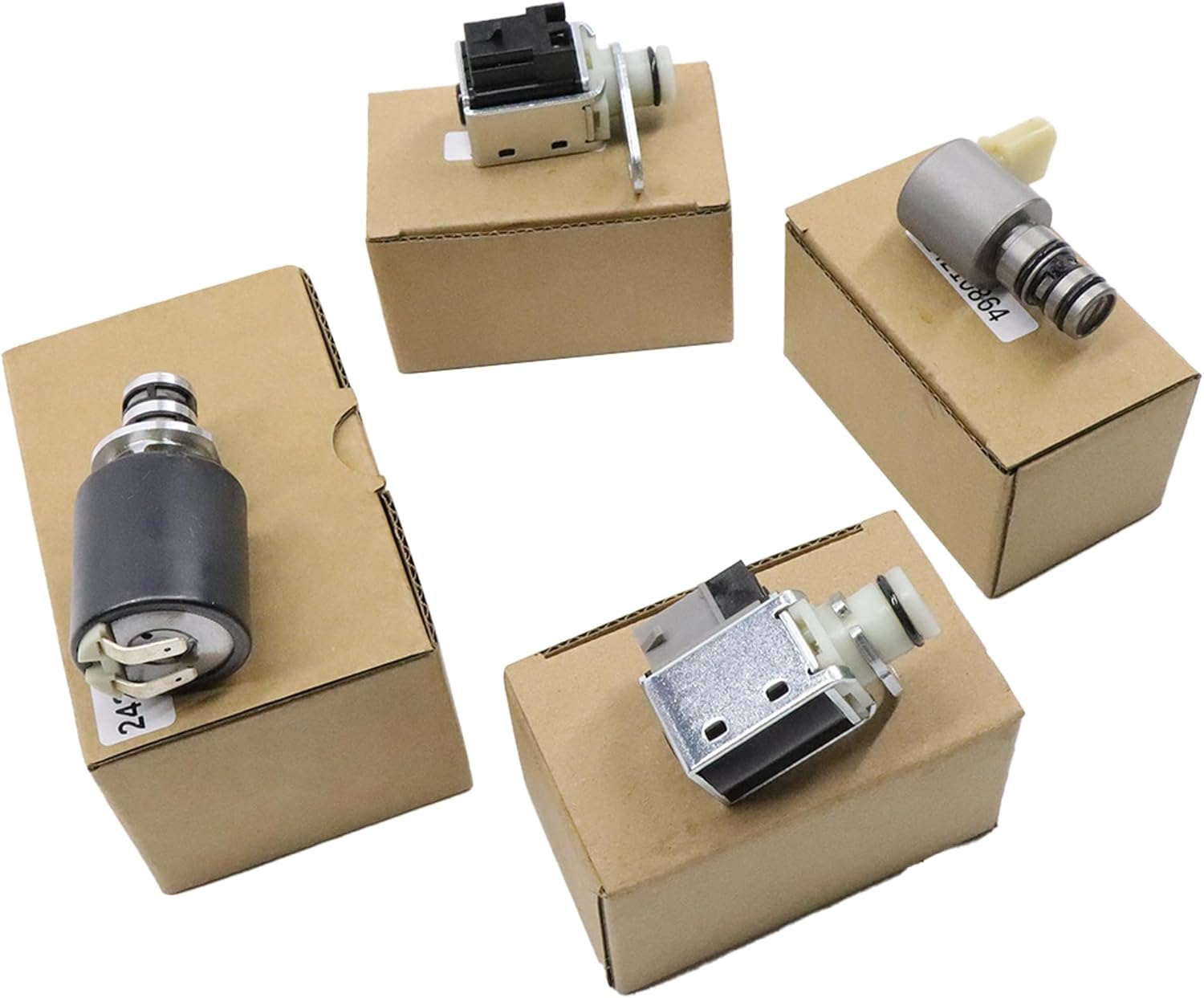
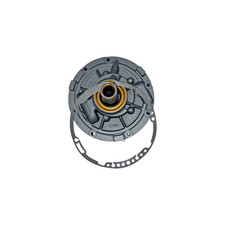
Drop the pan and replace the filter with fresh Dexron VI ATF at the same time — the ATP filter and gasket kit covers that. Torque the valve body bolts to spec in the correct sequence, then run the adaptive shift relearn so the PCM isn't still compensating for the old unit's wear pattern. If the solenoids on the removed valve body test out of range, replace them as a set rather than one at a time — the 7-piece master solenoid kit built for 2004-on units covers the full internal harness and filter in one job. Inspect the pump at the same time if the truck has towing miles; a worn 2004 pump can mimic valve body symptoms by starving the whole hydraulic circuit of pressure.
Sources
- ATRA / GEARS Magazine, "Controlling Pressure: General Motors"
- Sonnax, Actuator Feed Limit Valve Kit 34200-16K installation instructions
- Sonnax, Sure Cure Kit SC-4L80E