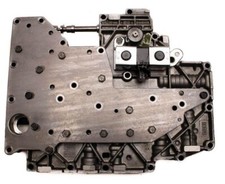
The 4R75W is Ford's higher-torque-capacity version of the 4R70W, built on the same basic casting but reinforced for the trucks and V8 applications that load the transmission harder - towing packages, heavier curb weights, and the bigger engines in the lineup. A 4R75W that flares on the 3-4 shift, slips once it is hot, or drops a pressure or shift-solenoid code is almost always a worn valve body, and this remanufactured unit covers the 2001-2008 production run bench-ready on Sonnax internals.
What the valve body does in a 4R75W
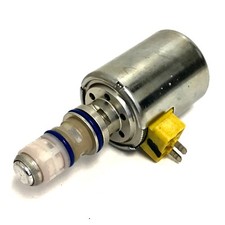
Like its 4R70W sibling, the 4R75W is an electronically controlled four-speed overdrive automatic, and the valve body is where the computer's shift commands turn into hydraulic reality. It stacks precision-machined bores and spool valves that route main line pressure to the forward clutch, intermediate band, and overdrive and direct clutches, and it carries the shift solenoids and the electronic pressure control (EPC) solenoid. Because the 4R75W sees higher torque loads in service, the same pressure regulator and boost valve bores that wear in a 4R70W wear here too, but the consequence shows up sooner and harder under load - towing, trailer pulls, and full-throttle merges are where a tired 4R75W valve body gives itself away first.
Symptoms this valve body addresses
- Harsh, late, or flared shifts under load, especially 3-4 and 2-3
- Slipping between gears that gets worse towing or at highway speed once hot
- Torque converter clutch slip, shudder, or a converter that will not lock
- Limp mode with a stored pressure, ratio, or shift-solenoid code
- Line pressure that tests normal cold and falls off once the unit is hot
How to confirm it before you order
Because the 4R75W and 4R70W share the same valve body architecture, the diagnostic path is the same: hot-only slipping with a pressure drop points to pressure regulator or boost valve bore wear, which Sonnax documents as one of the most common failures across this platform. Our 4R70W/4R75W valve body testing guide covers the vacuum-test procedure for confirming a worn bore on the bench rather than guessing from the symptom alone, and our EPC solenoid symptoms guide is worth a read first if the complaint is a harsh or delayed 1-2 shift, since a bad EPC solenoid alone can produce the same complaint.
Fitment
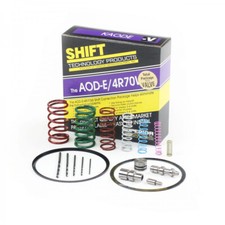
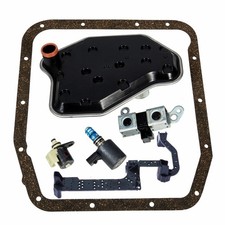
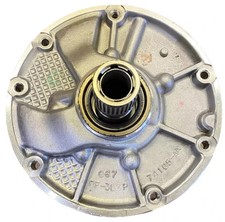
This valve body is built for the 4R75W across the 2001-2008 model run. Ford used the 4R75W designation on the higher-torque-capacity applications within the same F-150, Expedition, and Lincoln Town Car and Navigator lineup that also carried the 4R70W, so confirm which transmission your vehicle actually has - they share a casting family but are not universally interchangeable at the valve body level across every revision. Match the solenoid connector and casting on your old unit against the listing photos, or send your year, model and VIN before ordering. See the full 4R70W/4R75W parts hub if your vehicle falls outside 2001-2008.
Install notes
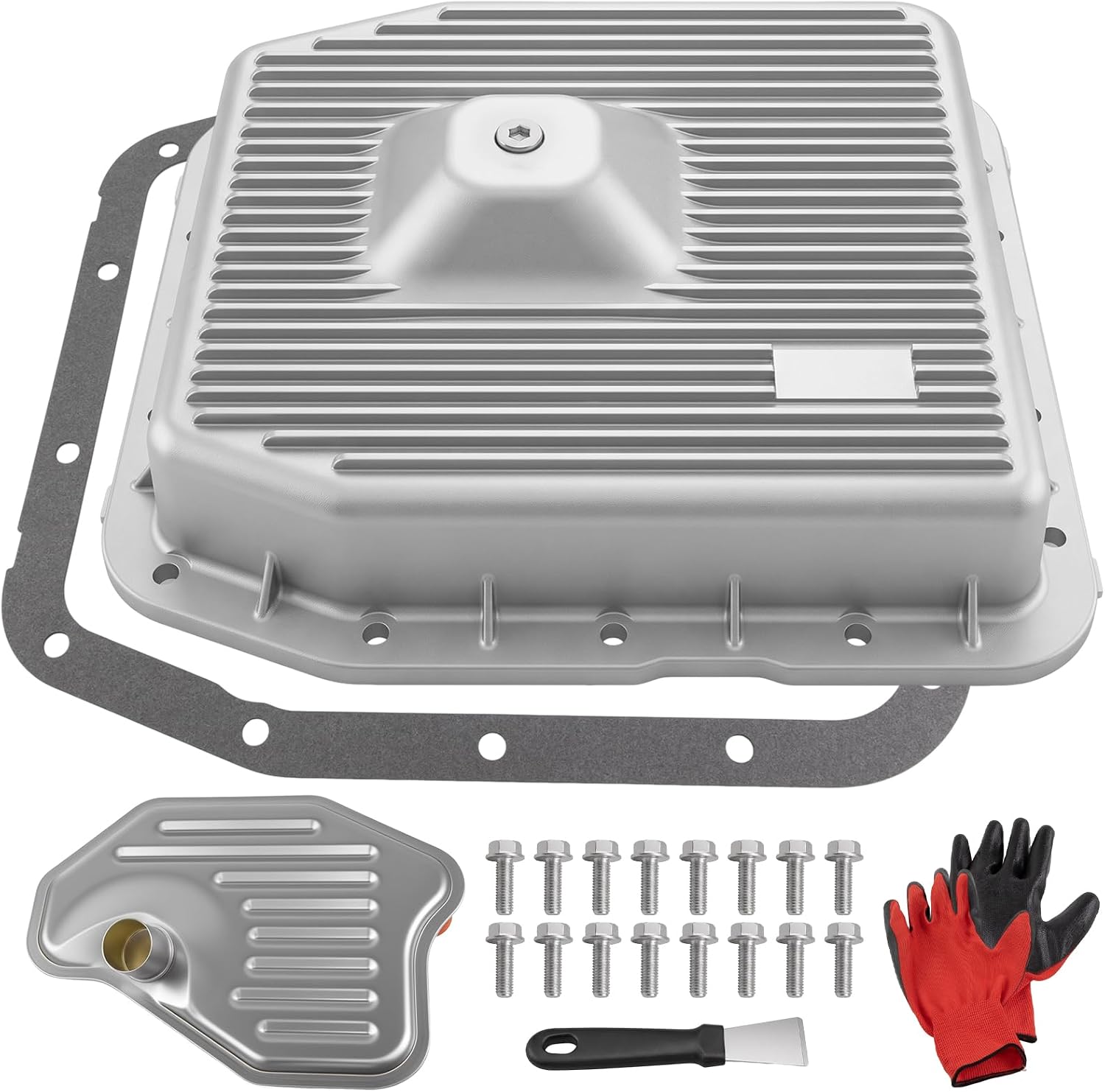
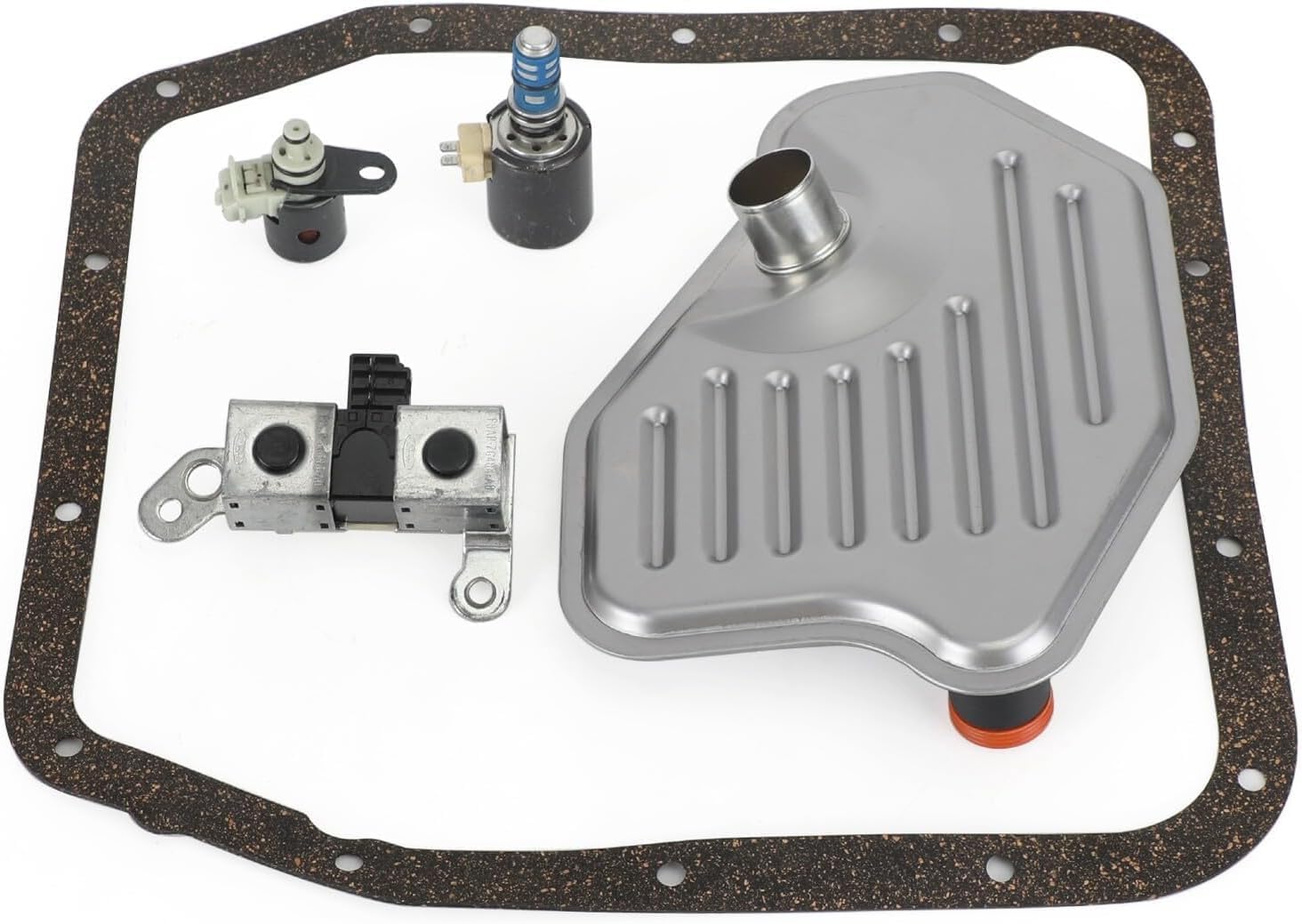
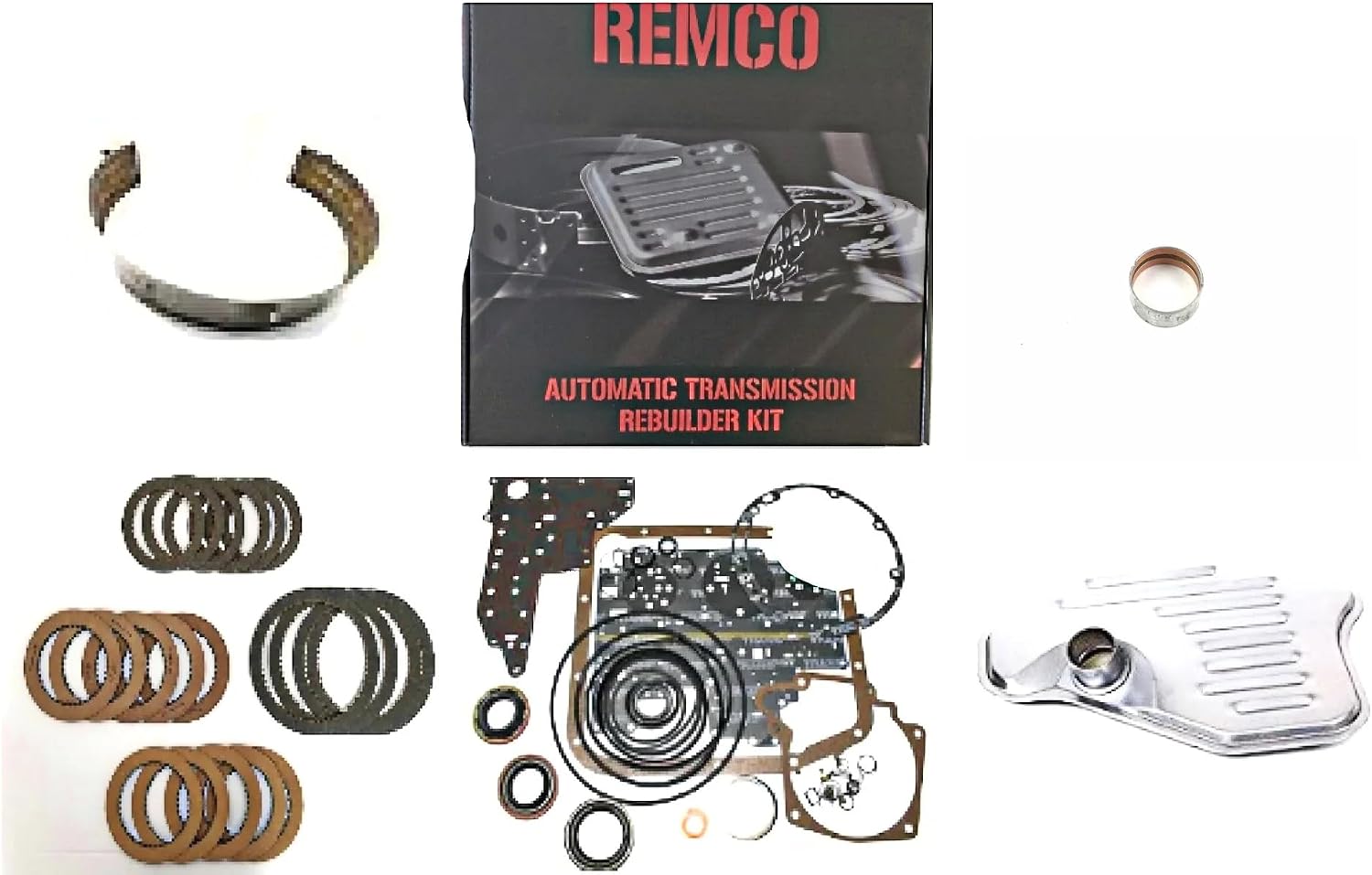
Drop the pan and change the fluid and filter at the same time you install this valve body, since debris already circulating from the old unit is the most common reason a fresh one fails early. Use Mercon V ATF only - the platform is calibrated around that fluid's friction properties, and the wrong spec produces shift complaints that mimic valve body wear, especially under the towing loads a 4R75W is built to handle. Torque the body bolts in Ford's sequence rather than corner to corner, since uneven clamping on this casting can bind a bore that tested fine on the bench. If your original complaint showed up specifically while towing or under heavy throttle, inspect the 4R75W TCC solenoid and the 4R75W shift kit at the same time, since a torque converter clutch solenoid under load-related symptoms and a tired shift kit often ride along with valve body wear on trucks worked this hard. Clear codes and run the adaptive relearn drive cycle after the swap rather than driving normally - a skipped relearn causes comebacks on this platform that have nothing to do with the new part.