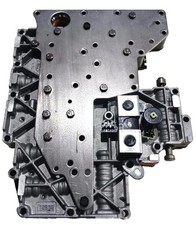
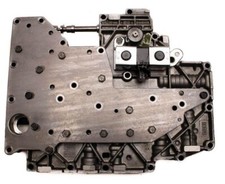
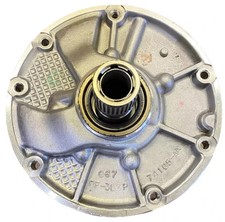
A 2009 truck running the heavy-duty 4R75W that shifts harshly under load, flares on an upshift while towing, slips once it has been driven a while, or has logged a stored pressure or solenoid code is pointing at the valve body before anything else. This listing is an OEM-sourced remanufactured unit referenced to 2009 F-150 applications. By 2009 Ford's F-150 lineup had mostly moved on to the 6R80 six-speed, so finding a 4R75W in a truck this late in the model year is the exception rather than the rule, and it is worth nailing down before you order.
What the valve body does in a 4R75W
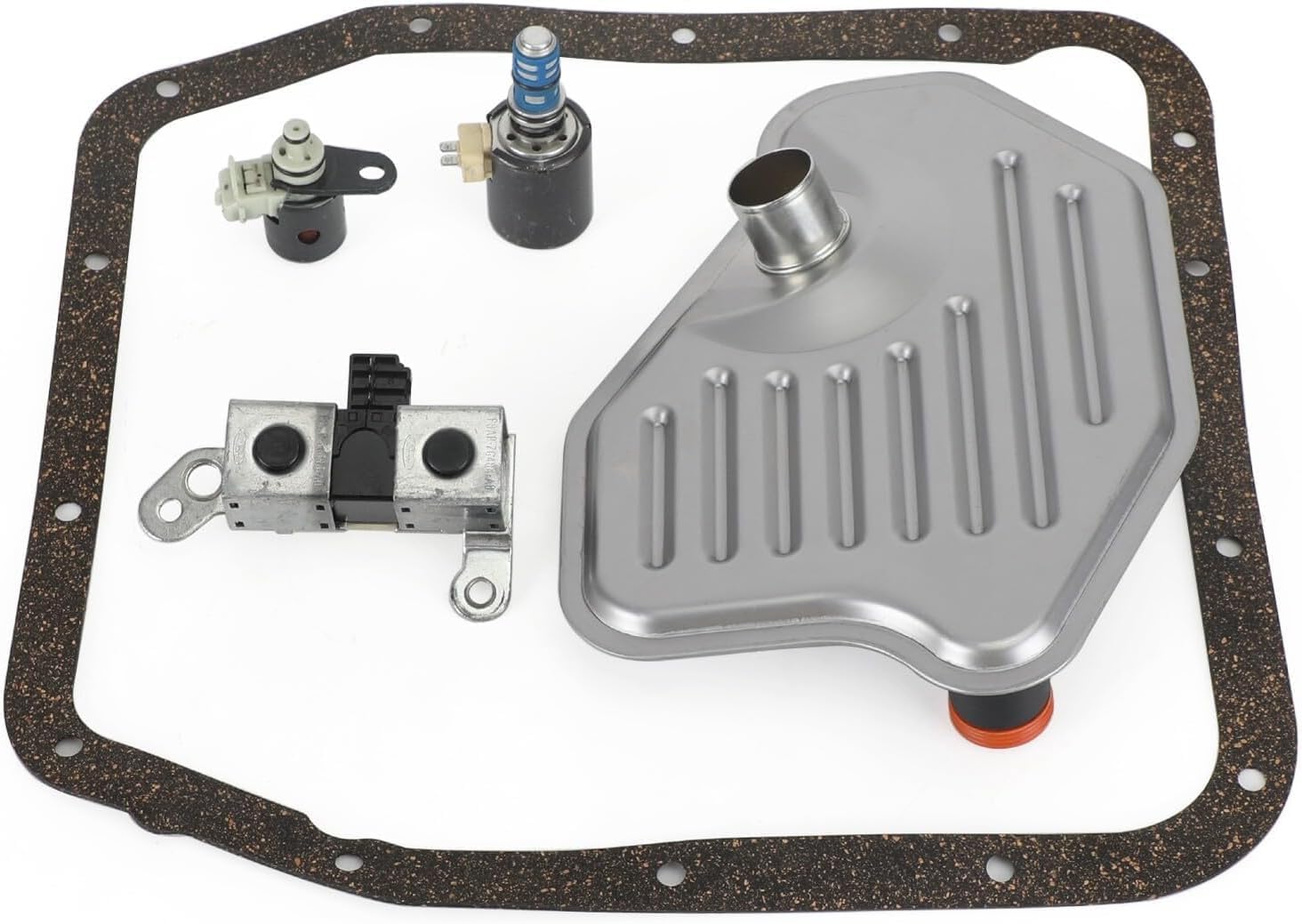
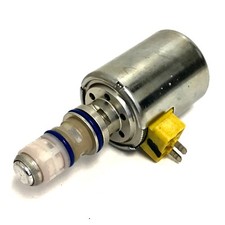
The 4R75W is the uprated, higher-capacity sibling of the 4R70W, built with a stronger case and clutch pack for trucks carrying towing packages and heavier payloads. The valve body is the unit's hydraulic brain regardless of which version it is: a stack of precision bores and spool valves directing main line pressure to the forward clutch, intermediate band, and the overdrive and direct clutches, while also housing the shift solenoids and electronic pressure control (EPC) solenoid that time every shift. On a truck that tows, the boost valve and EPC circuits see more pressure cycling than on a light-duty application, which is the usual reason this casting wears into complaints sooner on a work truck than on a car.
Symptoms this valve body addresses
- Harsh or flared shifts under load, particularly the 2-3 or 3-4 upshift
- Slipping between gears or a converter that fails to lock once warmed up
- Torque converter clutch shudder at light throttle, worse towing or climbing
- Limp mode with a stored pressure, ratio, or shift-solenoid code
How to confirm it before you order
Start by confirming your 2009 truck actually has the 4R75W and not a 6R80, since the two use different pans, solenoid connectors, and fluid specs - ordering on model year alone is a common mistake on this specific model year. Once that's settled, our 4R70W/4R75W valve body testing guide covers the vacuum-test method for isolating a worn bore, and the valve body wear and bench fix guide is specific to the pressure circuits that take the most abuse under towing load.
Fitment
This valve body is referenced to 2009 F-150 applications carrying the 4R75W. Because that configuration is uncommon this late in the F-150's run, send your exact year, model, and VIN before ordering - a casting match on the listing photos is not enough on its own at this point in the production timeline, and this part will not fit a truck that has the 6R80 instead. If your vehicle runs the more common 4R75W years, the 4R70W/4R75W parts hub lists every other valve body in this family, and the 4R75W pump 2009 listing is the matching pump reference for the same model year.
Install notes
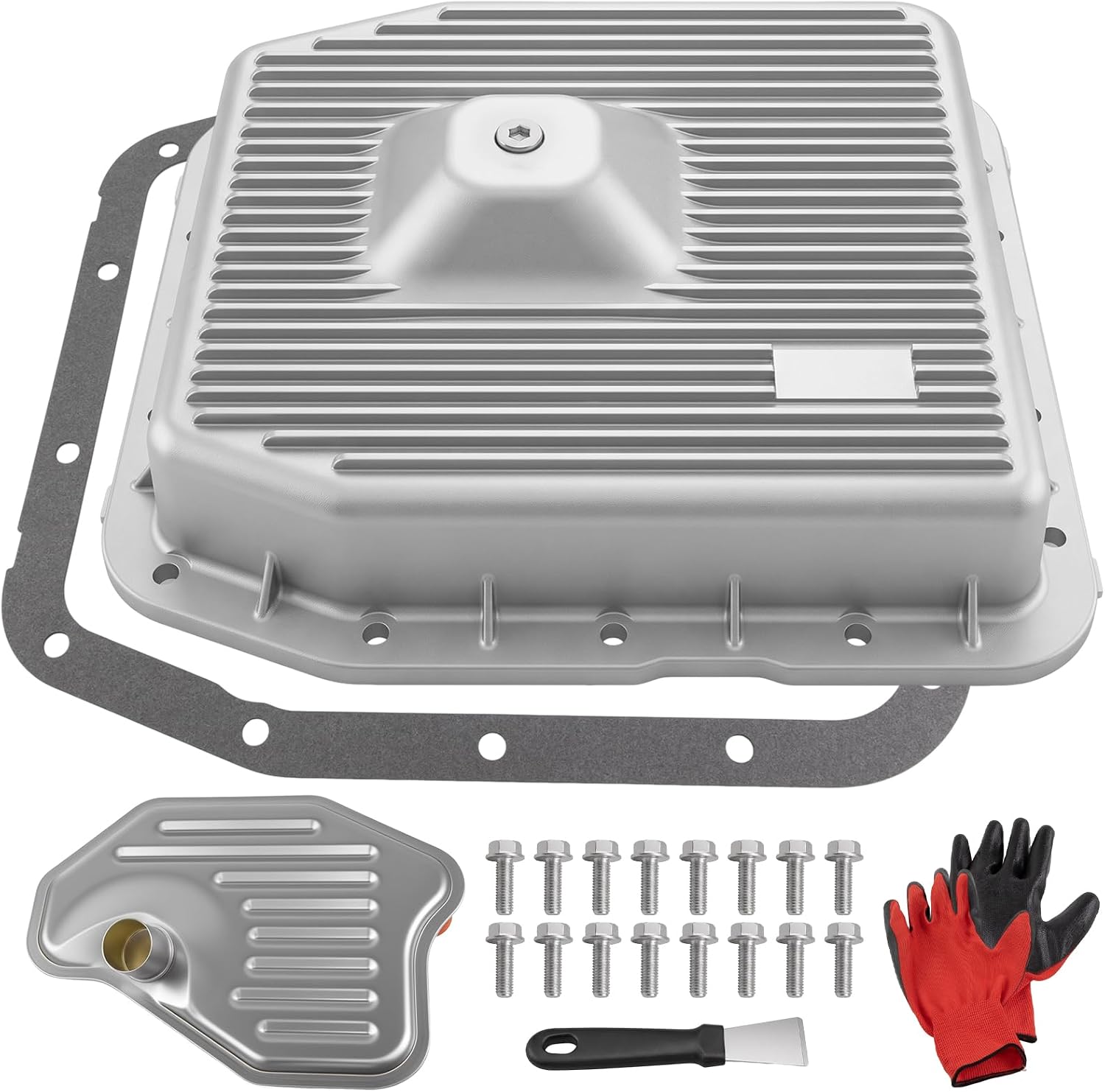
Drop the pan and change the fluid and filter alongside the valve body - debris circulating from the worn original is the leading cause of a fresh valve body failing early. Refill with Mercon V ATF only, since the wrong fluid spec produces shift symptoms that mimic valve body wear and that risk is higher on a truck doing regular tow duty. Torque the body bolts in Ford's sequence instead of corner to corner to avoid binding a bore that tested fine on the bench. Given the towing-duty wear pattern on this casting, check the pressure control solenoid and the 4R75W clutch drum for related wear at the same time, and clear codes to run the adaptive relearn drive cycle after the swap rather than driving the truck normally - skipping the relearn is a frequent cause of comebacks.