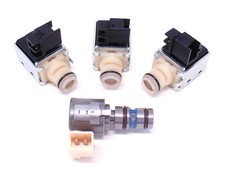
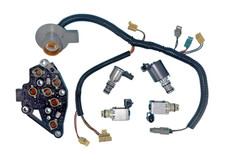
If your older GM front-wheel-drive V6 car with the 4T60E transaxle is starting in second gear, refusing to upshift, dropping out of converter lockup once it is warm, or sitting in limp mode with a shift or TCC code, the electrical side of the valve body is the first place to look. This is a new GM-branded 4T60E solenoid kit. The listing photo shows three square-bodied on/off solenoids and one spool-type pressure control solenoid, so the whole electrical set on the valve body can be replaced in one pass instead of one coil at a time.
What the solenoid kit does in a 4T60E
The 4T60E was GM's move from the hydraulically governed 4T60 to computer control. Instead of a governor and throttle cable deciding when to shift, the engine computer reads vehicle speed and throttle position and switches the shift solenoids on and off to move the shift valves. A separate solenoid applies and releases the torque converter clutch, and the pressure control solenoid trims line pressure so shifts are firm without being harsh. When one coil opens up or a seat wears and bleeds oil, the computer commands a gear the hydraulics never deliver. The 4T65E that replaced it in 1997 kept this same basic arrangement, which is why much of the 4T65E diagnostic advice carries back to this unit.
Symptoms that point to the solenoids
- Starts in second gear, or no 3rd or no 4th
- Erratic shifts or a 2-3 shuttle that changes with temperature
- Converter clutch falling out of lockup when hot, shudder, or an overheated converter (older GM codes 39 and 740 on these cars)
- Firm or soft line pressure, harsh engagement, or burnt-smelling fluid
- Limp mode with a solenoid circuit or performance code stored
Be aware that several of those complaints are also caused by worn valve bores. Sonnax lists the same no-3rd, no-4th and second-gear-start symptoms for the 2-3 shift valve on 1994-later 4T60E units, and the lockup complaints for the TCC regulator valve, so a new solenoid set fixes the electrical cause but not a worn bore.
How to confirm it before you order
Pull the codes first, then check each solenoid's resistance at the case connector and again at the solenoid itself. A coil that reads open or shorted is a clear fail; a coil that reads in range but still will not hold pressure points to a worn seat or a leaking O-ring. Inspect the internal harness for melted insulation while the pan is down. Our shift solenoid symptoms guide walks through the same testing on the successor unit, and the pressure control solenoid guide covers line pressure complaints.
Fitment
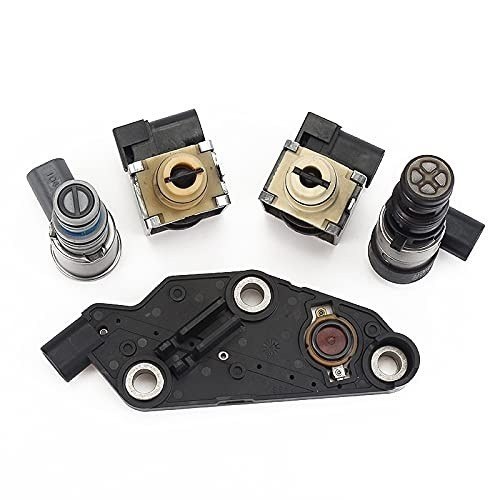
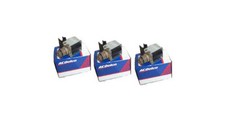
This kit is listed for the 4T60E without a model-year range. GM made running changes across the 4T60E's production, and not every year used the same solenoid set, so compare the connectors and the shape of each solenoid on your valve body to the listing photo, or send us your year and VIN before you order. If you have a 1991 unit, we list a separate 1991 4T60E solenoid kit. Cars built from 1997 on use the 4T65E; browse the 4T65E and 4T60E parts collection for those kits.
Install notes
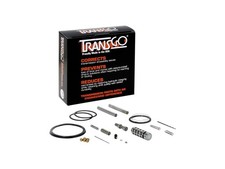
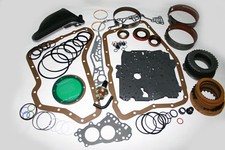
Disconnect the battery, drop the side cover or pan as your car requires, and unplug the harness before removing any solenoid. Fit new O-rings on every solenoid, lubricate them with clean ATF, and seat each one by hand without forcing the retainer. Dexron VI is the correct fill today because it is approved for back-service in older Dexron-III units. Clear codes after the job and let the computer relearn shifts over several drive cycles. If the internal harness is brittle, replace it now; an internal wiring harness is listed for the later unit. If the shifts still flare after new solenoids, a 4T60E overhaul kit is the next step.