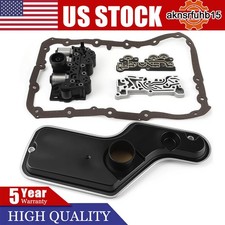
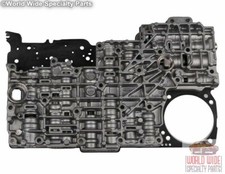
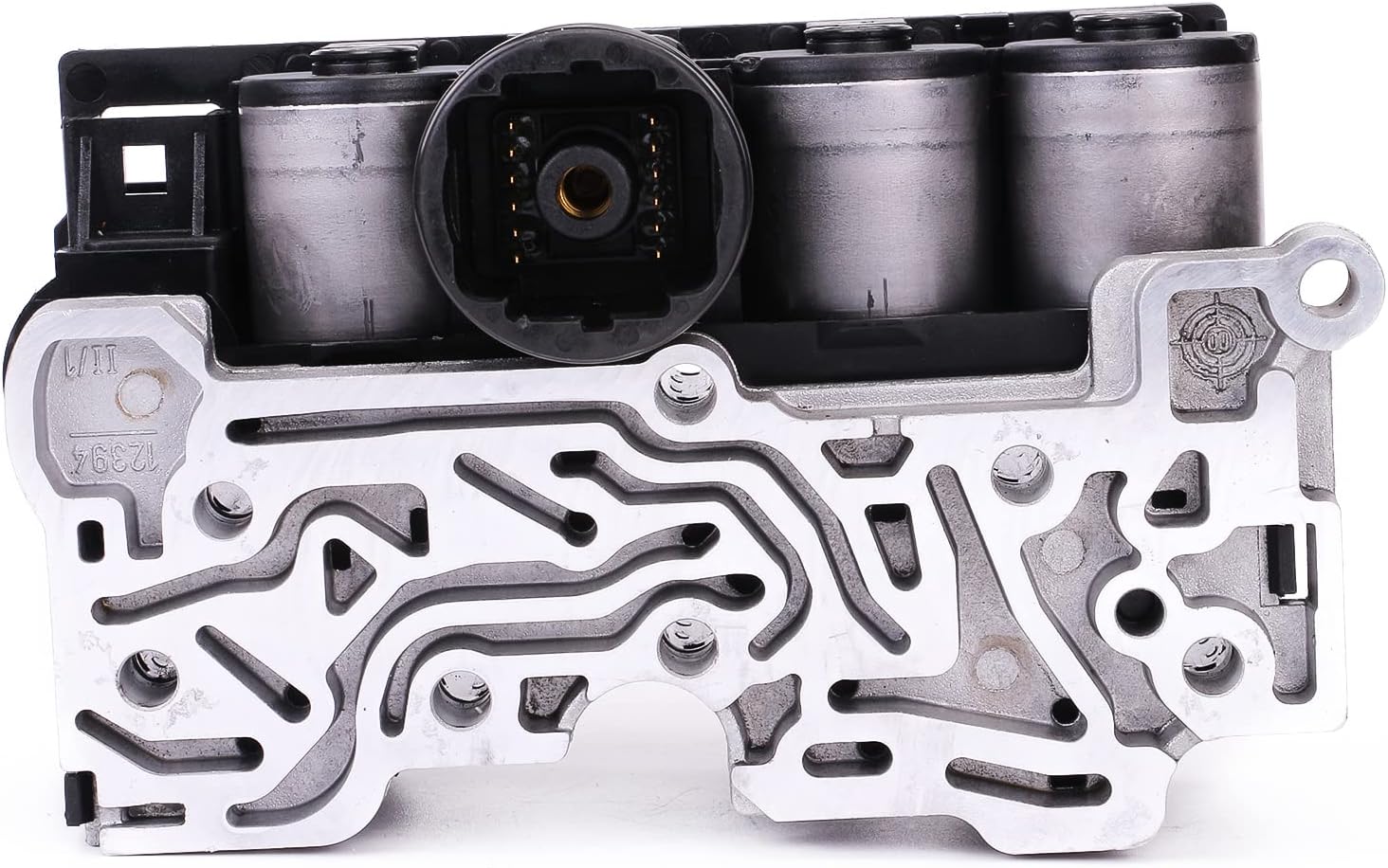
When a 2004-2010 Ford Explorer starts flaring between second and third, coasts down with a clunk, or parks itself in a single gear with the wrench light on, the part most shops reach for first is the solenoid block bolted under the valve body. This is a new 5R55W/5R55S solenoid block listed for 2002-2010 Ford Explorer, and it ships as a kit with a new filter, pickup screen and pan gasket. The interchange numbers on the listing include 9L2Z-7G391-AA, which is Ford's updated design of the late solenoid pack.
What the solenoid kit does in a 5R55W
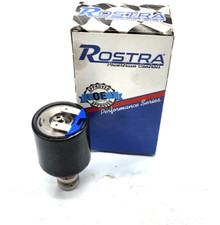
Nothing in this transmission shifts without a command from the PCM, and every command ends at this block. It carries the on/off shift solenoids that pick the gear plus three variable force solenoids, PCA, PCB and PCC, that decide how hard each band and clutch is applied. ATRA's technical seminar notes explain the jobs in detail. PCA and PCB raise and lower mainline pressure in every range from Park to Manual 1, and the PCM always drives them in opposite directions. PCA also feeds the VFS1 modulator, which applies the intermediate servo in third and the low/reverse servo in manual 1 and 2. PCB feeds the VFS2 modulator, which applies the overdrive servo and the coast clutch. PCC handles reverse engagement and applies the direct clutch in fourth and fifth. So a single weak solenoid can show up as a 2-3 flare, no engine braking in manual low, or a slow reverse.
Symptoms that point to the solenoid block
- Soft or flared 2-3 upshift, the most common complaint on this unit
- Harsh downshifts as the truck rolls to a stop
- Little or no engine braking with the selector in manual 1 or 2
- Delayed or hard engagement into Reverse
- Shift solenoid or pressure control codes, or failsafe with no upshifts
- Converter clutch that will not apply on the highway
How to confirm before you order
Check the fluid level hot and smell it. Dark, burnt fluid with friction material in the pan means the clutches or bands are already damaged, and a new block will not bring them back. Next, inspect the case connector and internal harness for fluid wicking and brittle insulation, then read codes and watch commanded versus actual gear. ATRA also points at two hydraulic causes of the same flare: a worn pressure regulator valve or sleeve, and worn overdrive and intermediate servo control valves and plugs. A slip with a ratio code such as P0735 is more often servo pin bore wear in the case. Our 5R55 harsh and delayed shift walkthrough runs through those tests in order, and the 5R55W Explorer shift problems guide covers the Explorer-specific failures.
Fitment
The listing covers the 2002-2010 Ford Explorer and names a 4WD drive type; the block itself sits inside the transmission, so drive type does not change how it mounts. The catch is the model year. ATRA states that 2002-2003 Ford units used the early pack, 1L2Z-7G391-AG, and 2004-on units use the later pack, with Ford recommending only the updated 9L2Z design for those later transmissions. That makes this kit a natural fit for a 2004-2010 Explorer five-speed. On a 2002-2003 truck, read the number on your old block before you order. Also note that not every late Explorer has a 5R55: check the transmission tag, or send us the year and VIN and we will confirm. If you own a 2002 Explorer, the 5R55W solenoid kit for 2002 page covers that year in detail, and every part for this family is on the 5R55 collection page.
Install notes
- Drain the fluid, drop the pan, pull the old filter and disconnect the internal harness connector.
- Remove the eight block bolts. Ford's service procedure torques them to 71 lb-in (8 Nm) in a set sequence and warns that overtightening damages the block.
- Fit the new filter, screen and pan gasket from this kit, then refill with Mercon V and set the level hot at the T30 Torx check plug.
- Clear codes, reset the adaptive values with a scan tool, and drive through all five gears so the PCM relearns shift pressure.
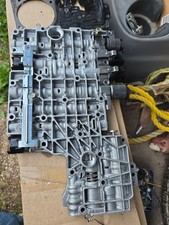
- If the valve body bores are worn, pair the block with the 5R55S/W shift kit for 2002-2010, or replace the whole 5R55W valve body when the regulator and servo valves are worn.