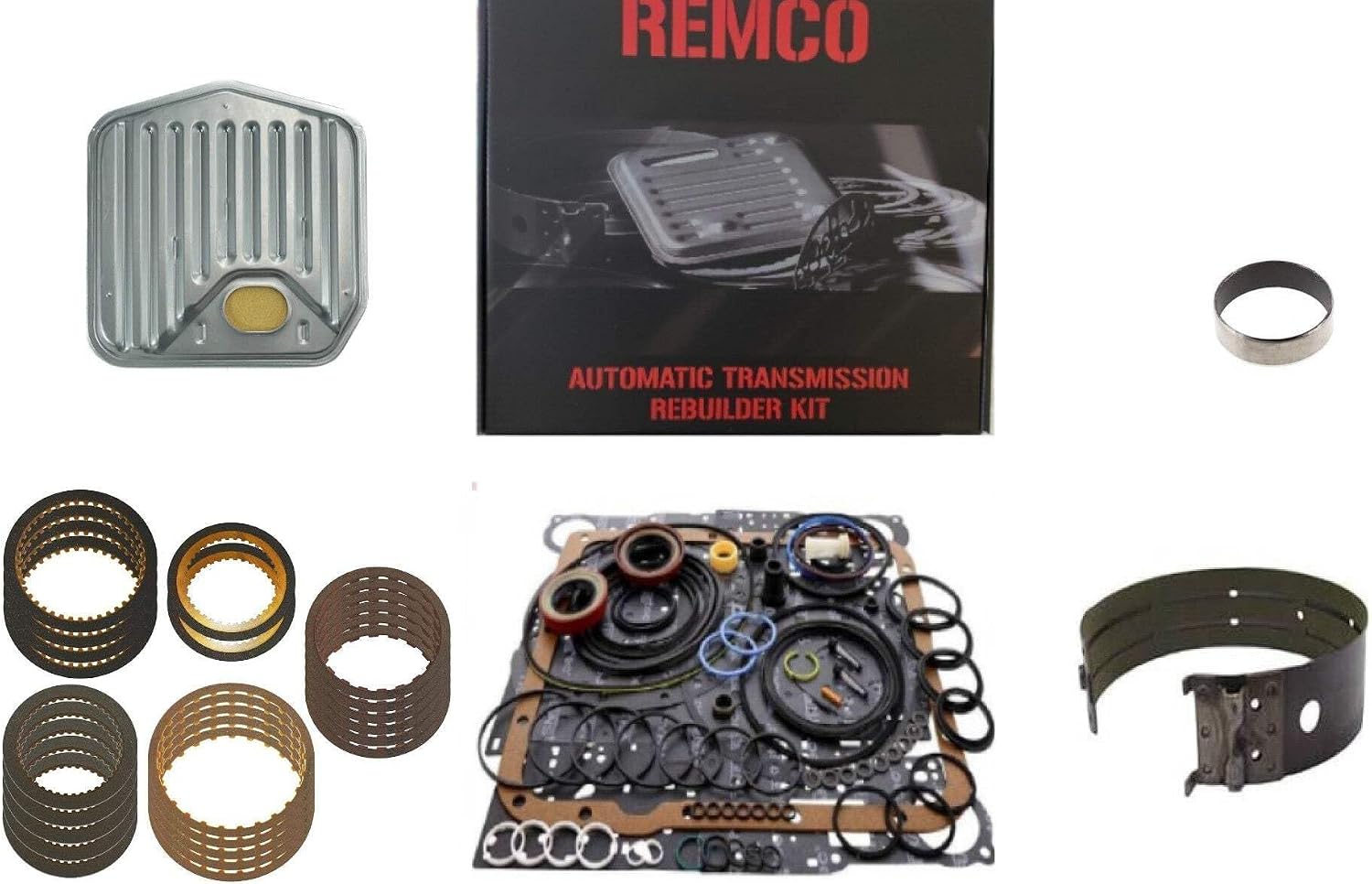
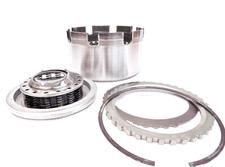
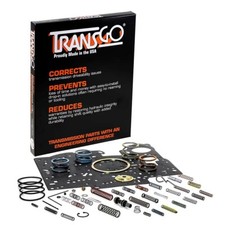
If your 1982-1993 Chevy C/K pickup, Blazer, Astro, S10, Camaro, Firebird or Corvette has a 700R4 that slips into third, flares on the 2-4 shift or leaks from every seal, this Remco overhaul kit (part number RK700R4-FBA) gives you the soft parts and friction surfaces to put it back together right. It also covers units built after GM renamed the 700R4 the 4L60 in 1990, and the listing includes the first-year 1993 4L60E.
What the rebuild kit does in a 700R4
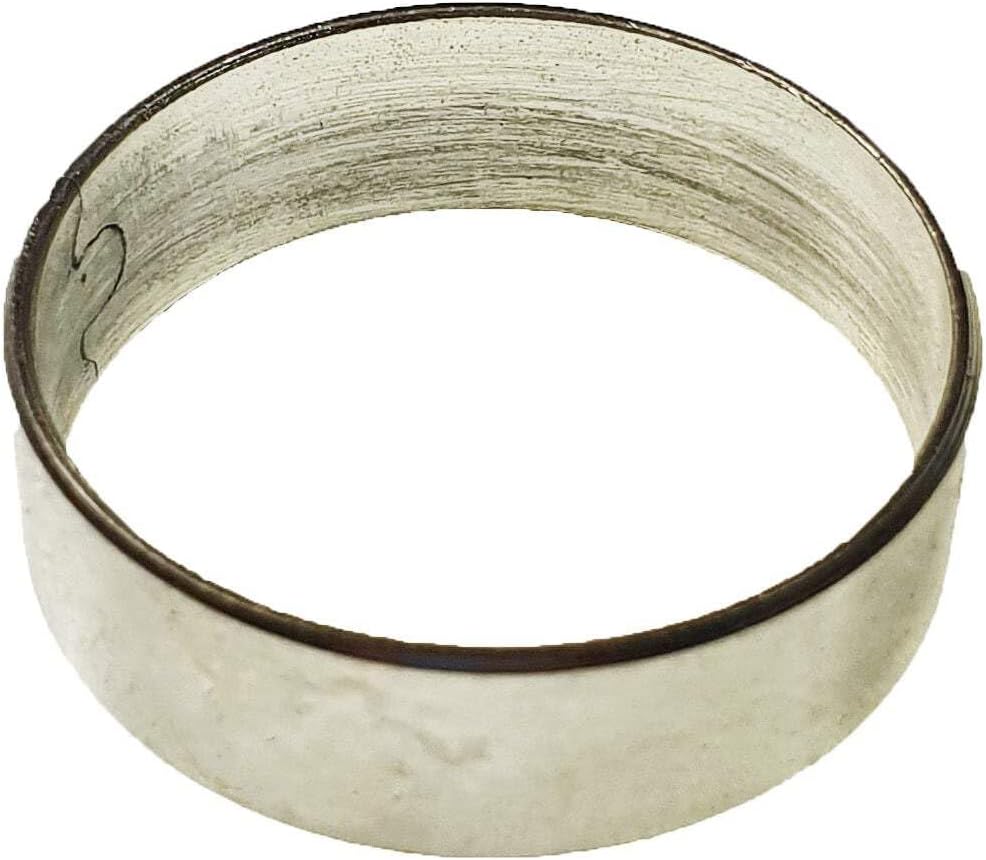
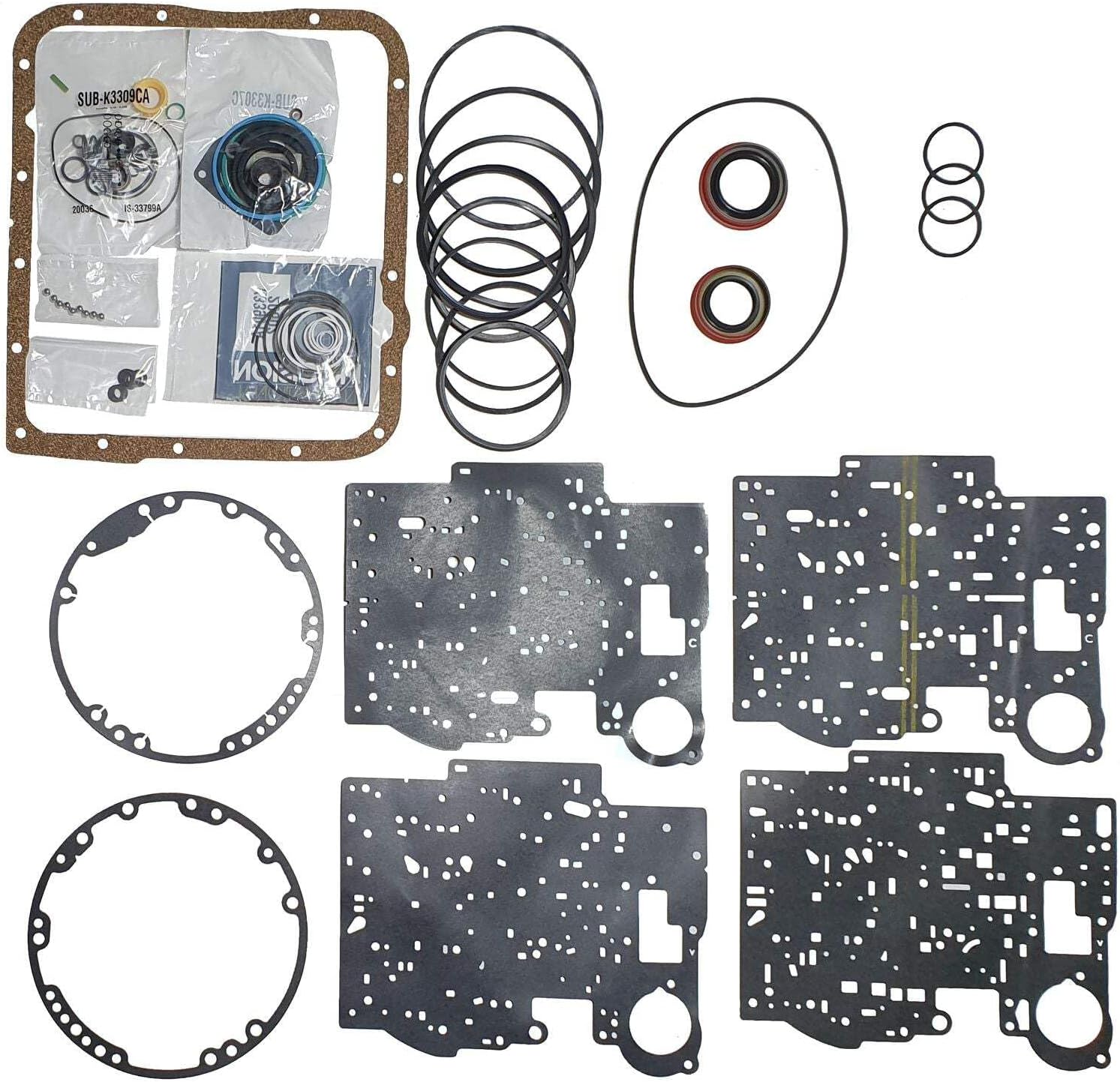
The 700R4 is a hydraulically controlled four-speed with overdrive. There is no computer setting shift pressure: the throttle valve (TV) cable tells the valve body how hard you are pushing, and line pressure follows. Every clutch pack and the single 2-4 band only hold as well as their friction material and seals allow. This kit replaces those wear items in one box: high energy frictions for the forward, overrun, 3-4 and direct packs, a new 2-4 band (listed as the front band), the front pump bushing, a filter, and the full gasket and seal set with pan gasket, pump gasket, lip seals and sealing rings. Fresh lip seals and rings restore apply pressure to each piston, which is what actually keeps a clutch from slipping.
Symptoms that point to an overhaul
- Slipping or a long flare on the 2-3 or 3-4 shift, the classic 700R4 3-4 clutch failure
- Burnt-smelling fluid with friction material or metal in the pan
- Delayed or soft engagement into drive or reverse once the unit is warm
- Leaks from the pump, pan, servo cover or rear seal at the same time
- No overdrive, or fourth gear that slips under light load
The 700R4 does not store transmission trouble codes, so diagnosis is hands-on. A 3-4 clutch that burned up is very often a TV cable that was never adjusted correctly, which drops line pressure exactly where the clutch needs it.
How to confirm what you need before buying
Check fluid condition and run a line pressure test at idle and with the TV cable pulled to wide open. Low pressure everywhere points at the pump or valve body; low pressure only under throttle points at TV adjustment. Our 700R4 common problems and fixes guide walks through the failure patterns, and the TV cable adjustment guide explains why skipping that step burns a new 3-4 pack. If you are not sure whether you have a 700R4 or a 4L60E, use the 4L60E vs 700R4 interchange guide.
Fitment
The kit is listed for GM 700R4 and 4L60 units from 1982 through 1993, including the early hydraulic units and the first-year 4L60E, in rear-wheel-drive GM trucks and cars such as the C/K 1500, Blazer, Astro, S10, Camaro, Firebird and Corvette. GM revised drums, pistons and the input housing several times in that span, so compare the kit against your parts on the bench and send us your year and VIN if you want fitment checked. Everything else we carry for this unit is in the 700R4 parts collection.
What is not in the box
Steel plates and the remaining case bushings are not included. If your steels are flat, clean and not blued, reuse them. Lay each one on a flat surface and check for coning or heat discoloration; replace any pack that fails. A unit that lost third gear or reverse completely usually damaged steels and sometimes drums, so budget for more than this kit.
Install notes
- Soak the new frictions in fresh ATF before assembly. Dexron VI is the current GM fluid that supersedes the original Dexron spec for this unit.
- Replace the front pump bushing and the band while the case is apart; they are the two items most often skipped and blamed for repeat failures.
- Set the 3-4 and forward clutch clearances with a dial indicator, and check total end play (GM range is 0.005-0.036 in) before the pan goes on.
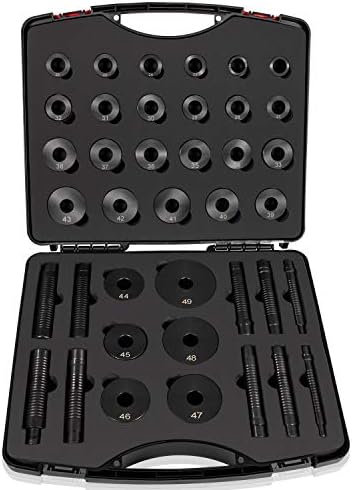
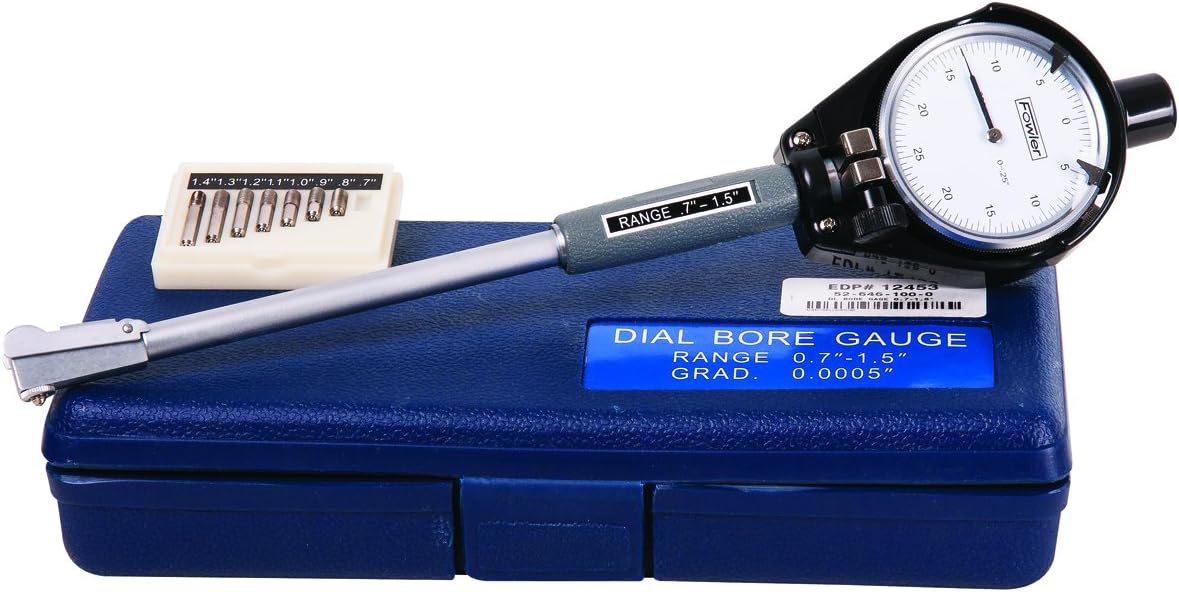
- Drive out worn case and drum bushings with a proper master bushing driver set, and measure bores with a dial bore gage before deciding what to reuse.
- If the valve body is worn or someone has modified it badly, a new 1982-1993 700R4 valve body is cheaper than a second rebuild.
- Adjust the TV cable before the first drive. This one step protects the new 3-4 clutch more than anything else.