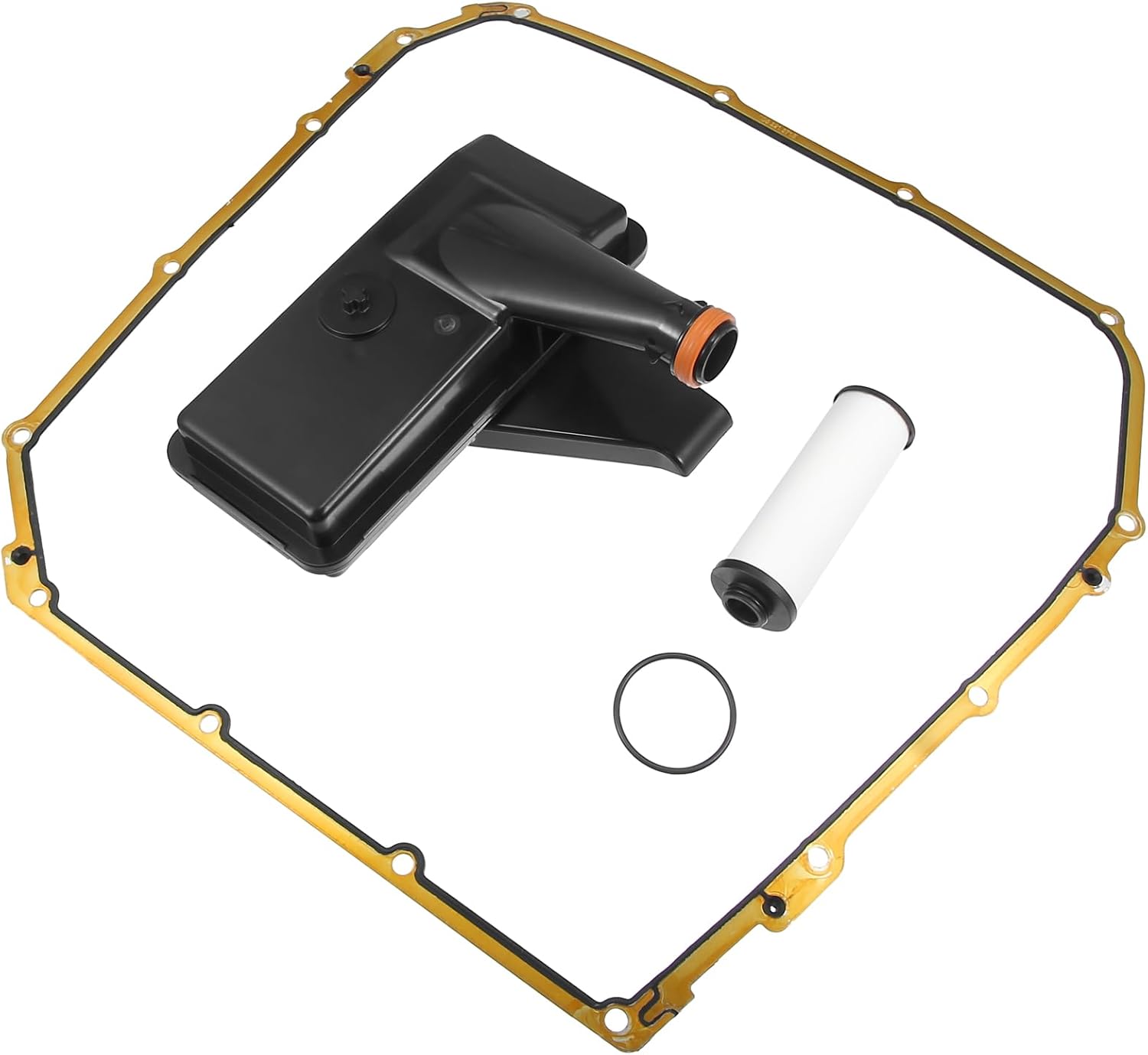
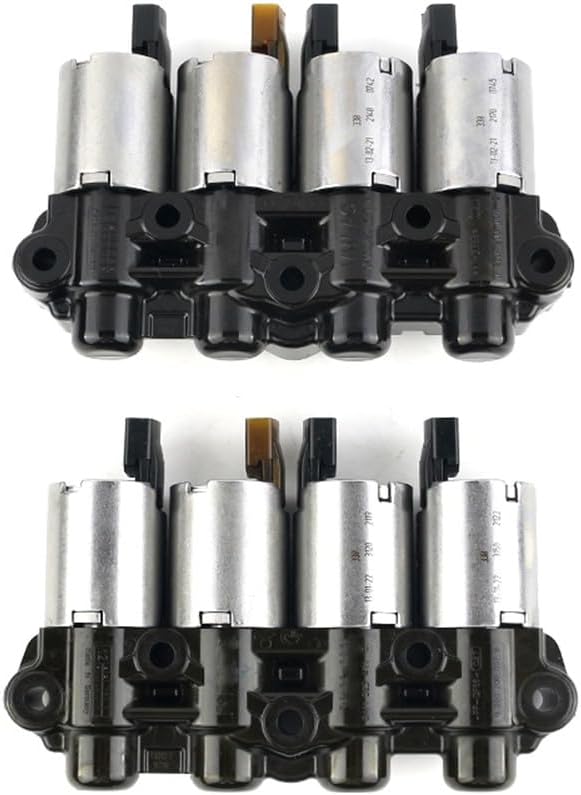
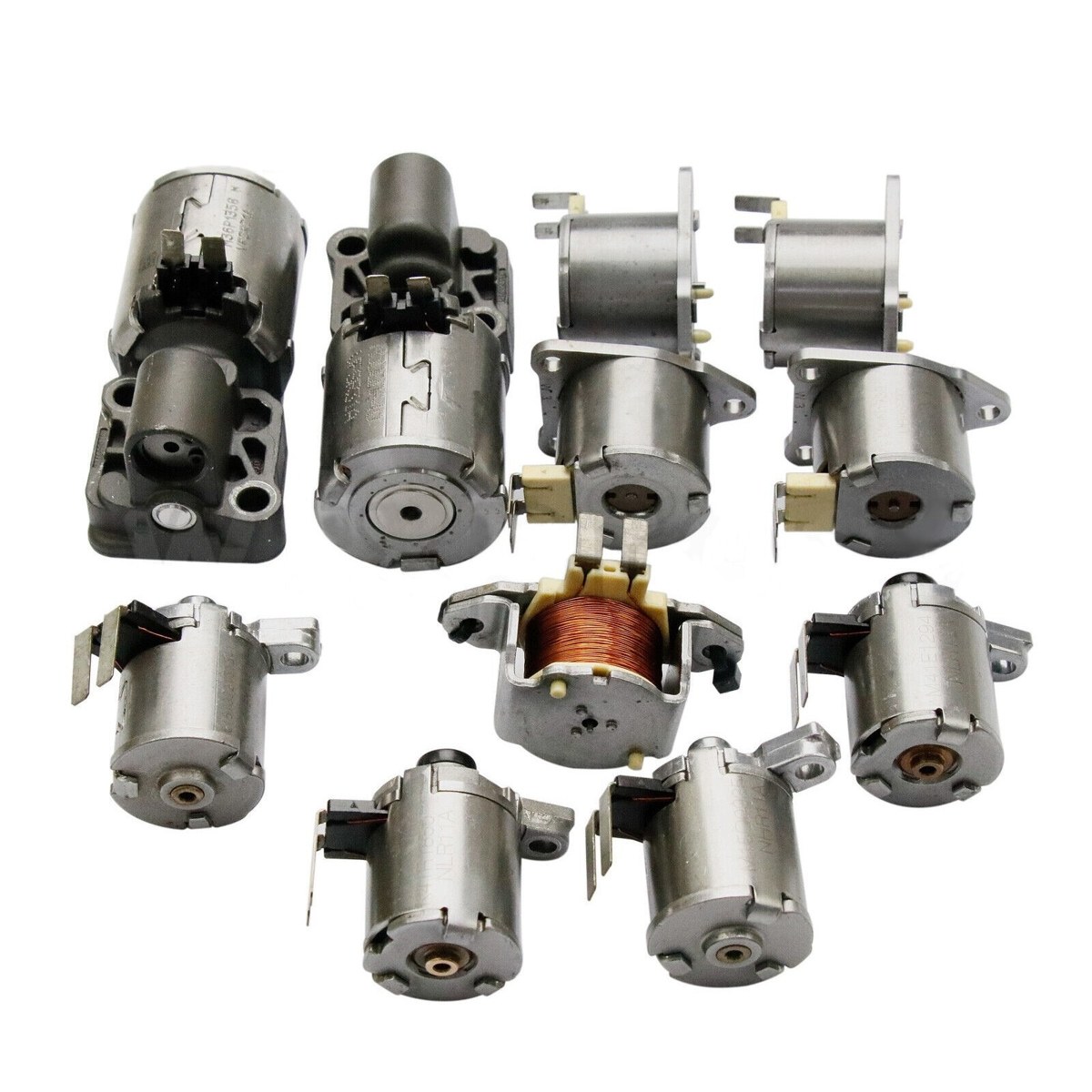
If your VW Golf, Jetta or Polo, Audi A1 or A3, Skoda Octavia or Fabia, or Seat Leon or Ibiza with the 7-speed dry-clutch DSG has started banging on take-up, hesitating before it picks a gear, or flashing the gear display and dropping to neutral, the cracked accumulator housing on the mechatronic is the first thing to suspect. This kit replaces that housing on the 0AM (DQ200) unit and supplies the gaskets and seals you need to put the mechatronic back together tight. It covers OE numbers 0AM325066AE, 0AM325066AC, 0AM325066AA, 0AM325066C, 0AM325066R and 0AM325413A.
What the accumulator housing does in a DQ200
The DQ200 does not run its hydraulics off the gearbox oil. The mechatronic has its own small sump, its own electric pump and its own mineral-based oil. The pump charges an accumulator: a gas-charged piston on one side, oil on the other. That stored oil is what the solenoids use to engage the two dry clutches and move the shift forks, and Gears Magazine puts its normal working pressure at roughly 40 to 60 bar (580 to 870 psi), with peaks near 70 bar. The aluminum housing that holds the accumulator and the pump outlet sees that pressure every second the car is running, and it is the casting that fails.
Symptoms of a cracked DQ200 accumulator housing
- Harsh engagement or a bang when pulling away from a stop
- Long delay before the box selects 1st or reverse
- Gears dropping out under load, or the car going to neutral while moving
- Flashing gear indicator and limp mode with hydraulic pressure faults stored
- The mechatronic pump running far longer than normal, which heats the unit and accelerates wear
- Oil weeping around the mechatronic, or a low mechatronic oil level
The tricky part is that a crack can start with no drivability symptom at all. The housing seeps, the pump works harder to keep up, and the car feels fine until it does not.
How to confirm the housing before you buy
Scan data tells you more than a road test. With the engine idling at operating temperature, watch the mechatronic pressure switch and how often the electric pump cycles on. A healthy unit charges the accumulator and then rests; a cracked housing keeps the pump running or cycling quickly because pressure bleeds away. Pull the codes, look for oil around the mechatronic, and check the mechatronic oil level. Our DSG pressure testing guide walks through the pressure side, and DSG overheating causes explains why a pump that never shuts off cooks the unit.
Fitment
This housing is for the 0AM / DQ200 seven-speed dry dual-clutch only, in front-wheel-drive VW, Audi, Skoda and Seat cars. It does not fit the 02E / DQ250 six-speed wet-clutch DSG, and it is not for the 0B5 or DQ500 seven-speed wet units. The casting supplied is the 4.6 mm version, the thicker replacement used in place of the thinner original. Check the transmission code on your gearbox label or in your scan tool and match it to 0AM before ordering. If you are unsure, send us your year and VIN and we will check it. Browse every dual-clutch part we carry on the DSG and dual-clutch collection page.
Install notes
- Treat the accumulator with respect. It holds pressurized oil behind a protective cover, so depressurize the system as the service information describes before you open anything.
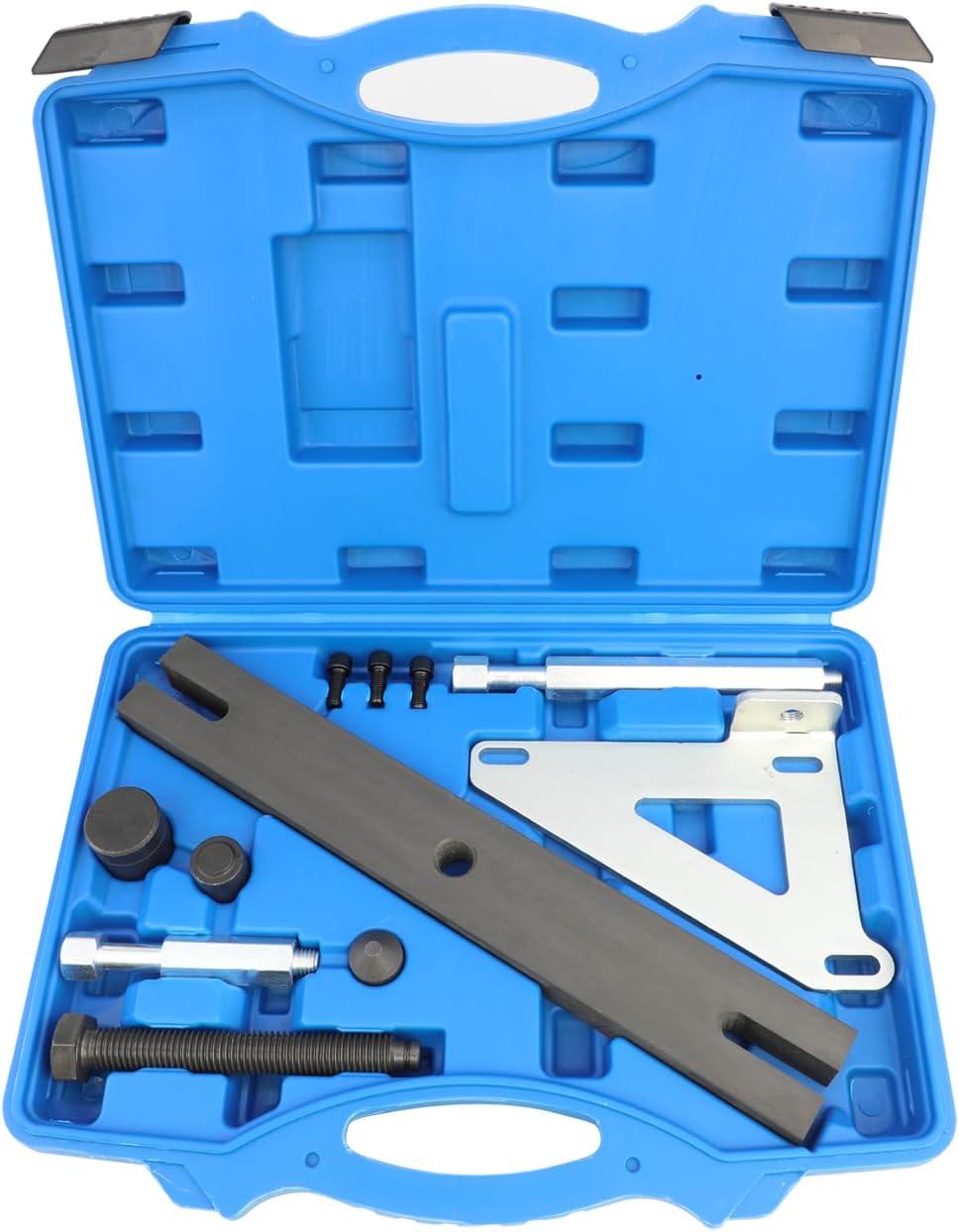
- Remove the gearbox housing cover and lift the mechatronic out. The 0AM housing removal tool kit makes the job far less risky on the shift fork pins.
- Transfer the solenoid blocks and sensors to the new housing in their original positions. If the solenoids are already throwing valve faults, this is the time to fit the DQ200 solenoid block pair.
- Use every new O-ring and gasket in the kit, tighten the housing screws evenly so it seats flat, and refill the mechatronic with the correct mineral hydraulic oil by capacity, not by guesswork.
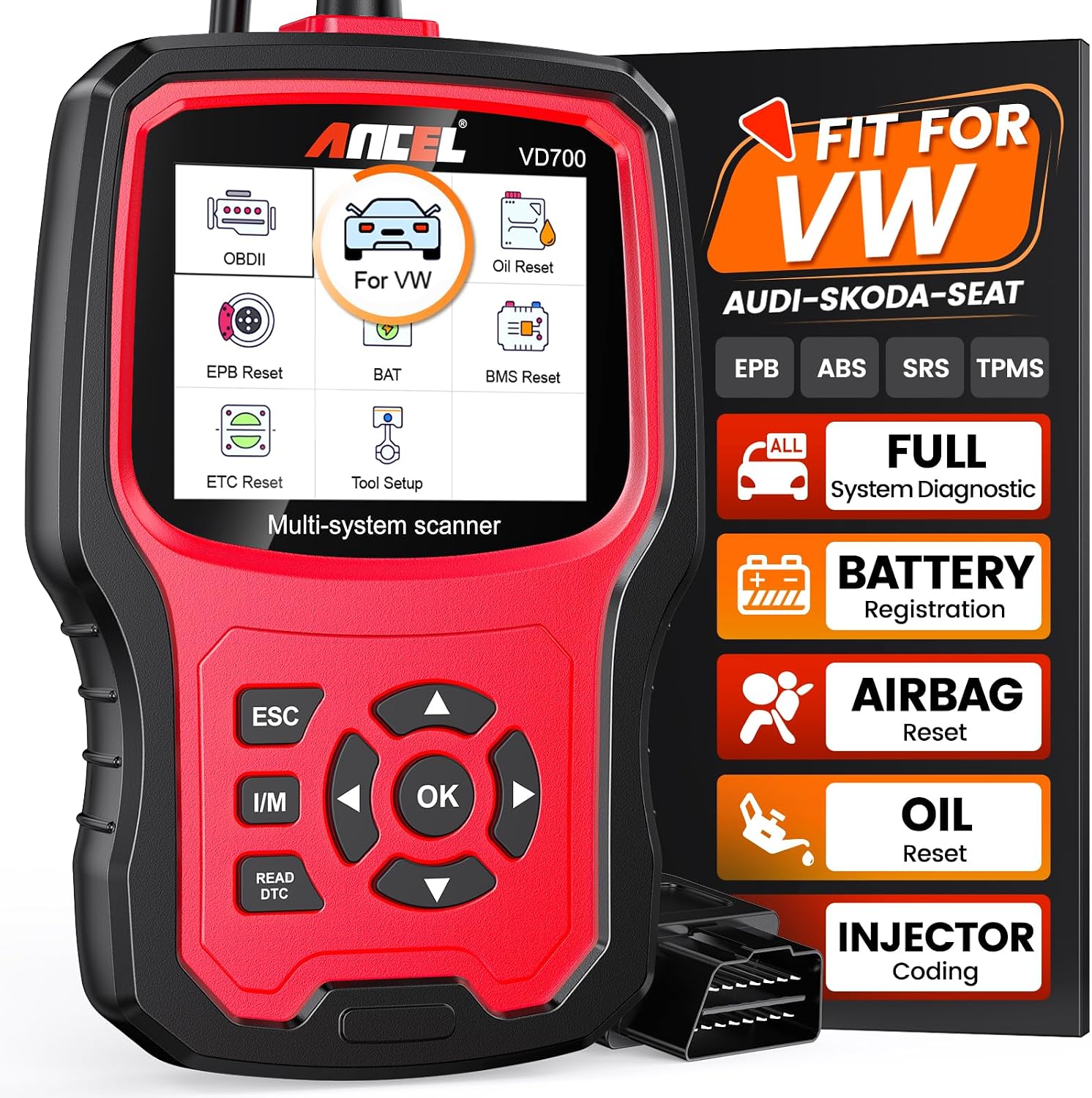
- Finish with Basic Settings and the defined test drive using VCDS, ODIS or another VW-capable scan tool. Ross-Tech lists the prerequisites: no faults stored, oil between 30 and 60 C, lever in P, ignition on with the engine off, and the brake held down for the whole procedure.