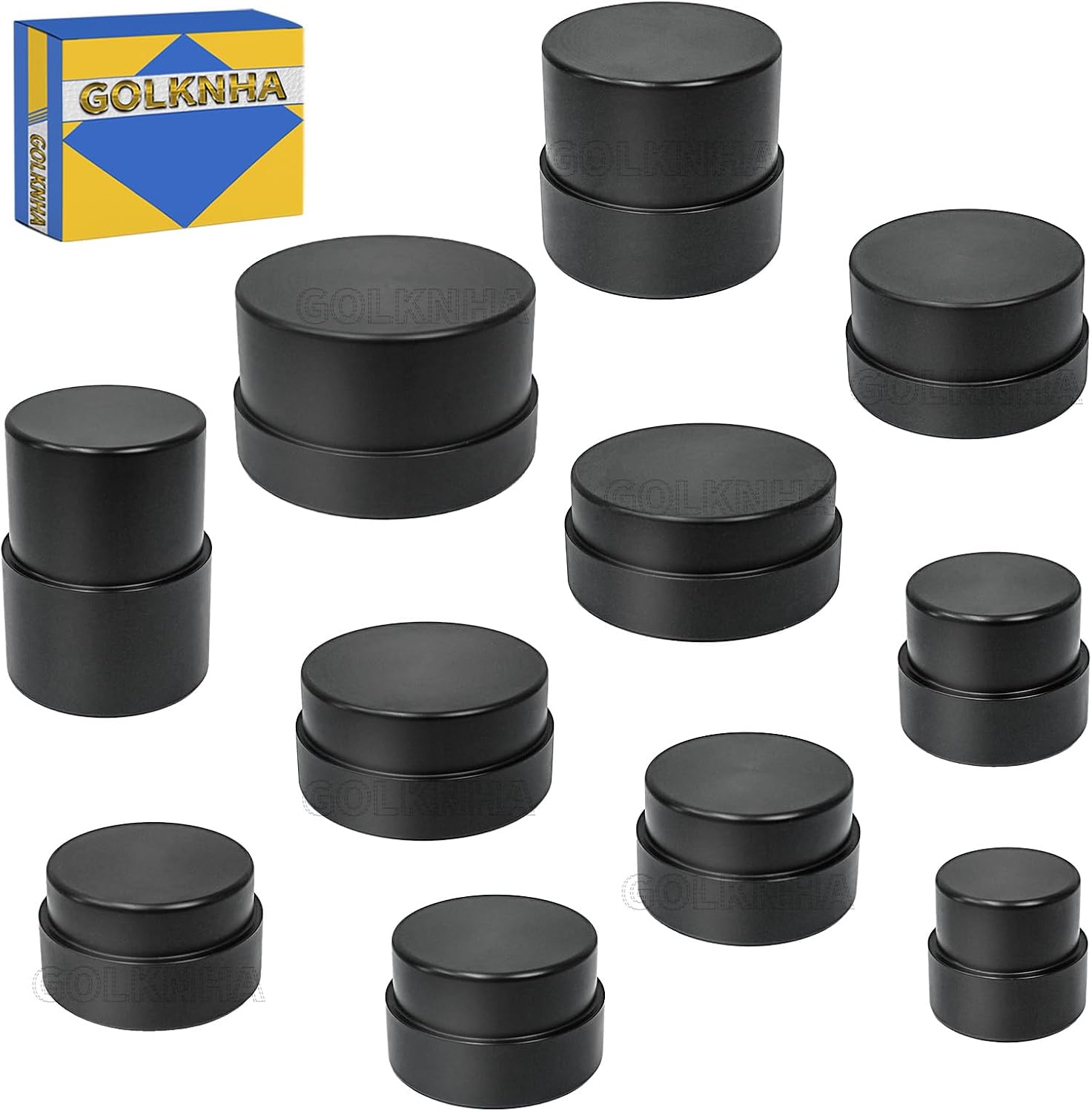
Worn bushings are the quiet killer in a high-mileage 4L80E. A Silverado 2500 that has towed for years, an Express van with a lot of idle time, or a TH400 that has been in a hot rod for decades will often look fine on the outside and still have bushings that let the shafts wobble and bleed off pressure. This 11-piece driver kit is made for replacing those bushings in GM 4L80E, 4L85E, TH400 and TH350 units, with drivers sized for the case, extension housing, pump, drum and speedometer bushing locations.
What bushings do in a 4L80E, and why the drivers matter
Inside a 4L80E the bushings are not just bearings. Several of them sit between rotating shafts and the passages that feed the clutches and the converter, so the clearance between bushing and shaft acts as a seal. When the stator support bushing wears, apply oil meant for the converter clutch leaks past, and Sonnax lists TCC slip codes, no lockup, overheated fluid and no overdrive among the problems a new stator support bushing helps cure. A worn case bushing lets the output shaft move and can walk out of its bore. Getting a new bushing in straight is the whole job. Drive it in with a socket and a hammer and it can cock, shave the bore or crush its own edge, and a crushed bushing has the wrong inside diameter before the truck is even back on the road.
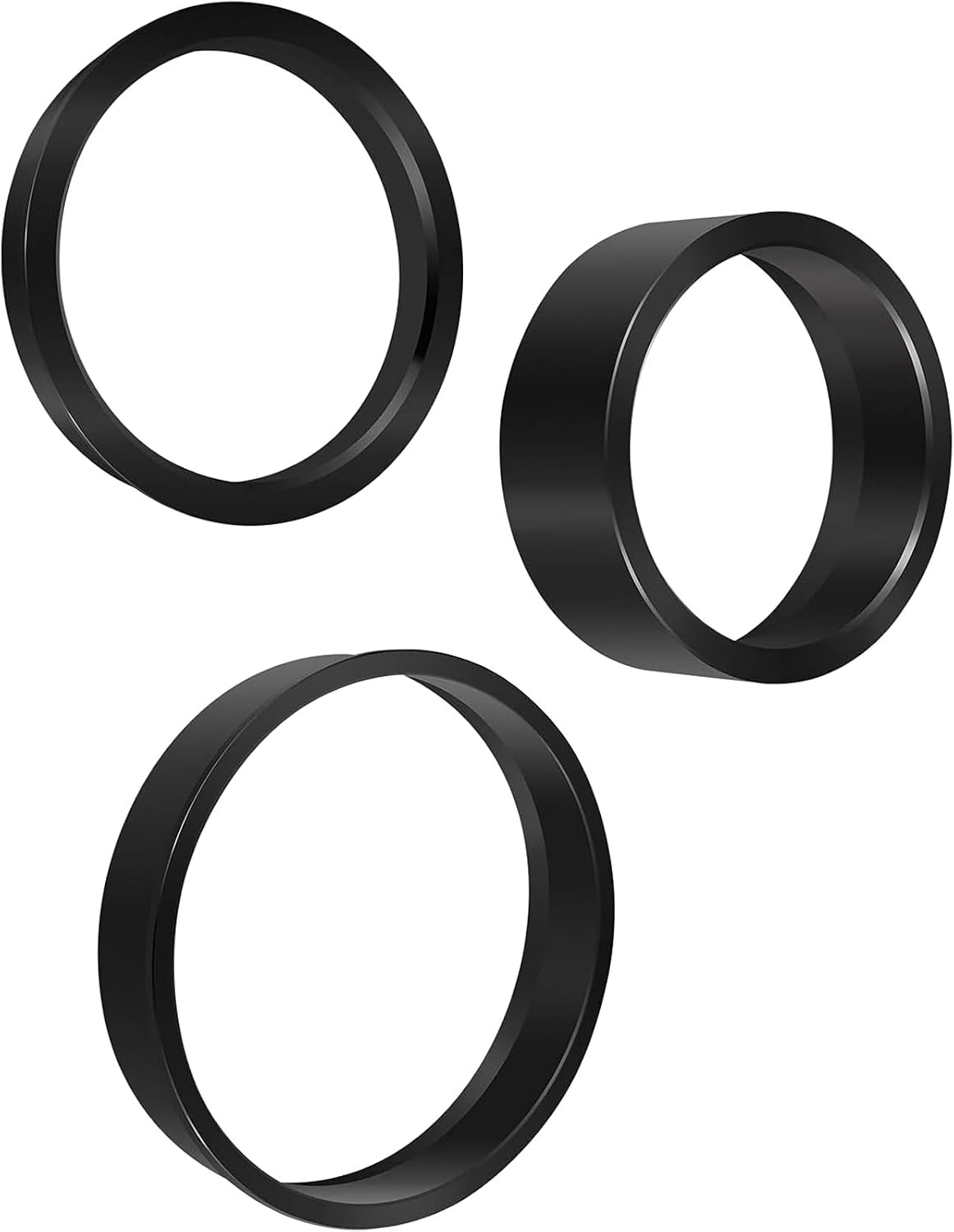
These drivers are machined from POM (acetal) plastic rather than steel. Acetal is hard enough to drive a bronze or steel-backed bushing but will not gall the aluminum case or mark the bushing face. Each driver has a pilot that centers it in the bushing and a shoulder that locates it.
Symptoms that point to worn bushings
- Low or unstable line pressure on a gauge, especially hot and at idle
- Converter that will not lock or slips once locked, with a code such as P0741 or P1870 depending on year
- Bronze-colored metal in the pan or on the filter
- A front pump seal that keeps leaking because the converter hub is moving in a worn pump bushing
- Rear seal leaks or a clunk from the output shaft moving in a worn case or extension housing bushing
How to confirm before you order
Pressure problems on a 4L80E are not all bushings. The EPC solenoid, the AFL valve and the boost valve can all drop line pressure too, and on diesel trucks an injection pump fault can fool the computer into commanding the wrong pressure. Read our 4L80E pressure control solenoid guide and the 4L80E common problems guide before you commit to a teardown. Once the unit is apart, measure each bushing against its shaft. Any bushing with visible scoring, missing material or an egg-shaped bore gets replaced, and with this kit on the bench there is no reason to reuse a marginal one.
Fitment
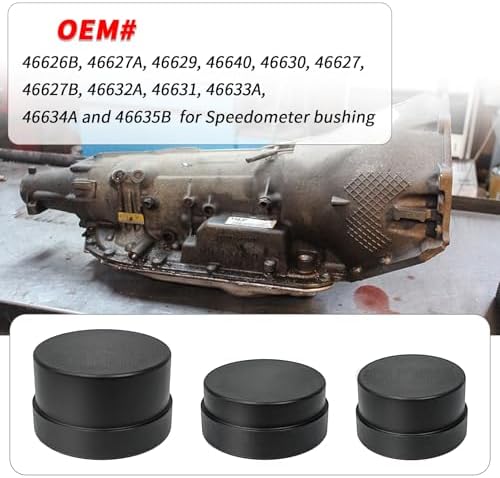
Listed for the GM 4L80E and 4L85E (1991-2009 Chevrolet and GMC 2500 and 3500 trucks, Suburban 2500, Express, Savana and Hummer H1) and the TH400 and TH350 families those units grew out of. The cross-reference numbers listed for this set are 46626B, 46627A, 46629, 46640, 46630, 46627, 46627B, 46632A, 46631, 46633A, 46634A and 46635B. Bushing dimensions vary between some TH350 and TH400 parts, so compare the driver against the bushing in your hand before you start. If you are not sure which unit you have, send us the year and VIN. Replacement hard parts are in the 4L80E collection.
Install notes
- Support the housing on a flat surface so the casting does not take the load.
- Start the bushing by hand with the oil groove or hole lined up with the feed passage, then drive it in until the driver shoulder stops on the housing.
- Sonnax's 4L80-E booklet warns that the front stator support bushing must stop just short of the step inside the stator tube. Driving it into the step distorts the bushing and narrows the inside diameter.
- Check each new bushing against its shaft. The same booklet calls for honing the stator support bushing to .001 in overall clearance with the input shaft if it fits tight.
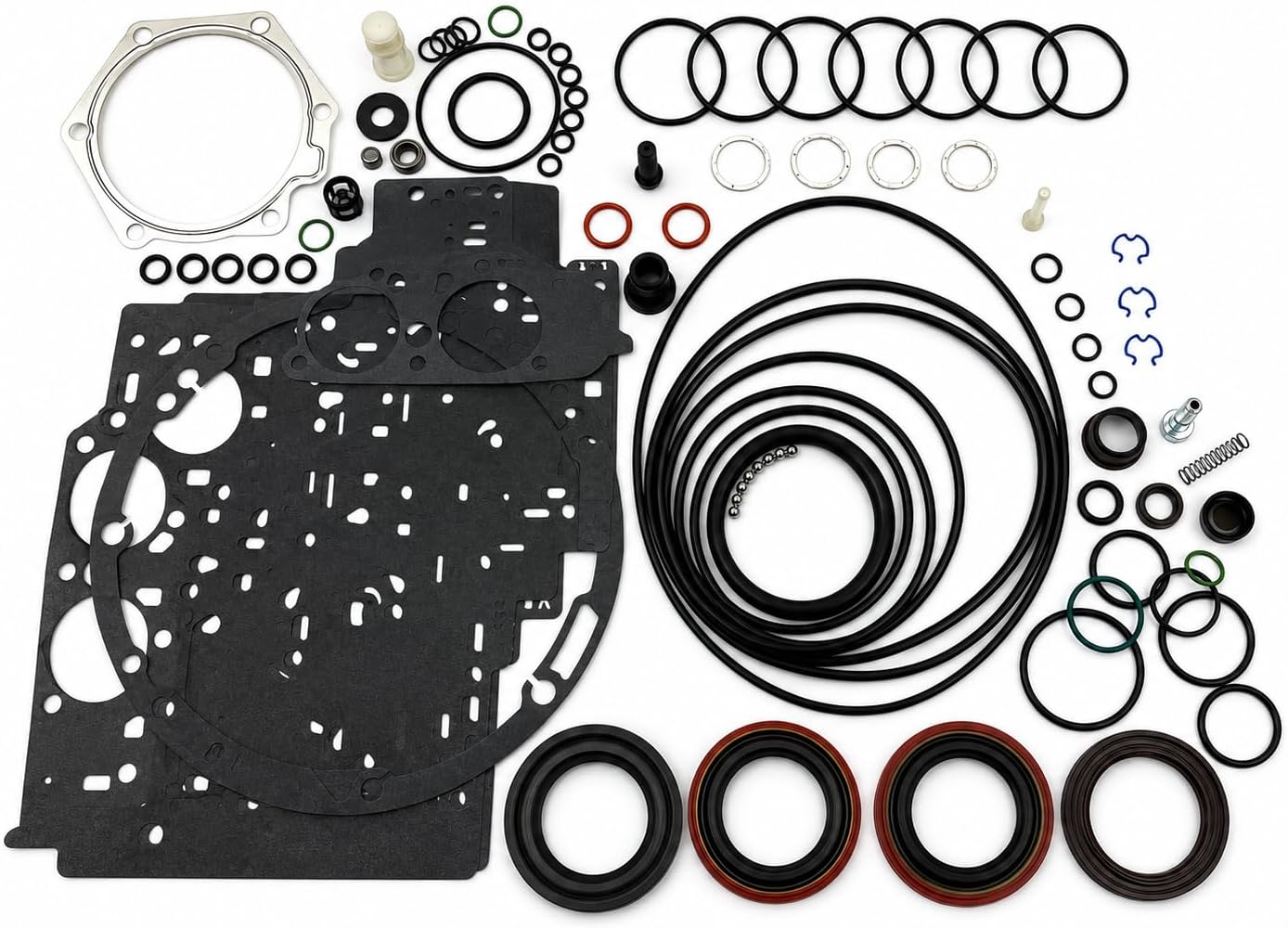
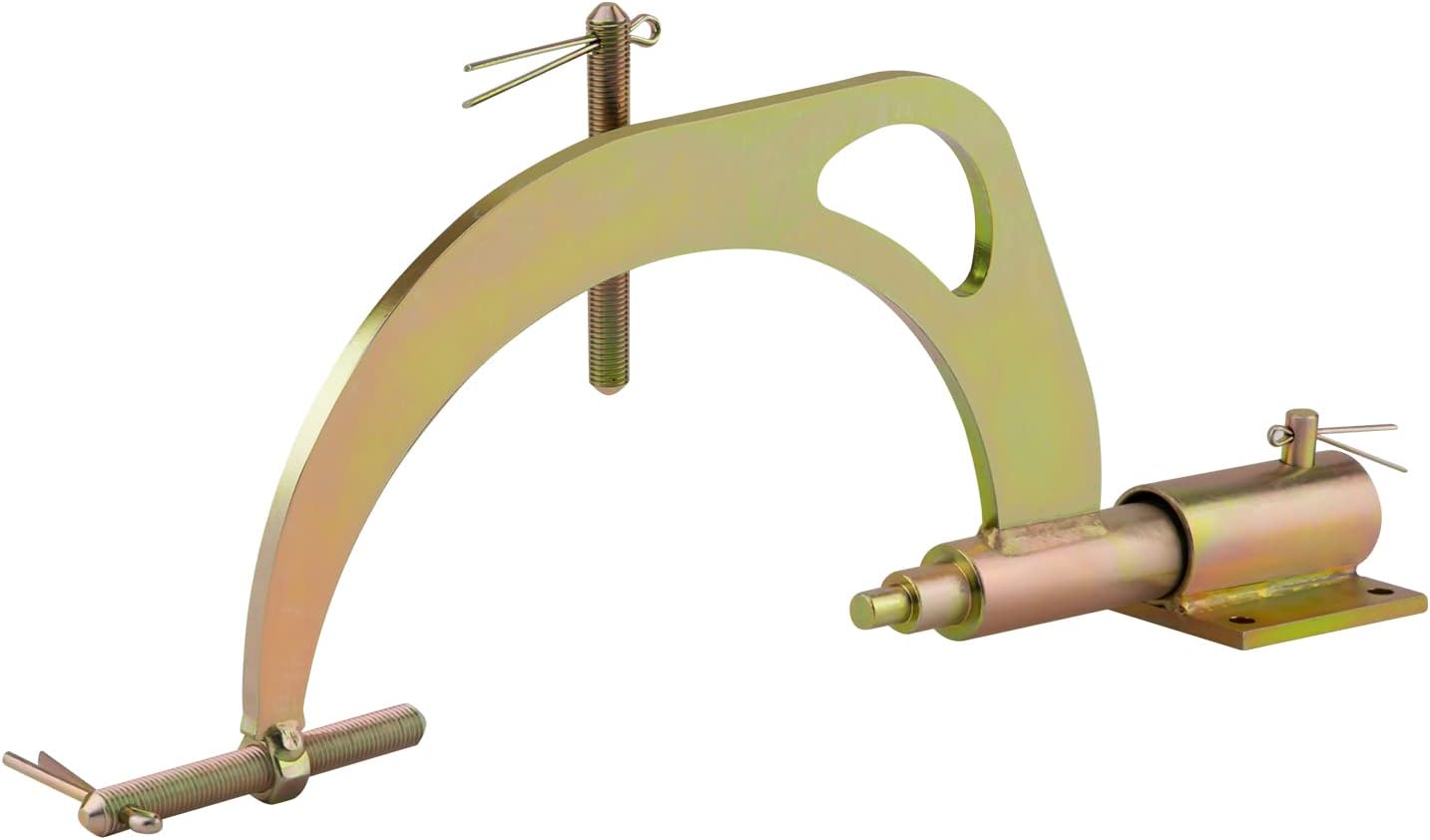
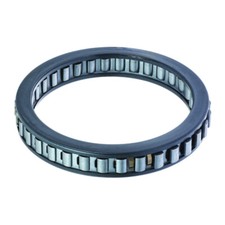
- Bushings come out during a full overhaul, so the 4L80E clutch module and a fresh 4L80E sprag clutch are worth pricing at the same time. A J-8763-B holding fixture makes the case far easier to work on.
- Fill with Dexron VI and check the level hot.