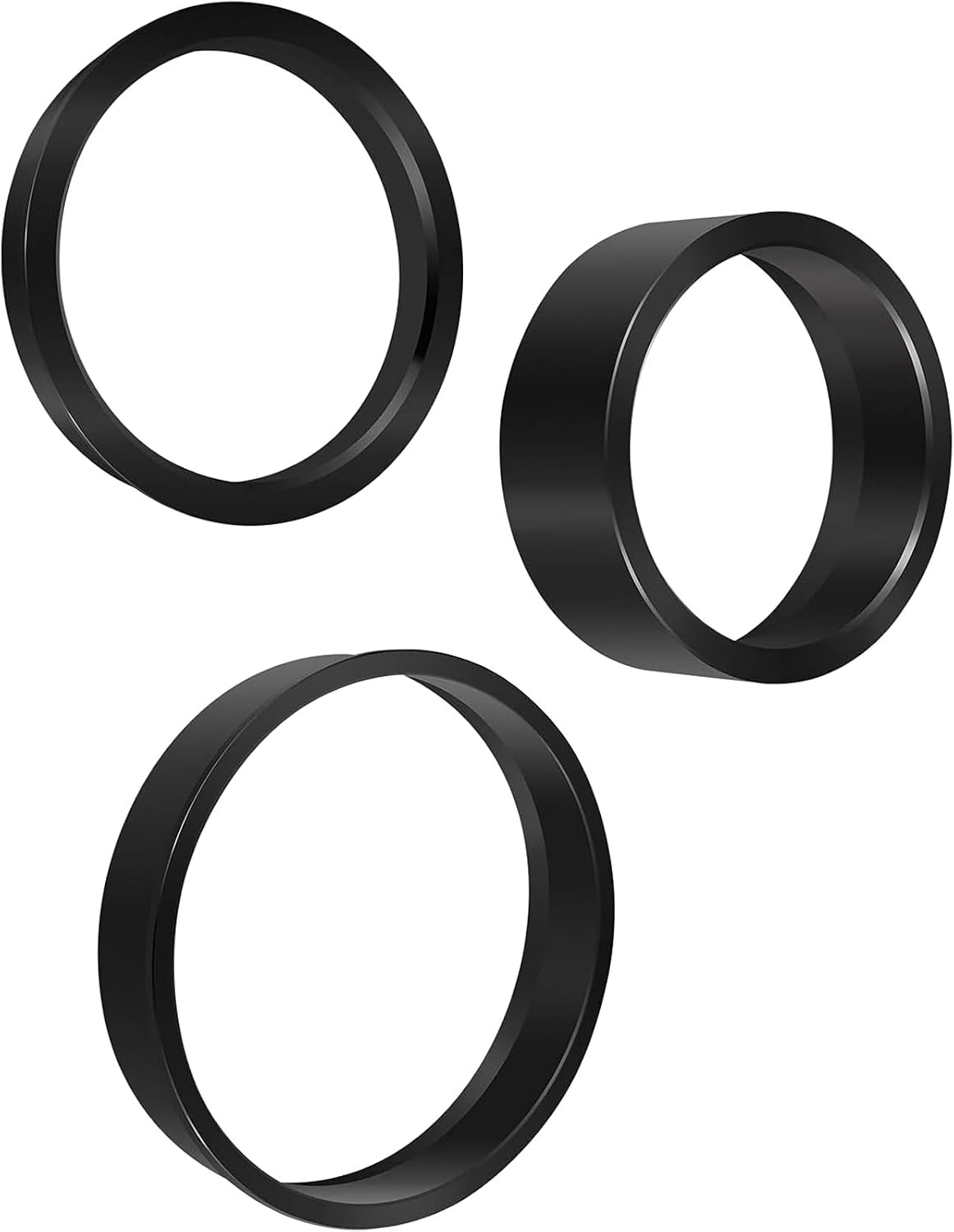
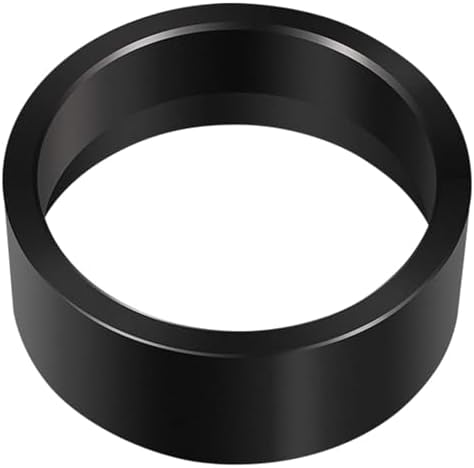
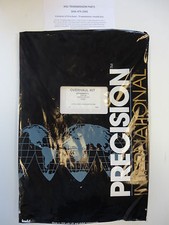
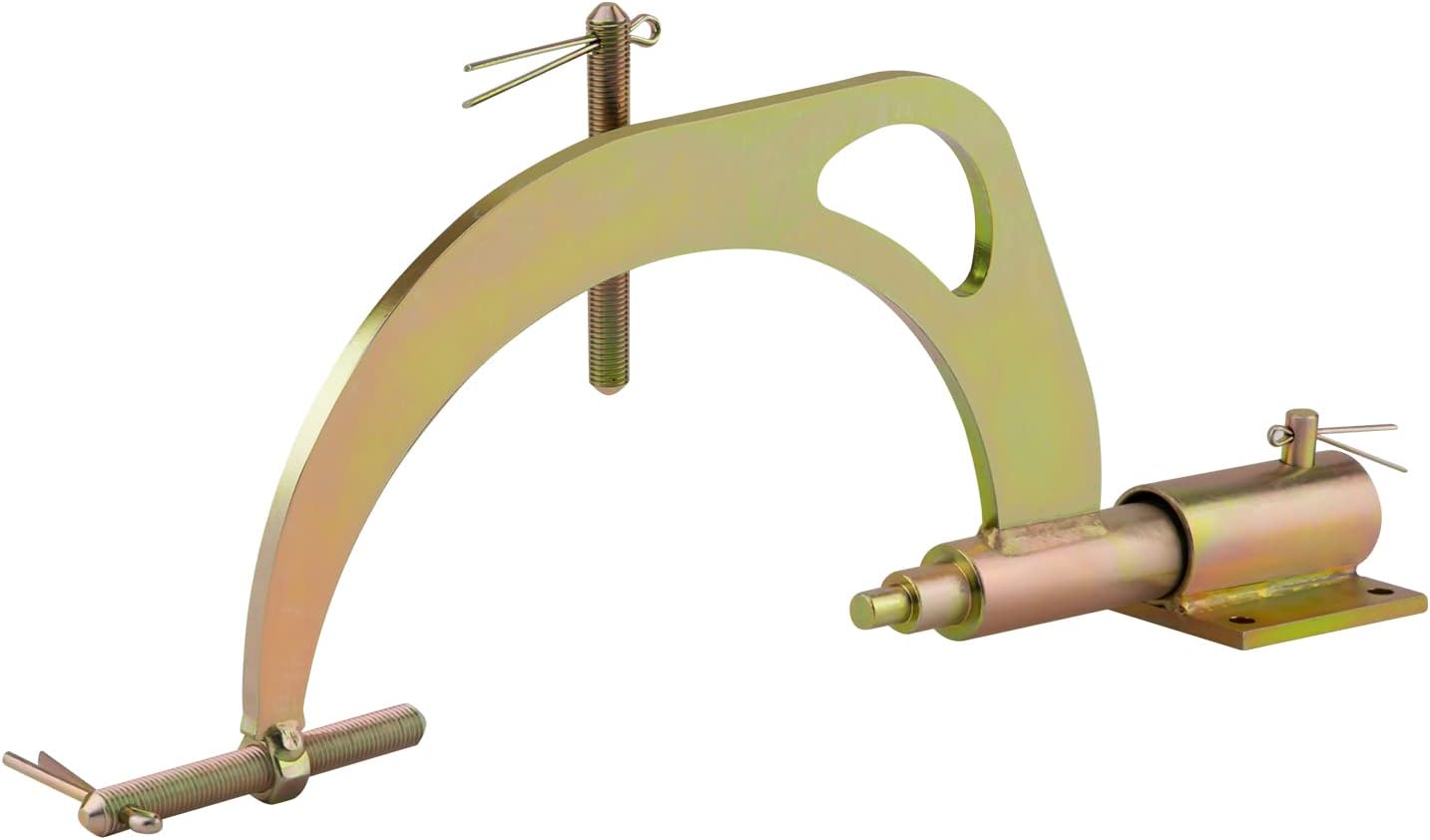
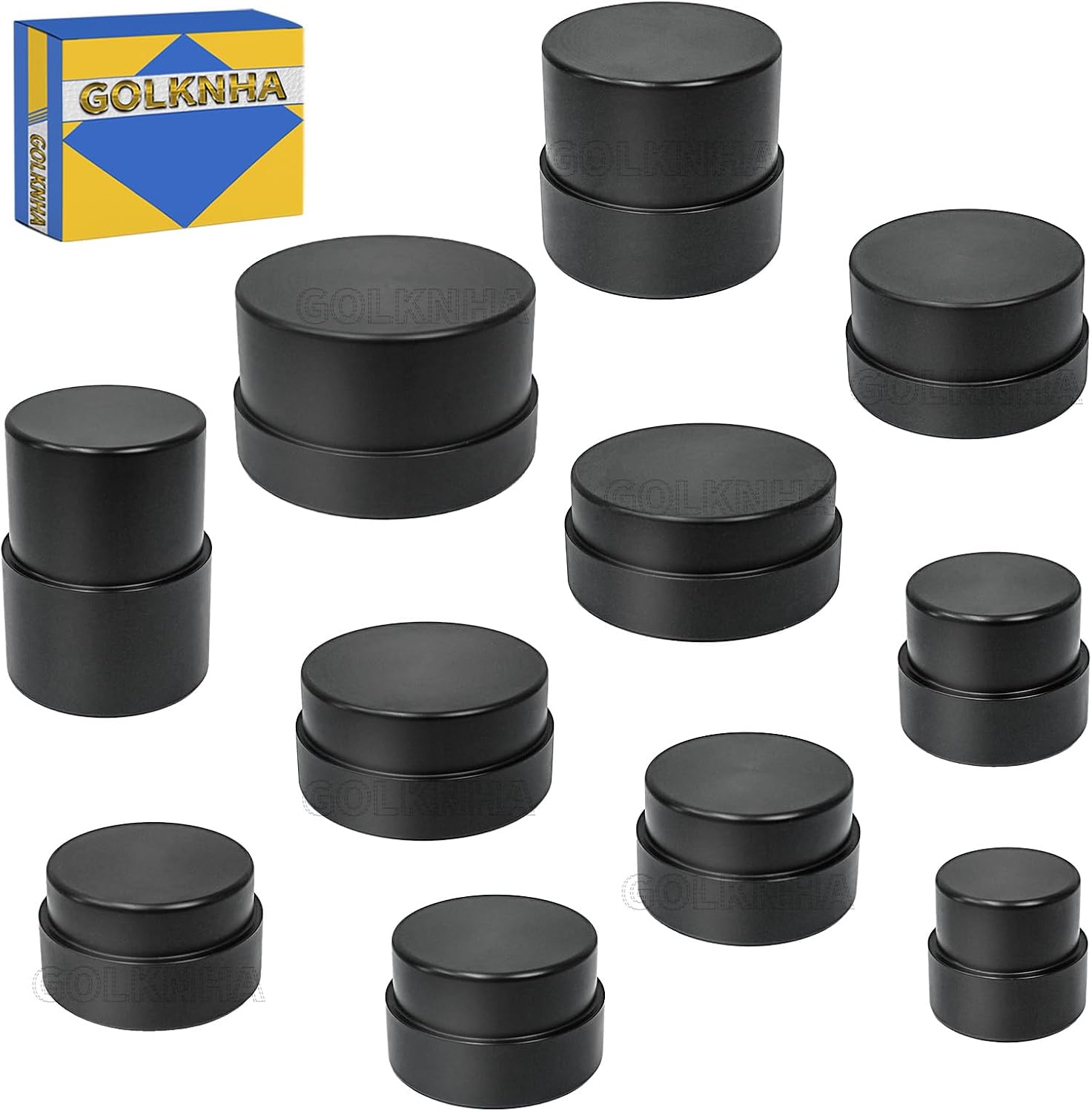
If you are rebuilding a 4L80E out of a Silverado or Sierra 2500, a Suburban, an Express or Savana van or a Hummer H1, the fourth clutch is one of the few places where a single bad moment on the bench can undo the whole job. This is a three-piece steel installer and protector set for the 4L80E and 4L85E 4th clutch piston, sold as an alternative to tool number T-2926. It guides the inner and outer lip seals into the housing so they go in square instead of folding over, which is the usual cause of a fresh rebuild that comes back with no fourth gear.
What the 4th clutch does in a 4L80E
The 4L80E is a TH400 gear train with an overdrive section added at the front. In first through third, the overdrive one-way roller clutch inside the overrun drum locks the overdrive planetary so it turns as one unit, and power passes straight through. For fourth, the computer commands the shift and the 4th clutch applies, holding the overdrive sun gear so the carrier drives the ring gear faster than the input; at that point the roller clutch freewheels. The 4th clutch piston sits in its own housing, bolted into the front of the case, and it seals on two lips: one on the inside diameter and one on the outside. Every bit of fourth-gear holding power depends on those two lips trapping apply oil. A lip that is turned back or nicked lets oil bleed off, and the clutch slips every time the truck goes into overdrive.
Symptoms of a damaged 4th clutch piston seal
- No fourth gear, or a 3-4 shift that flares and the engine climbs before it catches
- Fourth that holds empty but slips on a grade or under a trailer, often with a slip or gear ratio code stored
- Burnt, glazed 4th clutch frictions found on teardown only a few thousand miles after a rebuild
- Fluid that turns dark and smells burnt quickly in a unit that was just overhauled
- On the bench, an air check of the 4th clutch circuit that hisses instead of giving a sharp, firm apply
Sonnax lists no 4th, 4th slip and 3-4 neutral among the recurring complaints on the 4L80-E, and not all of them are seal problems. That is why the diagnosis below matters.
How to confirm the problem before you tear down
A truck that will not shift into fourth is not always a seal failure. A stuck shift solenoid, a lost speed sensor signal or an AFL valve that starves the solenoids can all hold the transmission in third. Run through our 4L80E shift solenoid diagnosis and the input and output speed sensor guide first. If the electrical side is clean, the transmission is commanded into fourth and it still slips, the 4th clutch circuit is next: piston seals, the housing seal rings, and the frictions themselves. Our 4L80E common problems guide walks through how these failures show up in the shop.
Fitment
This set is listed for the GM 4L80E, the electronic four-speed used from 1991 through 2009 in Chevrolet and GMC 2500 and 3500 pickups, Suburban 2500, Express and Savana vans and the Hummer H1, and for the heavy-duty 4L85E, which shares the same 4th clutch. It is a bench tool, so the model year of the truck matters less than the housing itself. If you have an aftermarket or modified 4th clutch housing, or you are not sure which unit you have, check the tag on the case or send us the year and VIN before ordering. Everything else for the overdrive section is in the 4L80E parts collection.
Install notes
- Clean the housing bore and inspect the sealing surfaces. Scoring or a burr on the bore will cut a new seal no matter what tool you use.
- Coat the new lip seals in clean ATF and install them on the piston with the lips facing the apply side, toward the oil.
- Set the matching protector sleeve over the inner boss or into the outer bore, start the piston straight, and press it down evenly. Pull the sleeve once the lips are past the edge.
- Air check the piston before the clutch pack goes in, then again after assembly. A clean apply and release with no hiss is what you want.
- Torque the 4th clutch housing bolts to 18 ft-lb, the figure Sonnax lists in its 4L80-E booklet, and verify front unit endplay of .004 to .022 in.
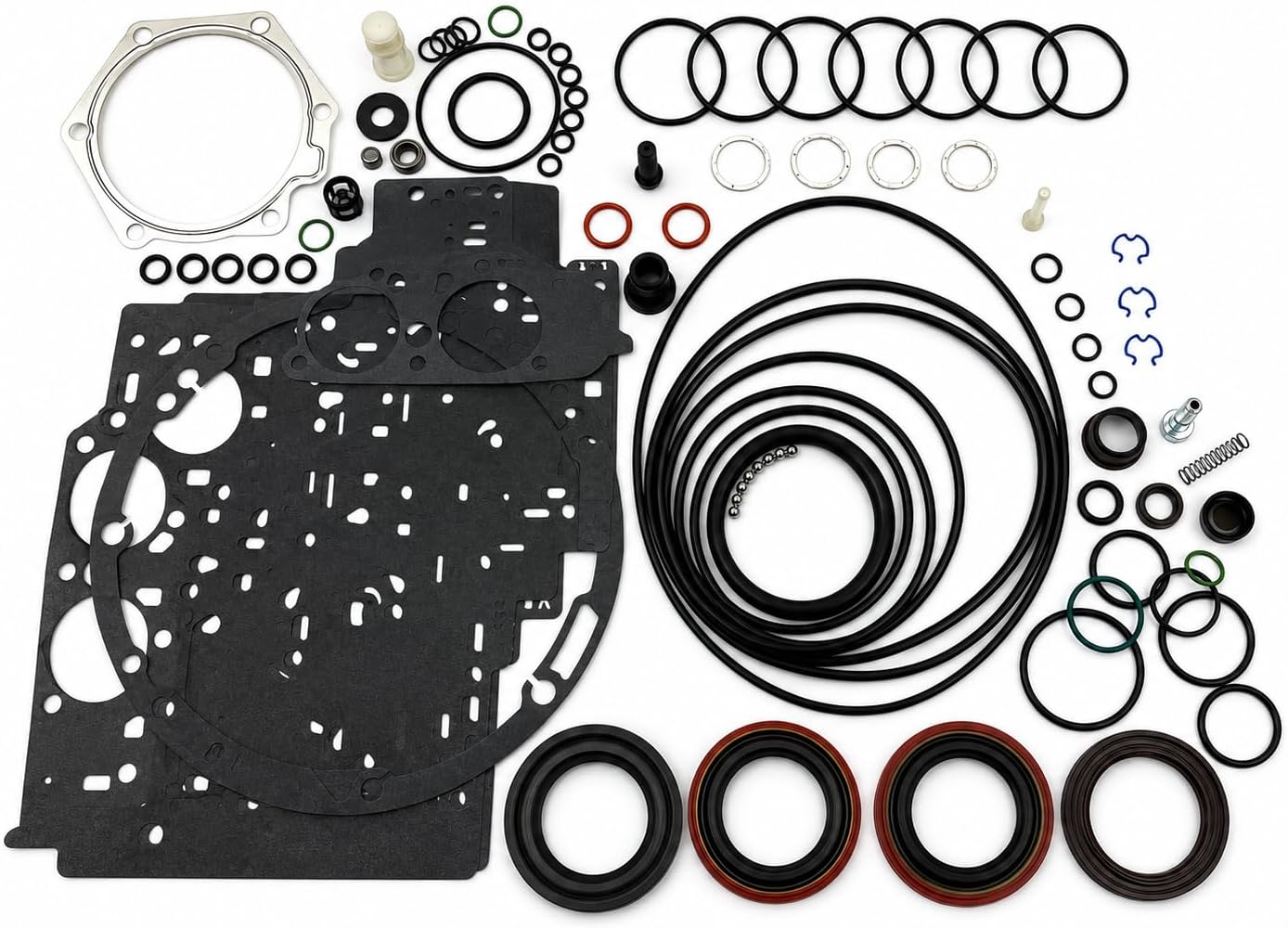
- New seals belong with new frictions. A 1997-2011 4L80E rebuild kit or the 1992-1996 kit covers the overdrive section along with the rest of the unit.
- Refill with Dexron VI ATF and check the level hot.