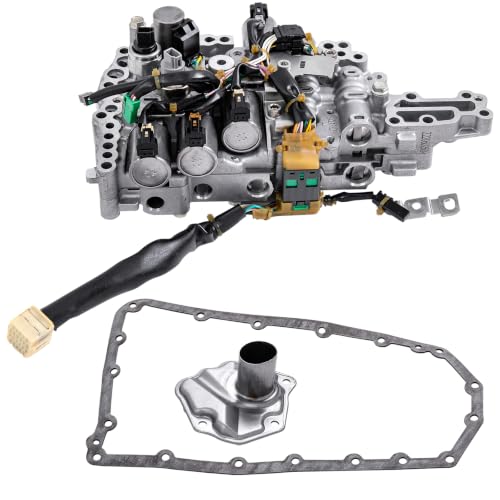
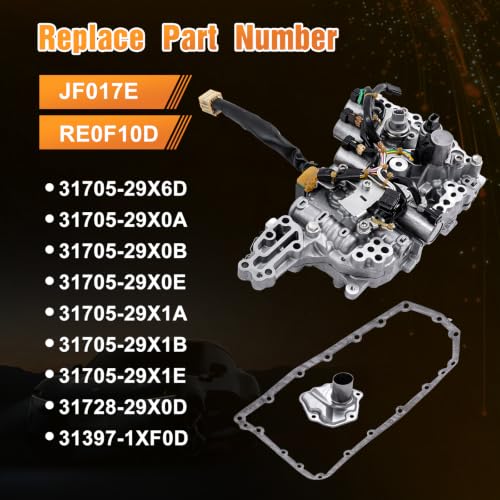
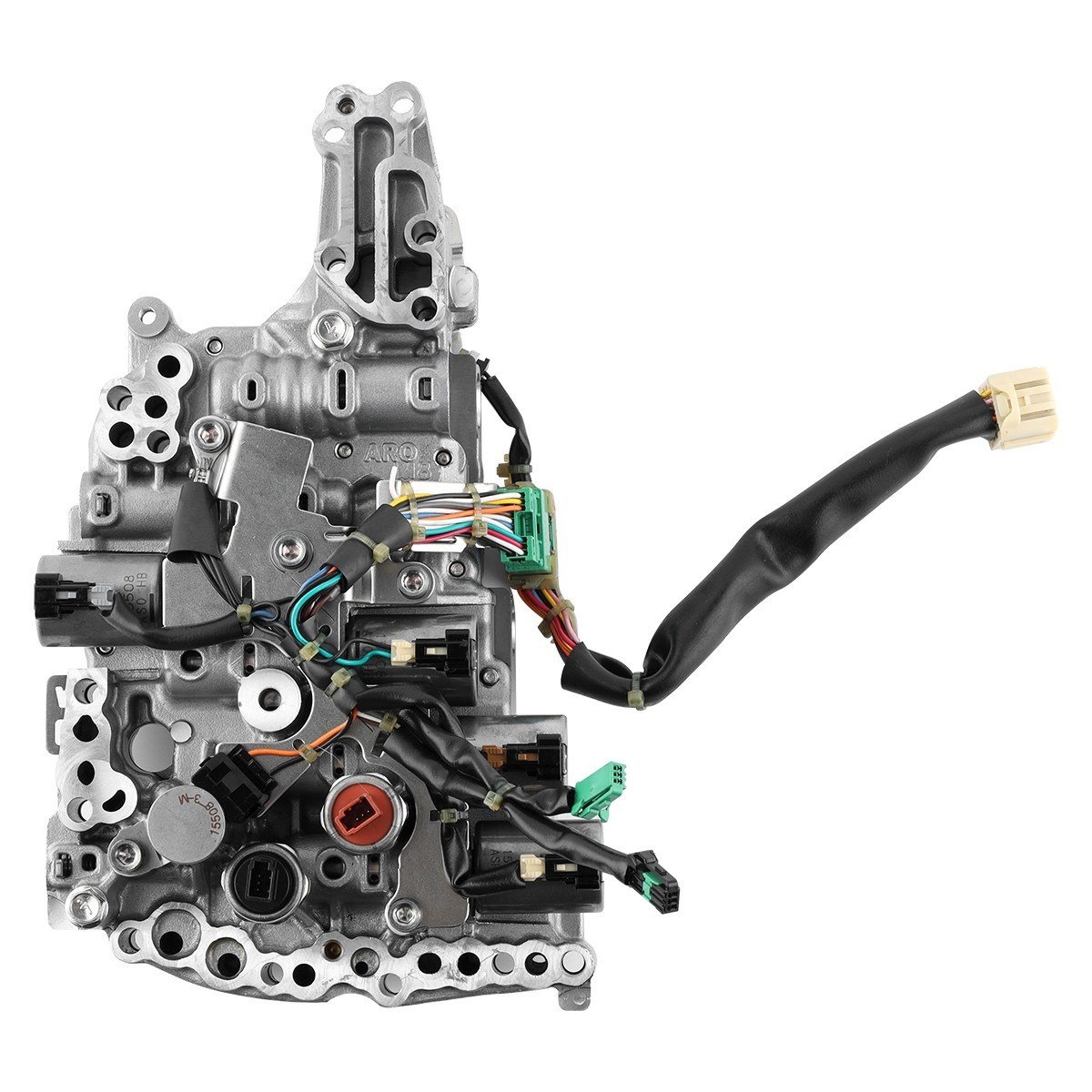
Searching for a 31705-29X0B, 31705-29X6D or 31728-29X0D valve body for a V6 Altima, Maxima, Murano or QX60 that shudders, slips or engages late? This remanufactured JF017E assembly replaces those numbers and comes with a new filter and gasket set, so you are not reusing a strainer full of debris from the part you are removing. Each unit is torn down, cleaned, inspected and recalibrated before it ships.
What the valve body does in a JF017E
Inside the JF017E, the valve body is the part that turns an electrical command into clamping force. The TCM decides what ratio it wants and what pressure each pulley needs, and the solenoids on this casting move spool valves that send that pressure to the primary and secondary pulleys and to the converter lockup circuit. When a bore wears, oil leaks past the valve and the pressure the pulley actually sees falls short of what the TCM asked for. Sonnax documents exactly this on the CVT8 lockup control valve: wear in the sleeve bore lets control pressure escape, which shows up as converter shudder, burnt converters and TCC apply codes. The same kind of wear on the pulley control side shows up as slip.
Symptoms of a failing JF017E valve body
- Shudder or judder taking off from a stop or at light throttle
- Slipping or a flare under light throttle, where rpm climbs ahead of road speed
- A pause before Drive or Reverse engages
- Codes P17F0 or P17F1 (CVT judder) or a pressure control solenoid code
- Lockup shudder holding a steady highway cruise
How to confirm it before you buy
Read the codes and the fluid before you buy anything. Dark, burnt-smelling fluid or a pan magnet coated in steel paste usually means the belt or pulleys have already been damaged, and a valve body alone will not save the unit. Nissan's own repair flow for the CVT8 judder codes splits it the same way: P17F1 with a clean belt gets a valve body, P17F0 or a marked belt gets a transmission. If the fluid looks reasonable and the codes point at pressure control, the valve body is the logical repair. Our CVT slipping under load guide explains how to tell a pressure problem from mechanical slip, and the CVT limp mode guide helps if the car has dropped into fail-safe.
Fitment
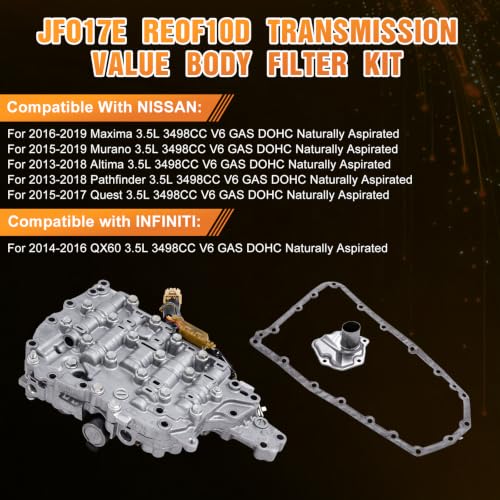
For the 3.5L V6 JF017E only: 2013-2018 Altima 3.5, 2016-2019 Maxima, 2015 and later Murano, and the Infiniti QX60. Depending on the source, the Nissan code for this V6 unit appears as RE0F10D or RE0F10E, and the four-cylinder JF016E shares the RE0F10D code on some listings. Do not go by the code alone. The four-cylinder Altima and Rogue take a different valve body, so confirm your engine and match the number on your old valve body to 31705-29X0B, 31705-29X6D or 31728-29X0D. If yours carries a different number, send us the year and VIN before ordering. More CVT8 parts are in the CVT parts collection.
Install notes
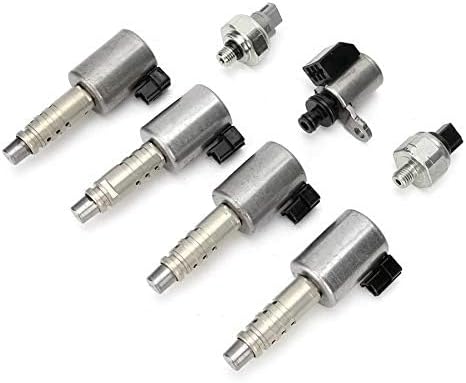
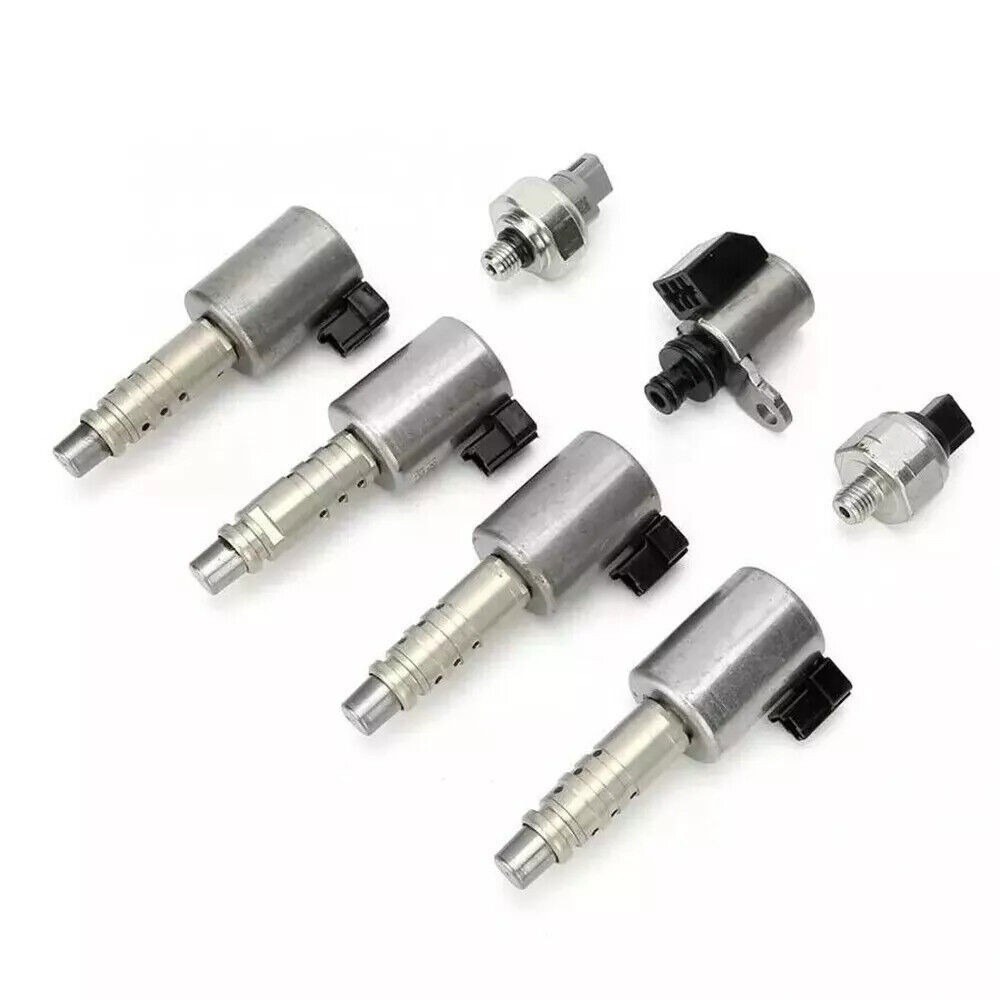
With the car level, drain the CVT and drop the pan. Unplug the valve body harness, remove the strainer, and unbolt only the valve body bolts. Leave the others alone. Clean the pan and magnet, set the new valve body in place, and fit the new filter and gasket from this kit; Nissan's bulletin for the sister unit also calls for a new strainer whenever the valve body is replaced. Fill with genuine NS-3 CVT fluid and check the level hot. Then run the CVT learn procedure and write the new valve body's calibration data with a scan tool that supports it. If you also want new solenoids for a later service, the JF017E solenoid kit for 2013-2018 and the 2016-2019 solenoid kit cover the two main year ranges.