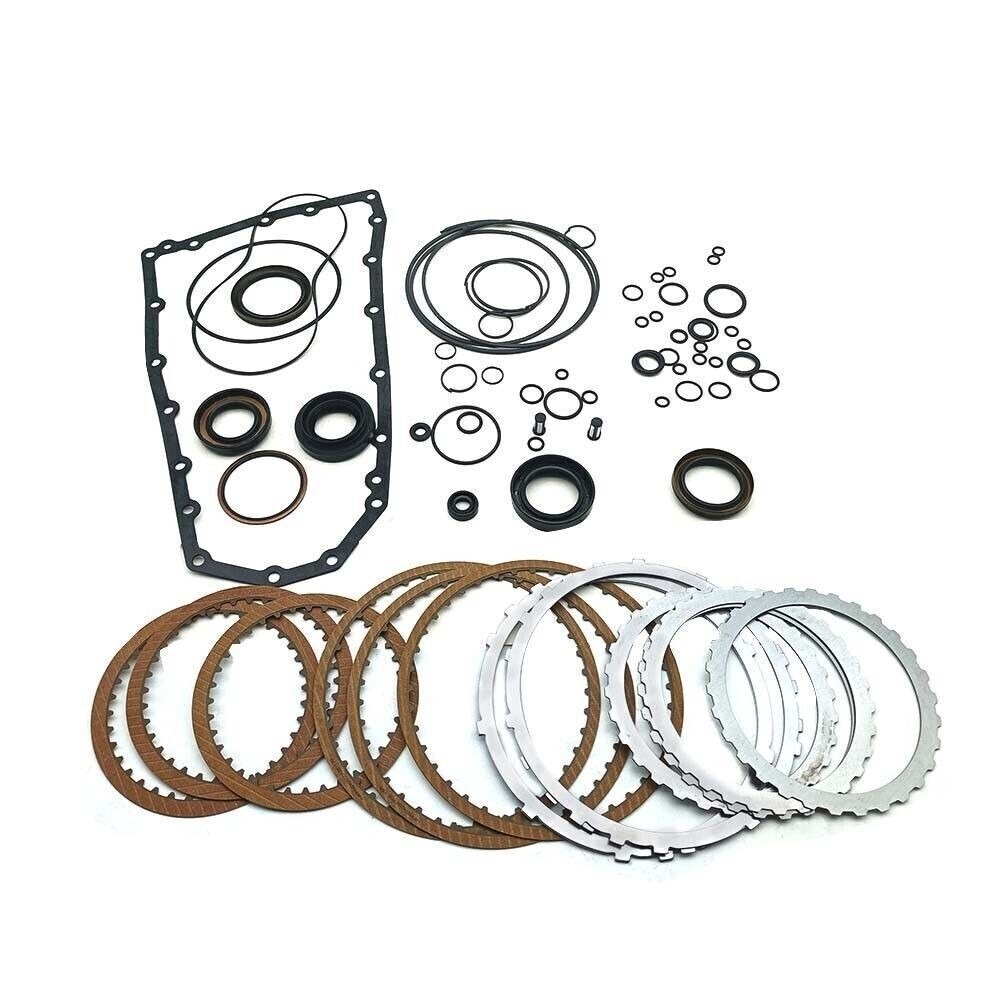
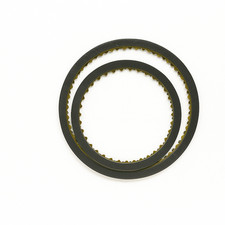
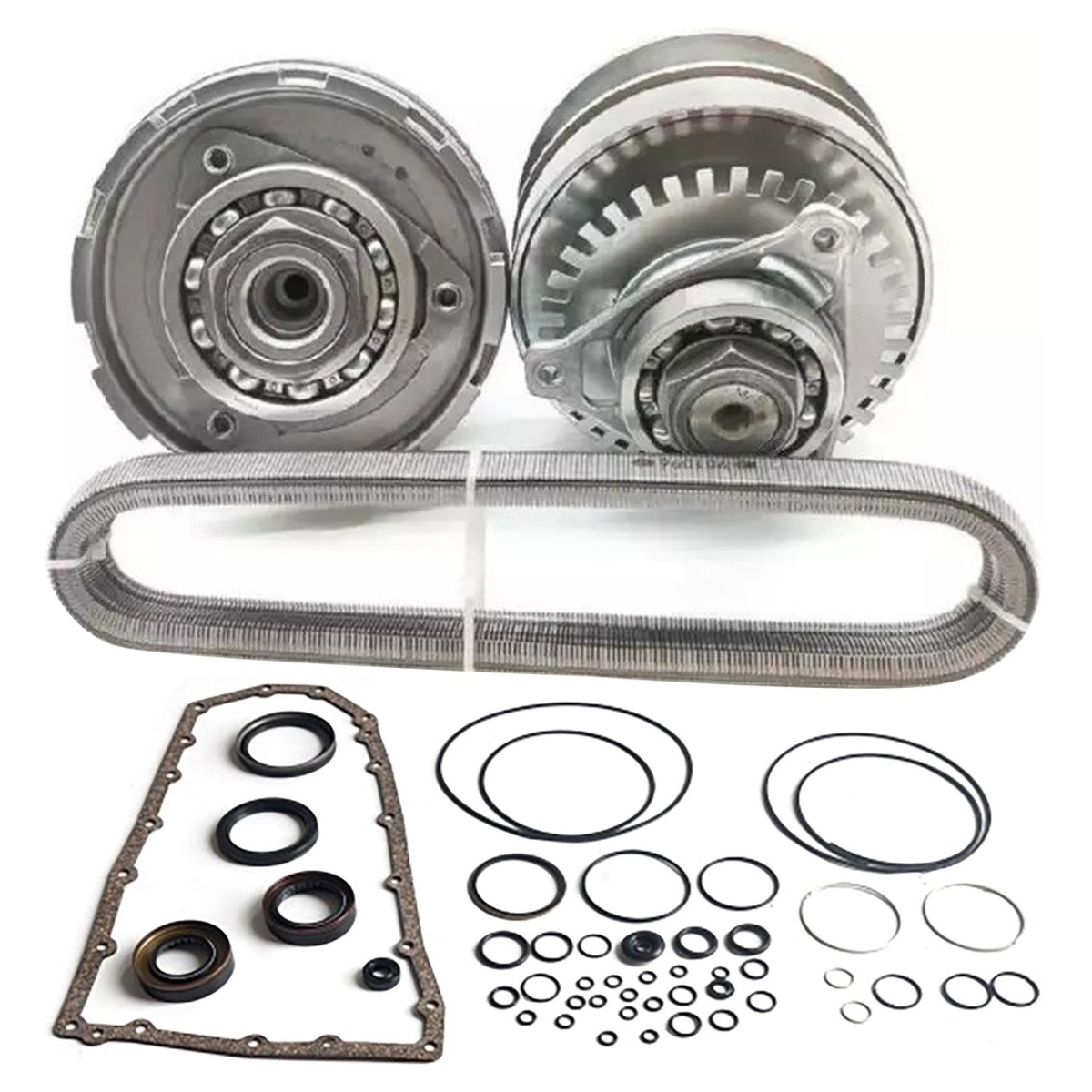
A 3.5L Nissan or Infiniti with the JF017E CVT that drips fluid, hangs for a second or two before it picks up Drive or Reverse, or starts slipping at highway speed usually ends up on a bench sooner or later. This is a new JF017E overhaul kit with no year range on it, and the photo shows more than a bag of seals: alongside the pan gasket, lip seals, O-rings and sealing rings there are friction plates and steel plates. It is aimed at the shop or owner who already has the transmission apart and wants the soft parts and clutch plates in one order.
What this kit replaces in a JF017E
The JF017E (Nissan calls it the RE0F10E) is the chain-drive member of the JATCO CVT8 family, built for the 3.5L V6. Ratio change happens in the pulleys: oil pressure pushes the movable sheave of the primary and secondary pulleys against the chain, and the valve body balances the two to set the ratio. Direction is handled by a small planetary set ahead of the pulleys, with a forward clutch for Drive and a reverse brake for Reverse, both applied with oil through the select solenoid circuit.
That makes every function of the unit depend on two things this kit addresses. The rubber and Teflon parts (piston seals, shaft sealing rings, O-rings at the valve body and sensors, the pan and cover gaskets) keep pressure where it is supposed to go. The frictions and steels in the forward clutch and reverse brake transmit engine torque into the planetary. When the seals harden, pressure leaks back to the pan; when the plates glaze or burn, the car slips into gear or will not move at all. The chain, pulleys, filter and solenoids are not in the picture, so plan for those separately.
Symptoms this kit is meant to cure
- External leaks at the oil pan, side cover, converter housing or axle seals
- Long engagement delay after the vehicle sits overnight, improving once the fluid is warm
- Revs rise on takeoff but the vehicle creeps, or Reverse is weak on an incline
- Burnt-smelling fluid with dark friction debris on the pan magnets
- RPM flare or a rubber-band feel under load once internal leakage drops pulley clamping pressure
If the pan also shows bright metal and the unit whines with speed, the chain or pulley bearings are worn too, and seals and plates alone will not fix it.
How to confirm the problem before buying
A worn valve body can imitate a leaking or slipping JF017E. Sonnax lists low line pressure, delayed engagement and slip among the complaints tied to wear in the pump flow control and pressure regulator valve bores, so check pressure and look at the valve body before assuming the clutch packs are the problem. Our CVT harsh or delayed shifts walkthrough covers engagement timing tests, and CVT slipping under load helps separate chain slip from clutch slip. Scan for stored codes and fluid temperature data first; a unit that has been overheating will usually need more than a reseal.
Fitment
This kit is listed for the JF017E without a year range. The JF017E was used only behind the 3.5L V6: the Altima 3.5 and Pathfinder from 2013, the Infiniti QX60 from 2014, and the Murano and Quest from 2015. It is not the same transmission as the 2.5L JF016E, which uses a push belt and different parts, and it does not fit the older JF010E found in 2012 and earlier 3.5L Altima, Maxima and Murano models. Confirm the tag on the case reads JF017E or RE0F10E, and if you are unsure, send us the year and VIN before ordering. We also stock dated versions, including the 2012-14 kit and the 2015 kit, and the full range of CVT parts on our CVT transmission page.
Install notes
- Soak the new frictions in clean Nissan NS-3 CVT fluid before stacking the packs, and check clutch clearance after assembly.
- Lubricate piston seals and size the Teflon sealing rings with assembly gel so they do not roll or cut during installation.
- Air-check the forward clutch and reverse brake with the case open; a soft or leaking apply means a seal is pinched.
- Install a new filter and flush the cooler. Debris left in the lines will return to the new parts quickly.
- Refill with NS-3 only and check the level hot per the factory procedure, then clear codes and let the control module relearn under normal driving.
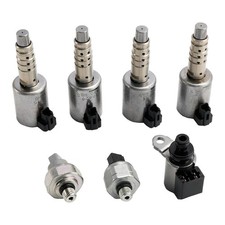
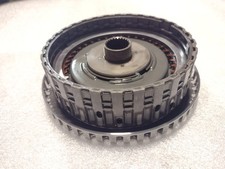
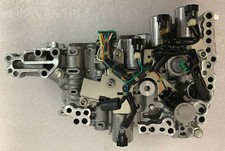
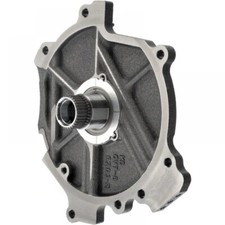
If the valve body is scored, install a replacement like the JF017E valve body for 2014-2017 at the same time. If the input drum or piston is damaged, add the JF017E clutch drum. For a complete rebuild including the remaining hard parts, see the JF017E master rebuild kit.