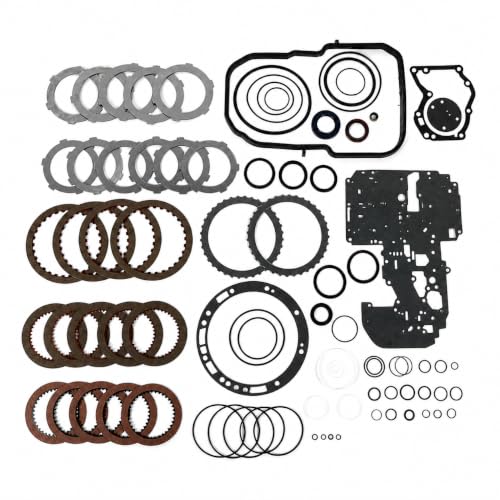
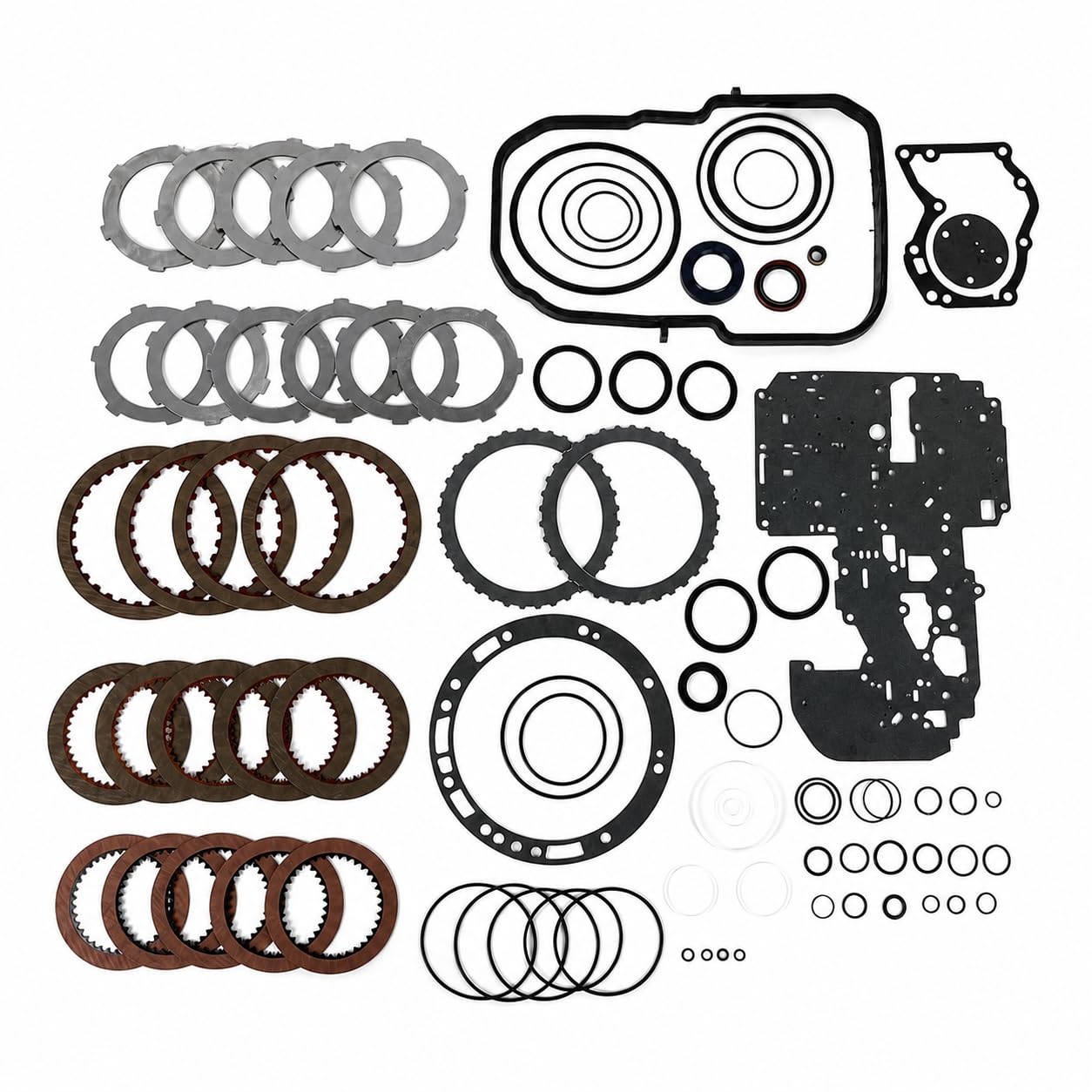
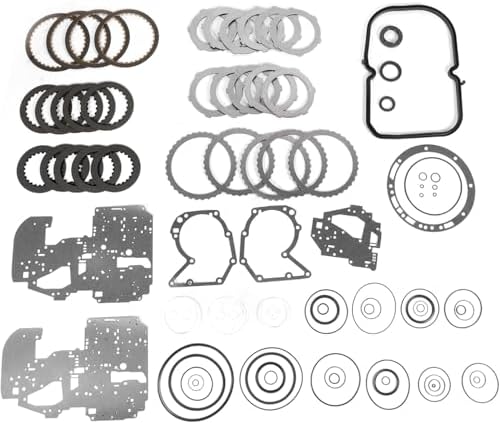
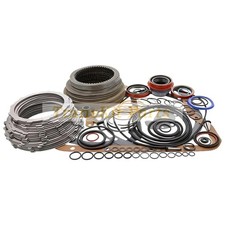
The 722.4 is the light-duty four-speed automatic Mercedes-Benz used behind its four-, five- and smaller six-cylinder engines, found in the 190E and 190D, the W124 300-series cars and the first C-Class. Owners searching for a fix usually describe the same thing: a long pause before drive or reverse engages on a cold morning, a slip or flare on the 1-2 shift, and fluid that smells burnt. This kit puts the overhaul gasket and seal set, the friction plate set and the steel plate set in one box, so a worn unit can be fully resealed and every pack renewed in a single teardown.
What a master rebuild kit does in a 722.4
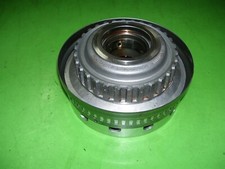
Mercedes called this transmission the W4A 020, a four-speed rated for 20 kp-m, roughly 196 N-m or 145 lb-ft of input torque. It entered production in 1982 and was built until mid-1996. First gear is deeper than in the heavier 722.3 (4.25:1 against roughly 3.7 to 3.9:1), which suits the smaller engines. It has no converter lock-up and is controlled hydraulically: a governor reads road speed, a vacuum modulator reads engine load, and a throttle linkage sets kickdown. Each gear is made by applying clutch and brake packs through pistons sealed with rubber lip seals. After many years those seals harden and bleed apply pressure, and the plates glaze. This kit replaces both halves of that problem: new seals so the pistons hold, new frictions and steels so the packs grip.
Symptoms of a worn 722.4
- Delayed engagement into drive or reverse until the fluid warms
- Slip or engine flare on the 1-2 or 2-3 upshift
- No kickdown or slipping on a hard downshift
- Dark fluid with a burnt smell and friction debris on the pan
- Leaks at the pan, the output seal or the front pump seal
How to confirm it before you order
Check the inexpensive parts first, because on these cars they often cause what feels like a failed transmission. A 1994 technical bulletin for the 722.3, 722.4 and 722.5 notes that the rubber cap on the vacuum modulator is part of the vacuum circuit; if it is cracked, loose or missing, shifts become harsh or erratic. A hand vacuum pump on the hose fitting should show the cap and modulator holding at least 14 inches. Check the hot fluid level, the vacuum line to the intake, and the throttle linkage. Late engagement and slip that remain with clean vacuum and correct fluid mean worn packs or hard seals. For cars built after 1996, which moved to the electronic five-speed, see our 722.6 C-Class common problems guide and our 722.6 rebuild cost guide.
Fitment
Listed fitment: Mercedes-Benz 190 (1990-1993) with the 2.3L four or 2.6L six; 300 (1991-1993) with the 2.5L five-cylinder or the 2.6L and 3.0L sixes; and C-Class (1994-1996) with the 2.2L four or the 2.8L and 3.6L sixes, all with the four-speed automatic. Be careful with the six-cylinder cars: the heavier 722.3 was also used in W124 and W202 models of these years and looks similar on the bench, but its clutch stack is different. Read the number stamped on the case before you order, or send us the year and VIN. All of our Mercedes parts are on the 722 transmission page.
Install notes
- Inspect drums, bushings, thrust washers and the pump before reuse; a scored pump will undo the rebuild.
- Pre-soak frictions in ATF and measure each pack clearance against the factory figure.
- Test or replace the vacuum modulator and its cap before the pan goes on; low modulating pressure makes new plates slip.
- Fill with the ATF specified for your car and set the level at operating temperature.
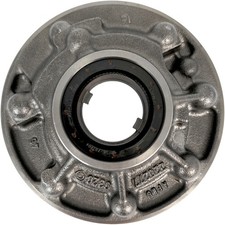
If the pump is worn, the 722.4 pump replaces it, and a sticking or worn valve body can be swapped with the 722.4 valve body while the unit is out. If your case reads 722.3, use the 722.3 master rebuild kit instead.