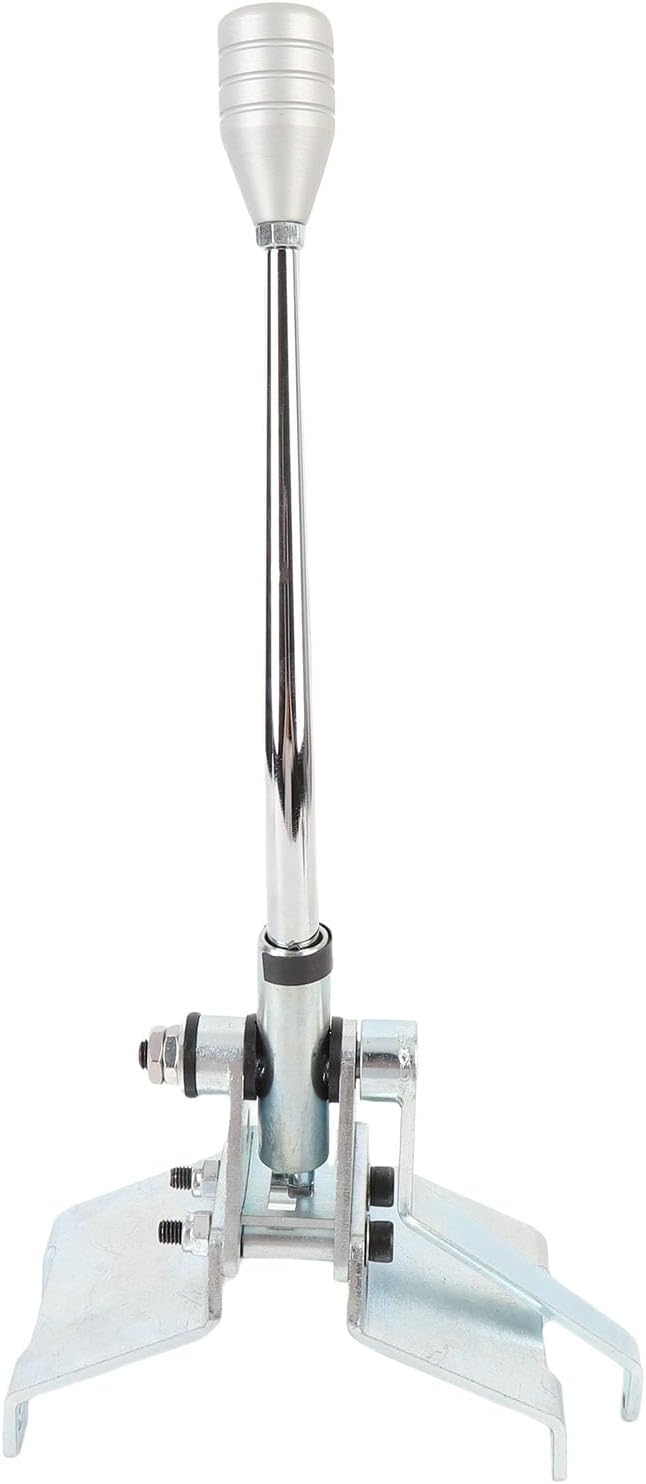
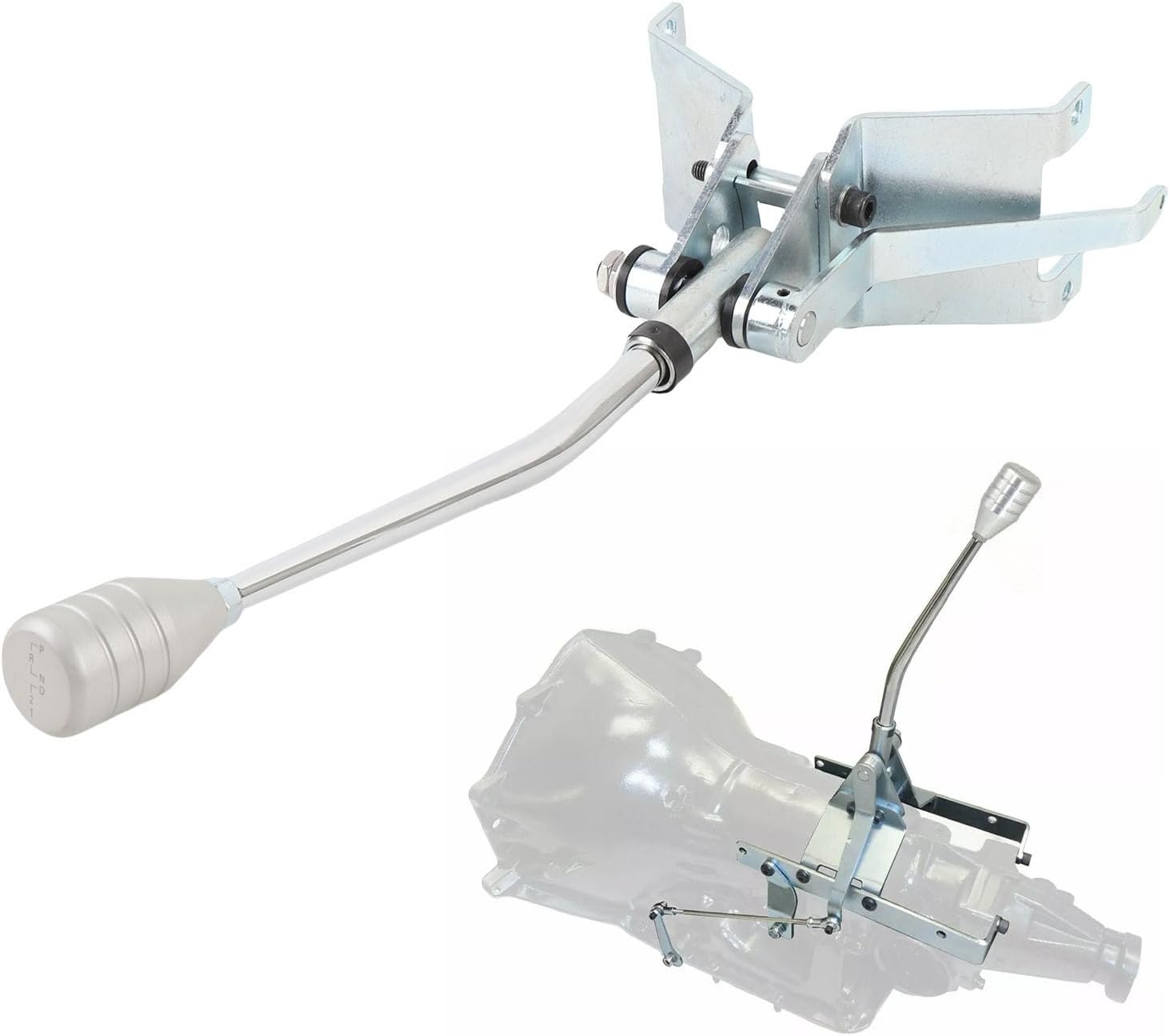
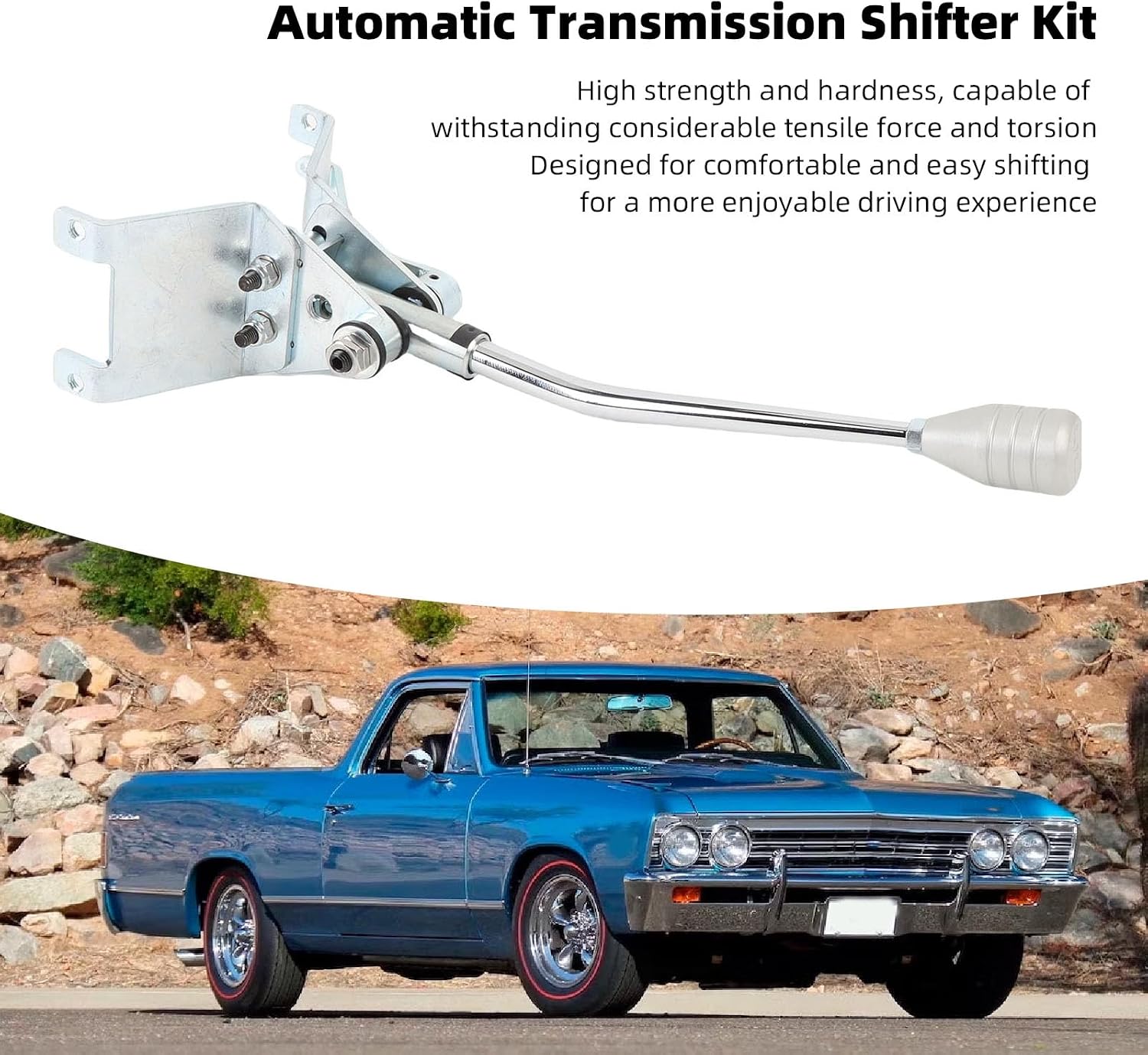
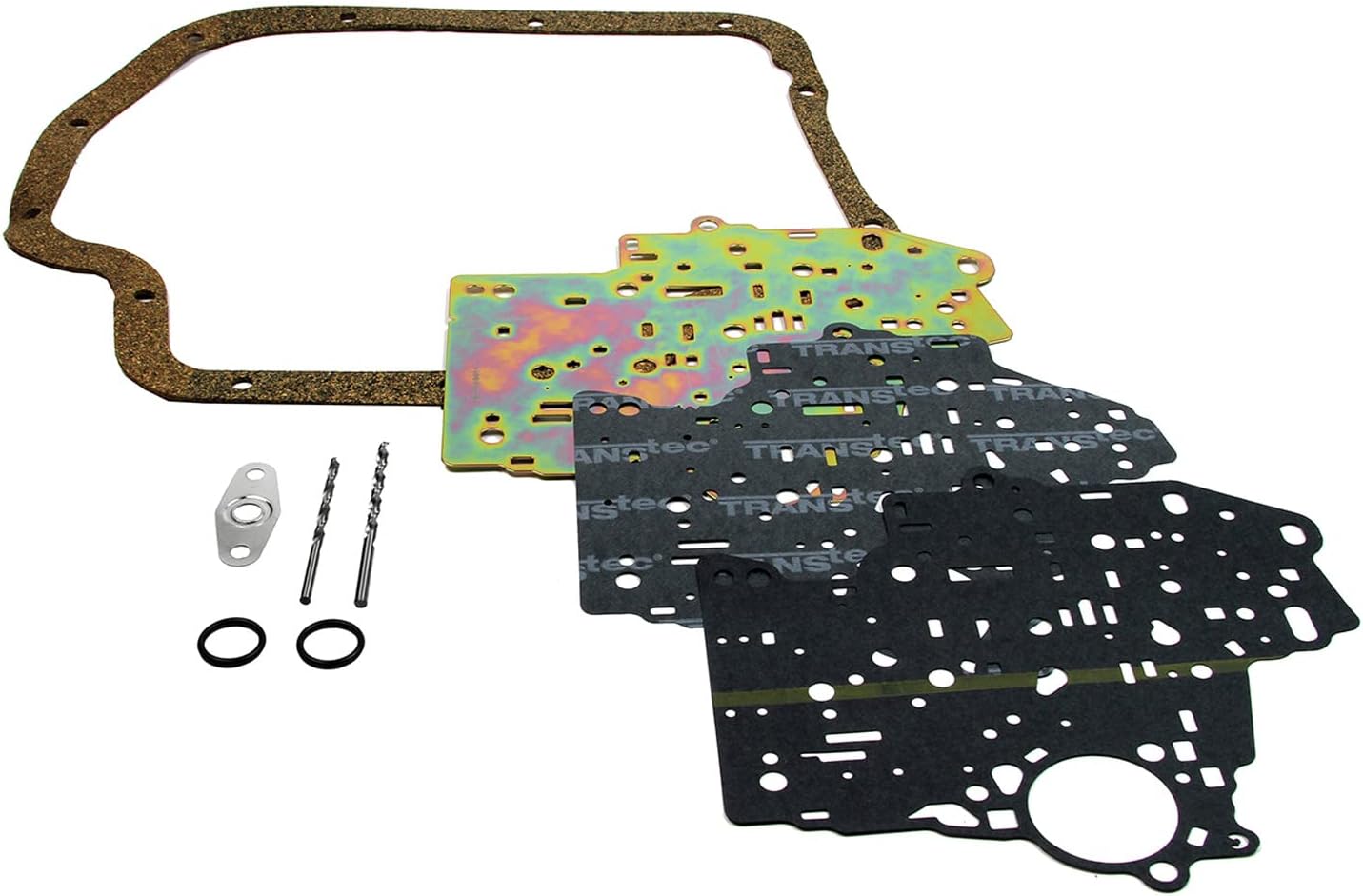
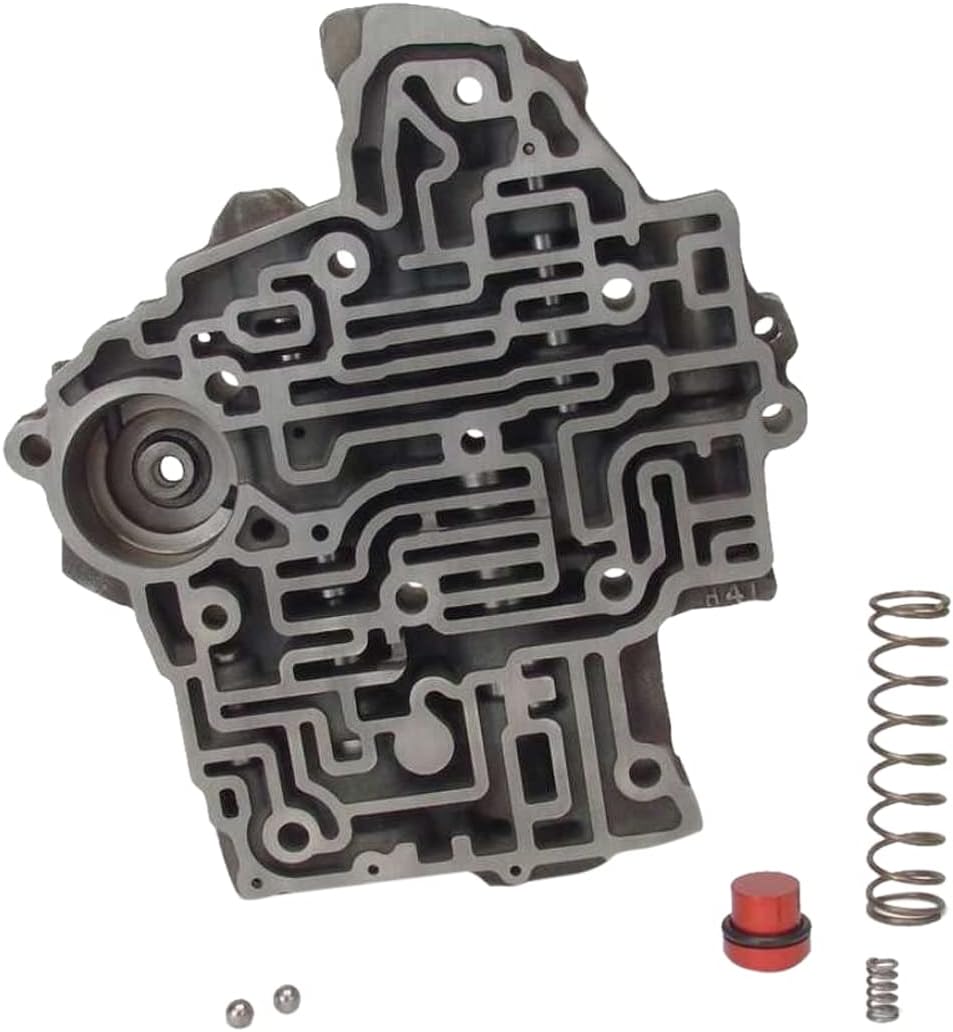
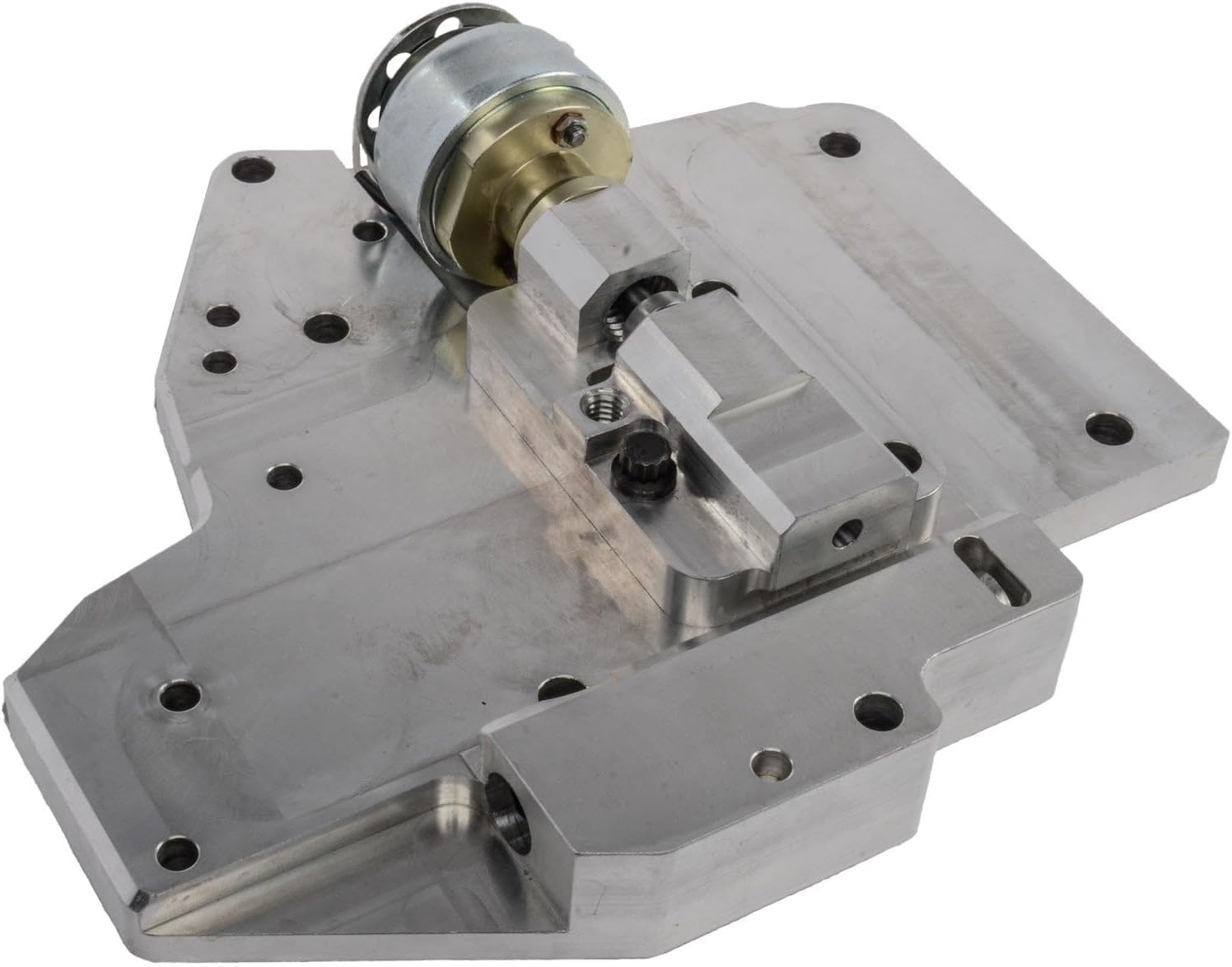
Building a hot rod, gasser or truck swap around a Turbo 400 and the column shift is gone, or the old floor shifter is so worn that the lever no longer matches the gear you are in? This floor shifter kit is made for the GM Turbo Hydra-Matic 400 (TH400). It has a 12 inch chrome shift arm with a billet aluminum knob, a lockout gate, the linkage rods and transmission-side brackets, and a 5 inch round black boot with a stainless trim ring. It is a direct floor-mount setup for cars and trucks where you want the stick on the tunnel instead of on the column.
What the shifter does on a TH400
The TH400 is shifted by a manual shaft on the side of the case. Inside, that shaft turns a detent lever that moves the manual valve in the valve body and, in Park, pushes the parking pawl into the output shaft gear. The factory selector has six positions: P, R, N, D, L2 and L1. A floor shifter does nothing more than move that external lever through those six detents, but it has to land each one exactly. If the rod is long or short by a few millimeters, the manual valve sits partly between ranges, which feeds the clutches low pressure and can cause slipping, a late engagement, or a Park that does not fully lock. The lockout gate here keeps the lever from being knocked out of Drive into Neutral, Reverse or Park by accident, which matters on a car that is launched hard.
Symptoms of a worn or mis-set shifter
- The lever says Drive but the transmission is in Neutral or Low, or the indicator is a gear off
- Car rolls in Park, or Park only engages with the lever pushed hard against the stop
- Engine will not crank in Park or Neutral, or cranks in gear
- Loose, rattling stick or play in the rod ends
- Slipping or delayed engagement that changes when you wiggle the lever
Harsh or late shifts that do not change with lever position are hydraulic, not linkage; our TH400 harsh shift guide covers the modulator, governor and valve causes.
How to confirm before you buy
Disconnect the rod at the transmission and rotate the TH400 selector lever by hand. You should feel six clean detents, fully rearward or forward for Park depending on the installation, and the output shaft should lock in Park. If the detents are crisp on their own, the problem is the shifter or rod, and this kit fixes it. If the selector feels vague by hand, the detent spring or internal linkage needs attention first; see our TH400 valve body testing guide. A late engagement that comes and goes can also be a fluid or pump issue, covered in the TH400 delayed engagement guide.
Fitment
This kit is listed for the GM Turbo 400 only. It is not tied to a model year because it mounts to the floor and to the TH400 case, so it suits swaps and custom builds as well as original TH400 cars. The gate is meant for a stock-pattern TH400, which reads P-R-N-D-2-1. If your transmission has a reverse-pattern manual valve body such as the reverse-pattern full manual valve body, the gear order will not match the gate, so plan for a shifter built for that pattern. Check tunnel clearance for the 12 inch arm and boot before cutting the floor. Questions on fit? Send us the vehicle and transmission details. All parts for this unit are on our TH400 parts page.
Install notes
- Mark the floor opening with the lever centered in the tunnel and clear of the seats and dash in every position, then cut and mount the base.
- Bolt the bracket to the TH400 case and attach the rod to the transmission selector lever.
- Put the transmission in Neutral by feel at the case lever and the shifter in Neutral, then set rod length so neither is preloaded.
- Run through every position with the engine off. Each gate stop must land on a transmission detent, and Park must lock the output shaft.
- Wire a neutral safety switch so the engine starts only in Park and Neutral, plus reverse lights. The TH400 detent downshift is electric and runs off the throttle linkage, not the shifter.
For firmer shifts to go with the new stick, add the TH400 shift improver kit.