When an Explorer owner says the transmission is slipping, the first thing to settle is which transmission is under the truck. Ford's 2001 Explorer owner guide lists the 4R70W only behind the 5.0L V8. The 4.0L SOHC V6 trucks got the 5R55E, which is a different unit with different failures. The same guide lists the full-time all-wheel-drive transfer case as a 5.0L-only option, so a V8 Explorer or Mountaineer is very often an AWD truck too. That matters, because on an AWD truck some things that feel like a slipping transmission are not in the transmission at all.
This guide walks a 5.0L Explorer slip complaint in the order I diagnose it on the shop floor: fluid, then confirming the slip is real, then mapping it to the gear it happens in, then pressure testing. Most of these trucks are now past 200,000 miles and plenty of them have towed. The fixes below are the ones that keep showing up in the technical literature and in the pan. Every spec and technical claim is linked in the Sources section at the bottom.
Step 1: Check the fluid the way Ford says to
Ford's owner guide is blunt about it: the transmission does not consume fluid, but the level should be checked any time the transmission slips or shifts slowly. Do it properly, because a cold check on a 4R70W will mislead you.
- Drive about 20 miles (30 km) until the fluid is at normal operating temperature, which Ford gives as 150-170°F (66-77°C). If the truck has been towing or sitting in hot traffic, let it rest about 30 minutes first.
- Park level, set the parking brake, and with your foot on the brake move the shifter through every range, giving each gear time to engage.
- Leave it running in Park, pull the dipstick, wipe it, reseat it fully and read it against the hot range.
Ford warns against driving it if the level is at the bottom of the stick with ambient temperature above 50°F, and it warns just as clearly about overfill: fluid above the safe range can cause shift and engagement concerns, and a high reading can itself be a sign of overheating. Low fluid makes the pump suck air on hard acceleration and turns, which feels exactly like a clutch slipping. Overfilled fluid gets whipped into foam by the rotating parts and causes the same aeration.
The fill spec for the 5.0L truck is Motorcraft MERCON V, with an approximate dry-fill capacity of 13.1 L (13.9 qt) in the 2001 guide. A pan drop only gets a fraction of that, because most of the fluid stays in the converter and the cooler circuit. Ford also notes that MERCON and MERCON V are not interchangeable and should not be mixed. On an AWD truck that is an easy mistake to make: the same guide calls for plain MERCON ATF in the AWD transfer case (1.25 L, 1.3 qt). Two different fluids live in two cases that are bolted together.
Look at the fluid on a white paper towel. Pink to light red with no smell means keep diagnosing. Dark brown with a burned smell, or a pan with a layer of friction paste and metal on the magnet, means the clutches or bands have already slipped long enough to be damaged. Fresh fluid will not undo that, and the decision is already moving toward a rebuild.
Step 2: Prove it is slipping, and rule out the AWD drivetrain
True slip means engine speed rises without a matching rise in output speed. With a scan tool, log RPM, output shaft speed (OSS), vehicle speed, the TCC command and transmission fluid temperature (TFT). Once the converter is locked, engine RPM divided by OSS should match the gear ratio: 2.84 in 1st, 1.55 in 2nd, 1.00 in 3rd and 0.70 in 4th. If the ratio drifts up while the throttle is held steady, something is slipping. If RPM flares only before lockup and the ratio is correct once the converter applies, you are looking at normal converter slip or a converter clutch problem, not a clutch pack.
On the AWD trucks, look at the tires before you condemn the transmission. Ford's owner guide says that on a 4WD or AWD Explorer a spare tire of a different size than the road tires should never be used, because it can damage driveline components, and it calls for all four tires to match in size and type. A mismatched tire on a full-time AWD transfer case makes the driveline wind up and bind in turns. Owners describe that as shudder, binding or "slipping" in tight turns, especially in parking lots. Check tire sizes and tread depth on all four corners. If the complaint goes away with the front driveshaft disconnected, the problem is in the transfer case or the tires, not the 4R70W.
Step 3: Map the slip to the gear it happens in
The 4R70W applies different clutches and bands in each gear, so the gear where the slip shows up tells you where to look. This is the table I work from on Explorers:
| What it does | Most likely cause | Confirm with |
|---|---|---|
| Slips under medium to full throttle in every forward gear, worse hot, shifts slide | Pressure regulator valve bore wear bleeding off EPC oil (no line rise) | Line pressure gauge, then the TV-port air test |
| Slips in 1st, 2nd and 3rd, may lose forward, ratio codes | Cracked OE forward clutch drum at the snap ring groove | Teardown; inspect the drum's upper section |
| 2001 truck: flare or tie-up on the 2-3, burned direct clutch | Forward-to-direct cross leak under the 2-3 accumulator | Gasket imprint check; separator plate condition |
| Neutral on the 3-4 shift, comes back with O/D cancel | Overdrive band not applying (servo or servo regulator valve) | Drop the valve body; check the servo snap ring |
| RPM flare before lockup only, ratio correct after | Converter or TCC control, not the clutches | RPM vs OSS log with TCC command |
Slips under throttle in every gear: the pressure regulator bore
This is the most common hydraulic cause of a full-range slip on a high-mileage 4R70W, and it fools people because the obvious part to replace does not fix it. Wayne Colonna laid out the mechanism in Transmission Digest: the AODE/4R70W can wear its pressure regulator valve bore enough to cut EPC pressure, or lose it entirely, when the unit is hot. With no EPC there is no line rise, so the truck slips in gear at medium to full throttle and the shifts slide. The tell on the gauge is EPC pressure staying near zero at any throttle opening, even with the transmission electrically unplugged. The usual reaction is to replace the EPC solenoid, and the problem stays.
The reason is in the hydraulic routing. EPC oil reaches the pressure regulator valve right next to a passage Ford calls the boost circuit, and that circuit actually runs back to the inlet side of the pump. Once the bore wears between the two, the pump sucks the EPC oil away. Colonna's quick test: drop the pan and filter and blow compressed air into the TV pressure port. Air and fluid coming out around the EPC solenoid is normal. Air and fluid blowing out of the filter means you have found the bore wear. He also notes that a mild case can go unnoticed for a long time, and that premature forward clutch wear can be the only symptom.
Sonnax describes the same failure from the valve side: scoring on the EPC end of the pressure regulator valve, low line rise, and a worn casting that will not seal even with a new valve. Their fix is to vacuum test the bore and, if it is worn, ream it and install an oversized valve. For 1996-later units that is the 76948-17K oversized pressure regulator and boost valve kit. The 1995-and-earlier parts do not interchange. If you do not have the reamer and vacuum fixture, a replacement valve body that is already corrected is the practical repair. Colonna's article said as much at the time.
Slips in 1st through 3rd: check the forward drum
The forward clutch is applied in 1st, 2nd and 3rd, so a slip that shows up in all three and goes away in 4th points straight at it. Burned forward frictions are the obvious find, but on these units look hard at the drum itself. Sonnax documents the OE stamped forward drum cracking at the snap ring groove, where the stamping process leaves high-stress points around the circumference. Forward piston apply pressure eventually splits the upper drum at that groove. The symptoms Sonnax lists are slip in 1st, 2nd and 3rd, no forward engagement, and ratio codes.
The drum takes its worst load on a forced 4-3 kickdown, when the forward clutch reapplies at high pressure. That is exactly how a V8 Explorer gets driven when it is towing or passing. Ford rates the 2001 5.0L trucks at up to 6,820 lb behind a 2WD truck with the 3.73 axle and 6,620 lb with AWD, and a truck that has lived near those numbers has done a lot of high-pressure kickdowns. If you find a cracked drum, Sonnax's forged one-piece replacement, 76654-01K, fits ISS and non-ISS units. Do not reuse a drum with any crack at the groove.
2001 Explorers: the cross leak that burns the direct clutch
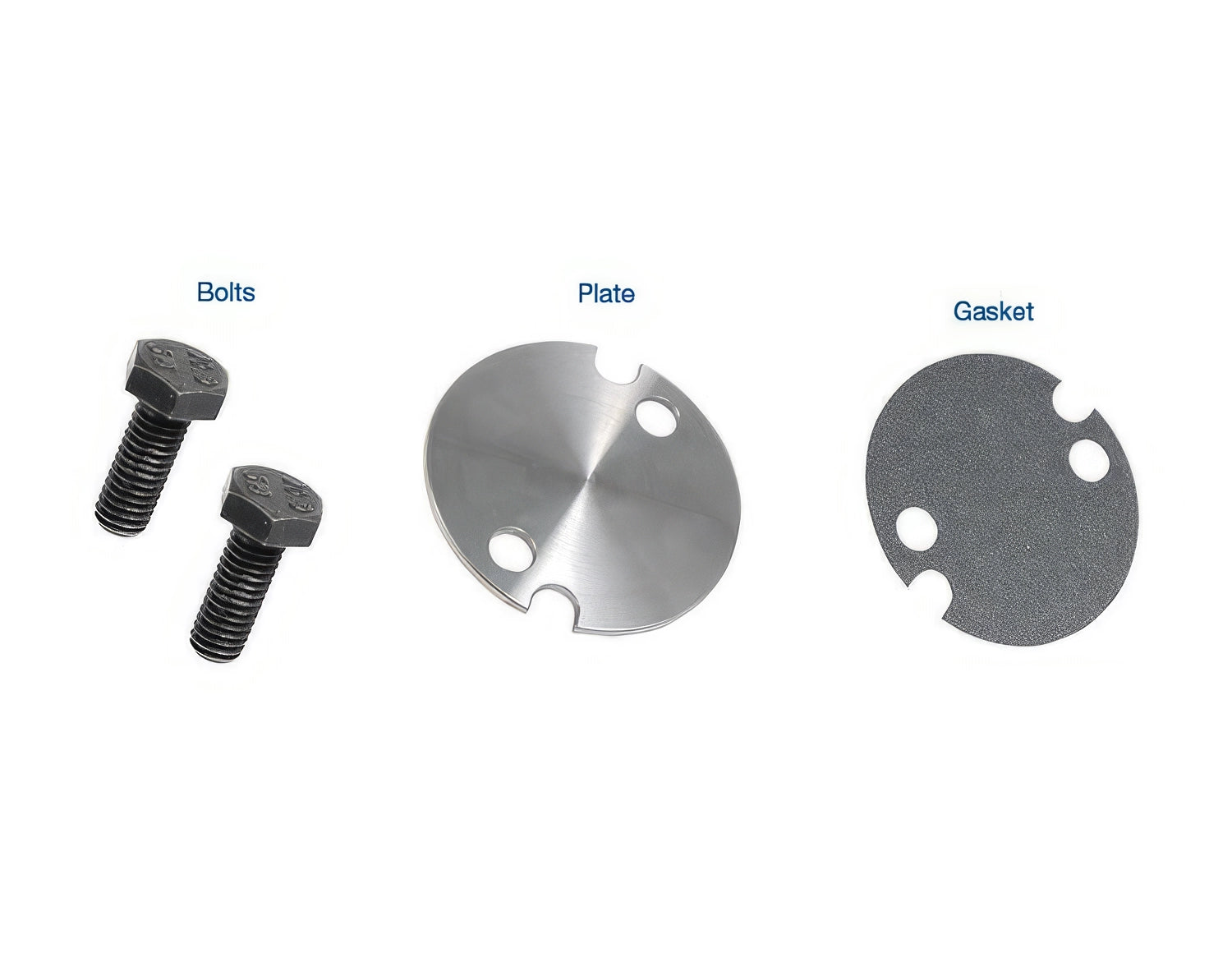
If the truck is a 2001, there is one more thing to check before the rebuild goes back together. Sonnax's Gregg Nader explains that through 2000, a two-bolt stiffener plate under the 2-3 accumulator clamped the separator plate and lower gasket to the valve body. Starting in 2001 that plate was deleted, the capacity modulator valve was eliminated, and the accumulator retainer sits directly on the separator plate. Nader measured the unclamped plate bowing up to about 0.011 in. at normal forward clutch pressure. That lets forward clutch oil cross-leak into the direct clutch circuit, and a dragging direct clutch burns up.
The quick check is the gasket imprint. Lay the upper gasket over the lower one and look at the area under the 2-3 accumulator: everywhere else shows a casting imprint, but that spot will not, because nothing is clamping it. The fix is the Sonnax 76507F-01K retainer plate kit, which clamps the plate again. Cracked separator plates are a symptom of this leak, not the root cause, so replacing the plate alone just sets up the next failure.
Neutral on the 3-4 shift: the overdrive band is not applying
A neutral or big flare on the 3-4 upshift that comes back into gear when the driver hits the overdrive cancel button is a classic 4R70W complaint. On the 3-4 shift the forward clutch releases and the overdrive band applies. If the band does not apply, you get neutral. Raybestos documented one where the overdrive servo snap ring had broken, a common 4R70W failure. In that case the remaining ring still held the servo in place, but a broken end piece had passed through an opening below the servo piston into the valve body and jammed the servo regulator valve. Removing the fragment fixed the neutral, but Raybestos warned the customer it could come back if the rest of the ring broke up.
On an Explorer that has towed in overdrive, also expect a glazed or burned overdrive band. Ford's owner guide says to deactivate overdrive when driving with a heavy load or towing on hills, and it puts towing trucks on the severe-duty schedule. A lot of these trucks never got either.
Making the repair call
Put the steps together and the decision is usually clear:
- Fluid low or wrong, fluid still clean, ratio correct once the level is fixed: correct the level with MERCON V, find the leak, and recheck hot.
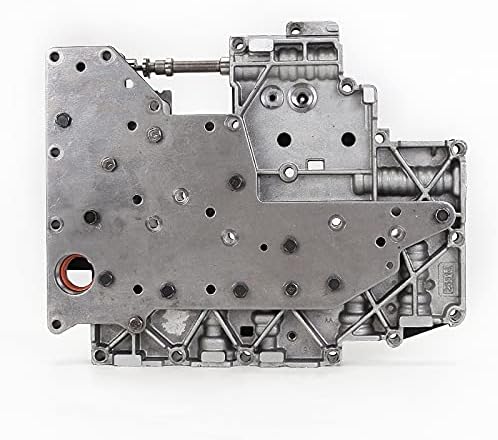
- Slip under throttle in all gears, no line rise, clean pan: valve body work. Correct the pressure regulator bore or install a corrected valve body, and check EPC on the gauge before and after.
- Slip in specific gears with burned fluid and friction material in the pan: the clutches are already damaged. That is a rebuild, and while it is apart, inspect the forward drum at the snap ring groove, fix the pressure regulator bore, and on a 2001 install the retainer plate kit so the new clutches do not burn up the same way.
Before any rebuilt unit goes back in an Explorer that tows, flush or replace the cooler and lines. Debris left in the cooler goes straight back into the new converter and valve body.
Keeping a 5.0L Explorer from slipping again
Almost every slip on these trucks ends up as a heat failure. Check the level hot, the way Ford describes, every oil change. Use a real MERCON V-approved fluid in the transmission and MERCON in the AWD transfer case. Keep all four tires matched on AWD trucks. If the truck tows, stay within Ford's ratings, use a weight-distributing hitch over 3,500 lb as Ford requires, lock out overdrive on grades, and change the fluid on the severe-duty schedule. An auxiliary cooler is cheap insurance on a truck this age.
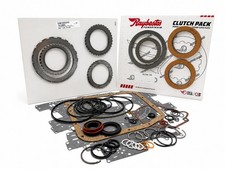
4R70W master rebuild kit with filter and band, 1997-2003
Covers the 5.0L Explorer and Mountaineer years. When the pan shows burned frictions, this is the kit for the rebuild, with the filter and band included. Sold by our sister store, CoreTransmissionParts.
Shop the part for this fix →Need the Sonnax drum, the boost valve kit or servo parts instead? The 4R70W parts collection has the full range.
Need parts for this job?
Explorer 4R70W master rebuild kits, valve bodies, the Sonnax retainer plate kit, servo and accumulator pistons, bands and filter kits are on our 4R70W parts page, with checkout on site.
FAQ
Why is my 5.0L Explorer transmission slipping?
Start with the fluid level, checked hot the way Ford describes, because low or overfilled fluid aerates and feels like a slipping clutch. If the level is right, a slip under throttle in every gear usually points to pressure regulator bore wear that bleeds off EPC pressure, while a slip only in 1st through 3rd points to the forward clutch or a cracked forward drum. A neutral on the 3-4 shift is the overdrive band not applying.
What transmission fluid does a 4R70W Explorer take, and how much?
Ford's 2001 Explorer owner guide calls for Motorcraft MERCON V in the 4R70W, with an approximate dry-fill capacity of 13.1 liters (13.9 quarts). A pan drop only replaces part of that. The AWD transfer case takes plain MERCON ATF, and Ford says MERCON and MERCON V should not be mixed.
Can mismatched tires make an AWD Explorer feel like it is slipping?
Yes. The 5.0L AWD Explorer has a full-time transfer case, and Ford warns that a spare or replacement tire of a different size can damage driveline components. Mismatched tires make the driveline bind in turns, which owners often describe as shudder or slipping. Check all four tire sizes before condemning the transmission.
Will replacing the EPC solenoid fix a slipping 4R70W?
Often it will not. Transmission Digest documented that wear in the pressure regulator valve bore lets the pump suck EPC oil away, so EPC stays near zero even with a new solenoid. The fix is correcting the bore with an oversized valve, as Sonnax describes, or installing a corrected valve body.
Related guides
- 4R70W Explorer Common Problems and Fixes
- 4R70W Slipping: Causes and Fix
- 4R70W F-150 Slipping: Causes and Fix
- 4R70W Won't Shift Into Overdrive
- 4R70W Pressure Control Solenoid Symptoms
- 4R70W Fluid Type and Capacity
Sources
- Ford Motor Company, 2001 Explorer Owner Guide. Backs the 4R70W being used behind the 5.0L V8 only (5R55E with the 4.0L SOHC), the AWD transfer case being 5.0L-only, Motorcraft MERCON V with a 13.1 L (13.9 qt) approximate dry fill, MERCON in the AWD transfer case (1.25 L), the warning not to mix MERCON and MERCON V, the hot fluid check procedure (150-170°F after about 20 miles), the overfill warning, the matched-tire and spare-tire warnings for AWD, the 5.0L towing ratings, the weight-distributing hitch requirement over 3,500 lb, and overdrive lockout when towing. Ford's fordservicecontent.com host blocks direct access, so this links the Internet Archive copy of the same PDF. web.archive.org (PDF)
- Transmission Digest, Wayne Colonna, "I Lost My EPC!" (Technically Speaking, April 1, 2004). Backs AODE/4R70W pressure regulator bore wear causing loss of EPC pressure when hot, medium- to full-throttle slip and sliding shifts, EPC near zero even unplugged, the boost circuit returning to the pump inlet, the compressed-air test at the TV port, and the link to premature forward clutch wear. transmissiondigest.com
- Sonnax, "Watch Out for 4R70W Pressure Regulator Valve & Casting Wear." Backs scoring on the EPC end of the valve, low line rise, worn castings that will not seal with a new valve, the vacuum test, and the 76948-17K oversized kit for 1996-later units versus 1995-earlier parts. sonnax.com
- Sonnax, Gregg Nader, "4R70W, 4R75W 2001-Later Forward & Direct Clutch Problems: The Easy Valve Body Fix." Backs the 2001 deletion of the two-bolt stiffener plate and capacity modulator valve, the separator plate bowing up to about 0.011 in., the forward-to-direct cross leak, the gasket imprint check, and the 76507F-01K retainer plate kit. sonnax.com
- Sonnax, Smart-Tech Forward Clutch Drum 76654-01K. Backs the OE stamped drum cracking at the snap ring groove, the worst load on a forced 4-3 kickdown, the slip in 1st-3rd, no-forward and ratio code symptoms, and the forged one-piece replacement for ISS and non-ISS units. sonnax.com
- Raybestos Powertrain, "4R70W Neutrals On 3-4 Shift (Overdrive Band Not Applying)." Backs the 3-4 neutral that recovers with overdrive cancel, the broken overdrive servo snap ring, the fragment jamming the servo regulator valve, and the warning that the remaining ring pieces can fail again. raybestospowertrain.com