"It's slipping" is the least useful sentence on a 4R70W repair order, and it's the one you hear most. A 4R70W can slip in one gear, on one shift, only when hot, or everywhere including reverse, and each of those points at a different clutch, band or hydraulic circuit. Throwing a rebuild kit at it without knowing which one is how a unit comes back in three months with the same burnt pack.
This guide walks through how the 4R70W builds each gear, how to turn "it slips" into a specific circuit, the known weak spots that cause most slip complaints (worn pressure regulator bore, cracked forward drum, the 2001-and-later separator plate cross leak, and the overdrive servo), and what actually fixes each one. The key technical claims are tied to Sonnax, Raybestos and Transmission Digest material listed at the bottom.
Start with what's applied in each gear
The 4R70W is an electronically controlled descendant of the AOD, and it shares the AODE's layout: a Ravigneaux gearset with a forward clutch, intermediate clutch, direct clutch, reverse clutch, an overdrive band and a low/reverse band, plus two one-way clutches. Per ATSG's AODE/4R70W update handbook, ratios are 2.84, 1.55, 1.00 and 0.70, with 2.32 reverse (the AODE's 2.40/1.47/1.00/0.67 gear train does not interchange). You can't diagnose slip on this unit without knowing what's holding in each range:
| Range / gear | Applied | Slip here points to |
|---|---|---|
| Drive, 1st | Forward clutch, planetary (low) one-way clutch | Forward clutch or its feed, one-way clutch |
| 2nd | Forward clutch, intermediate clutch (via intermediate one-way clutch) | Intermediate clutch, 1-2 accumulator, or forward clutch |
| 3rd | Forward clutch, direct clutch (intermediate still on, overrunning) | Direct clutch or its feed, or forward clutch |
| 4th (overdrive) | Direct clutch, overdrive band | Overdrive band/servo, or direct clutch |
| Manual 1 | Forward clutch, low/reverse band | Compare to Drive 1st to isolate the one-way clutch |
| Reverse | Reverse clutch, low/reverse band | Reverse clutch, low/reverse band, or low line pressure |
That table does most of the diagnostic work. Two patterns are worth memorizing. If it slips in 1st, 2nd and 3rd but 4th holds, the forward clutch is the common element, because 4th is the only forward gear that doesn't use it. If it slips on the 2-3 and in 3rd and 4th but 1st and 2nd are fine, the direct clutch is the common element. And if it slips in every range including reverse, stop looking at individual clutches and look at line pressure.
Step one: the boring checks that catch half of them
Before the pan comes down, check fluid level hot, in Park, engine running, on level ground. Low fluid lets the pump suck air at the filter, and on the 4R70W that shows up first as delayed engagement and slip on hard acceleration or turns. The 4R70W is a MERCON V unit (Ford's Motorcraft ATF chart lists MERCON V, XT-5-QMC, for the 4R70W/4R75W family); if someone has been topping it off with a universal fluid or an LV fluid, write that down. Same for a bottle of slip treatment: that chart also says not to use supplemental fluid additives, treatments or cleaning agents. Our 4R70W fluid type and capacity guide has Ford's numbers and the hot-check procedure.
Smell and look at the fluid on the stick. Dark, burnt fluid with a varnish smell means a clutch or band has already been cooked, and a fluid change won't bring it back. Fresh-looking fluid on a unit that slips is actually good news: it usually means the hydraulics are the problem and the frictions may still be serviceable.
Step two: scan tool and pressure gauge
Pull codes first. Gear ratio error codes (the P0731-P0734 family) are the computer telling you the same thing the driver is: input and output speeds don't match the commanded gear. Note which gear. A ratio code on 4th only is a very different job from ratio codes on 1st, 2nd and 3rd.
Don't skip electrical codes, either. Transmission Digest documented a 4R70W that started in a higher gear and set multiple solenoid codes after a hard wire frame and case connector replacement. The cause was an aftermarket connector with two terminals pushed back so they didn't contact the frame, one of them the 12-volt solenoid supply. Replacing the frame and connector with Ford parts (F8AZ-7G276-BA frame, F8AZ-7G276-A connector) cleared it for good. If the unit has had recent electrical work, suspect that work first.
With the scan tool connected, watch these PIDs on a road test:
- Transmission fluid temperature (TFT): note whether the slip appears only above a certain temperature. Slip that shows up hot and disappears cold is a leak that gets worse as fluid thins: sealing rings, a worn valve bore, a cross leak.
- Commanded gear vs. actual ratio: calculate it from engine RPM, output shaft speed and axle ratio, or use the ratio PID if your tool has one. Confirm the slip is real before you blame the converter.
- EPC pressure / EPC duty: if the computer is commanding high pressure and the unit still slips, the problem is mechanical or hydraulic, not a calibration issue.
- TCC command and slip RPM: a converter clutch that won't hold feels like slip at cruise. That's a different diagnosis, covered in our 4R70W P0741 guide.
Then put a 0-300 psi gauge on the line pressure tap. Chock the wheels, set the parking brake, keep your foot on the service brake, and never hold a stall or WOT pressure check for more than about five seconds at a time. What you're looking for is not an exact number so much as line rise: pressure should climb smoothly as throttle opens, and it should climb in both Drive and Reverse. As a reference, TeckPak's AODE/4R70W EPC solenoid instructions list 50-75 psi in P, N and D and 80-120 psi in Reverse at closed throttle, rising to 160-210 psi forward and 220-280 psi in Reverse at wide open throttle. ATSG's tap chart agrees on the idle values (50-75 psi line in the forward ranges, 80-120 psi in Reverse) and adds that the EPC tap should read only 0-9 psi at idle. Confirm against the Ford service manual for the exact application. Low idle pressure with weak rise, in every range, is the classic sign of the problem in the next section.
Cause 1: worn pressure regulator valve and bore (slips in every range)
This is the most common hydraulic cause of 4R70W slip, and the one most often missed. Sonnax documents scoring on the EPC end of the pressure regulator valve in the AODE, 4R70W, 4R70E, 4R75W and 4R75E. The bore in the valve body casting usually wears along with it. The symptoms Sonnax lists read like a slip complaint: reduced line pressure or low line rise, soft shifts, delayed forward or reverse engagement, throttle buzz, uncontrolled reverse pressure, and clutch and band failure.
The trap is that a new valve alone often doesn't fix it. If the bore is worn, the casting can't seal even against a perfect valve. Sonnax recommends a vacuum test to find bore wear you can't see, then reaming the bore for an oversized valve. The part numbers they list are 76948-01 (pre-1995, four-spool), 76948-09 (1996 and later), and oversized kits 76948-16K (1995 and earlier) and 76948-17K (1996 and later).
Transmission Digest's Wayne Colonna explained why this bore wear causes slip in his article "I Lost My EPC!": EPC oil feeds the pressure regulator valve next to Ford's boost circuit, which returns to the pump inlet, so a worn bore siphons EPC pressure away. The result is little or no line rise, medium-to-full throttle slip in gear and sliding shifts, usually worse hot. His quick check: drop the pan, pull the filter and blow compressed air into the TV pressure port. Air and fluid out of the filter opening means the bore is leaking EPC oil. For the full EPC diagnosis, see our 4R70W EPC solenoid symptoms guide.
If you replace burnt clutches on a unit with a worn PR bore and don't fix the bore, the new frictions will burn for the same reason the old ones did. More detail on vacuum testing this and the other worn bores is in our 4R70W valve body wear guide.
Cause 2: cracked forward clutch drum (slips in 1st, 2nd and 3rd)
When the complaint is slip in the first three gears, or no forward at all, with 4th and reverse fine, look hard at the forward clutch drum. Sonnax traces a common failure to the way the OE stamped drum's snap ring groove is made. The process leaves high-stress points around the groove, and when the forward piston applies at high pressure during 4-3 kickdowns, the drum cracks there until the upper section splits and separates.
Sonnax lists the symptoms as no forward, slipping in 1st, 2nd and 3rd, a broken drum, and ratio codes. On teardown, inspect the snap ring groove area closely, not just the frictions. A drum that has started to crack will look fine at a glance with the snap ring installed. The fix is a new drum; Sonnax's Smart-Tech drum (76654-01K) is a one-piece forging with a deeper ring groove, made to eliminate those stress points, and it covers both ISS and non-ISS units.
Also check the forward piston seals and the pump-side sealing rings. The forward clutch is fed from the front of the unit through the pump, so worn pump rings or a worn stator support will bleed forward apply oil and give you the same 1-2-3 slip with a healthy drum.
Cause 3: forward/direct cross leak on 2001-and-later units (2-3 flare, burnt direct clutch)
This is the one that catches good builders on later units. Through 2000, Ford used a two-bolt stiffener plate to clamp the valve body, separator plate and gaskets together in the area of the forward and direct passages. Starting in 2001 the plate was eliminated, along with the capacity modulator valve, which left unused pockets in the casting in the same area.
Sonnax found that without the clamping, forward oil pressure seeps into the unused passages and pushes up on the separator plate. They measured the plate bowing as much as 0.011 inch under normal forward pressure. When it bows, forward clutch oil cross leaks into the direct clutch circuit. The forward clutch is fed from the front through the pump, and the direct clutch is fed from the rear through the output shaft, so they're not supposed to share oil at all. The results are dragging clutches, oil bleeding between circuits, and on teardown, gasket imprints that are heavy everywhere except under the 2-3 accumulator area. That missing imprint is the tell.
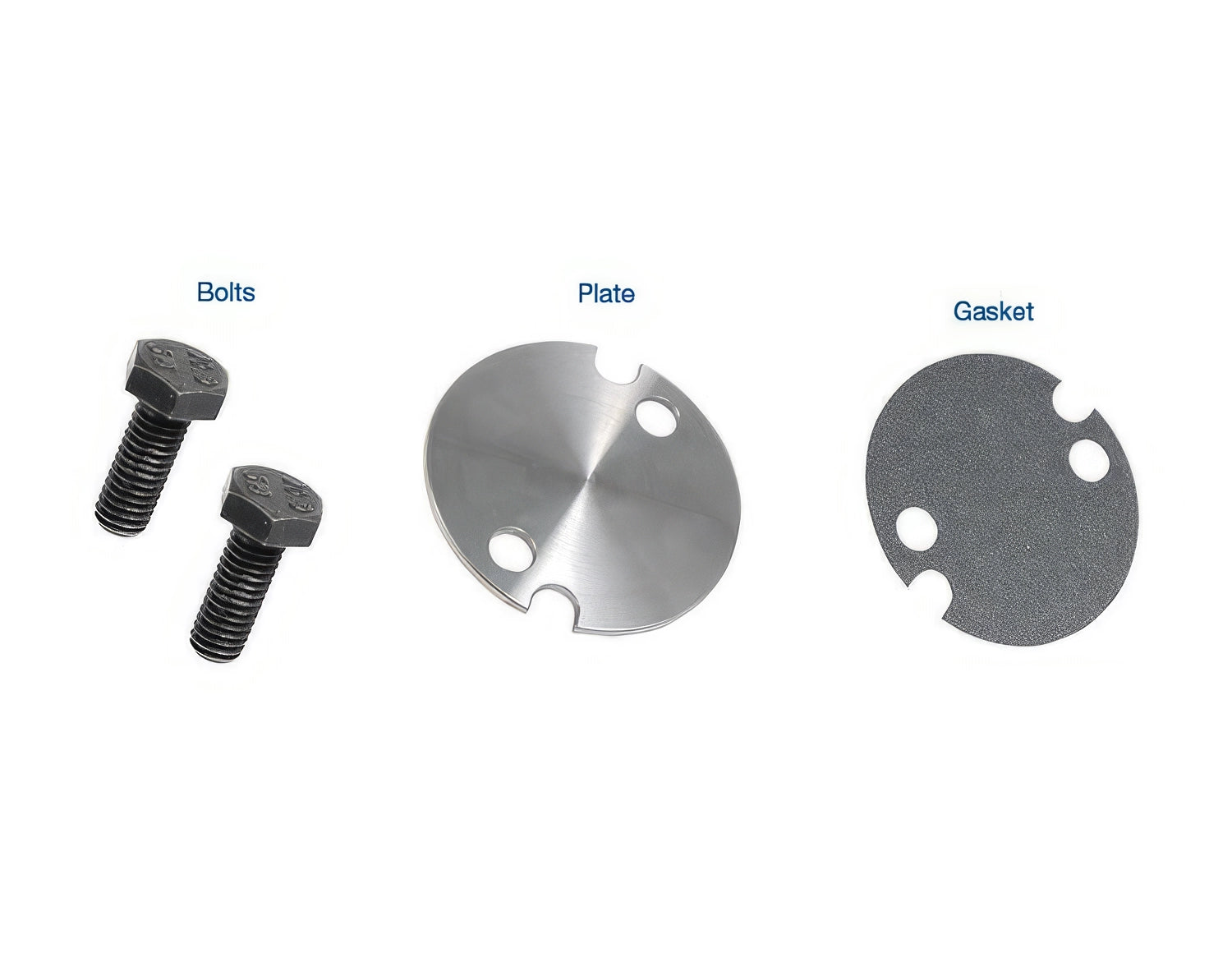
The Sonnax repair is the valve body retainer plate kit, 76507F-01K. You drill and tap the valve body at the bolt locations, drill the separator plate, and install a two-bolt clamping plate so the gasket is mechanically compressed again. If you're rebuilding a 2001-or-later 4R70W that came in with a burnt direct clutch, do this every time. Otherwise the new direct clutch lives in the same leak.
Direct clutch slip that isn't a cross leak usually comes down to the direct feed at the rear: worn sealing rings on the output shaft or worn bushings, which let the apply oil escape. Replace the rings and check bushing clearance while you're in there.
Cause 4: overdrive band and servo (slips or neutrals in 4th)
If 1st through 3rd are solid and it slips in overdrive, flares on the 3-4, or drops into neutral on the 3-4 shift, you're looking at the overdrive band apply side.
Broken servo snap ring. Raybestos Powertrain describes a common 4R70W case: the unit neutrals on the 3-4 shift, and pushing the overdrive cancel button brings the gear back. The forward clutch releases on the 3-4, but the band doesn't apply. The cause is a broken overdrive servo snap ring. Small pieces of the ring break off and jam the servo regulator valve in the valve body. Pull the pan and valve body and look for snap ring fragments and debris under the servo piston. Raybestos warns that if you only clear the pieces, the remaining ring can keep breaking, so the job isn't done until the ring is replaced.
Worn servo regulator sleeve. Sonnax ties a burned overdrive band, loss of 4th, and a 4-3-neutral pattern to wear at the inside diameter of the overdrive servo regulator boost valve sleeve, caused by constant oscillation. The worn sleeve leaks overdrive oil, and the servo can't be regulated properly, so the band slips. Their fix is the 76948-29K overdrive servo regulator kit, with an oversized valve kit for worn bores.
A burned band is the result, not the cause, in both cases. Replace the band, but fix the servo circuit or the new band burns too. Our 4R70W P0730 guide covers how the computer flags this as a ratio fault.
Cause 5: 1-2 slip or flare
Slip only on the 1-2 shift or in 2nd points to the intermediate clutch and the 1-2 accumulator. Worn intermediate frictions, a leaking piston seal, or a worn accumulator bore will all soften or flare the shift. Because 2nd also uses the forward clutch, confirm 1st is solid before you condemn the intermediate side.
Rebuild or repair?
The honest answer depends on what you find in the pan. Clean pan, fresh fluid, and slip in every range: it's usually hydraulic, and a valve body repair (PR bore, and the retainer plate on a 2001-or-later unit) may fix it without splitting the case. Clutch material and burnt fluid: the damage is done, and the unit needs an overhaul with new frictions and steels. Just don't stop there. Every rebuild on this unit should include fixing whatever hydraulic fault burned the pack in the first place:
- Vacuum test and correct the pressure regulator bore.
- Install the Sonnax retainer plate kit on 2001 and later units.
- Inspect the forward drum's snap ring groove, and replace the drum if there's any sign of cracking.
- Replace the overdrive servo snap ring and check the servo regulator sleeve.
- Replace all sealing rings and check bushing clearances front and rear.
Sonnax Smart-Tech forward clutch drum (76654-01K)
If your 4R70W slips in 1st, 2nd and 3rd, the cracked OE forward drum is a prime suspect. This is the one-piece forged replacement with the deeper snap ring groove, for 1996-2008 units. Sold by our sister store, CoreTransmissionParts.
Shop the part for this fix →Need something else? The 4R70W parts collection has PR valve kits, servo parts, friction packs and full rebuild kits.
Need parts for this job?
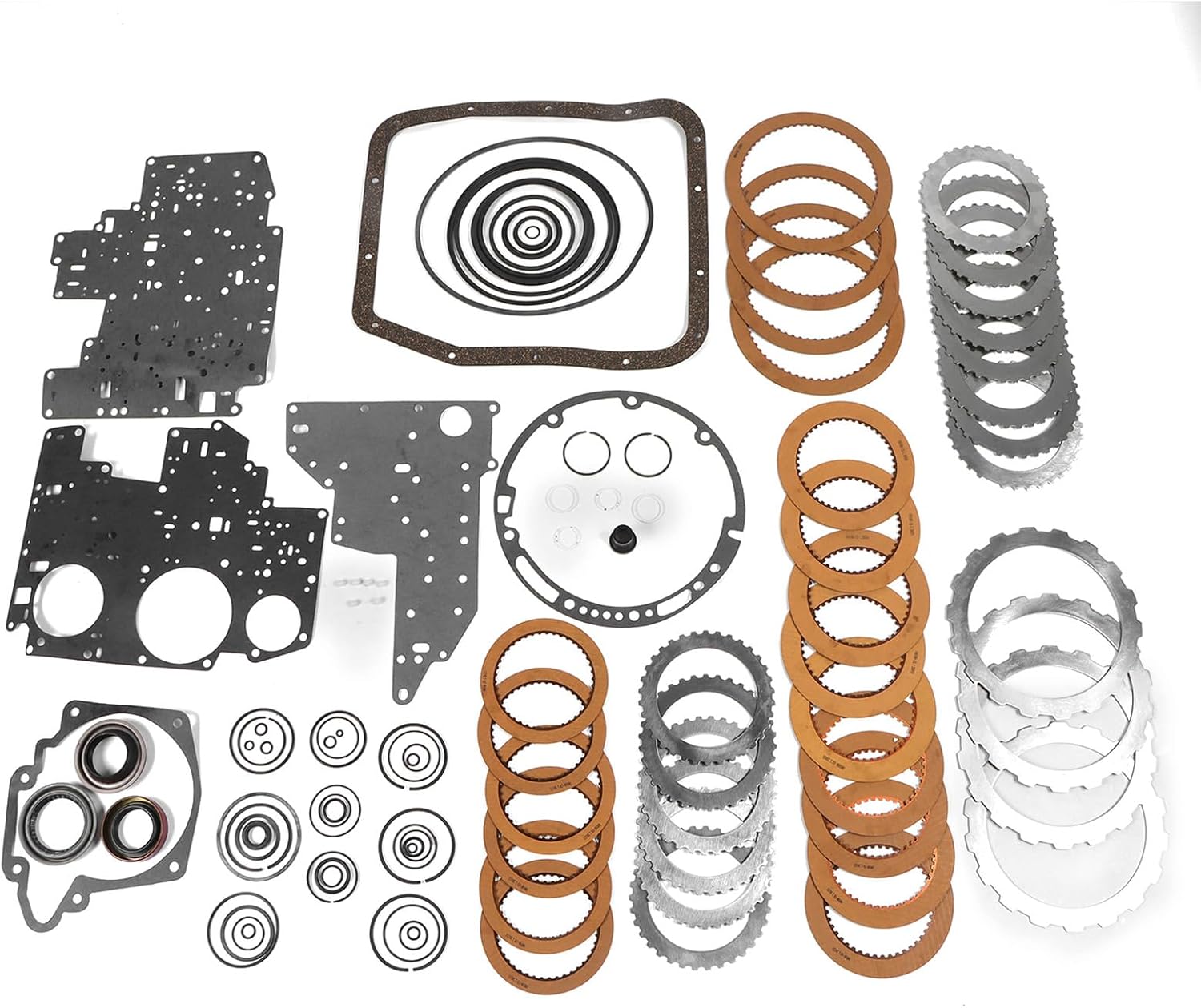
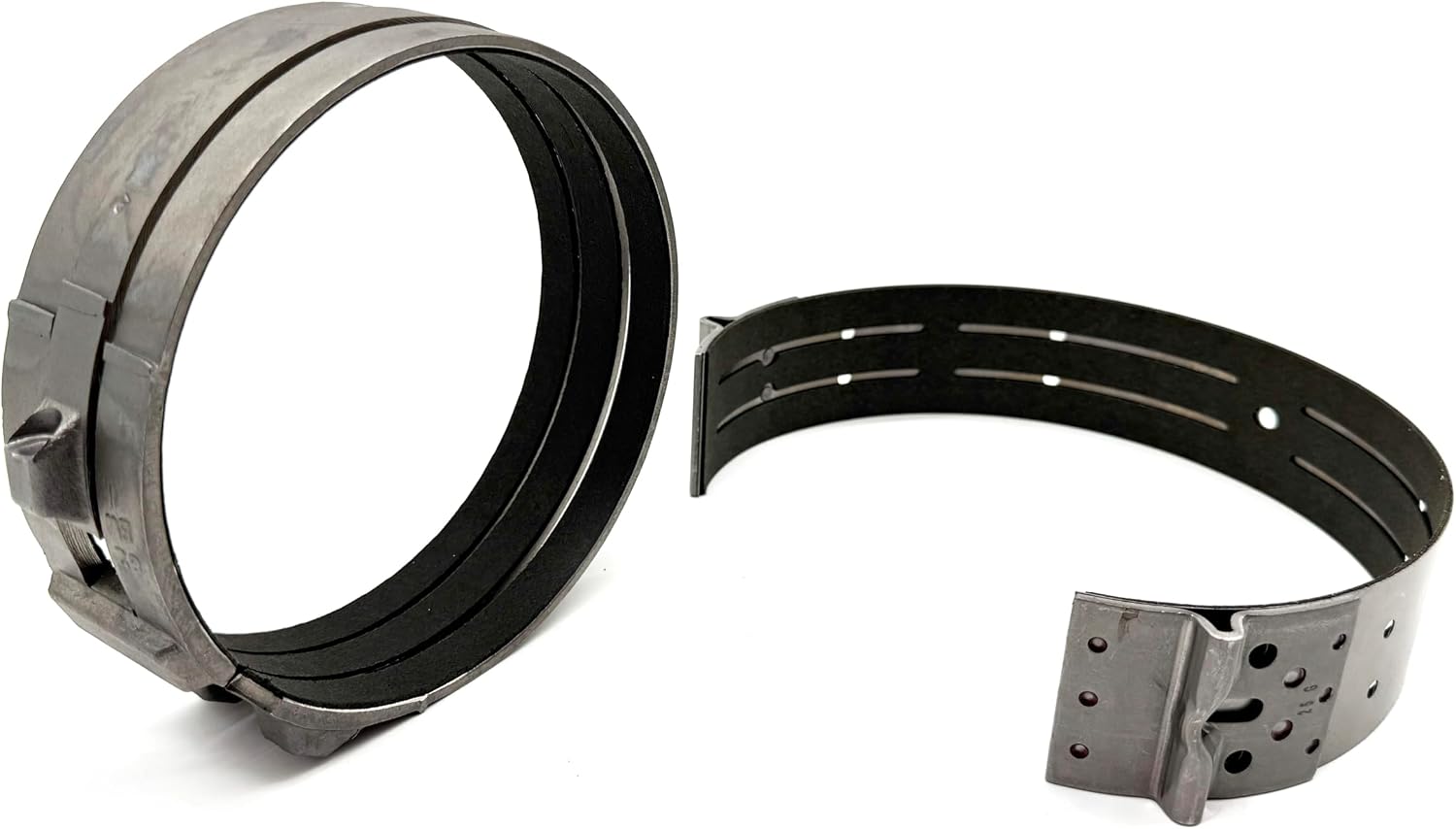
Our 4R70W parts page carries master rebuild kits with frictions and steels, the Sonnax retainer plate kit, overdrive and reverse bands, valve bodies and solenoid kits for F-150, Expedition, Crown Victoria, Mustang and Explorer units. Checkout is on site.
FAQ
Why is my 4R70W slipping in 1st, 2nd and 3rd but not 4th?
The forward clutch is applied in 1st, 2nd and 3rd but not in 4th, so slip in those three gears points at the forward clutch or its feed. Sonnax documents the OE stamped forward drum cracking at the snap ring groove, which causes slip in 1st through 3rd or no forward at all. Worn pump sealing rings that bleed forward apply oil can cause the same pattern.
What causes a 4R70W to slip in every gear including reverse?
Slip in every range usually means low line pressure rather than one bad clutch. Check the fluid level hot first, then put a pressure gauge on the line tap. A common cause is scoring on the EPC end of the pressure regulator valve and wear in its bore, which Sonnax links to low line rise, soft shifts and delayed engagement.
Why does my 4R70W go into neutral on the 3-4 shift?
On the 3-4 shift the forward clutch releases and the overdrive band has to apply. Raybestos Powertrain describes broken overdrive servo snap ring pieces jamming the servo regulator valve so the band never applies, and pressing the overdrive cancel button brings the gear back. Worn overdrive servo regulator sleeves can also cause loss of 4th and a burned band.
Will a fluid change fix a slipping 4R70W?
Only if the slip was caused by low or wrong fluid. If the fluid is burnt or full of friction material, the clutch or band is already damaged and needs to be replaced. If the fluid looks fresh and the unit still slips, the cause is usually hydraulic, such as a worn pressure regulator bore or a cross leak, and a fluid change will not fix it.
Do 2001 and later 4R70W transmissions have a known slip problem?
Yes. In 2001 Ford removed the two-bolt stiffener plate that clamped the valve body in the forward and direct clutch passage area. Sonnax measured the separator plate bowing up to 0.011 inch, which lets forward clutch oil cross leak into the direct clutch circuit and causes dragging or burnt clutches. The Sonnax 76507F-01K retainer plate kit restores the clamping.
Related guides
- Ford 4R70W and 4R75W Transmission Problems
- 4R70W P0730 Fix
- 4R70W Valve Body Wear and Fix
- 4R70W vs 4R75W Differences
- 4R70W Fluid Type and Capacity
- 4R70W Pressure Control (EPC) Solenoid Symptoms
Sources
- Sonnax, "Watch Out for 4R70W Pressure Regulator Valve and Casting Wear." Backs EPC-end PR valve scoring and bore wear, the low line rise, soft shift, delayed engagement and clutch/band failure symptoms, the vacuum test, and part numbers 76948-01, 76948-09, 76948-16K and 76948-17K. sonnax.com
- Sonnax, "4R70W, 4R75W 2001-Later Forward and Direct Clutch Problems: The Easy Valve Body Fix." Backs the 2001 elimination of the two-bolt stiffener plate and capacity modulator valve, separator plate bowing up to 0.011 in., the forward-to-direct cross leak, the gasket imprint tell, and the 76507F-01K retainer plate repair. sonnax.com
- Sonnax, Smart-Tech Forward Clutch Drum 76654-01K. Backs the OE stamped drum cracking at the snap ring groove during 4-3 kickdowns, the no-forward / 1st-2nd-3rd slip / ratio code symptoms, and the forged one-piece replacement for ISS and non-ISS units. sonnax.com
- Sonnax, Overdrive Servo Regulator Kit 76948-29K. Backs the burned overdrive band, loss of 4th and 4-3-neutral symptoms caused by servo regulator boost valve sleeve wear. sonnax.com
- Raybestos Powertrain, "4R70W Neutrals On 3-4 Shift (Overdrive Band Not Applying)." Backs the 3-4 neutral with overdrive-cancel recovery, the broken overdrive servo snap ring jamming the servo regulator valve, and the warning that remaining ring pieces can fail again. raybestospowertrain.com
- Transmission Digest, "Ford 4R70W solenoid codes set." Backs the aftermarket case connector with pushed-back terminals causing high-gear starts and solenoid codes, and the Ford hard wire frame F8AZ-7G276-BA and connector F8AZ-7G276-A fix. transmissiondigest.com
- Transmission Digest, "I Lost My EPC!" (Wayne Colonna, April 2004). Backs EPC oil being siphoned through PR valve bore wear into the boost circuit that returns to the pump inlet, the resulting low line rise, slipping and sliding shifts, and the compressed air test through the TV pressure port. transmissiondigest.com
- TeckPak, Installation Instructions, EPC Solenoid for AODE/4R70W 1992-97 (76923). Backs the closed and wide open throttle line pressure ranges for P/N/D and Reverse. teckpak-fitzall.com (archive.org)
- ATSG (Automatic Transmission Service Group), AODE, 4R70W, 4R70E, 4R75E Update Handbook. Backs the 4R70W ratios (2.84, 1.55, 1.00, 0.70, 2.32 reverse) versus the AODE's, the non-interchange of gear train parts and calibrations, and the tap chart idle values including 0-9 psi at the EPC tap. ATSG update handbook (PDF)
- Ford Customer Service Division (Motorcraft), Automatic Transmission Fluid Chart, Version 21, US. Backs MERCON V (XT-5-QMC) for the 4R70W/4R70E/4R75W/E and Ford's caution against supplemental fluid additives, treatments and cleaning agents. Motorcraft ATF chart (PDF)