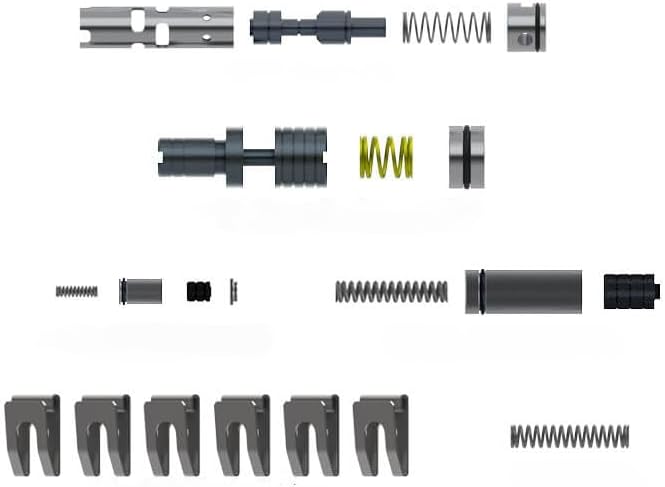
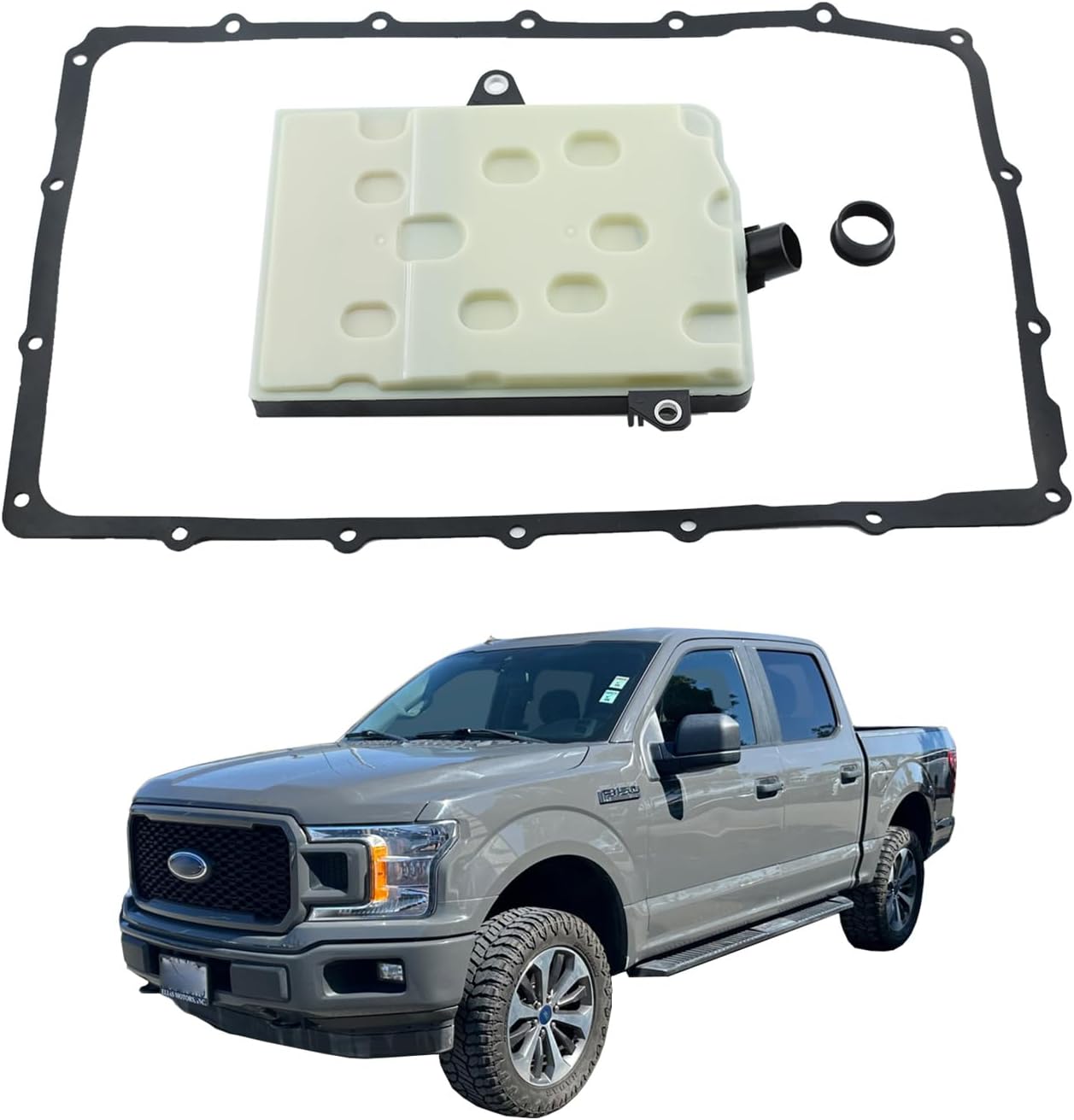
If your F-150, Expedition, Mustang, Silverado, Tahoe or Camaro with a ten-speed has converter shudder that feels like rumble strips, harsh or flared shifts, delayed engagement or fluid that runs hot, the problem is often not a single bad solenoid. It is worn valve body bores leaking pressure out of the circuits that matter. The Sonnax Zip Kit, part number 10L80-G1-10R80-ZIP, puts seven targeted repairs for the Ford 10R60 and 10R80 and GM Generation 1 10L60, 10L80 and 10L90 valve body in one box.
What the Zip Kit does in a 10-speed valve body
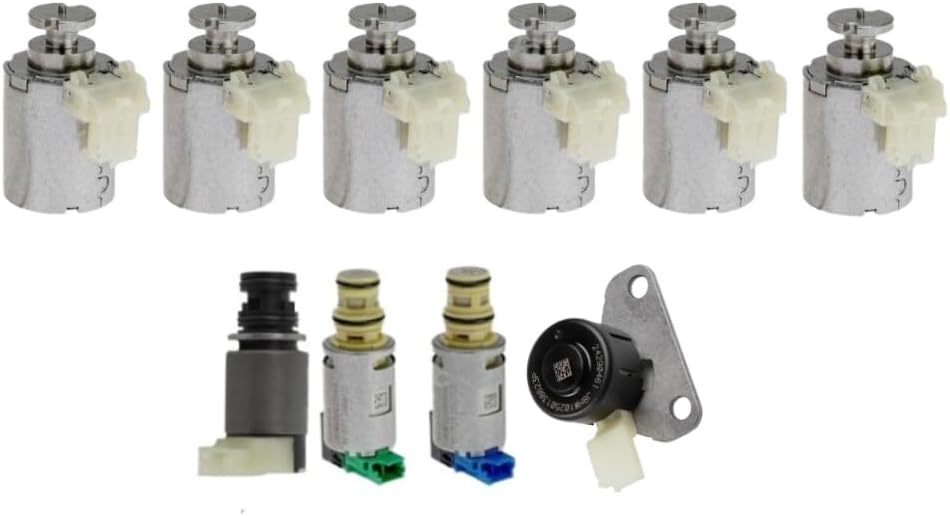
Ford and GM co-developed this transmission, and the Gen 1 valve body is shared closely enough that one kit covers both. Sonnax groups the repairs by circuit. In the converter clutch circuit, the kit has a TCC priority valve kit (105740-03K), a TCC signal damper piston kit (105740-06K) and a TCC regulator valve spring (105740-29); Sonnax ties these to TCC apply and release problems, slip codes, low cooler flow and overheated fluid. For main line pressure it has a main pressure regulator valve kit (105740-12K) and an LPC signal damper piston kit (105740-04K), aimed at low or high line pressure, delayed engagement and harsh shifts. For shift solenoid control it includes six solenoid stabilization retainers (105740-19K), and for clutch apply control a latch valve stem repair kit (105740-47K), which addresses the latch valve stems that get damaged against their retainers.
The parts are drop-in. No reaming fixture or special tooling is needed, which makes the kit practical during a rebuild, a solenoid replacement or a shudder repair where the valve body is already on the bench.
Symptoms the kit targets
- Converter shudder or TCC slip, including converter clutch slip codes
- Harsh, late or flared upshifts and poor shift quality
- Delayed engagement into drive or reverse
- Burnt clutches from low apply pressure
- Overheated fluid and low cooler flow
- Lube failures traced to low converter and cooler circuit pressure
How to confirm before you buy
Valve body wear is confirmed with a vacuum test, not by guessing. Sonnax publishes a vacuum test guide for these valve bodies with the test points and the complaint each bore causes, and our 10L80 valve body symptoms and testing guide explains how to use it. Rule out a solenoid or electrical fault with 10L80 pressure control solenoid symptoms. Because ten-speed shift complaints can also come from clutch clearance or a damaged drum, a high-mileage unit should be inspected inside before you assume the valve body is the only cause.
Fitment
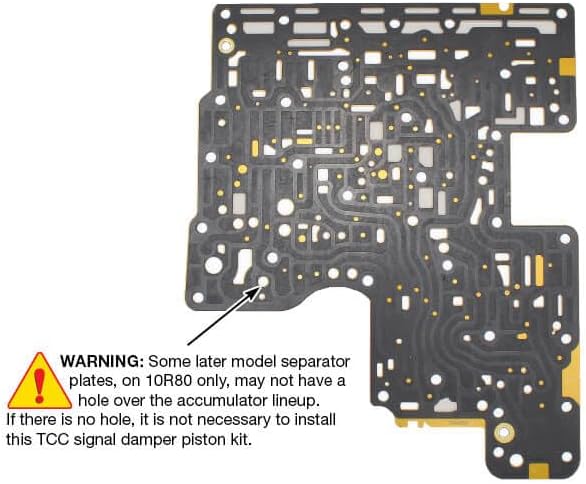
This kit is for Ford 10R60 and 10R80 and GM 10L60, 10L80 and 10L90 Generation 1 valve bodies. It is not the kit for the later GM Gen 2 valve body, which replaced the latch valves with feed limit valves and has its own repairs. Our listing also names the 10R90. On the 10R80 there is one variation to know: Sonnax notes some later separator plates have no hole over the accumulator lineup, and on those the TCC signal damper piston kit is not needed. Confirm generation by casting and layout or send us your year and VIN. The full parts list is on the 10L80 and 10L90 parts page.
Install notes
- Remove the valve body and disassemble one bore at a time on a clean bench, following the Sonnax one-sheet quick guide and booklet.
- Vacuum test each lineup before and after; the booklet lists specs and extra repair options for wear beyond what the kit covers.
- Install the six stabilization retainers on the shift solenoids and check every latch valve stem as you go.
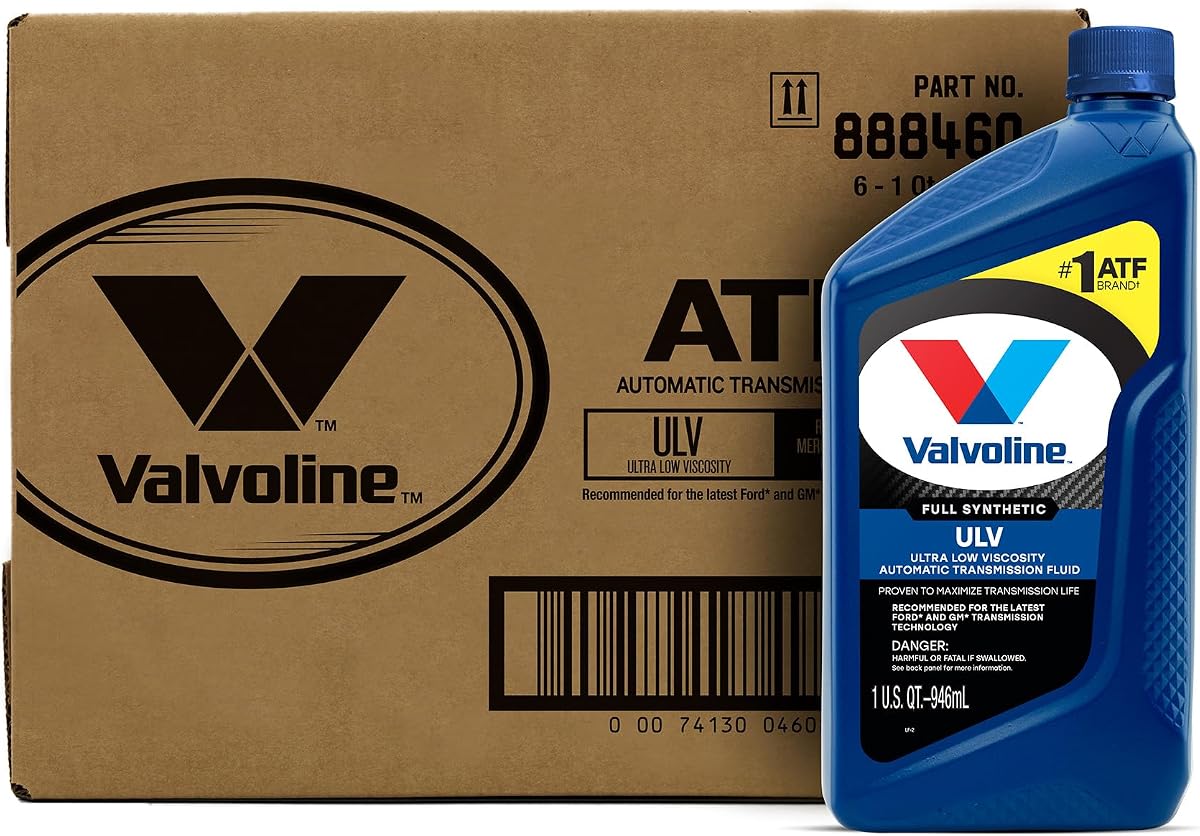
- Fill with the correct ULV fluid for your unit, such as Triax ULV full synthetic ATF, set the level hot, and run the adaptive relearn.
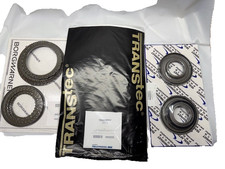
- If the unit is coming apart anyway, pair the kit with a 10L80 overhaul kit so the clutch side is fresh too.