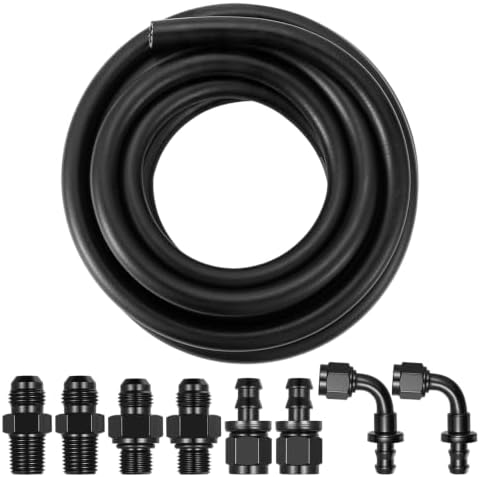
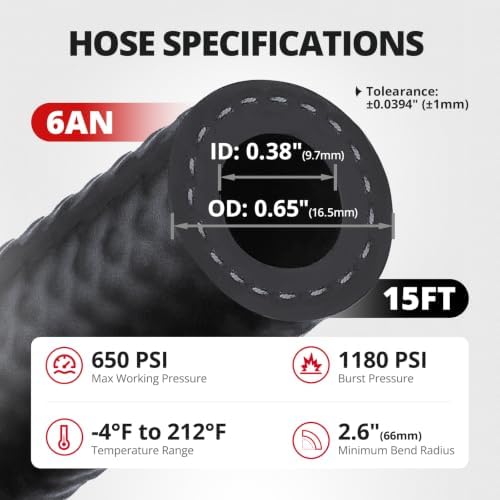
If your Silverado, Sierra, Tahoe, Suburban, S10, Blazer or Camaro has a wet trail of red fluid running along the frame rail, or a cooler line that has rusted through at a clip, this is the repair. The kit gives you 15 feet of 6AN hose, swivel hose ends and adapter fittings, enough to rebuild both the feed and return lines between a GM 4L60E or 4L65E and the radiator tank or an add-on cooler. Fifteen feet is the useful number here: a full-size truck with the cooler up front and the transmission under the cab eats a lot of hose, and you want enough left over to route around the engine mount and exhaust instead of pulling a line tight.
What the cooler lines do in a 4L60E
In a 4L60E the pump feeds the pressure regulator valve, the regulator feeds the torque converter, oil leaving the converter goes out to the cooler, and the oil coming back from the cooler becomes the lube supply for the bushings, gears and clutch packs. Those circuits are connected in series, so a cooler line is not just a radiator plumbing issue. A restricted or kinked line cuts lube flow and lets the converter run hot, and a line that leaks or blows off empties the pan in a matter of miles. GM treats this seriously enough that its own bulletin requires a cooler flush and flow test after transmission work, warning that insufficient cooler flow causes premature failure.
Symptoms of a failing 4L60E cooler line
- ATF dripping from the steel line where it passes a frame clip, or seeping from the crimped rubber section near the radiator
- Fluid level dropping between checks with no leak at the pan gasket or output seal
- Delayed engagement into Drive or Reverse after the truck sits, a sign the level is already low
- Slipping or flare on the 3-4 shift; low fluid starves the 3-4 clutch first, which is already the weakest pack in this unit
- Dark, burnt-smelling fluid and a converter that runs hot, from restricted flow through a crushed or kinked line
Sonnax published a shop case history on exactly this: on 4L60E trucks where a cooler line popped out at the radiator, the sudden fluid loss burnt the 3-4 clutches in most cases, and a few burnt the forward clutches too. Fix the line before it takes the transmission with it.
How to confirm the line is the problem
Clean the area with brake cleaner, drive the truck to full temperature, and look again with a light. Follow both lines from the case to the cooler, paying attention to the clips, the bends near the oil pan and the crimp ferrules at each end. If the transmission is already slipping, a line repair alone will not bring burnt clutches back; read our 4L60E common problems guide to sort out whether you are dealing with a leak or an internal failure that needs a 3-4 clutch pack or a full rebuild.
Fitment
The listing covers the GM 4L60E and 4L65E family used in 1993-2013 Chevrolet and GMC rear-wheel-drive trucks, SUVs and cars, including the Silverado and Sierra 1500, Tahoe, Yukon, Suburban, S10, Sonoma, Blazer, Camaro and Corvette. Port threads and radiator connections are not identical across those years: some ends use threaded fittings and others use a snap-in connector at the radiator tank. Check the thread and style at your case and cooler before you cut hose, and if you are unsure, send us your year and VIN and we will help you match it. Browse every part we carry for this unit on our 4L60E collection page.
Install notes
- Put a pan under the lines, disconnect them and drain the cooler circuit before cutting anything out.
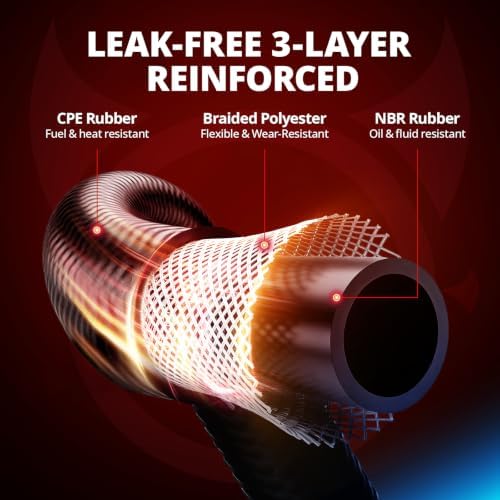
- Wrap the hose with tape where you will cut, then cut square with a fine-tooth blade or an AN cutter so the braid does not fray into the fitting.
- Respect the 2.6 in. minimum bend radius; a tighter bend kinks the hose and restricts lube flow.
- The hose is rated from -4 to 212 F. GM's hot check range for this transmission is 180-200 F, so that is fine for normal driving, but keep the hose well clear of the exhaust manifolds and catalytic converter and clamp it every foot or two.
- Flush the cooler or radiator tank if there was any clutch material in the pan. A plugged cooler sends debris straight into the lube circuit.
- Top up with Dexron VI, run the engine to temperature, check the level hot and inspect every fitting for seeps.
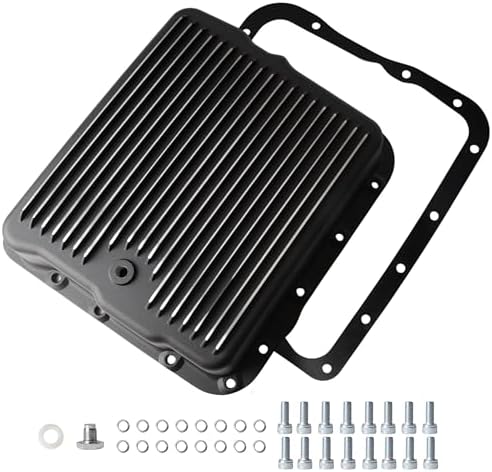
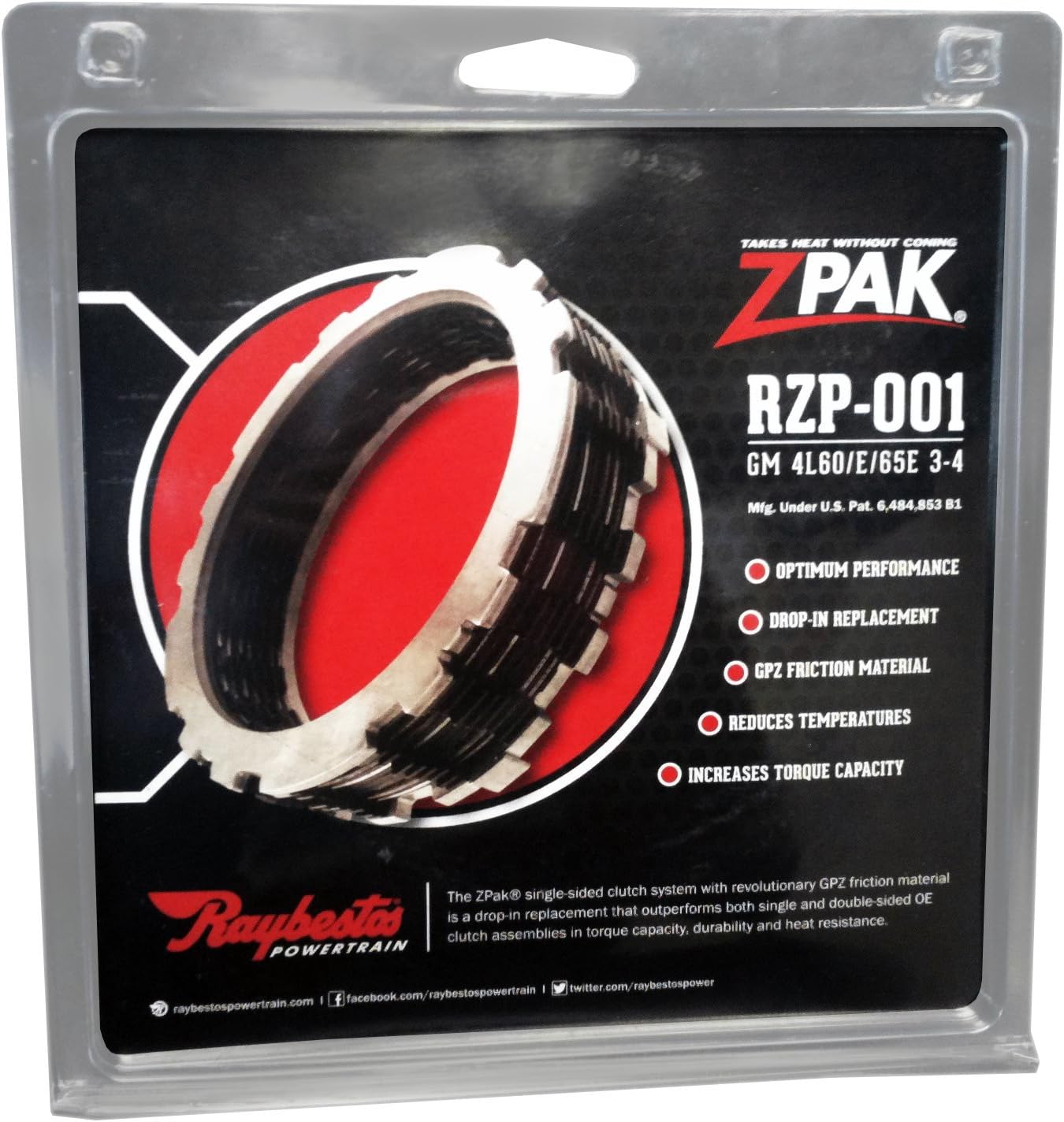
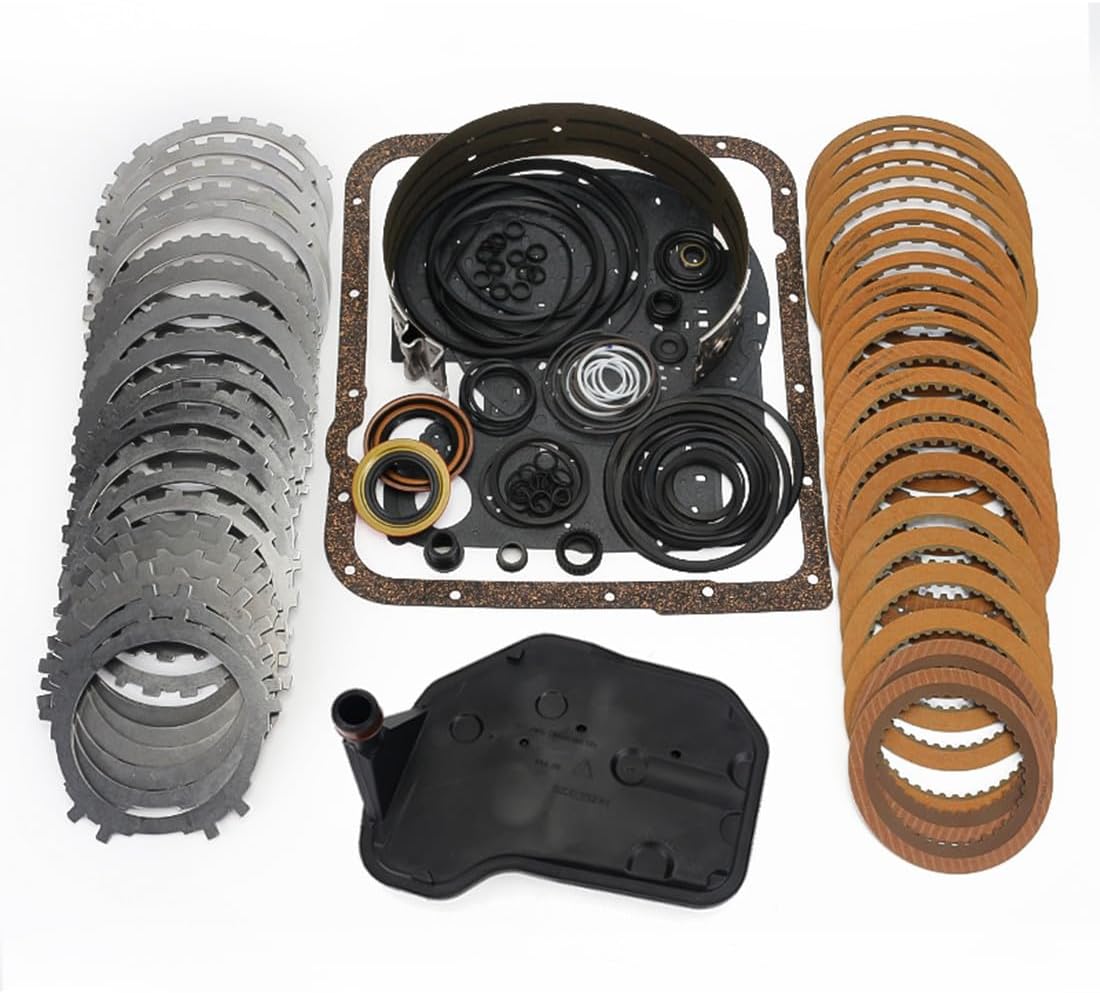
If the leak ran the truck low long enough to burn clutches, pair this kit with a heavy duty 4L60E rebuild kit with the 3-4 PowerPack so the new lines feed a transmission that will last. Owners of the F-body cars can also see our 4L60E Camaro problems guide for the heat and clutch issues specific to that platform.