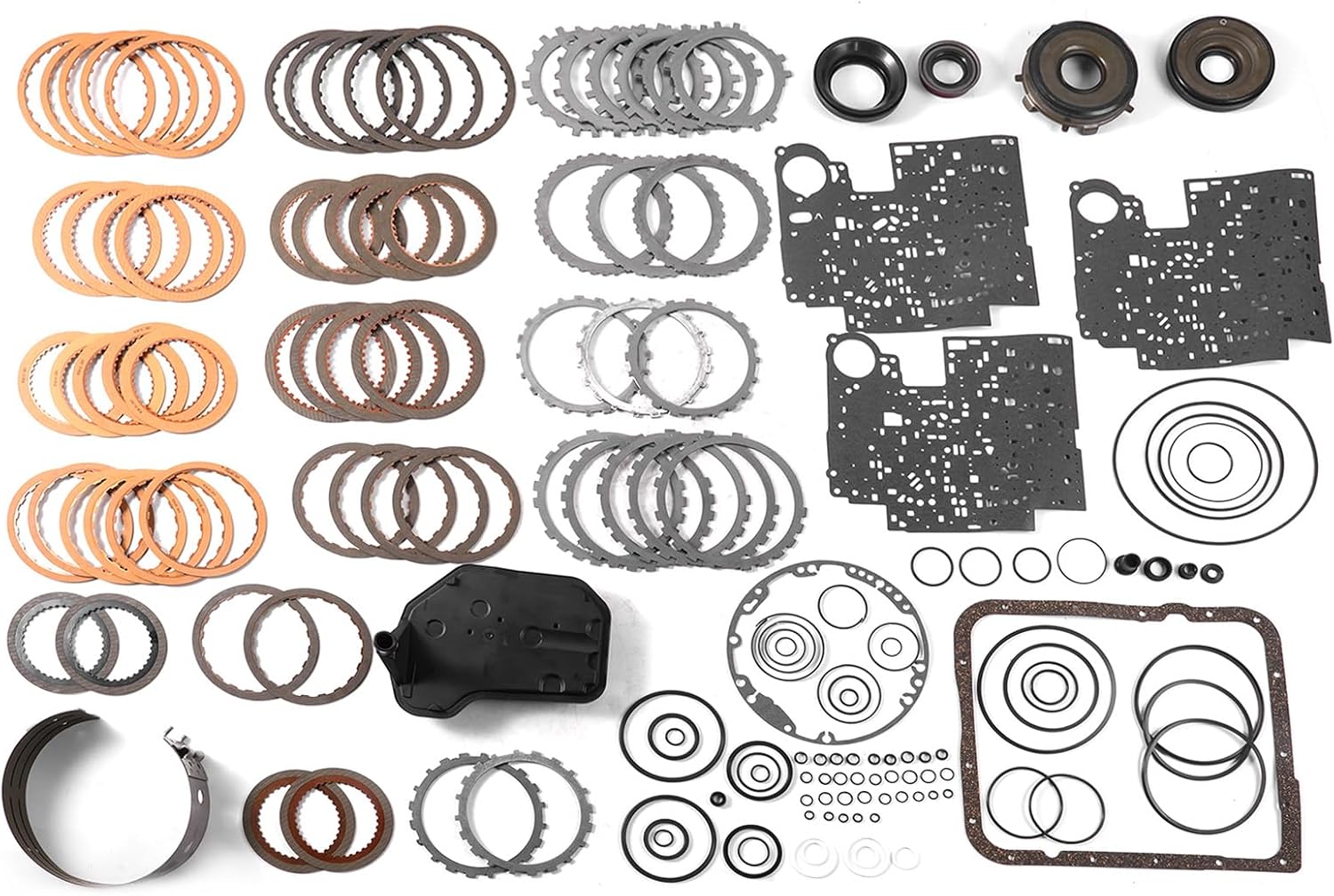
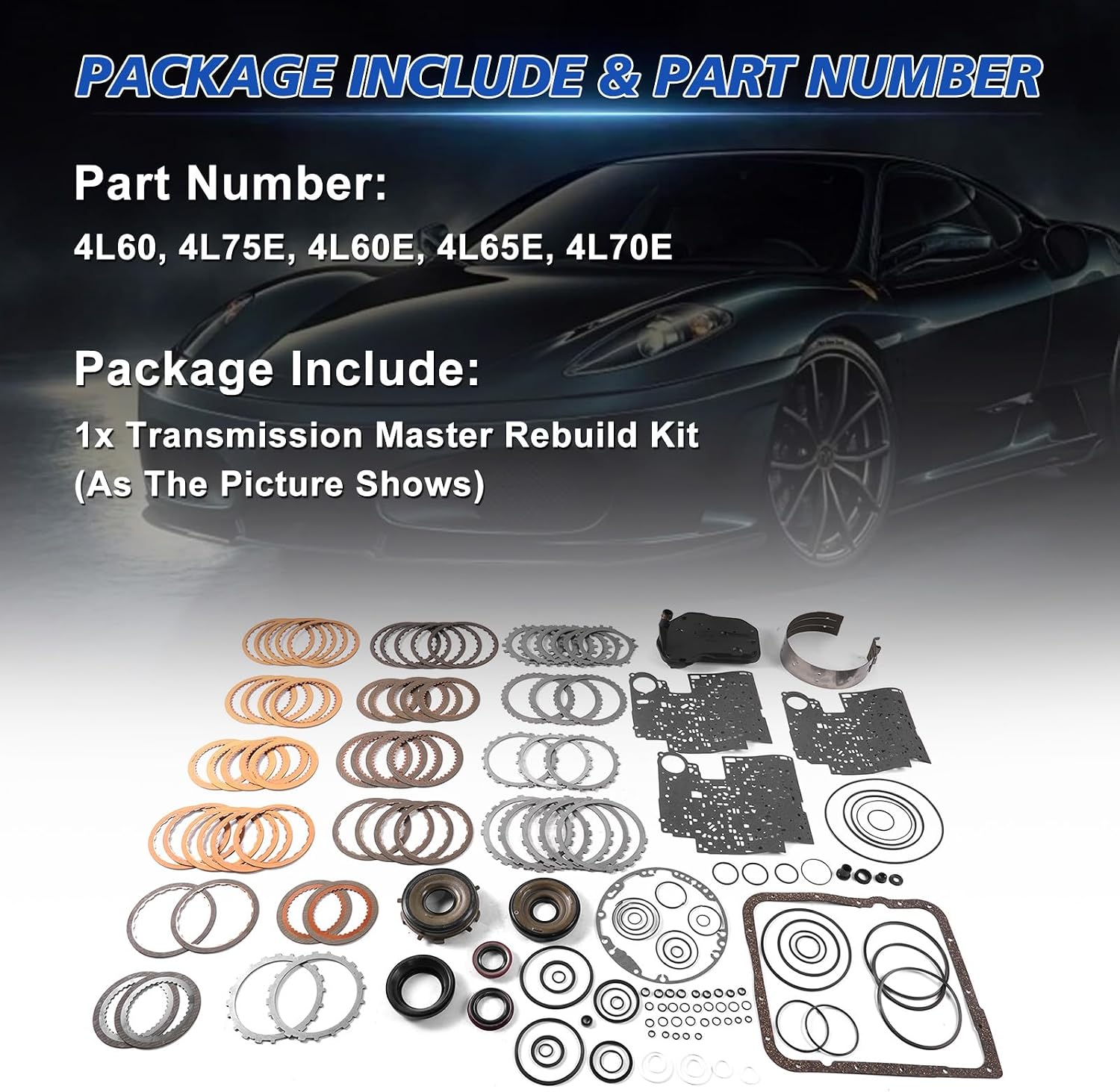
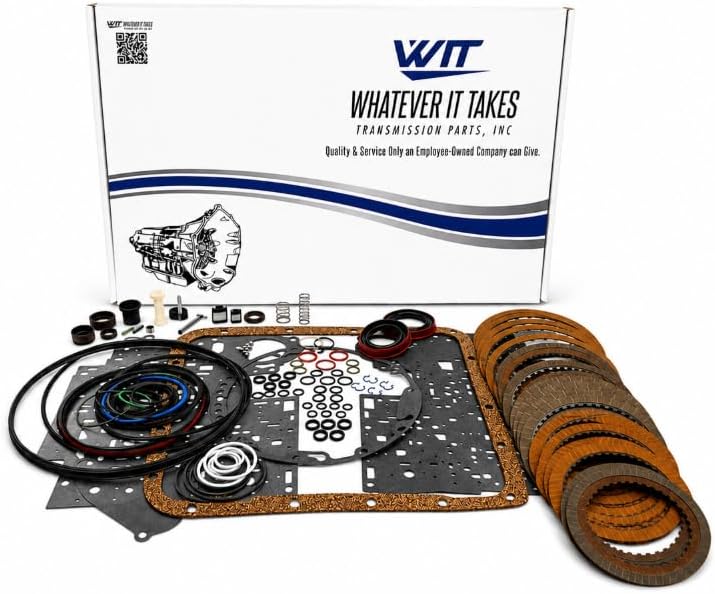
A 2004-or-later Silverado 1500 or Express van that has no 3rd and 4th, slips pulling away in drive, or shows burnt fluid with lining in the pan needs more than a filter service. This master rebuild kit gives you the frictions, steel plates, gasket set, seals and O-rings to bring a torn-down late-model 4L60E back to a fully sealed, fully re-clutched unit. At about 12.3 lb shipped, it is a kit with the steels actually in the box, not a light overhaul set that leaves you reusing old plates.
What the kit does in a late-model 4L60E
Every gear in the 4L60E comes from holding or driving a part of its two planetary gear sets with a clutch or the 2-4 band. The forward clutch drives the input for every forward gear, so a worn forward pack shows up as a slip or delay as soon as you shift into drive. The 3-4 clutch adds the second input for 3rd and 4th, and it is the pack that burns most often. The low/reverse clutch holds for manual low and reverse, and the overrun clutch gives engine braking in the lower ranges. This kit replaces the friction and steel plates in those packs and renews the seals and O-rings that let each piston build pressure, so the clutches clamp hard and stay cool.
Steel plates are worth replacing even when they look fine. A steel that has been overheated can be blued, warped or hardened in spots, and a new friction plate run against it glazes quickly. Having fresh steels in the kit removes that guesswork.
Symptoms this kit is for
- No 3rd or 4th gear, from a burnt 3-4 pack or stripped sun shell splines
- Slipping or a long delay when shifting into drive, a sign of forward clutch wear
- Shifts that flare between gears under load
- Burnt fluid and friction material in the pan and filter
- Fluid leaks from several seals at once on a high-mileage unit
- Torque converter clutch slip codes such as P0741 that return after a valve body repair
How to confirm before ordering
Not every no 3rd and 4th complaint is a clutch failure. If the truck shifts into 2nd and then acts like it hits neutral at the 2-3 shift, the reaction sun shell splines may have stripped, which is a hard part that this kit does not replace. Look at the pan for chunks of metal versus friction lining, and read our 4L60E common problems guide to separate the failure modes. If the forward clutch is the suspect, our overrun clutch guide explains how the forward, sprag and overrun parts work together and how to tell which is slipping.
Fitment
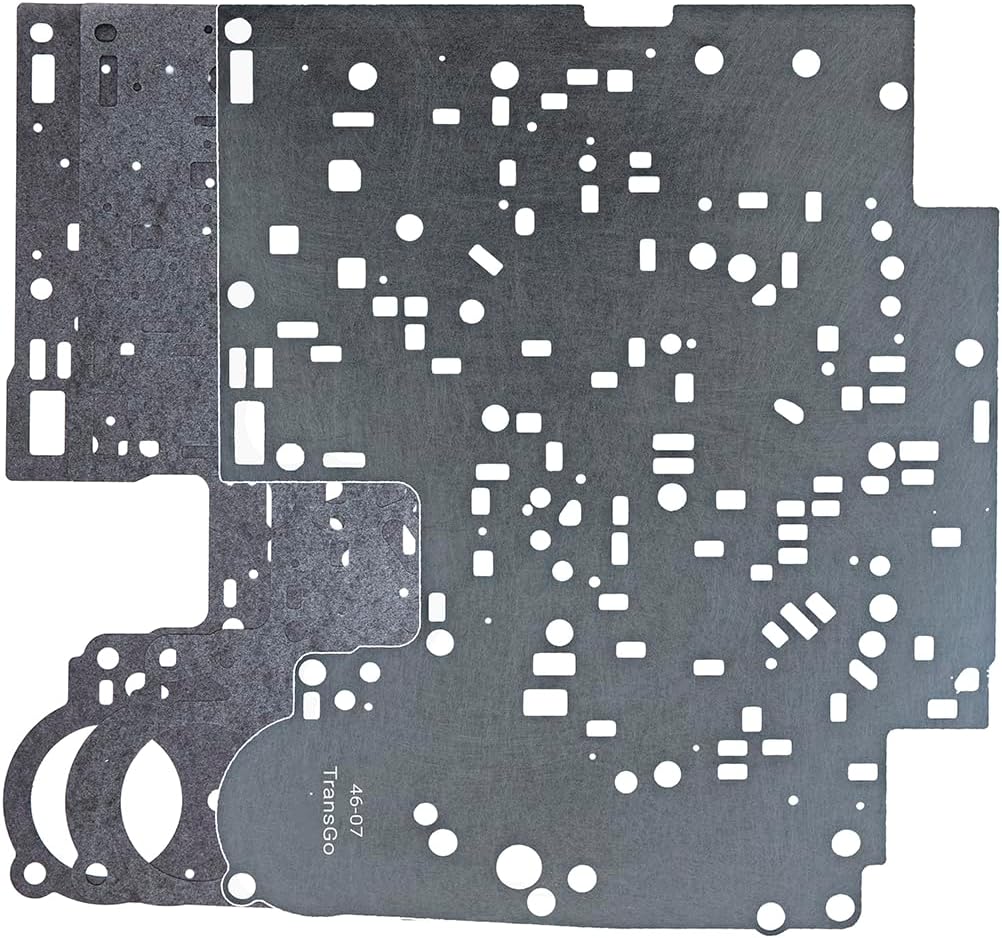
This kit is listed for the 2004-and-up GM 4L60E and also for the 4L65E, 4L70E and 4L75E. Listed coverage includes the 2004-up Silverado 1500 and Express along with GMC, Cadillac and Hummer models that use the late-style 4L60E family. The 2004-up valve body gaskets differ from those used on 1993-2003 units, so this is not a kit for the early transmission. Read the ID tag on the case or send us the year and VIN if your vehicle was built near the 2004 changeover. For an earlier truck, or for other kit options, look at our 4L60E parts collection, including the 2004-up master kit without steels if your steels measure good.
Install notes
- Soak the frictions in ATF before assembly and lube every seal and O-ring as it goes in.
- Measure clutch clearance as each drum is built rather than after the unit is stacked.
- Air check every circuit before the valve body goes back on.
- Inspect the sun shell, reaction shell, drums and bushings while the case is apart; hard parts are not in this kit.
- Fill with Dexron VI and set the final level hot after a road test.
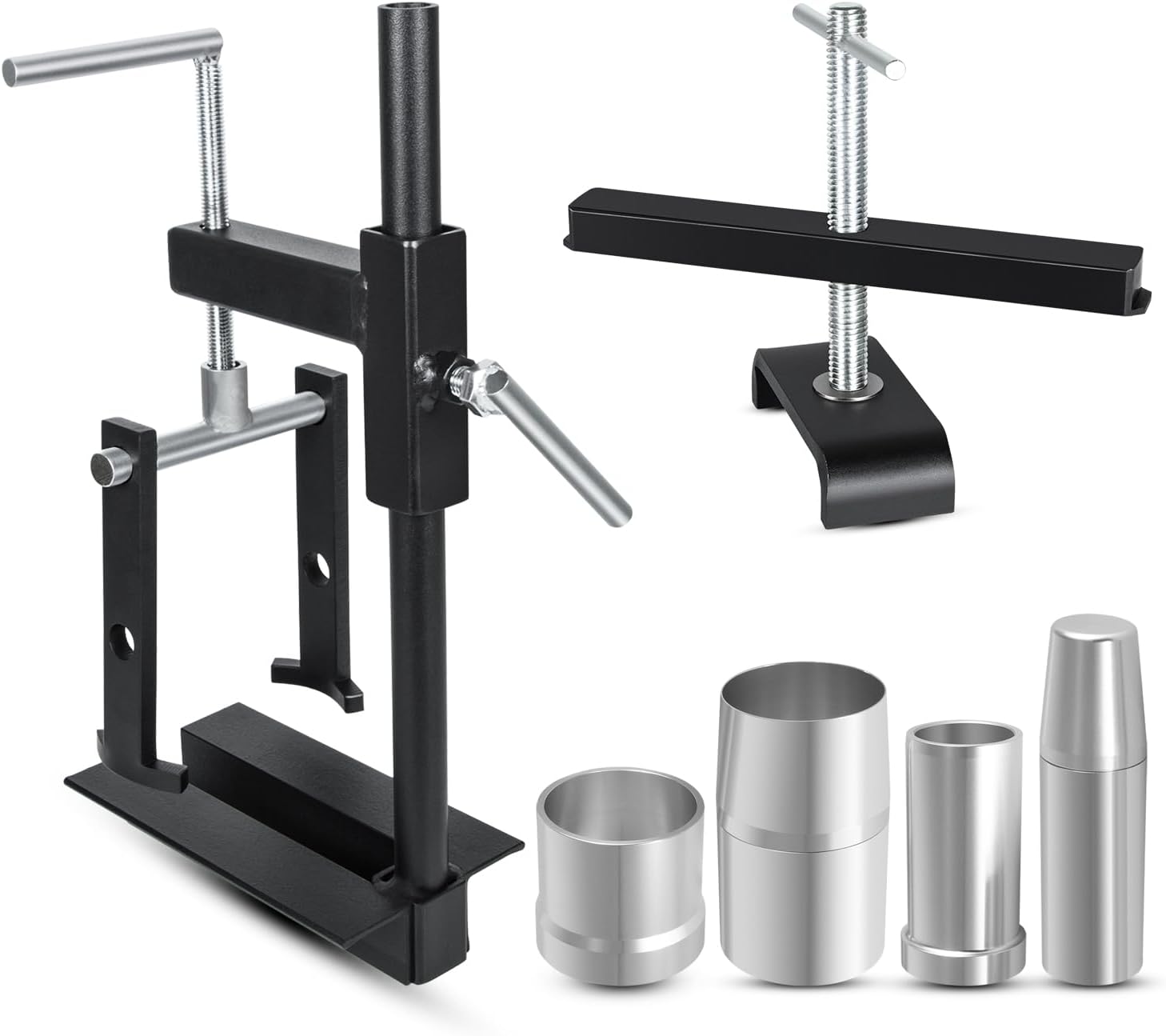
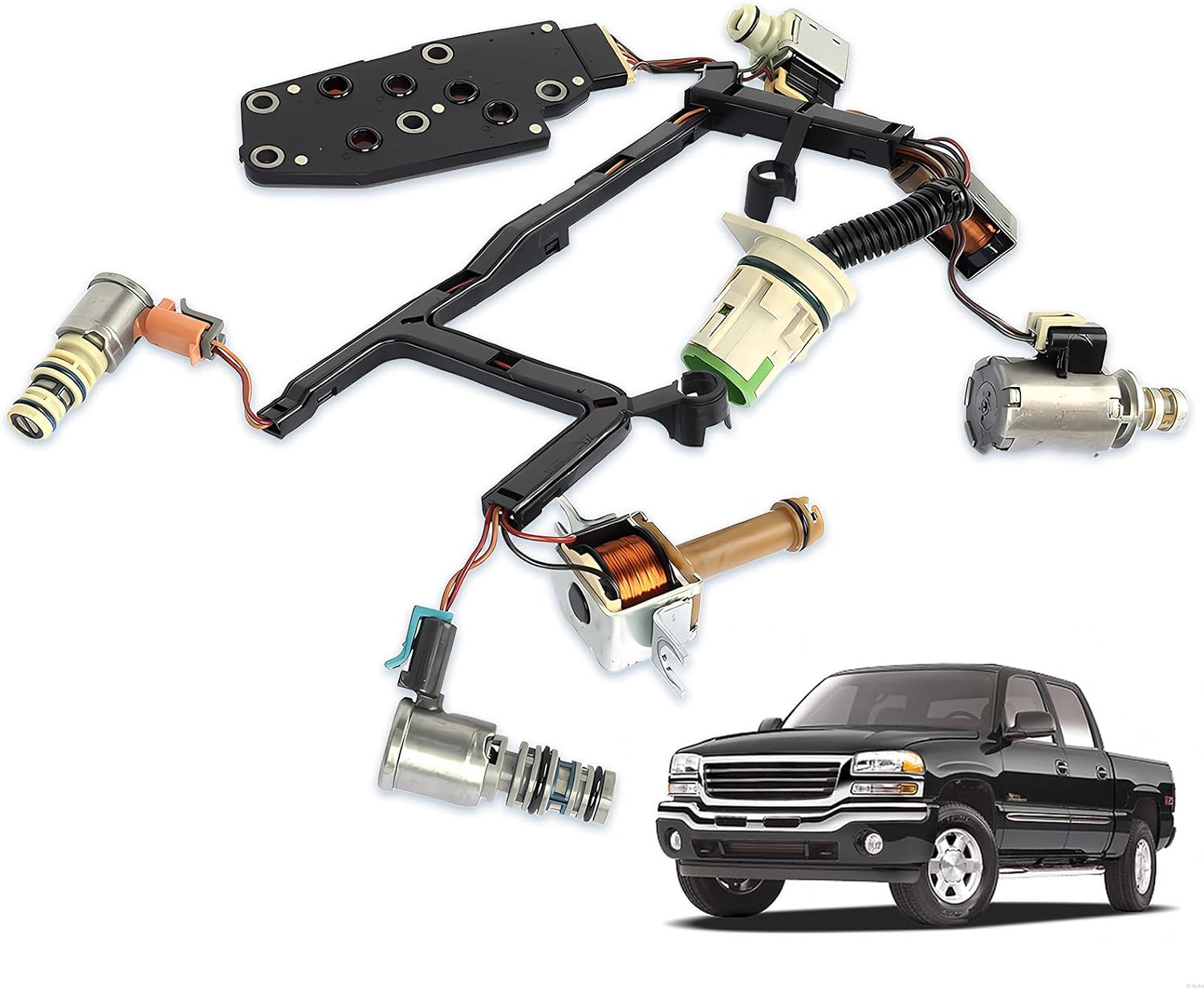
A reverse input drum seal is easy to cut on install. The reverse input clutch lip seal protector guides the lip over the shaft so it seats without a nick. If the shift complaint involved erratic shifts or solenoid codes, replace the solenoids while the pan is off with the 2003-2007 solenoid kit with harness. Plan your bench setup with the bench tools you actually need.