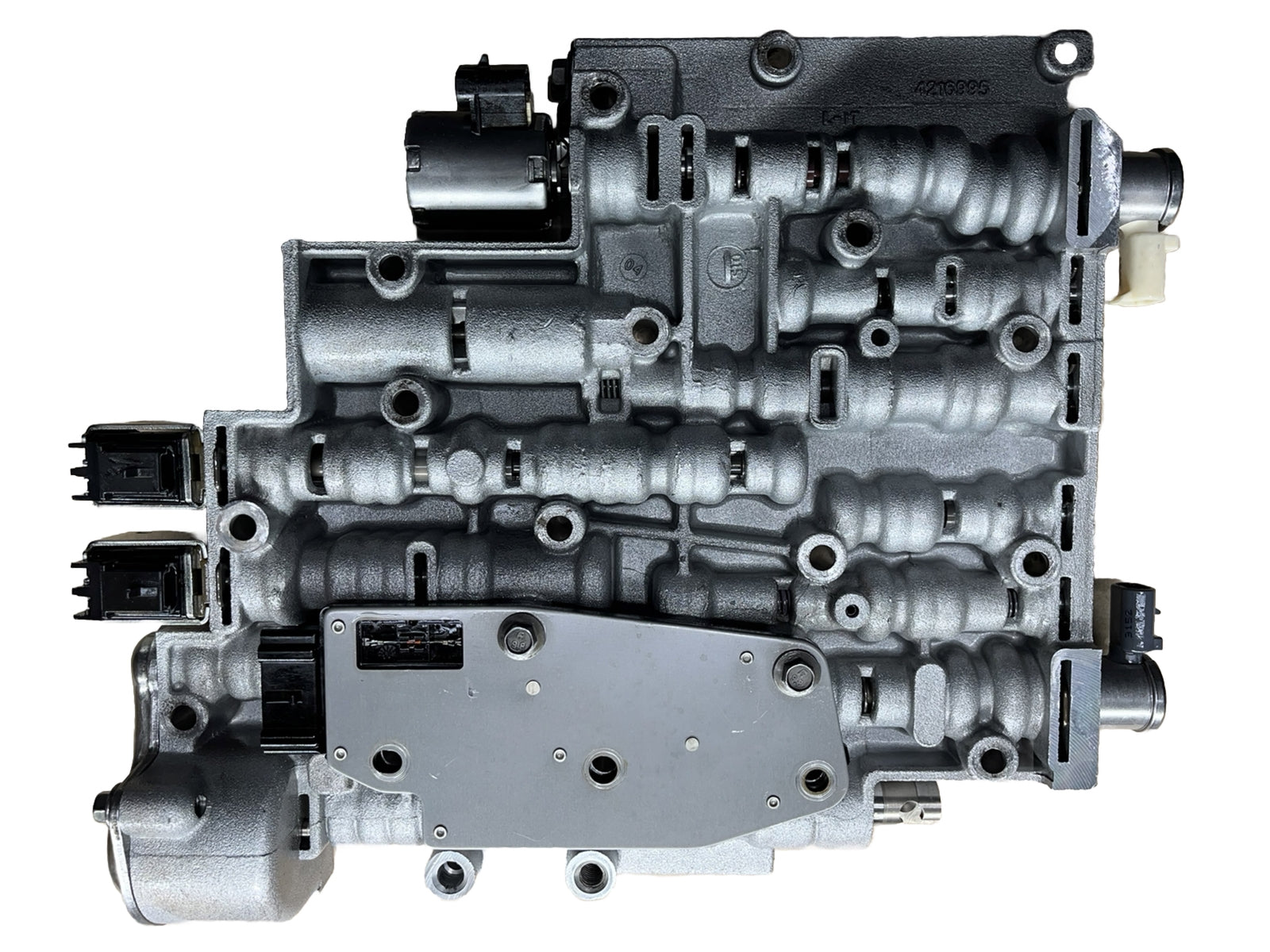
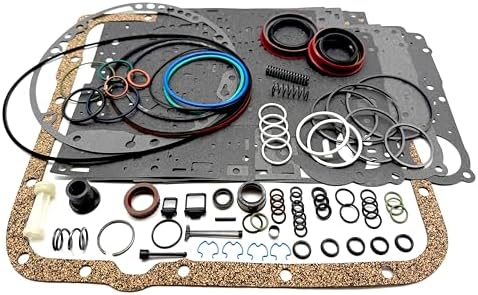
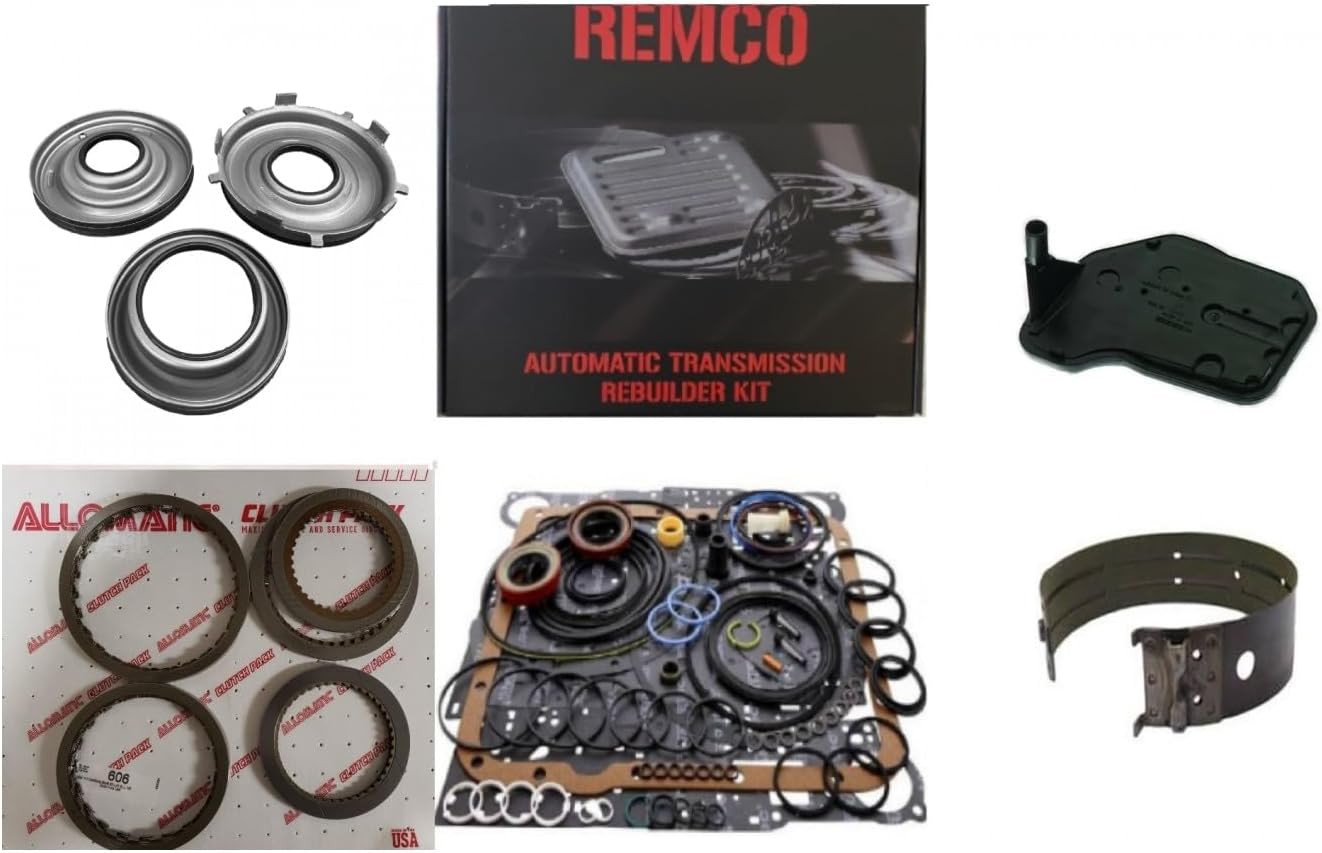
A 2003-2008 Silverado, Sierra, Tahoe, Suburban, Camaro, or Corvette with a flared 1-2 or 2-3 shift, a torque converter clutch that shudders around 45 mph, or a stored P0741 or P0748 code is usually suffering from a worn valve body, not a bad clutch pack. This is a remanufactured 4L60E valve body for 2003-2008 applications, rebuilt with updated valves to restore the bores the factory unit has worn open, then bench-verified before it ships.
What this part does inside a 4L60E
The 4L60E is GM's four-speed rear-wheel-drive electronic automatic behind half-ton trucks, full-size SUVs, and GM cars from 1993 into the 2010s. The valve body is the unit's hydraulic brain: it meters main line pressure through the pressure regulator and boost circuits, carries the actuator feed limit valve that feeds the shift solenoids, and routes pressurized fluid through the 1-2 and 2-3 shift valves to apply each clutch and band on command from the solenoid pack. It also holds the TCC apply circuit that locks the torque converter above a set road speed.
Symptoms that point to a worn valve body
- Flared or harsh 1-2 or 2-3 shifts, or a shift that changes feel as the fluid warms up
- Torque converter clutch shudder or slip, or a stored P0741 code
- Code P0748, harsh EPC solenoid behavior, or soft shifts under load
- 3-4 clutch pack or 2-4 band failure that comes back soon after a rebuild, because low line pressure was never corrected
- Sun shell splines stripping and no 3rd or 4th gear on a high-mile 4L60E
Bore wear in the pressure regulator and actuator feed limit valves is the common thread behind most of those symptoms; our pressure regulator and boost valve wear guide walks through why the bores open up and why a shift kit alone will not close them back down.
How to confirm it before you order
Pull codes first, and check the fluid: burnt, dark fluid points at the clutches rather than the valve body. If you have line pressure test access, pressure that sits low at idle and will not climb cleanly under throttle is the clearest sign the bores are worn. The valve body bench walkthrough on our blog shows which bores fail first and how a rebuilder tests for it.
Fitment for 2003-2008 trucks and cars
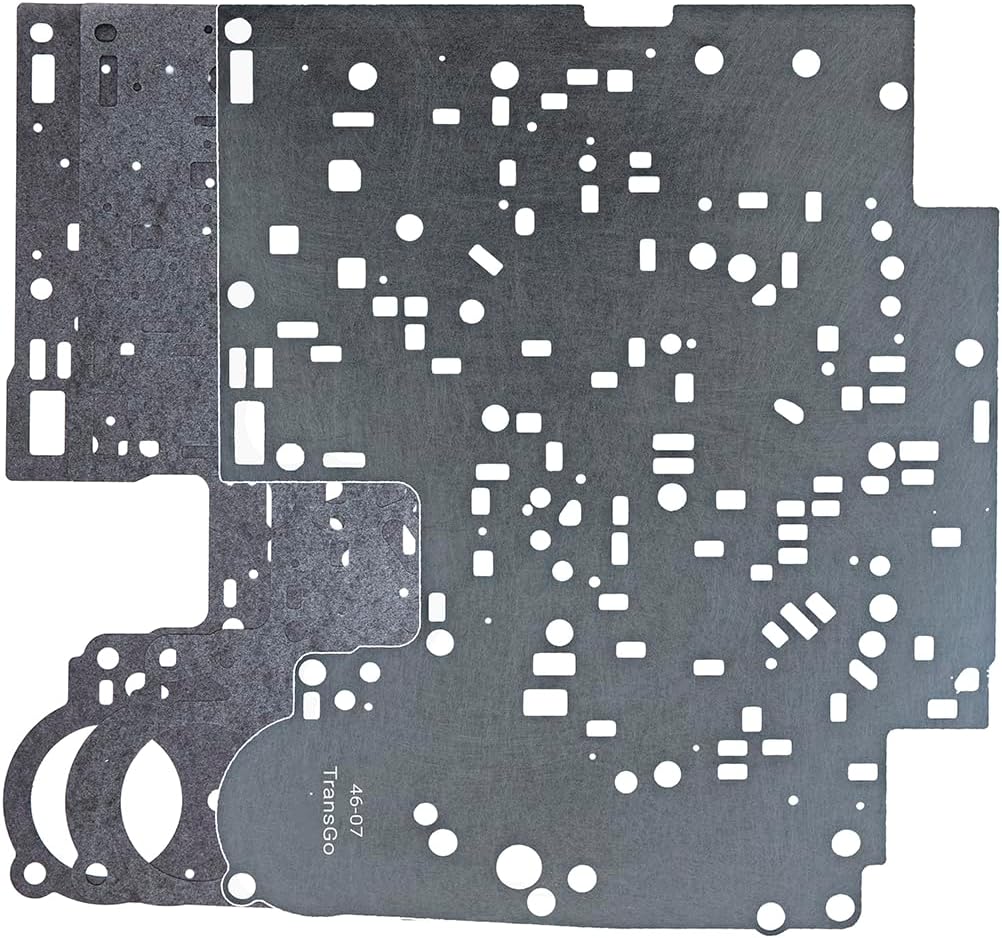
This unit is built for 4L60E transmissions from 2003 through 2008. The casting, separator plate, and solenoid pack were revised more than once during that run, so compare your old unit's connector count and casting number against this one before you order, or send us your year, make, and VIN and we will confirm the right valve body. The complete lineup of 4L60E valve bodies we carry by year is on the 4L60E parts page.
Install notes
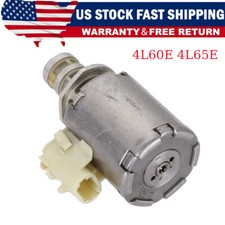
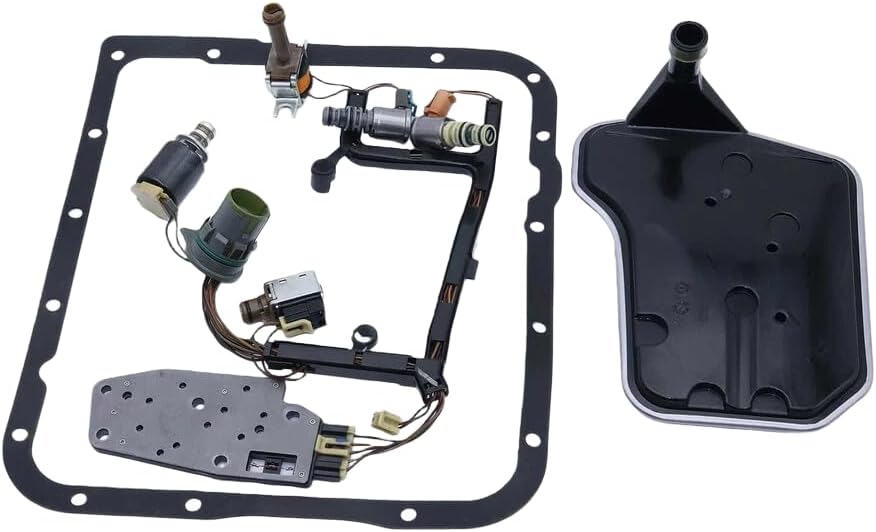
Drop the pan, unclip the internal harness, and remove the valve body bolts in the sequence GM specifies so the casting does not warp against the separator plate. Lower the unit straight down and keep a hand on the check balls so none of them fall out of their pockets. Install a fresh filter and pan gasket at the same time so debris from the old valve body does not circulate into the new one, and refill with Dexron VI. This is an electronically controlled unit, so let the computer relearn its shift adapts over the first several drives, or clear adapts with a scan tool to speed it up. If the EPC or shift solenoids are original to the truck, a master solenoid kit is worth installing alongside this valve body, and a worn 2-4 intermediate band is a common casualty of the low pressure this part corrects.