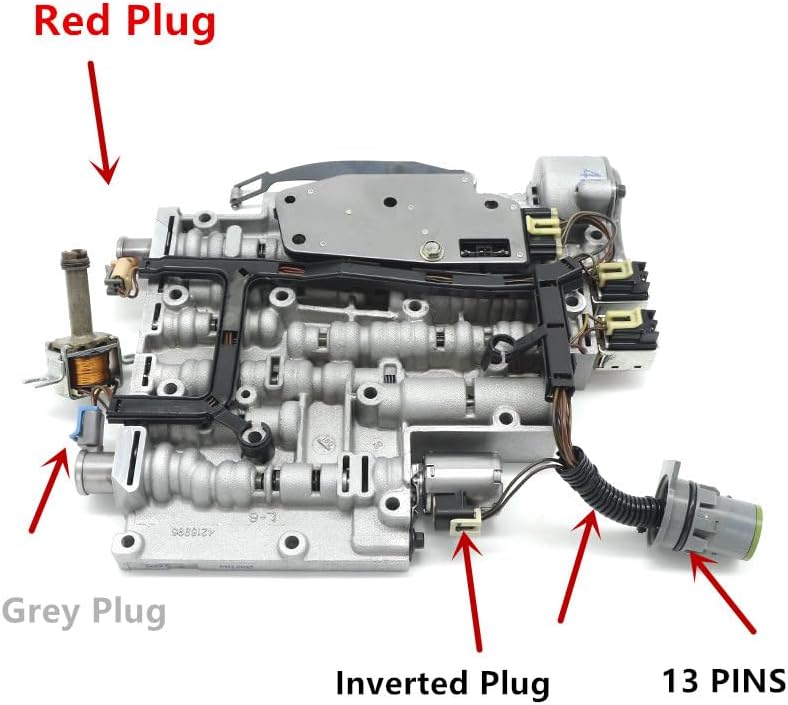
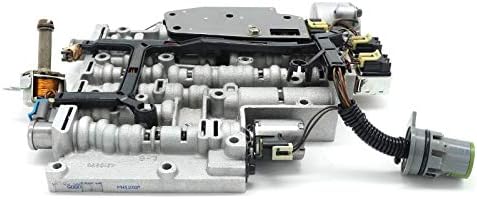
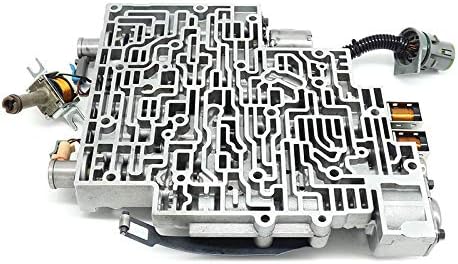
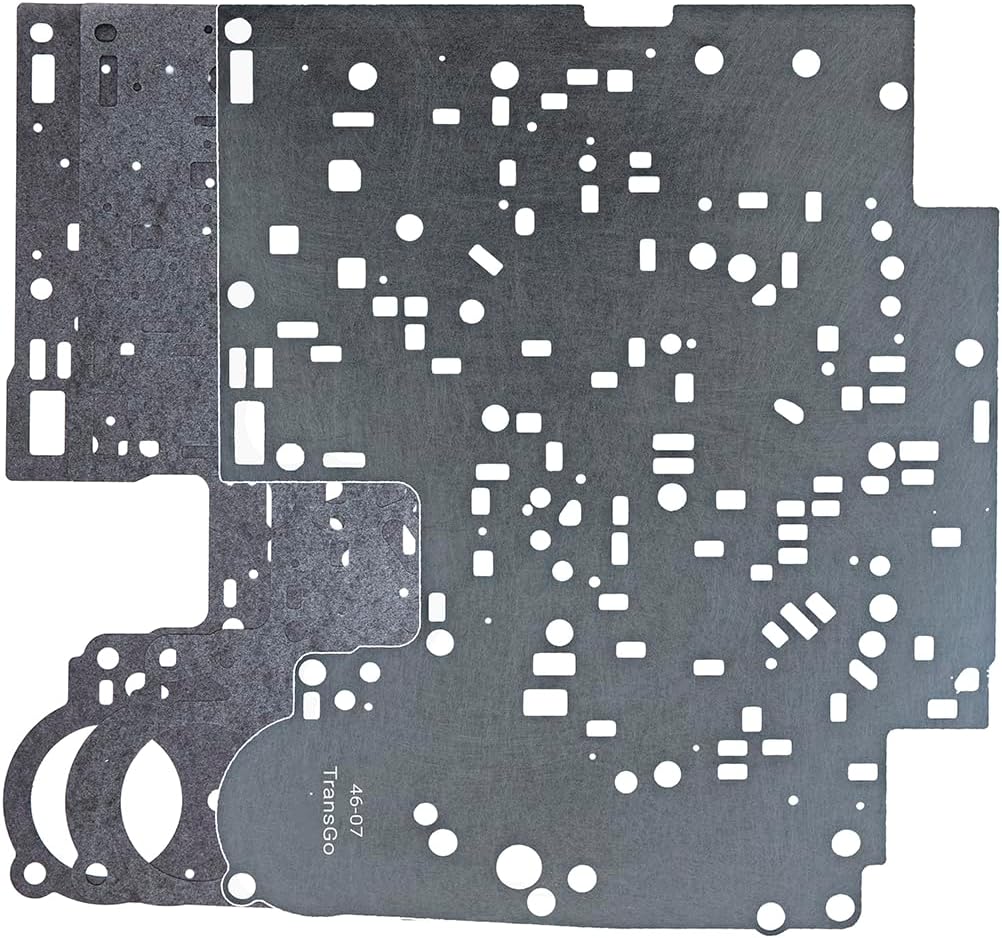
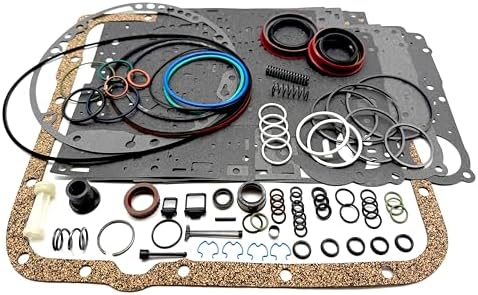
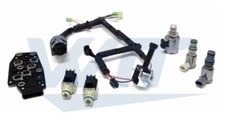
A 1996-2006 Chevrolet or GMC truck, van, or SUV running a 4L60E or 4L65E that runs hot, loses converter lockup, or sets a P1870 code is almost always dealing with worn valve body bores rather than a bad torque converter. This valve body assembly arrives complete: shift solenoids, EPC solenoid, TCC solenoid, pressure switch manifold, and internal wiring harness are already mounted and terminate in the 13-pin round case connector, so the unit plugs in and bolts up instead of being transferred piece by piece off the old casting.
Why the whole assembly, not just the valve body
On the 4L60E and 4L65E, the TCC regulator and isolator valve bores are the most common failure point. Once those bores wear, converter apply pressure bleeds off, the PCM logs P1870 for converter clutch slip, and the unit runs hotter than normal. The same worn casting also produces soft or flared 1-2 and 2-3 shifts and low line pressure that will cook a freshly installed clutch pack. A valve body rebuild that reuses the same casting and solenoids often brings the complaint right back, because the solenoid pack, harness, and pressure switch manifold are wearing alongside the valves. Replacing the complete, pre-assembled unit removes all of that variability in one swap.
Symptoms this assembly is built to fix
- Stored code P1870, or a torque converter clutch that will not hold lockup
- A transmission that runs hotter than normal with no external cooling problem
- Soft or flared 1-2 and 2-3 shifts
- Repeat clutch or band failure after a rebuild, traced back to low line pressure
Our valve body bench walkthrough covers how the TCC regulator and isolator circuits wear and why a bore reamer kit, not a spring kit, is what a rebuilder uses to correct them.
Confirm before you buy
Pull codes for P1870 or a TCC-related fault, and note whether the transmission runs hot without a coolant or external cooler problem. If the shift feel has also gone soft or inconsistent, that supports valve body wear over a standalone converter issue. The wear symptoms and bench fix guide lays out the vacuum-test numbers a shop uses to confirm it.
Fitment: 1996-2006 Chevrolet and GMC 4L60E/4L65E
This assembly fits the 4L60E and 4L65E in 1996-2006 Chevrolet and GMC trucks, vans, and SUVs. GM changed the EPC solenoid and internal harness layout for 2003, so compare the solenoid plugs (red EPC plug, grey plug, inverted TCC plug) and the case connector in the listing photos against your old unit before dropping the pan. If you are not sure which side of that change your vehicle falls on, send us your year, vehicle, and VIN and we will confirm fitment, or browse the full 4L60E lineup by year on the 4L60E parts page.
Install notes
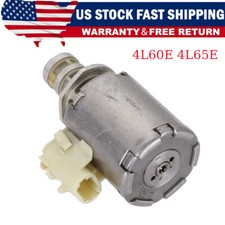
Drain the pan, pull the filter, unplug the case connector, and unclip the harness before removing the valve body bolts in sequence. Lower the assembly straight down while holding the separator plate so every check ball stays seated in the case, then confirm each one is present before setting the new unit in place. Torque the bolts down evenly, reconnect the harness, fit a new filter and pan gasket, and refill with Dexron VI. If the internal harness on your old unit shows chafing from this era's known wiring issue, a standalone internal wiring harness is worth having on hand, and a TCC solenoid is a reasonable companion part if lockup has been inconsistent. Road test and confirm the P1870 code clears before considering the job done.