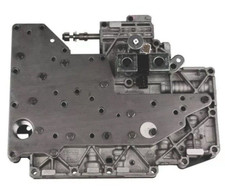
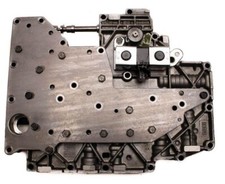
A 2000 Ford truck or SUV running the 4R75W that hesitates or slips going into reverse, shifts harshly in drive, or has burned a reverse clutch more than once is describing a well-documented failure pattern on this exact generation of valve body, not a random fluke. Ford built the 2000 model year on what shops now call the solid-harness valve body, distinct from the wired-harness unit used on 1996-1997 trucks, which matters because the two are not interchangeable without also swapping the internal wiring. This listing is remanufactured and bench-tested specifically around that 2000 casting, so you are installing a part built for your exact transmission generation rather than a later revision bolted in and hoped for.
What the valve body does in the 2000 4R75W
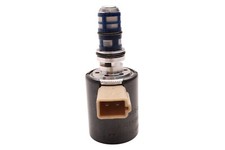
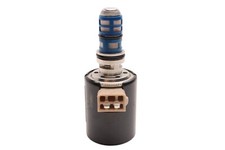
Inside the 4R75W, the valve body is a precision-machined block of bores and spool valves that directs line pressure to each clutch pack and band, and on this electronically controlled unit it also carries the pressure-control and shift solenoids the computer fires to time every shift. One circuit in particular, the boost valve that raises line pressure for reverse, is known to oscillate against its bore on this generation until the bore wears oversize, and once that happens the circuit cannot hold enough pressure to apply the reverse clutch cleanly.
Symptoms specific to this casting
- Delayed or slipping engagement into reverse, sometimes with a bang once it finally catches
- A burnt reverse clutch that keeps coming back after repair, because the cause was never the clutch itself
- Harsh, late or flared forward shifts as general wear sets in alongside the reverse issue
- Limp mode with a stored pressure-control or shift-solenoid code
Our 4R70W 3-4 clutch failure guide covers a separate forward-gear failure on this family that gets confused with valve body wear, which is worth ruling out if your symptom is only in forward gears.
How to confirm it before you order
If reverse is the main complaint, that boost-valve bore wear pattern is specific enough on this generation that a shop can usually confirm it with a vacuum test at the correct port rather than tearing the unit down blind. The 4R70W valve body problems and testing guide covers that bench procedure, and the wider Ford 4R70W and 4R75W problems guide lists the other failure points on this transmission worth ruling out before you commit to a valve body.
Fitment
This listing is built for the 2000 model year, which uses the solid-harness valve body rather than the earlier wired-harness design from 1996-1997. Confirm your harness type and connector count against your original unit before ordering, since the two styles require different internal wiring and are not a drop-in swap for each other. If your truck turns out to be a different year, our 4R70W valve body 2001 and 4R75W valve body 2005 listings cover the adjacent years, and the full 4R70W and 4R75W collection has every other part sold for this transmission.
Install notes
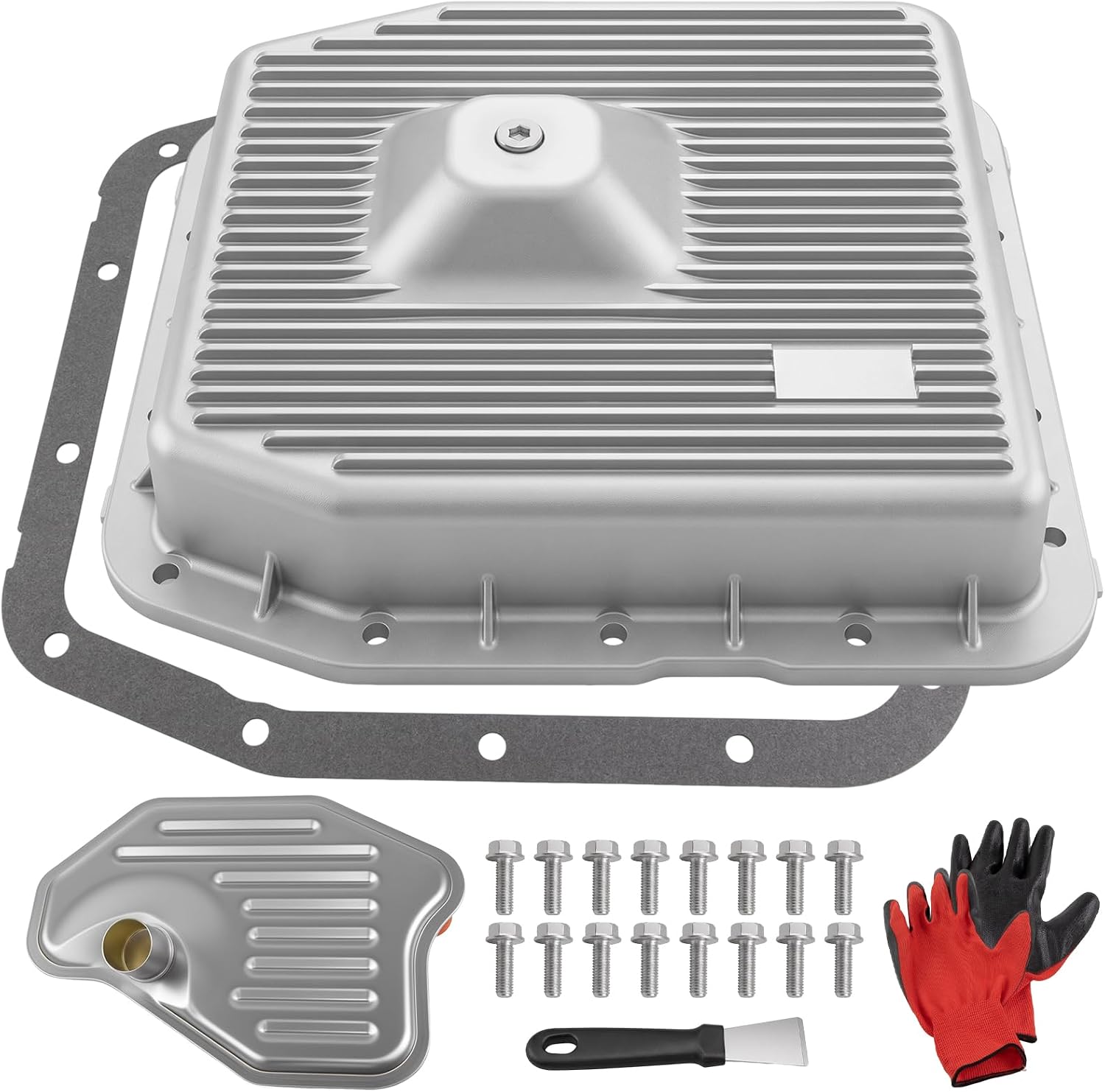
Drop the pan and replace the filter at the same time as the valve body so debris from the failing unit does not immediately recontaminate the new one. Torque the bolts in Ford's specified sequence rather than working in a circle, since uneven clamping can bind a bore that tested fine on the bench. Refill with Mercon V ATF only. After installation, clear stored codes and run a complete drive cycle in both forward and reverse so the computer relearns clutch apply timing against the new unit. If the original failure burned the reverse clutch, inspect it and the related hard parts rather than assuming the valve body alone solved the problem, and pair the swap with a fresh 4R75W internal wiring harness if your pulled unit shows any cracked or brittle wiring insulation.