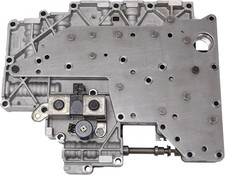
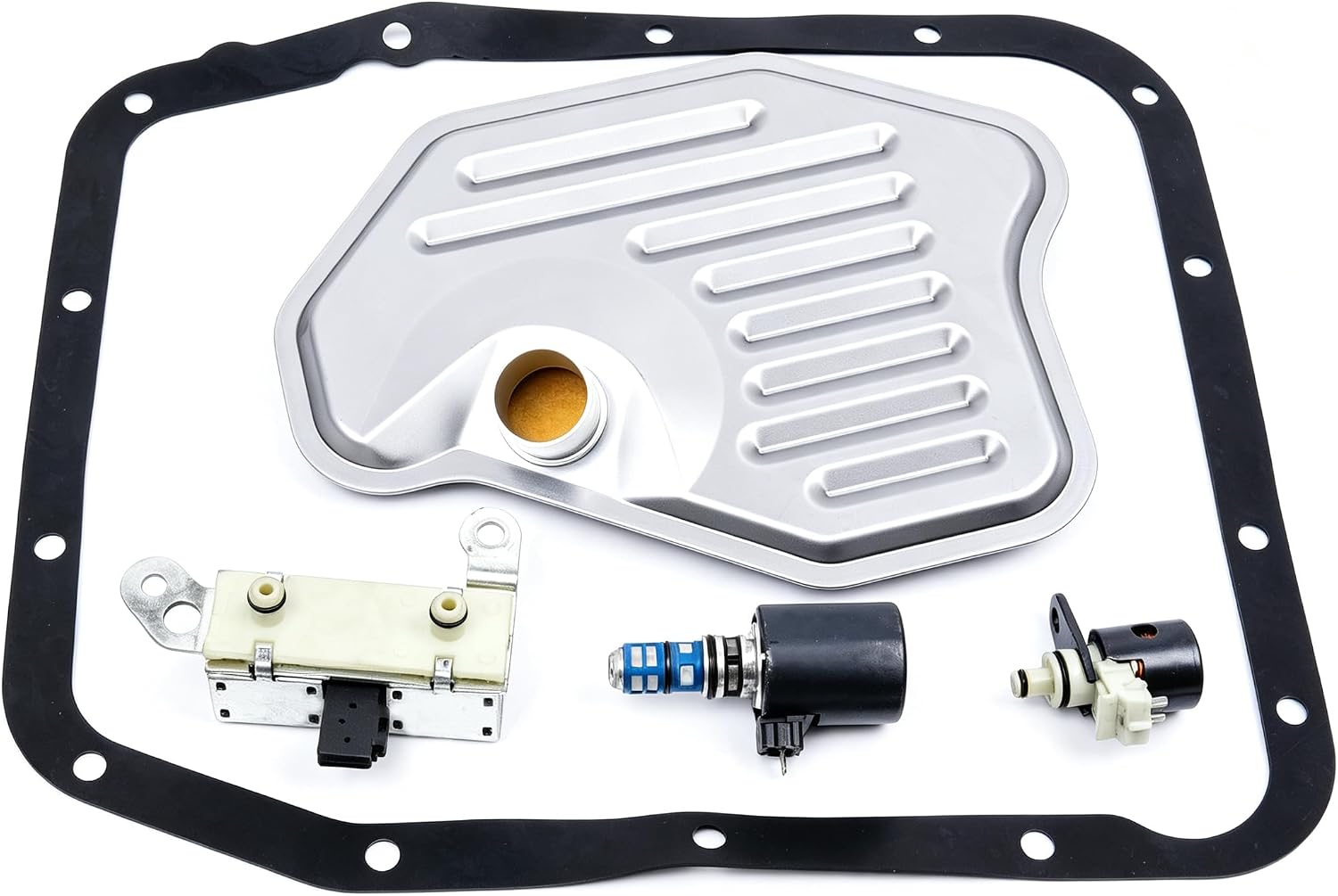
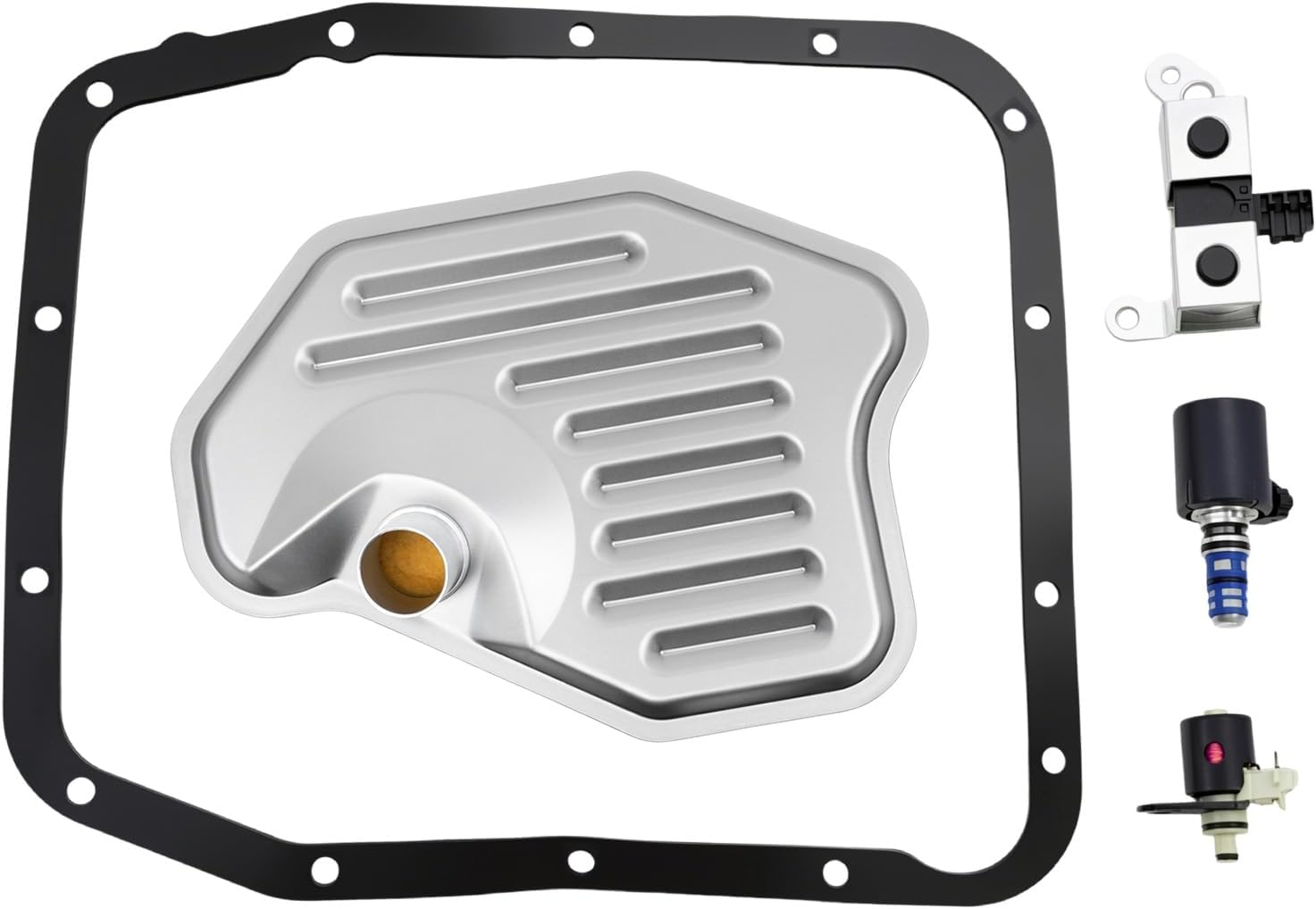
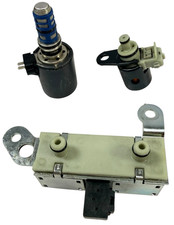
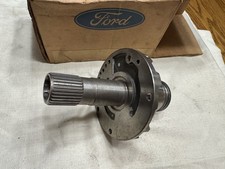
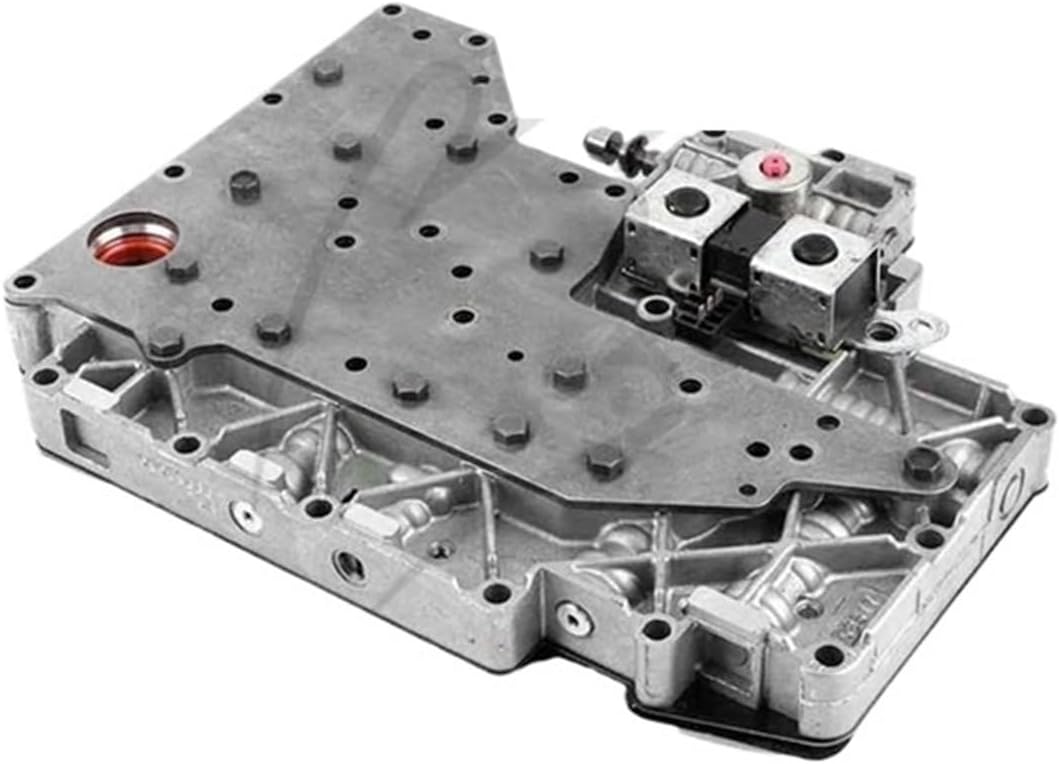
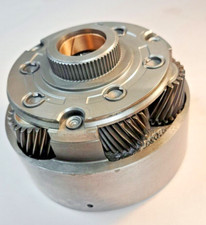
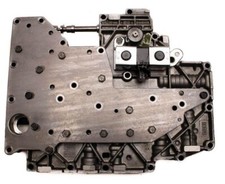
If your 2004 Ford F-150, Mustang, Crown Victoria or Grand Marquis is shifting harsh or late, slipping between gears, losing the torque converter clutch under load, or has thrown a pressure or solenoid code, the valve body is the usual point of failure on the 4R75W. This is a remanufactured, bench-ready unit built for the 2004 model year 4R75W, so you install a known-good part instead of chasing a worn pressure regulator or a dead solenoid piece by piece.
What the valve body does in the 4R75W
Ford introduced the 4R75W for 2004 as the heavier-duty running mate to the 4R70W, built on the same AODE-derived four-speed layout but with wider snap rings and extra clutch capacity for higher-torque applications. The valve body is still the hydraulic brain of the unit - it routes line pressure through precision-machined bores and spool valves to apply each clutch and band, and it carries the shift and pressure control solenoids the computer uses to time every shift and manage torque converter lockup. A worn bore or a failing EPC solenoid shows up immediately as bad shift quality because there is no mechanical fallback behind it.
Symptoms on this transmission
- Harsh, late or flared shifts
- Slipping between gears or a missing upshift
- Torque converter clutch slip or shudder, especially once the fluid is hot
- Limp mode with a stored pressure-control or shift-solenoid code
How to confirm it before you order
Pull codes first and note whether the complaint only shows up hot - a pressure regulator or boost valve bore that has worn oversize will often hold fine cold and lose EPC pressure once the fluid thins out, which reads as medium-to-full-throttle slipping on a warmed-up truck or car. Our 4R70W/4R75W valve body problems and testing guide walks through the bench vacuum test used to isolate a worn bore from a bad solenoid, and our broader 4R70W/4R75W problems writeup covers the cross-leak and servo-bore issues that show up alongside valve body wear on this family.
Fitment
This listing is built for the 4R75W as installed for the 2004 model year. Ford ran this transmission through several harness and casting updates across its production, and the 4R70W/4R75W family in particular has a well-documented split between early wired-harness and later solid-harness valve bodies, so match your connector style and casting marks against the photos before you order, or send us your year and VIN so we can confirm the exact revision. The full 4R70W/4R75W parts collection has everything else we stock for this transmission, including later-year valve bodies if your vehicle falls outside 2004.
Install notes
Drop the pan and filter at the same time as the valve body swap so debris from the old unit does not circulate into the new one, torque the valve body bolts in sequence to spec rather than corner to corner, and refill with Mercon V ATF only. Clear codes and run the adaptive relearn after the swap so the TCM re-times clutch fill against the new unit instead of the worn one. If your governor pressure or shift feel is still off after the swap, check the governor pressure solenoid next, and if you are chasing a worn pump along with the valve body, our 4R70W/4R75W pump listing covers the 2004 model year as well.