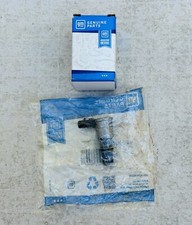
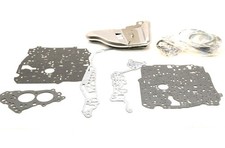
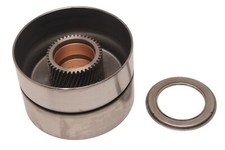
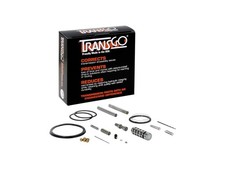
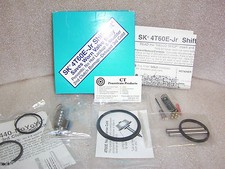
A 1997 GM front-drive car with the 3.1 or 3800 V6 that now slips once it is warm, flares on the 1-2 or 2-3 upshift, or leaves a dark, burnt smell on the dipstick is usually telling you the clutch frictions are finished. This is a new friction clutch module for the 1997 4T60E, the set of lined plates a rebuilder installs during a teardown so every clutch pack goes back together with fresh material instead of one new pack sitting next to three tired ones.
What the clutch module does in a 4T60E
The 4T60E is a chain-drive, four-speed transaxle. Engine torque comes through the converter and drive chain into the input clutch, and from there the 2nd, 3rd and 4th clutches plus two bands decide which planetary member is driven or held. Each clutch is a stack of friction plates interleaved with steels, squeezed together by a hydraulic piston when the PCM's shift solenoids route oil to it. The 2nd clutch is the hardest-working pack in the box: it applies on the 1-2 shift and stays on through the upper gears, so it sees heat on every drive. The Raybestos catalog lays out a 1995-and-later 4T60E friction module as six 2nd clutch plates, two graphitic 4th clutch plates, four input plates and ten high-energy 3rd clutch plates.
Symptoms of worn clutches in a 1997 4T60E
- Engine speed flares between first and second, or every upshift feels soft and late
- Slipping that gets worse as the fluid heats up on the highway
- No fourth gear or a slipping overdrive on a car that pulls fine in the lower gears
- Delayed engagement into Drive after the car has sat overnight
- Black or brown fluid with a scorched smell and friction material in the pan
- Ratio-related codes such as P0730 (incorrect gear ratio) once slip is bad enough for the PCM to measure
How to confirm it before you order
Check the fluid level hot first, because a low level causes the same slip and costs nothing to fix. Then pull the pan: a layer of fine, dark friction dust and a filter packed with debris means clutches are coming apart, while metal flakes point to hard-part damage that a friction kit alone will not cure. Worn valve body bores and a weak pump can also starve a clutch of apply pressure, so rule those out too; our common problems and diagnosis guide walks through pressure checks that apply to the 4T60E as well, since the two units share a basic layout. If the car only misbehaves on the 3-4 shift, read the 3-4 clutch failure guide before you commit to a full teardown.
Fitment: 1997, the changeover year
This module is listed for 1997 production. That year matters because GM was replacing the 4T60E with the stronger 4T65E, and the two units were built side by side in 1997. Cars such as the LeSabre, Century, Olds 88, Cutlass Supreme and Bonneville stayed with the 4T60E that year, while the Park Avenue and the supercharged Grand Prix GT moved to the 4T65E, and some nameplates appeared with either unit depending on engine and build date. The 4T65E uses a different, heavier-duty friction set, so do not order by vehicle model alone. Read the transmission ID tag on the case, match the clutch plate counts and tooth profile you remove, or send us your year and VIN and we will confirm before it ships. If your tag says 4T65E, the 4T65E clutch module for 1997-2002 is the right part. You can see everything we carry for this family on the 4T60E and 4T65E parts page.
Install notes
- Soak every new friction in clean ATF for at least 30 minutes before assembly so the lining is fully saturated.
- Inspect the steels. Blued, heat-checked or warped steels will chatter against new frictions and should be replaced, not reused.
- Set clutch pack clearance with a feeler gauge or dial indicator; a pack that is too loose flares, one that is too tight drags and burns.
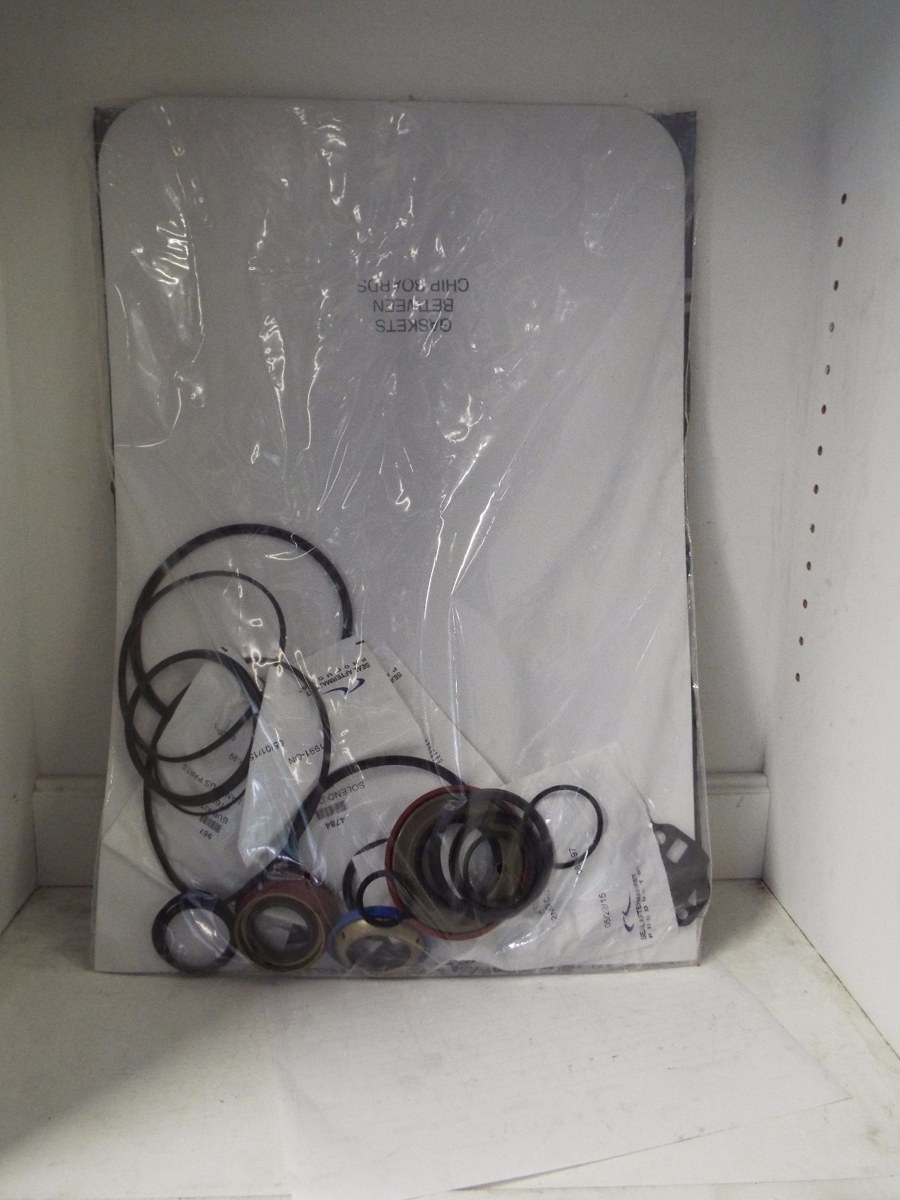
- Replace the piston seals and sealing rings at the same time. New plates on leaking pistons slip just like the old ones, which is why most builders pair this module with a 4T60E overhaul gasket and seal kit.
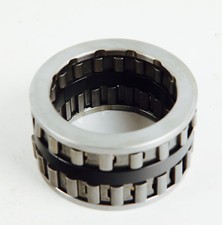
- Check the input sprag and the forward band while the unit is open, and fit a new filter and pan gasket kit on reassembly.
- Fill with Dexron VI. GM originally specified Dexron III for this unit, and Dexron VI is the backward-compatible replacement fluid for older GM applications.
After the rebuild, drive the car through every gear at light and moderate throttle so the PCM can settle its shift timing, and recheck the fluid level hot.