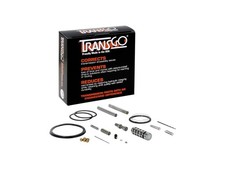
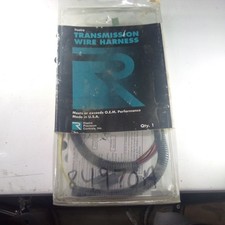
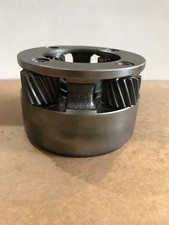
A 1991 or later GM car with the 4T60E that shudders like it is driving over rumble strips at 45 mph, drops in and out of converter lockup on the highway, or keeps cooking its 2nd clutch is the car this kit was designed for. This page is for the TransGo SK 4T60E-JR, the Jr. version of TransGo's SHIFT KIT valve body repair kit. Although the title here reads 1991, the kit is not a single-year part: TransGo lists it for every 4T60E built from 1991 onward, so it covers the early electronic cars and the later 1990s units alike. It is sold for the Buick, Cadillac, Chevrolet, Oldsmobile and Pontiac front-drive models that used this transaxle.
What the SK 4T60E-JR does in a 4T60E
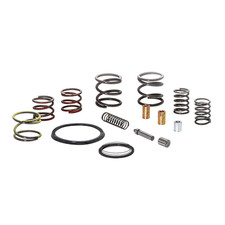
In the 4T60E the computer decides when to shift and when to lock the converter, but the valve body decides how well it happens. The PWM valve and the lockup regulator valve meter oil to the converter clutch, and accumulators cushion each clutch apply. With high mileage and heat those valves wear their bores, lockup feed leaks off, and accumulator pins and seals get sloppy. The converter clutch then slips instead of clamping, which is the shudder you feel, and a 2nd clutch that fills slowly spends too long slipping and burns. The Jr. kit replaces the parts at those wear points instead of making shifts harsh: a new PWM valve, a lockup regulator valve assembly, hardened accumulator pins with tougher seals, and a self-expanding 3rd clutch seal that helps a cold 3rd gear apply on time.
Symptoms on a 4T60E that point to this kit
- Shudder or slip on light throttle right as the converter locks
- Converter that never locks, or cycles in and out at steady speed
- Lockup coming on while the transaxle is still in 2nd
- No lockup once the car is fully warmed up, with codes set hot
- A 2nd clutch that burns up again after a rebuild
- 3rd gear that comes in late, or not at all, on a cold morning
- Codes TransGo lists for the kit: P0740, P0742, P0756 and P1870, plus older two-digit codes 39, 85 and 80/90 on pre-OBD-II cars
How to confirm the valve body is the problem
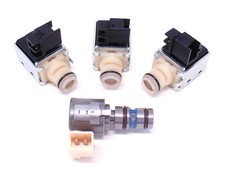
Start with fluid level, color and smell, then pull codes. A lockup or shift solenoid circuit code with an open or shorted reading means the electrical side has failed, and the fix is a solenoid such as our 4T60E solenoid kit or, if the wires are chafed, the 4T60E internal wiring harness, not this kit. When the circuits test good and the shudder only happens during lockup, worn lockup valving is the usual cause. Our TCC shudder diagnosis guide walks through separating converter shudder from engine misfire, and the 4T65E common problems guide covers the related failures of the newer unit that grew out of this design. If the pan is full of friction material, the clutches are already gone and the kit belongs inside a rebuild, not in place of one.
Fitment
TransGo's application is all 4T60E transaxles from 1991 on. It does not fit the 440-T4, the 4T40E, the 4T65E or the 4T80E, which look similar from under the car. GM used the 4T60E across several brands, and some late-1990s cars switched to the 4T65E, so confirm the unit by the ID tag on the case before ordering. If you are unsure, send us your year and VIN and we will check it. Every 4T60E and 4T65E part we carry is on the 4T65E and 4T60E collection page.
Install notes
- The kit goes into the valve body and accumulators, so the side cover and channel plate come off. Follow TransGo's printed instructions in order and lay out each valve, spring and check ball as it comes out.
- Clean the valve body before reassembly. Debris left in a bore will undo the repair.
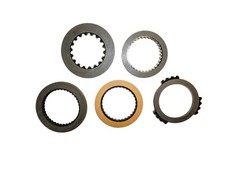
- If the 2nd clutch is already burnt, replace the clutches at the same time; our 4T60E clutch module covers the friction side.
- Refill with a DEXRON-VI fluid, which GM specifies as backward compatible with earlier DEXRON III and II applications, and check the level hot.
- Drive the car through several warm lockup cycles afterward and clear any stored codes.