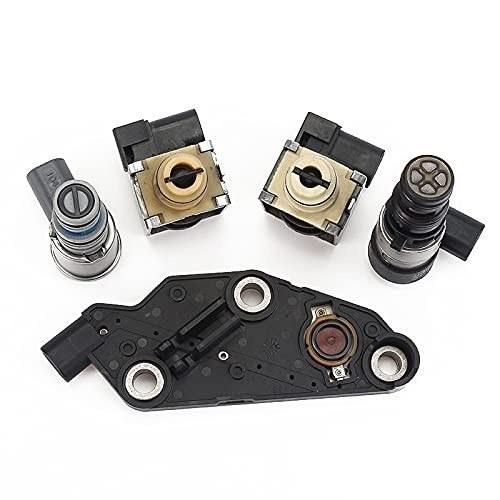
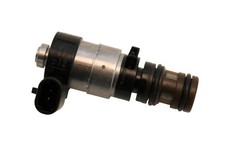
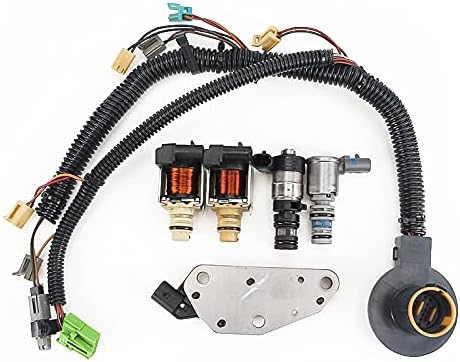
A later 4T65E that slams into second, slides through the 2-3 upshift, sets converter clutch codes on the highway, or goes into failsafe and stays in one gear is usually telling you something on the valve body has lost its grip on line pressure. This new kit covers the 2003-2011 4T65E found in the Chevrolet Impala and Monte Carlo, Buick LaCrosse and Lucerne, Pontiac Grand Prix and other GM front-drive cars of that era. The product photo shows the full electrical set for the later valve body: two coil-type shift solenoids, a pressure control solenoid, a spool-type converter clutch PWM solenoid, and the later-style pressure switch plate with its single connector.
What these solenoids do in a 2003-2011 4T65E
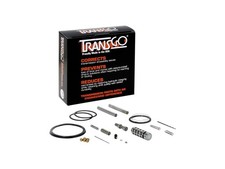
The computer chooses gears by switching the two shift solenoids on and off in a set pattern. It sets clutch apply pressure by pulsing the pressure control solenoid, and it ramps the converter clutch on with the PWM solenoid so lockup feels smooth instead of abrupt. The pressure switch plate reports which hydraulic range is selected. Every one of these parts depends on clean, steady oil from the actuator feed limit (AFL) valve, which Sonnax caps at about 115 psi; once that bore wears, solenoid oil pressure and volume drop and you get the same complaints as a failed solenoid.
Symptoms on later cars
- P1811, long shift time and maximum adapt, often with a flare on the 2-3
- P0742, P2761 or P2764 converter clutch solenoid circuit codes
- P0741 converter clutch slip, or lockup shudder at light throttle
- Hard engagement into Drive or Reverse from high line pressure
- Failsafe mode with no upshifts after the car warms up
On 2006-2007 cars, Transmission Digest traced converter clutch circuit codes to the internal harness chafing at a retaining clip, so a code alone does not prove a solenoid is bad.
Check these first
Scan for codes and look at shift adapt values and commanded line pressure. Check each solenoid's resistance at the case pass-through connector and again at the solenoid; a difference points to the harness. Look along the harness where it is clipped to the valve body for worn-through insulation. Our 4T65E shift solenoid guide walks through the electrical tests, and if engagement is the main complaint, read the 4T65E delayed engagement guide before buying.
Fitment
Listed for 2003-2011 4T65E transaxles. That is a long production run with engine and calibration changes along the way, so compare the connector shapes and the pressure switch plate in the photo to the parts on your valve body, or send us your year and VIN and we will check it. Cars built 1997-2002 use the earlier 1997-2002 solenoid kit with its multi-diaphragm switch plate. Every 4T65E part we carry is listed in the 4T65E collection.
Install notes
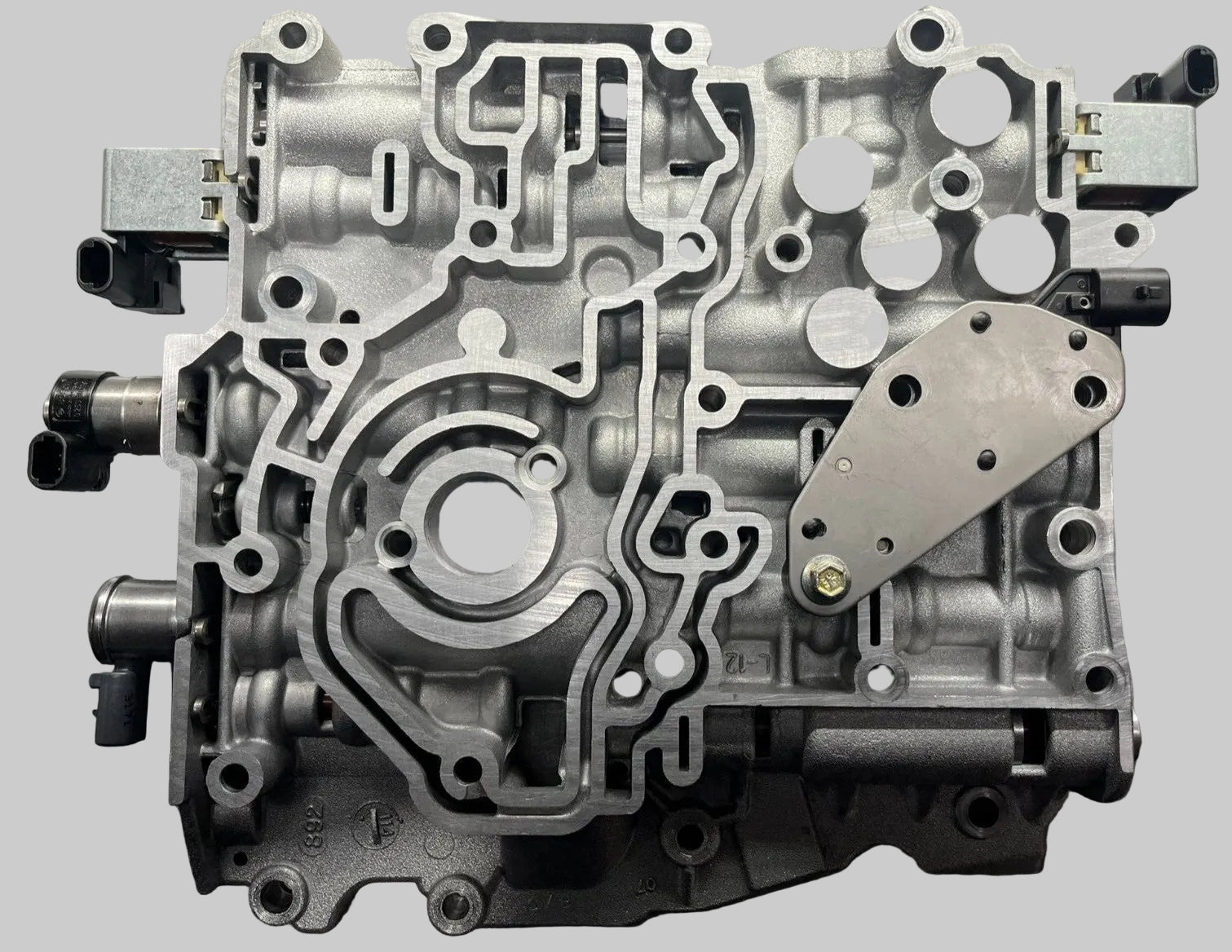
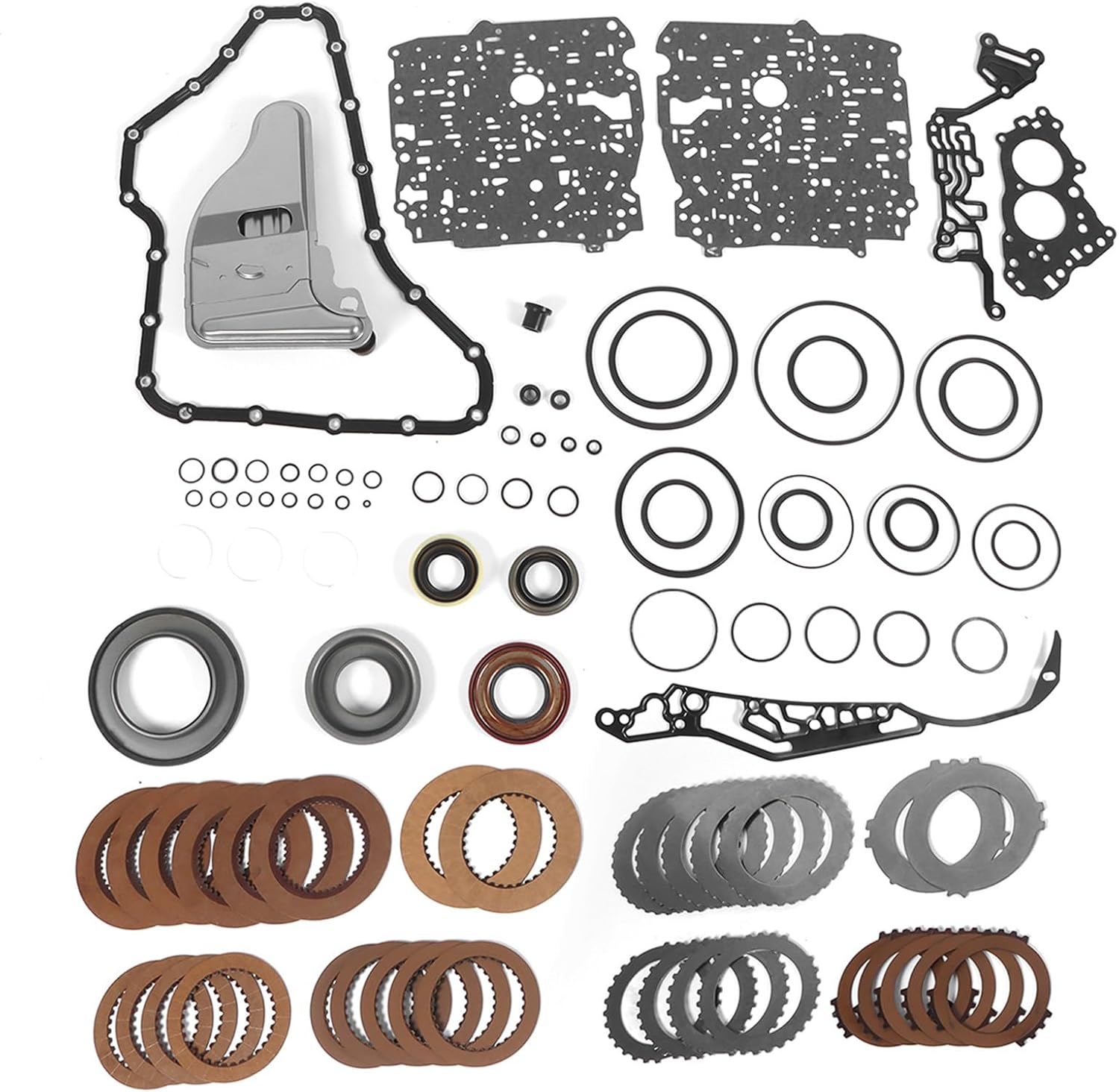
Drain the fluid and remove the side cover to reach the valve body. Note where each solenoid goes before pulling it, lubricate and fit new O-rings, and seat every connector until it clicks. Replace the harness if any clip has rubbed through the insulation. Refill with Dexron VI; GM lists about 7.4 quarts total capacity for the Impala application, and a side-cover job needs less than that, so add fluid gradually and check the level hot. Clear codes, reset the shift adapts with a scan tool if you have one, and drive through all four gears so the computer relearns. When the valve body bores are worn, pair this kit with a remanufactured 2003-up valve body; if P1811 traces back to clutch clearance, a 4T65E master rebuild kit covers the frictions and seals.