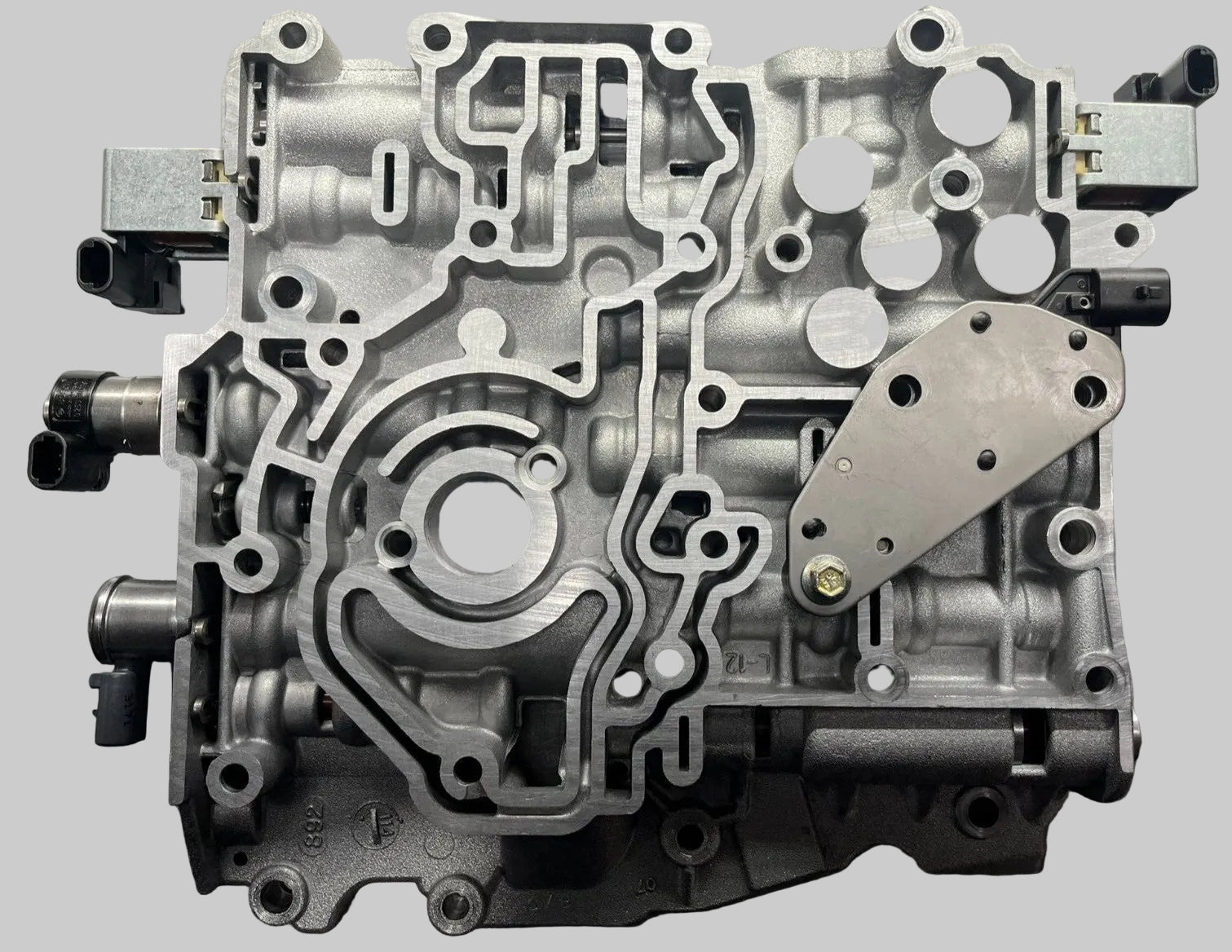
If your 2003-up Chevrolet Impala, Monte Carlo, Pontiac Grand Prix, Buick LeSabre or Lucerne is shifting harsh, slipping on the torque converter clutch, or has dropped into limp mode with a pressure or solenoid code, the valve body is the most common root cause on the 4T65E. This is a remanufactured, tested valve body built for 2003-and-later production, so you install a verified hydraulic unit instead of reusing a worn core and chasing the fault piece by piece.
What the valve body does in the 4T65E
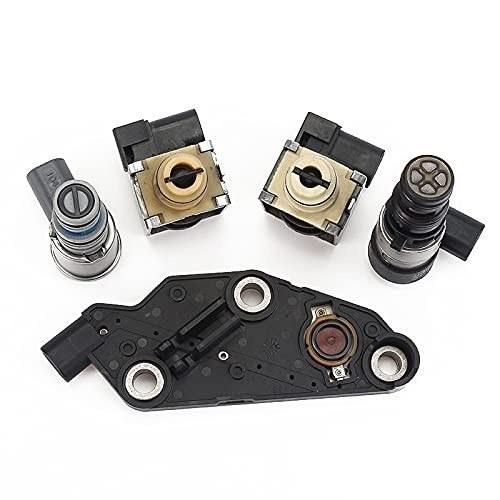
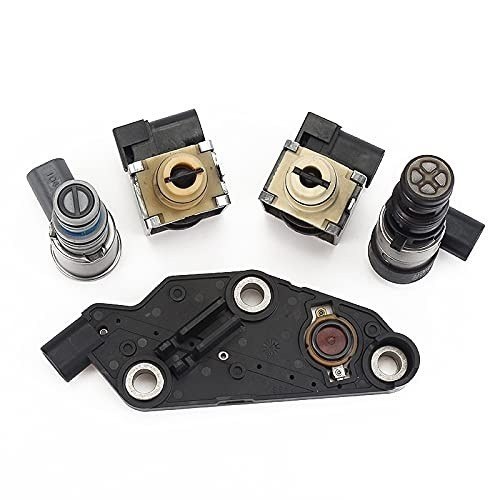
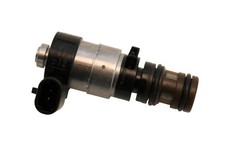
The 4T65E is a clutch-to-clutch, electronically controlled 4-speed transaxle, and the valve body is its hydraulic control center. It meters line pressure through precision bores and spool valves to apply each clutch and band, and it carries the pressure-control (EPC) and shift solenoids the TCM uses to time every shift and manage torque converter clutch apply. Sonnax's own troubleshooting guide for this unit traces a chain from the pressure regulator through the AFL valve to the EPC solenoid, and from the TCC regulator valve to converter apply - when any of those bores wear, the symptom shows up as a shift or TCC complaint rather than an obvious mechanical failure.
Symptoms on this transmission
- Harsh, soft or flared shifts
- Slipping between gears or delayed engagement
- Torque converter clutch slip, shudder or a stored P0741
- Limp mode with a pressure-control or shift-solenoid code
How to confirm it before you order
Sonnax documents TCC apply-valve bore wear as a direct cause of converter clutch slip and P0741 on this platform, and a separate relief-valve mismatch between the converter's 135 psi piston design and the OE 175-225 psi relief crack pressure can push a weak converter into failure under load. Scan for stored codes and note whether the complaint is a shift-quality issue or specifically a TCC shudder before ordering - our 4T65E common problems and diagnosis guide walks through separating a valve body fault from a converter or clutch-pack problem, and our EPC solenoid symptoms guide covers the solenoid side specifically.
Fitment
This listing covers 2003-and-later production of the 4T65E as installed in the Chevrolet Impala, Monte Carlo, Pontiac Grand Prix, Buick LeSabre, Lucerne and related GM front-wheel-drive models. The 4T65E ran for well over a decade with multiple channel-plate and solenoid revisions, so rather than rely on model year alone, match the casting marks and connector count on your original unit against the photos, or send your exact year and VIN so we can confirm this is the correct revision before you order. The full 4T65E parts collection has the rest of what we stock for this transmission.
Install notes
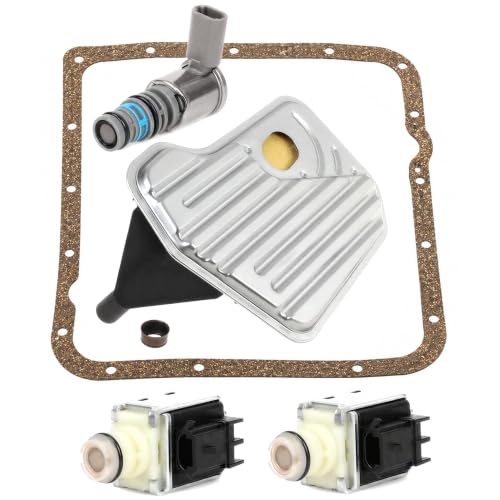
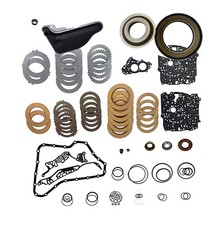
Drop the pan and change the filter at the same time as the valve body swap so debris from the old unit does not carry into the new one, torque the valve body bolts in sequence to spec, and refill with Dexron VI ATF, which meets or exceeds GM's Dexron-VI specification for this application. Clear codes and run the TCM's adaptive relearn after the swap so the computer re-times clutch and TCC apply against the new unit rather than the worn one. If your original complaint was excessive 2nd or 3rd clutch clearance rather than a shift-timing issue, pair this with a 4T65E master rebuild kit so the clutch packs and the valve body are serviced together; if it was a stored solenoid code alone, a shift solenoid and filter kit may be the cheaper fix.