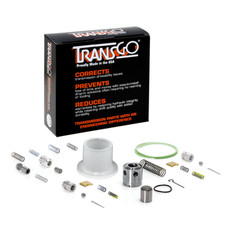
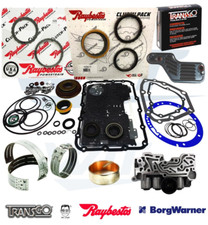
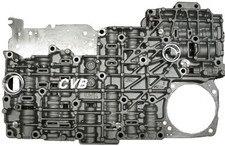
A 2002-and-later Explorer or Mountaineer with the 5R55W that will not move when hot, howls from the front of the transmission, or loses converter lockup on the highway has three different complaints with one thing in common: they all trace back to hydraulic parts that TransGo redesigned in this kit. This is the new TransGo SK 5R55W, the basic valve body repair kit for the W, S and N five-speeds. It is the kit a shop drops in while the pan, valve body and pump are already apart, so the rebuilt unit does not come back with the same faults the original one had.
What the SK 5R55W changes inside a 5R55W
TransGo's own instruction sheet sums the kit up as being about won't move, pump noise, no lockup when hot, slip, shudder and codes. Each fix is a specific part:
- Pump flow control assembly. The factory flow control valve in the pump sticks, which causes no-move, and wears, which causes burned frictions and noise. Ford only supplies it inside a new pump, so the kit includes TransGo's upgraded piston, bushing, yellow spring and retainer.
- Pump alignment tool. The pump halves are aligned on the stator spline before the front seal goes in, then the pump bolts are torqued to 18 ft-lb. A misaligned pump is a common source of gear noise after a rebuild.
- High-temperature direct clutch rings. Low-shrink sealing rings for the center support, a weak spot when the unit has been run hot.
- New lockup valve, bushing and inner valve. TransGo states that lockup problems on this unit are usually valve body caused, not converter caused, and the new valve adds lockup capacity for slip, shudder and P1740 while keeping a smooth apply.
- Two EPC relief assemblies plus new springs for the solenoid side of the valve body, including a green RS/ISA select spring.
Symptoms that point to this kit
- Truck will not move in Drive or Reverse after it warms up, then recovers when cool
- Whine or moan that rises with engine speed, coming from the pump
- No converter lockup when hot, or lockup that slips and shudders, with P1740 or P1744 stored
- Ratio codes P0732, P0733 or P0735 with a 2-3 flare or a slide-bump into fifth
- Delayed forward engagement or repeat direct clutch burnout
How to confirm the cause first
Gear ratio codes on a W do not automatically mean the valve body. The overdrive and intermediate servo pin bores in the case wear on these units, and once they leak, the bands burn no matter which kit is installed. TransGo's sheet tells the installer to wiggle the OD servo pin and confirm it is tight. Read our 5R55W/5R55S servo pin bore wear guide before you order, then follow the 5R55 harsh or delayed shift walkthrough to sort pressure, solenoid and mechanical faults. If lockup is the only complaint, our 5R55W P1744 diagnosis covers when the converter really is to blame.
Fitment
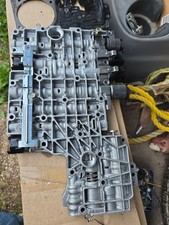
This listing is titled for the 5R55W from 1999 to 2007, and TransGo lists the SK 5R55W for the W, S and N from 1999 on. In practice the W itself did not appear until 2002: Sonnax's history of the family places it in the 2002 Explorer and Mountaineer, with the N in earlier Lincoln LS, Thunderbird and Jaguar S applications. The kit carries separate instructions for the N valve body, which has a bottom plate, and for the W and S valve body, which does not, so check yours when the pan is off. If you are unsure which unit you have, send us the year and VIN before ordering. All 5R55 parts are in our 5R55 transmission collection.
Install notes
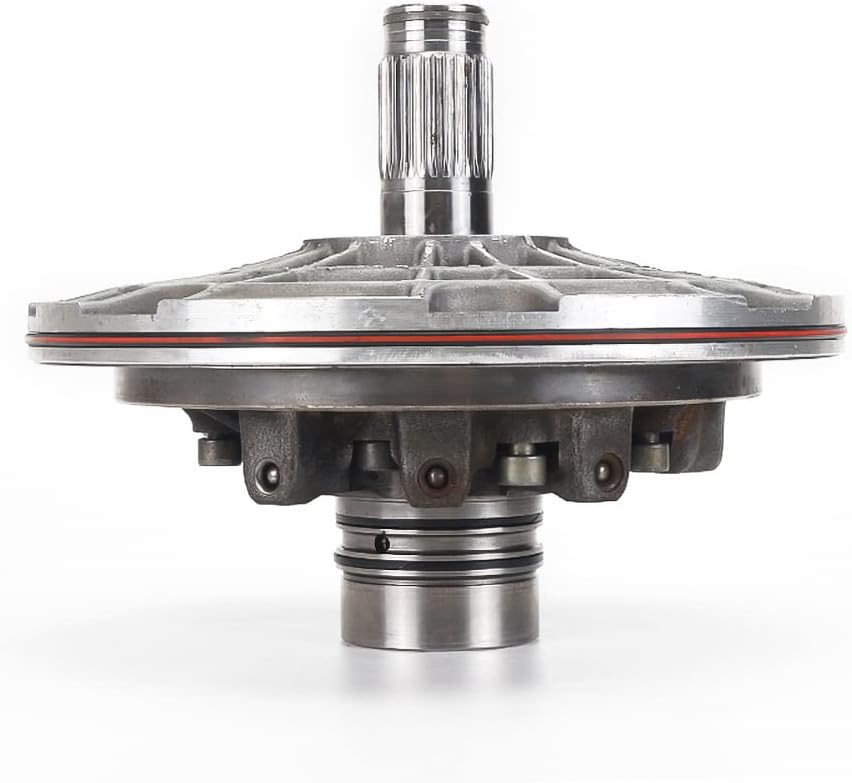
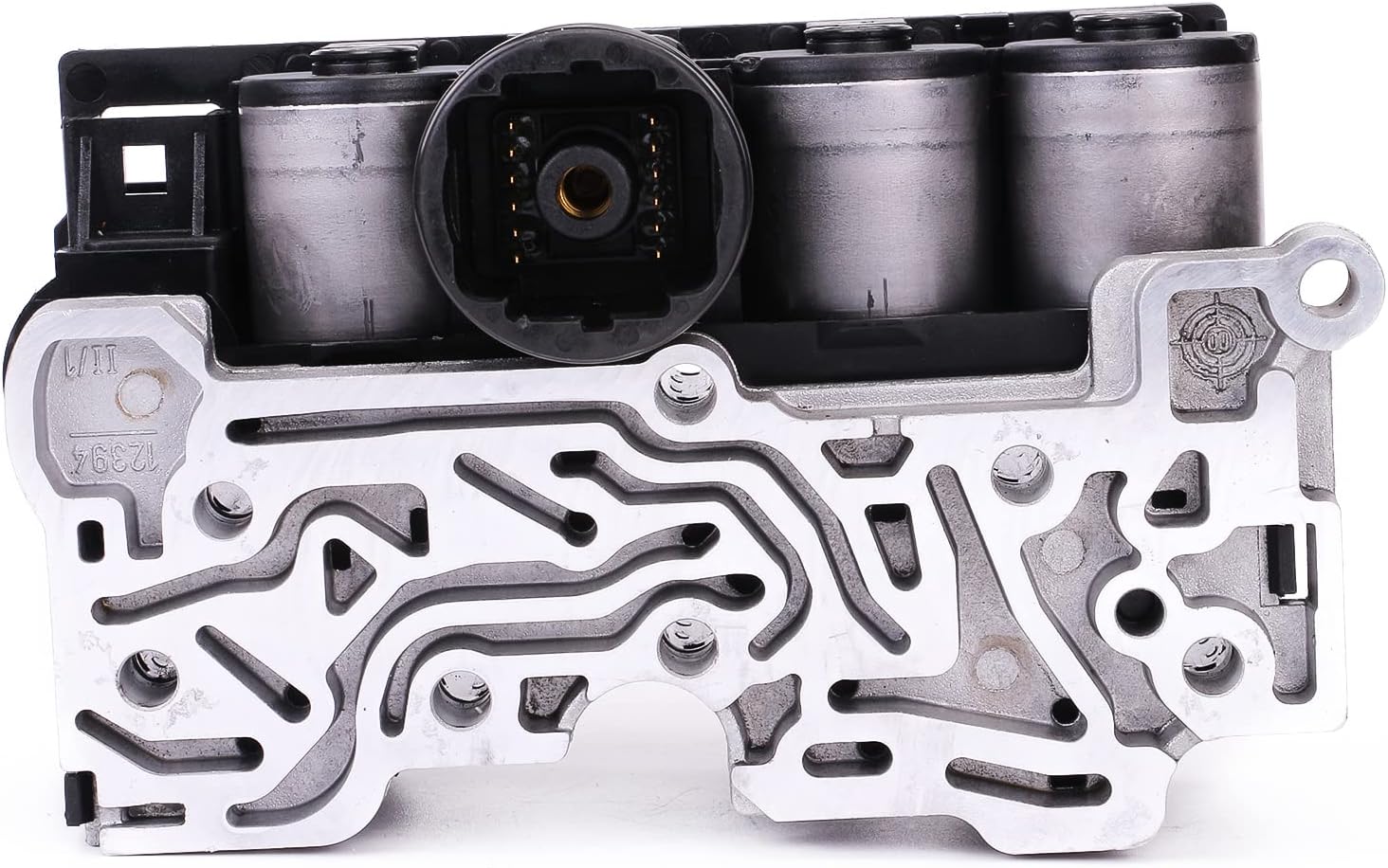
TransGo states plainly that this is not a do-it-yourself kit; it is meant for experienced transmission technicians, because it involves pump alignment, valve removal and the lockup bushing. Keep removed parts in order and work one bore at a time. On reassembly, adjust the overdrive and intermediate bands snug, back off two turns and lock them, with the servo struts' short side toward the valve body. Fill with Mercon V. TransGo's level check is done with the vehicle level, engine running, in Park and the fluid between 80 and 120 degrees F, adding fluid until a steady stream runs from the check hole. Since the pump is open anyway, a worn pump body is best replaced with our 5R55W pump assembly for 2002-up Explorers, and an original solenoid pack can be swapped for the updated 9L2Z-7G391-AA solenoid block.