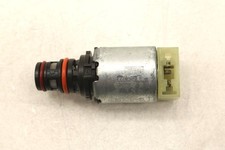
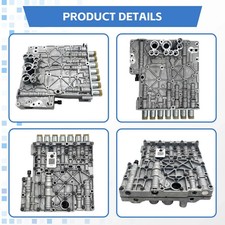
A 6R140 that starts in fifth gear and stays there, flares between shifts when towing, or engages hard into Drive is a common complaint on 2011 and newer Ford Super Duty trucks. This remanufactured seven-piece kit replaces every solenoid on the 6R140 solenoid body: the five shift solenoids, the torque converter clutch solenoid and the line pressure control solenoid. Each set is bench-tested before shipment, and it is listed for F-250 through F-550 Super Duty trucks with the 6.2L gas V8 or 6.7L Power Stroke, plus F-650/F-750 and 2016-up E-350/E-450 applications.
What the solenoid kit does in a 6R140
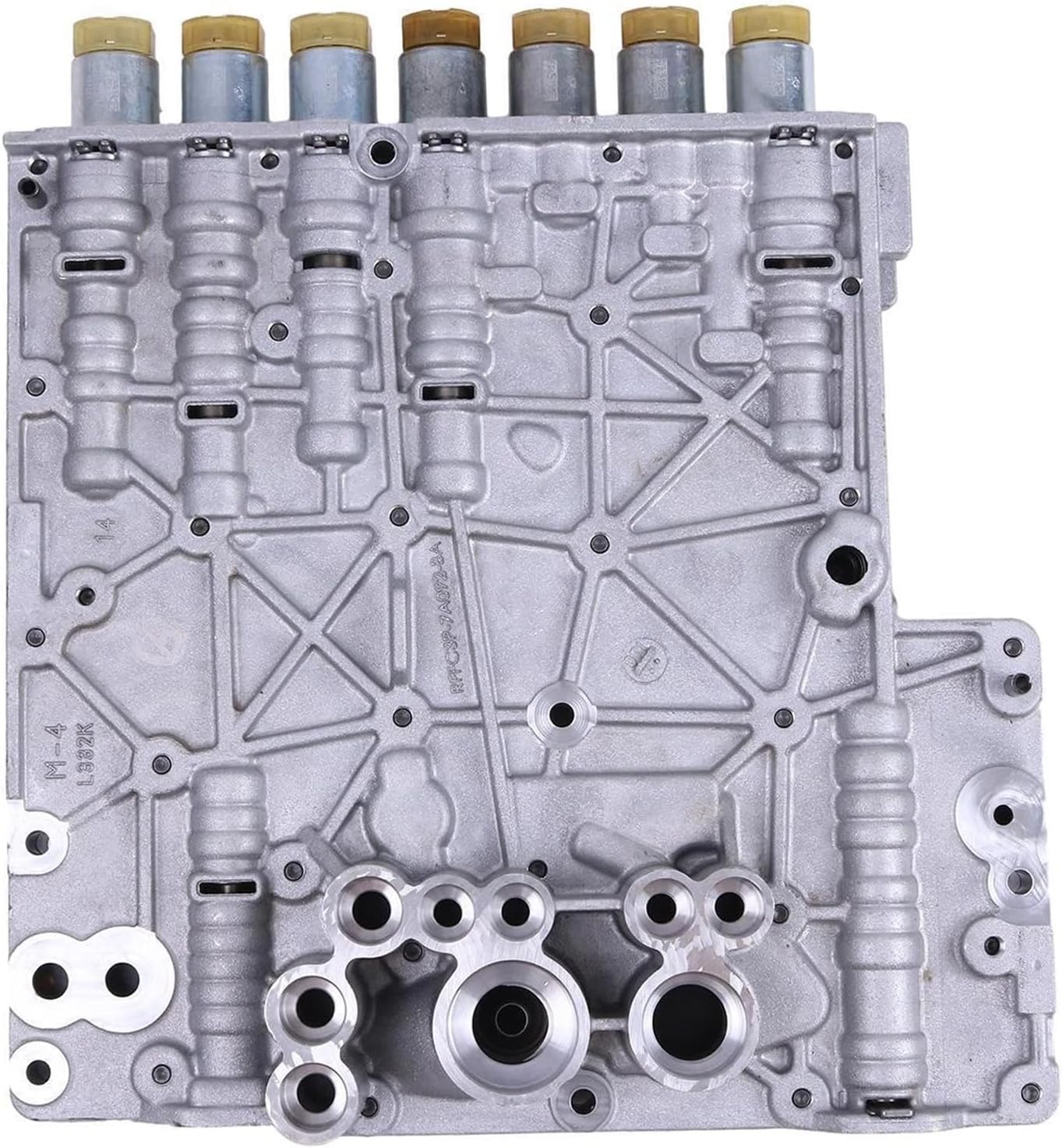
The 6R140 replaced the 5R110W for 2011, and its solenoids work differently from its predecessor's. All seven are pulse-width-modulated units mounted on the rear of the valve body. SSA runs the forward clutch for first through fourth, SSB the direct clutch, SSC the intermediate clutch, and the rest handle the remaining clutches, converter lockup and line pressure. SSB, SSE and the line pressure solenoid are normally high, which is why a truck that loses power to the solenoids falls back to fifth gear and reverse with maximum line pressure.
The bigger difference is calibration. Ford tests each 6R140 solenoid at the factory and assigns it a band number from 1 to 5 based on how it flows, then programs the TCM, or the PCM on gas trucks, to compensate for the exact bands in each position. That is why solenoid choice on this transmission is more than a part number match.
Symptoms of worn 6R140 solenoids
- Failsafe mode: the truck starts in fifth gear, has reverse, and nothing else until restarted
- Flare or slip on upshifts, most noticeable with a trailer
- Harsh or delayed engagement into Drive or Reverse
- Converter clutch shudder or no lockup at cruise
- Shift solenoid circuit or performance codes, line pressure control codes P0960 to P0963, or gear ratio codes in the P0729 to P0736 range
How to confirm the solenoids before buying
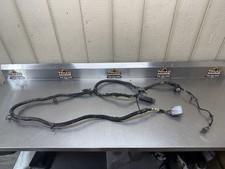
Scan the TCM on a diesel or the PCM on a gas truck and write down which solenoid or gear each code names. Then look at the wiring. The 6R140 internal harness has splices that are known to fail and cause intermittent opens, and they look exactly like a dead solenoid on a scan tool. Check resistance at the case connector, and inspect the harness once the pan is off. Debris in the valve body is the other known trouble spot, and it can cause neutral at a stop that no solenoid will fix. Our 6R140 shift solenoid symptoms guide and the 6R140 problems and service guide walk through separating a solenoid fault from a harness or valve fault.
Fitment
This kit is listed for the Ford 6R140 TorqShift six-speed in 2011 and newer F-250, F-350, F-450 and F-550 Super Duty trucks with the 6.2L V8 or 6.7L diesel, F-650/F-750 medium-duty trucks, and 2016-up E-350/E-450. The listing's cross-reference list includes BC3Z-7G383-KIT and other numbers, so do not rely on a number alone. Before ordering, record the band number, position and snout color of each solenoid you are removing: black snouts are normally high, brown are normally low. Compare that with the photos, or send us your year and VIN. Everything else for this unit is on our 6R140 collection page.
Install notes
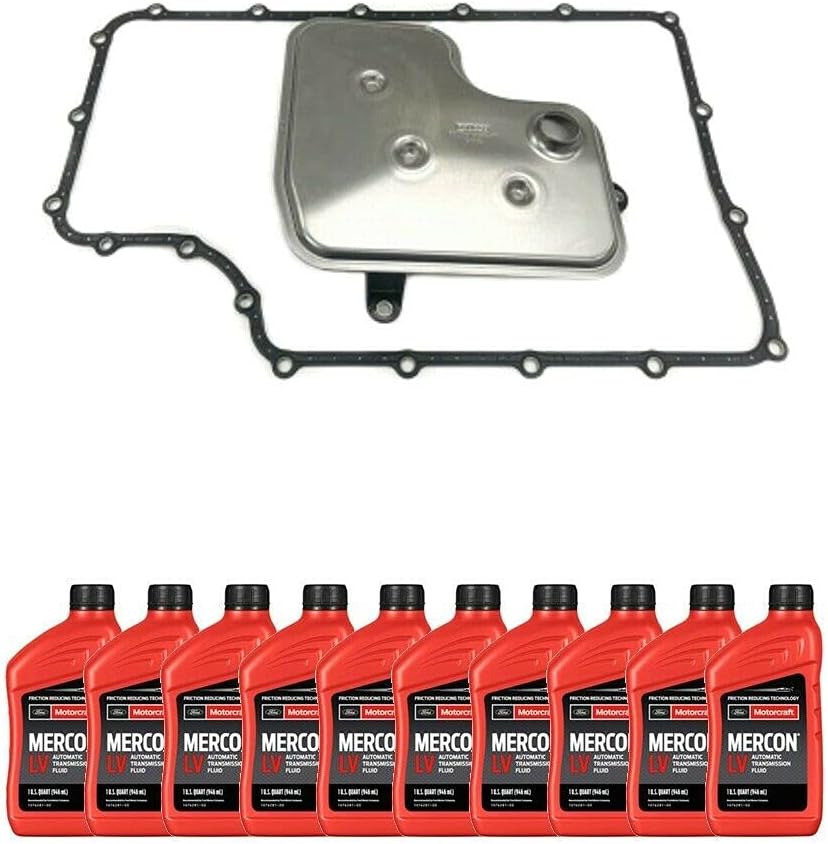
- Drain the fluid, drop the pan and filter, and unplug the internal harness. Note the solenoid body ID and strategy numbers on the valve body tag before anything comes apart.
- Move one solenoid at a time into the same bore. Fit new O-rings and torque the retainer hardware to spec.
- Inspect every harness splice. If any are corroded or loose, fit the 6R140 internal wiring harness while the pan is down.
- Refill with MERCON LV and check the level at 180 to 200 F. The 6R140 service kit with filter, gasket and MERCON LV covers the fluid and filter in one order.
- Erase keep alive memory, clear adaptive values and run Ford's drive cycle: Neutral-Reverse and Neutral-Drive shifts with 4-second pauses, gentle accelerations to 50 mph and stops, then 25 mph coast-downs in L range, each repeated at least three times.
If the new solenoids carry different band numbers than the originals, expect a longer learning period and possible flares until the computer adapts. A shop with a Ford scan tool can look up band data from the strategy and ID numbers. If the valve body itself is worn or full of debris, the 6R140 valve body for the 6.7L is the more complete fix.