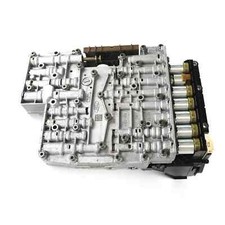
A 2016 F-150, Mustang, Expedition or Navigator that shifts harsh, hangs between gears, or drops into limp mode with a solenoid or pressure code is usually fighting a worn 6R80 valve body, not a failing transmission. This is a remanufactured valve body built for the 2016 casting and connector layout, bench-ready so it drops in as a known-good assembly instead of a pile of individual valves and solenoids to chase down one at a time.
What the valve body does in a 6R80
The 6R80 valve body is the transmission's hydraulic brain. It routes line pressure through precision bores and spool valves to apply each clutch pack and band in sequence, and on this electronically controlled unit it also carries the shift and pressure-control solenoids the PCM uses to time every shift and manage torque converter clutch (TCC) apply. Ford revised the casting and separator plate starting with the 2015 model year, so a 2016 unit is not interchangeable with pre-2015 valve bodies even though the transmission code is the same.
Symptoms this part addresses
- Harsh, late, or flared shifts, especially under load or towing
- Slipping between gears, or a hesitation before the next gear catches
- Torque converter clutch shudder or slip, sometimes with a stored TCC code
- Limp mode with a shift-solenoid or line-pressure code, or an intermittent no-engagement into reverse with no codes stored at all
That last symptom is a documented issue on 2015-2017 trucks: Ford's own service bulletin describes an intermittent no-engagement or neutral condition on a manual shift into reverse with nothing logged in the PCM, traced to shift strategy rather than a mechanical failure. If your truck shows that exact complaint, read the bulletin before you replace parts, since it changes how you confirm the cause.
How to confirm it before you order
Pull codes first. A stored shift-solenoid, pressure-control, or TCC code points straight at the valve body or its solenoids. If nothing is stored but the truck still shifts wrong, a hydraulic or scan-tool pressure test is the next step; our 6R80 valve body testing guide walks through reading solenoid amperage against commanded pressure to isolate a sticking valve from a wiring or PCM problem before you spend money on parts.
Fitment: 2016 6R80
This unit is built for the 2016 F-150, Mustang, Expedition, and Navigator casting and connector layout introduced for the 2015 model year. Confirm your vehicle and build date against your old unit's casting number before ordering, since the '15-and-later valve body is physically different from earlier 6R80 castings and the two are not cross-compatible. If you are not sure which revision you have, send us your year, vehicle, and VIN and we will confirm before it ships. The full list of 6R80 valve bodies by year is on the 6R80 parts page.
Install notes
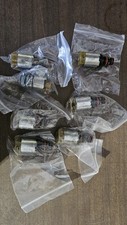
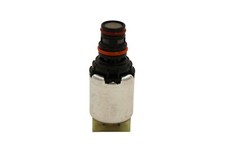
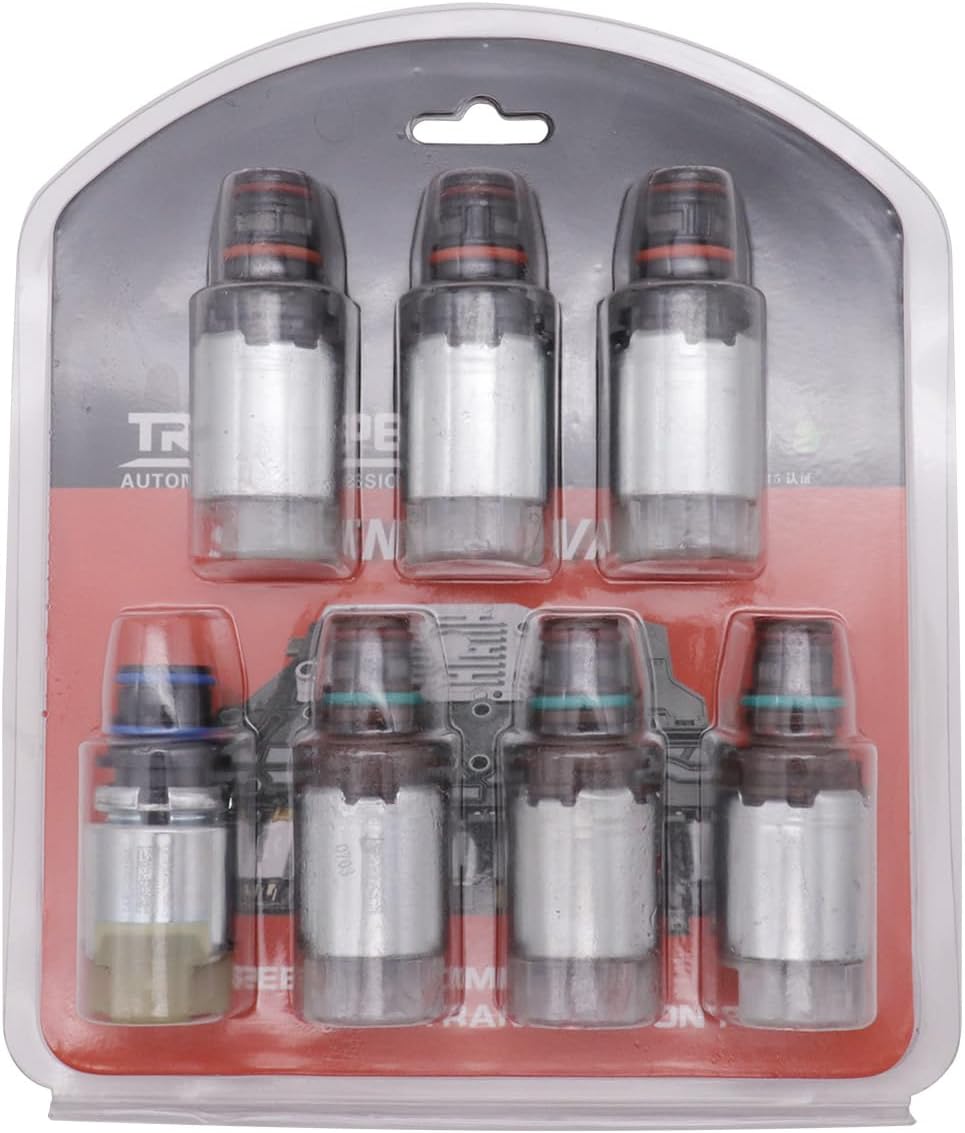
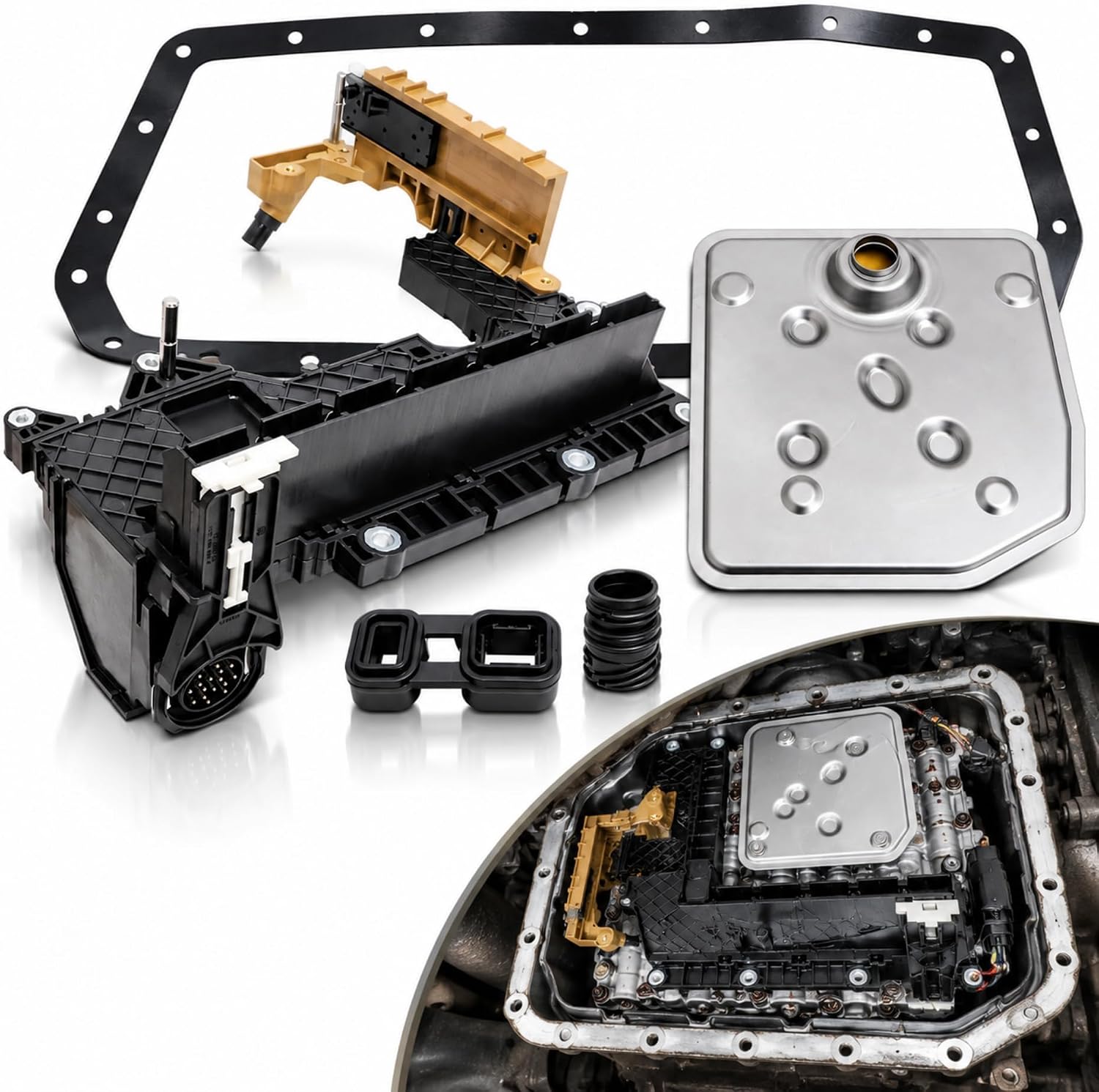
Drop the pan and change the fluid and filter at the same time so debris from the old unit does not circulate through the new one. Torque the valve body bolts in the sequence Ford specifies, refill with Mercon LV, and run the PCM's adaptive relearn after installation so the computer re-times its shift feel to the new unit. If your original shift solenoids are the factory units and already suspect, pairing this valve body with a fresh solenoid kit addresses the other common wear point in this generation, and a lead frame and filter kit covers the internal wiring connector that often fails alongside it.