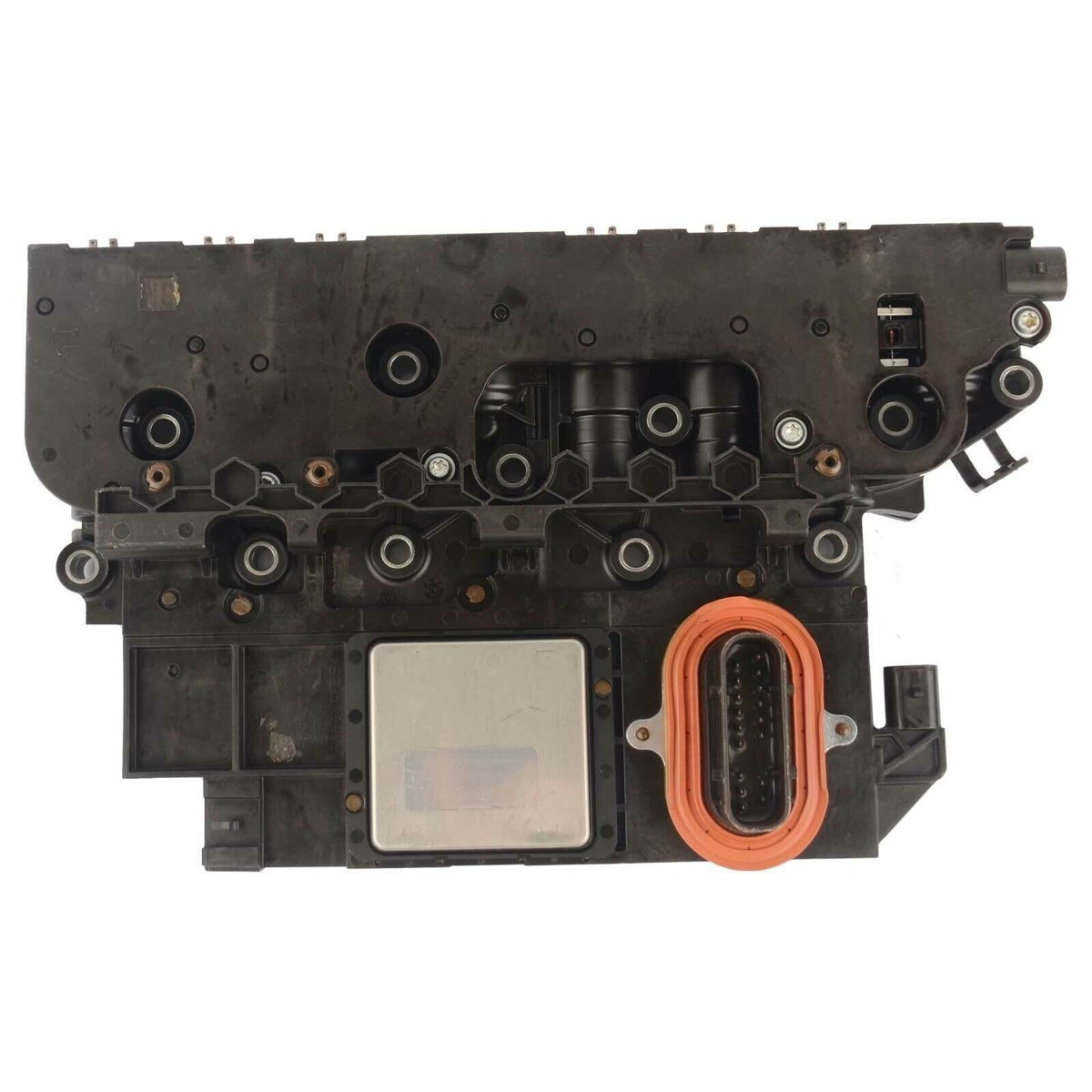
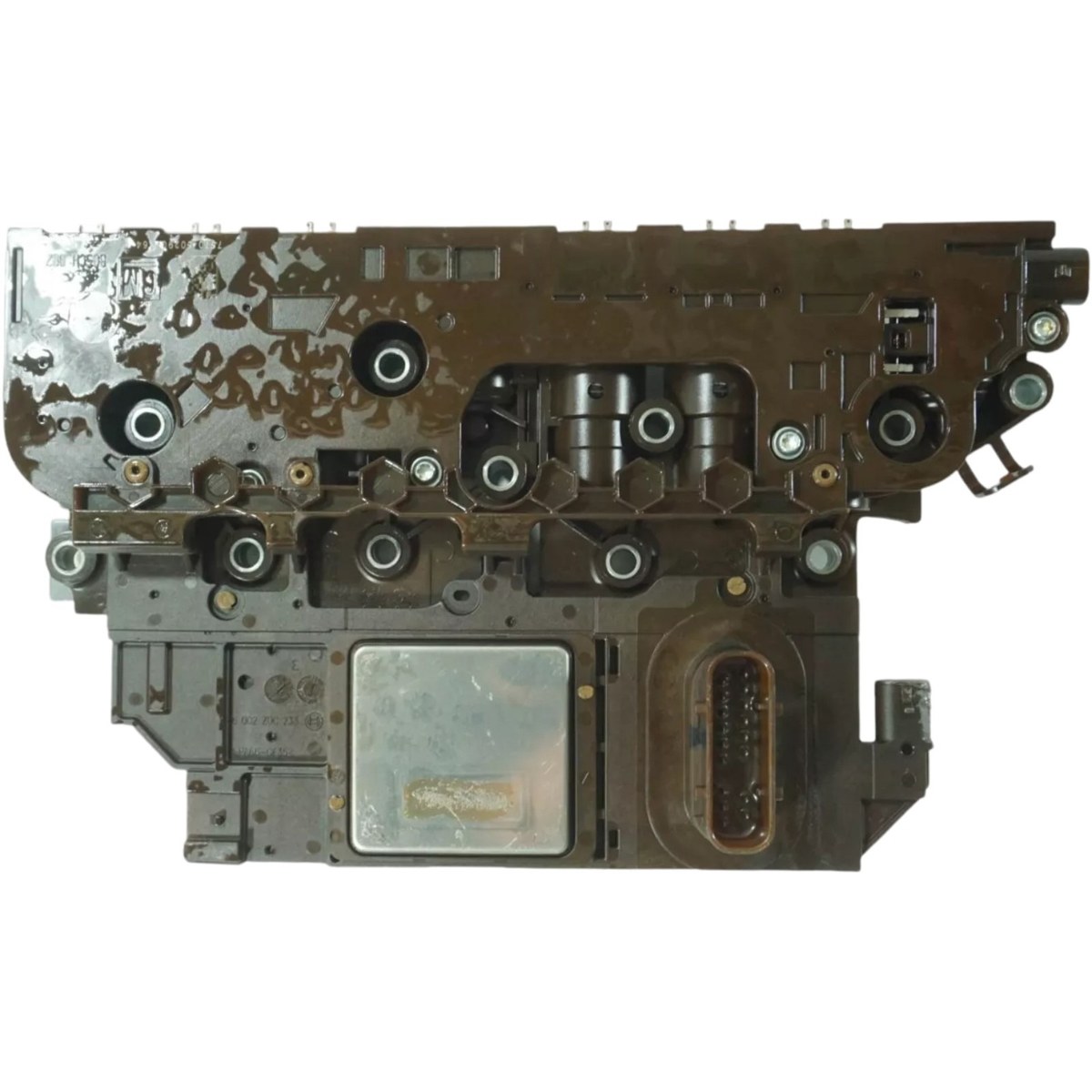
If your Chevrolet Traverse, Equinox, Malibu or Impala, GMC Acadia or Terrain, Buick Enclave or LaCrosse, or Cadillac SRX with the 6T70 six-speed has set P0741 or P0742, shudders on the highway like it is rolling over rumble strips, or cruises a few hundred RPM higher than it used to, the converter clutch control is the first place to look. Here is the part most buyers do not realize until they open the pan: GM never made the 6T70 torque converter clutch solenoid as a separate plug-in piece. It is one of eight solenoids molded into the control solenoid valve assembly, the same housing that carries the transmission control module. That is exactly what this listing is - a remanufactured control solenoid body with its TCM, as the photo shows: the solenoid row, the module cover and the sealed harness pass-through.
What the TCC solenoid does in a 6T70
GM's 6T70/6T75 service information calls it the TCC pressure control solenoid and describes it as a normally low unit. With no current, it sends no pressure. When conditions allow lockup, the TCM raises current to the solenoid, which feeds the TCC regulator valve in the valve body and the TCC control valve in the pump cover. Those valves set how hard the converter clutch clamps. To release, the TCM simply cuts current. ATRA's 6T70 training lists it among six variable bleed solenoids running at about 3000 Hz on a regulated 8.3-9.3 volt feed. Because control is modulated rather than on-off, the TCM can hold a few RPM of deliberate slip at cruise, and it compares engine speed against input shaft speed the whole time to judge whether the clutch is doing what it was told.
Symptoms that trace to the TCC circuit
- P0741, TCC system stuck off: GM sets it when slip stays at 50 RPM or more for 5 seconds with lockup commanded, three times. The TCM then blocks 6th gear and lockup and forces a hot-mode shift pattern.
- P0742, TCC system stuck on: the converter stays locked when it should be open, and the TCM freezes shift adapts. Drivers notice stalling or lugging coming to a stop.
- P2763 or P2764 solenoid circuit codes, which point straight at the solenoid side of the assembly or its internal circuit.
- Shudder at steady 40-60 mph cruise, higher cruise RPM and a drop in fuel economy.
How to confirm before you buy
GM's own procedure for P0741/P0742 starts with fluid level and condition, then checks the input and output speed sensor signals, then a road test logging TCC pressure command and TCC slip speed. Only after a line pressure check does it pull the solenoid body for a bench performance test. Just as important, GM's table lists other causes: a stuck TCC control valve or TCC regulator valve, a cracked filter plate or gasket leaking control fluid, and inside the converter a worn or delaminated clutch lining. A $400 solenoid body will not fix a burned converter clutch. Our 6T70 P0741 diagnosis guide walks through those checks, and the TCC lockup explainer covers how each code maps to the hydraulic loop.
Fitment
This assembly is listed for the 6T70, which GM ran from 2007 through 2019 in the crossovers and front-drive cars named above. The critical split is generation, not model year alone. GM introduced a Gen 2 control package for 2013 (RPO M7W and M7U on the 6T70) and phased it in, so 2013 and 2014 vehicles exist in both versions. Sonnax warns that a Gen 2 module will not work properly in a Gen 1 unit and that you should not identify it by the old module's part number alone. Check the RPO codes on the Service Parts Identification label, or send us your year and VIN before ordering. Browse every part for this unit on the 6T70 collection page.
Install notes
- The module is internal to the transaxle and must be programmed to the vehicle after installation with a GM-capable scan tool or J2534 setup.
- Do not wash the control solenoid assembly in solvent. GM's bulletin on the 3-5-Reverse wave plate specifically instructs against it.
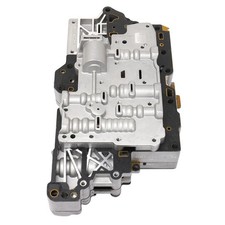
- Inspect the valve body while you are in there. If the TCC regulator or control valve is scored, a replacement 6T70 valve body of the matching generation fixes the root cause instead of hiding it.
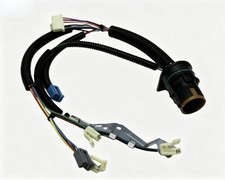
- Check the internal harness and its pass-through seal for chafing or oil wicking; a worn 6T70 internal wiring harness can mimic solenoid faults.
- Refill with DEXRON-VI only, check level at 180-200 F transmission fluid temperature, and run the Service Fast Learn Adapts procedure before the first real drive.
- Finish with several highway lockup cycles while watching TCC slip on a scan tool to verify the repair.